
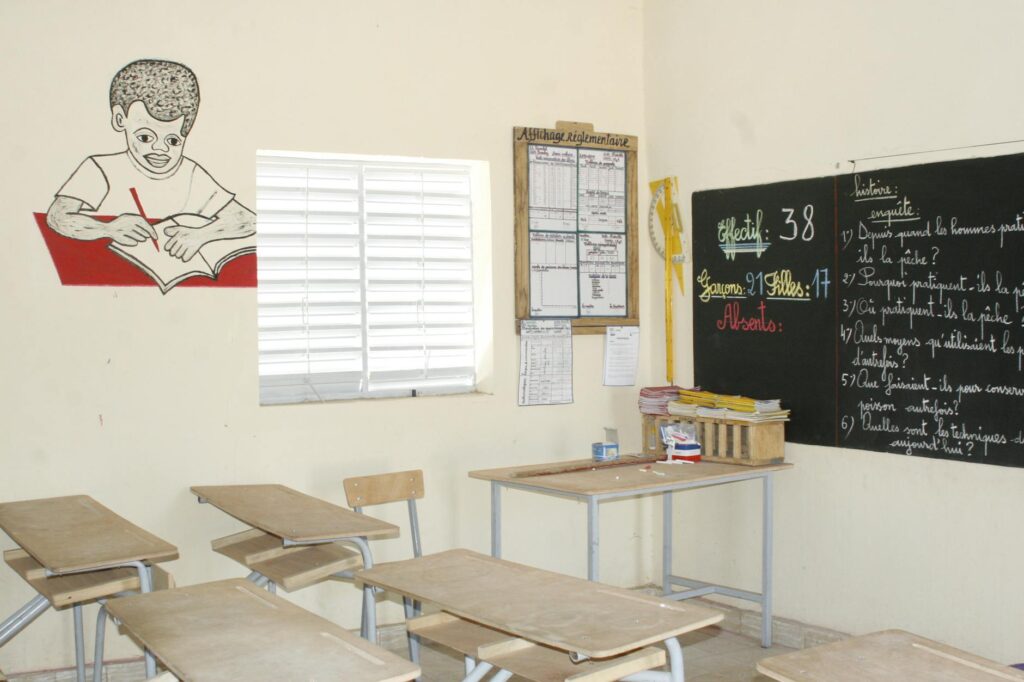
Rehabilitation classroom: What is a Rehabilitation Classroom?
This guide covers everything about rehabilitation classroom. As of April 2026, the focus on creating truly inclusive and supportive educational settings has intensified. These classrooms move beyond mere accommodation; they are proactively designed to empower students, enabling them to overcome barriers and achieve their full potential.
Last updated: May 1, 2026
- Rehabilitation classrooms are specialised learning environments designed to support students with diverse physical, cognitive, or emotional needs.
- Key design elements include physical accessibility, sensory regulation tools, adaptive furniture, and integrated therapeutic spaces.
- As of 2026, the trend emphasizes creating flexible, multi-functional spaces that support both individual and group learning.
- Successful rehabilitation classroom design requires collaboration among educators, therapists, architects, and parents.
- These spaces aim to boost student confidence, independence, and academic achievement by providing a tailored, supportive atmosphere.
The Evolving world of Inclusive Learning Spaces
The concept of a rehabilitation classroom has evolved significantly. Initially, such spaces might have been seen as purely clinical settings. However, current best practices, as of 2026, emphasize smoothly blending educational and therapeutic goals within a single, cohesive environment.
This shift reflects a deeper understanding that a student’s learning is intrinsically linked to their overall well-being. By creating a space that addresses physical comfort, sensory input, and emotional regulation, educators can unlock greater potential for academic engagement and success.
For example, a classroom designed for students with autism spectrum disorder might incorporate quiet zones, visual schedules, and tactile learning materials. This approach acknowledges that sensory processing differences can significantly impact a student’s ability to learn. Middle School Classroom: Design for Engagement and Learning 2026
Core Principles of Rehabilitation Classroom Design
Effective rehabilitation classroom design hinges on several fundamental principles. Foremost among these is creating an environment that’s universally accessible and adaptable to individual student needs.
This means considering everything from the physical layout and furniture to the lighting, acoustics, and available technology. The goal is to remove barriers and provide a safe, stimulating, and functional space where learning can thrive.
Physical Accessibility and Adaptability
Ensuring physical accessibility is paramount. This involves wide doorways, clear pathways, and sufficient space for mobility aids like wheelchairs or walkers. Furniture should be easily adjustable or interchangeable.
Consider an example where desks can be raised or lowered to accommodate students of different heights or those using wheelchairs. This adaptability allows students to participate fully in all classroom activities without feeling singled out.
Practical Insight: Always consult accessibility guidelines and involve individuals who use mobility devices in the planning process. Their lived experience is invaluable for identifying potential challenges overlooked by designers.
Sensory Regulation and Comfort
Many students benefiting from a rehabilitation classroom may have sensory processing differences. The environment should offer options for managing sensory input, whether it’s too much or too little.
This can include features like adjustable lighting (dimmable lights, natural light options), sound-dampening materials, designated quiet zones, and the availability of fidget tools or weighted blankets. These elements help students self-regulate and maintain focus.
Use Case: A school designed a ‘calm corner’ in its rehabilitation classroom, complete with soft seating, noise-cancelling headphones, and a sensory-friendly light projector. This corner proved instrumental in helping students manage anxiety and return to learning tasks more readily.
Flexible Learning Zones
The modern rehabilitation classroom is not a one-size-fits-all space. It should offer a variety of zones to support different learning styles and activities.
This might include areas for quiet individual work, collaborative group projects, hands-on exploration, and even a space for physical movement or therapy exercises. Flexibility allows educators to adapt the space to the day’s specific learning objectives.
Practical Insight: Modular furniture is a major shift here. Easily reconfigurable tables and seating arrangements allow for rapid transitions between different instructional modes, maximizing the utility of the space.
Integrated Therapeutic Spaces
A key differentiator of a rehabilitation classroom is the integration of therapeutic elements. This might involve designated areas for occupational therapy (OT), speech therapy (ST), or counseling.
These zones should be equipped with appropriate tools and resources, such as therapy balls, specialised seating, communication boards, or privacy screens. The aim is to allow therapists to work with students within their familiar learning environment, reducing disruption and reinforcing learning.
Real-World Example: The Children’s Hospital of Philadelphia uses dedicated therapy nooks within its educational spaces, allowing pediatric patients to receive specialised OT sessions without needing to leave the classroom environment for extended periods.
Creating a Safe and Supportive Atmosphere
Beyond the physical structure, the emotional and psychological safety of the rehabilitation classroom is critical. This atmosphere is fostered through intentional design choices and pedagogical approaches.
A sense of belonging and security is essential for students to feel comfortable taking risks, asking questions, and engaging fully in their learning journey.
Visual Supports and Predictability
Visual aids, such as schedules, task breakdowns, and social stories, are invaluable tools. They provide predictability and reduce anxiety by clearly outlining expectations and routines.
These visual supports can be integrated into the classroom design through wall displays, interactive whiteboards, or individual student planners. Their consistent presence helps students understand what is happening and what comes next.
Insight: Implementing a consistent colour-coding system for different classroom zones or activities can further enhance visual predictability for students who benefit from structured cues.
Promoting Independence and Choice
A well-designed rehabilitation classroom empowers students by promoting independence and offering meaningful choices. This can be facilitated through accessible storage, self-help stations, and opportunities for students to make decisions about their learning environment.
For instance, providing different seating options or allowing students to choose between working independently or with a small group fosters a sense of agency. This autonomy is crucial for building self-esteem and motivation.
Practical Tip: Store frequently used materials at accessible heights for students, encouraging them to retrieve and manage their own supplies. This simple act fosters responsibility.
Technology Integration in Rehabilitation Classrooms
Technology plays an increasingly vital role in supporting students within rehabilitation classrooms. As of 2026, a wide array of assistive technologies are available to enhance learning and communication.
The integration should be thoughtful, focusing on how technology can specifically meet the needs of the students using the space.
Assistive Technology Tools
Assistive technology (AT) encompasses devices and software that help students with disabilities access education and communicate effectively. This can range from text-to-speech software and adaptive keyboards to communication devices and specialised learning apps.
Example: A student with dyslexia might use software that reads text aloud, while a student with limited mobility might use an eye-gaze device to interact with a computer. The classroom should be equipped with charging stations and reliable Wi-Fi to support these tools.
According to the U.S. Department of Education (2023), assistive technology is crucial for ensuring equitable access to the general education curriculum for students with disabilities.
Interactive and Adaptive Learning Platforms
Interactive whiteboards, tablets with educational apps, and adaptive learning platforms offer dynamic ways to engage students. These tools can often tailor content difficulty and pace to individual student progress.
This personalization ensures that students are challenged appropriately without becoming overwhelmed. It allows educators to track progress more effectively and identify areas where additional support might be needed.
Insight: When selecting adaptive learning platforms, prioritise those with strong data analytics that provide educators with actionable insights into student performance and engagement patterns.
Collaboration: The Key to Success
Designing and implementing an effective rehabilitation classroom is rarely a solo effort. It requires a collaborative approach involving multiple stakeholders.
Educators, therapists, administrators, parents, and even the students themselves must work together to ensure the space meets its intended purpose.
Educator and Therapist combination
General education teachers, special education teachers, occupational therapists, physical therapists, and speech-language pathologists all bring unique expertise. Their combined insights are essential for creating a truly complete environment.
Regular communication and co-planning sessions between these professionals ensure that the classroom design supports both academic instruction and therapeutic interventions smoothly.
Real-World Scenario: A multidisciplinary team at a specialised school collaborated to design a new rehabilitation classroom. The OT focused on fine motor skill development areas, the ST on communication zones, and the special education teacher on sensory-friendly learning stations, resulting in a highly functional space.
Parental and Student Input
Parents and guardians offer invaluable perspectives on their child’s specific needs, preferences, and challenges. Involving them in the design process can lead to more effective and personalized solutions.
Similarly, where appropriate, soliciting input directly from students about what makes a learning space comfortable and effective for them can provide crucial insights. This student-centred approach is a hallmark of best practices in 2026.
Practical Insight: Conduct surveys or focus groups with parents and students to gather feedback on existing classroom designs or to inform the planning of new spaces. This ensures the design is truly user-centric.
Common Challenges and How to Overcome Them
Despite the best intentions, creating and managing a rehabilitation classroom presents challenges. Awareness and proactive planning can help mitigate these issues.
Understanding these common hurdles allows for the development of effective strategies to ensure the classroom remains a beneficial space for all its users.
Budgetary Constraints
Specialised furniture, technology, and therapeutic equipment can be costly, making budget limitations a significant challenge. Securing adequate funding is often the first hurdle.
Solutions include seeking grants, prioritising essential equipment, exploring refurbished options, and phased implementation of design changes. Creative fundraising and community partnerships can also help bridge financial gaps.
According to a report by the National Center for Education Statistics (NCES) in 2026, funding for special education resources remains a critical concern for many school districts nationwide.
Space Limitations
Many schools operate with limited physical space, making it difficult to allocate adequate room for specialised equipment, therapy areas, or quiet zones within a rehabilitation classroom.
Strategies to overcome this include maximizing vertical space with shelving, using multi-functional furniture, and implementing flexible scheduling for shared therapy spaces. Multi-purpose zones that can serve different functions at different times are also effective.
Staff Training and Buy-in
Ensuring that all staff members understand the purpose and use of the specialised features within a rehabilitation classroom is crucial. Lack of training or buy-in can hinder the effectiveness of the space.
Regular professional development, clear communication about the rationale behind design choices, and involving staff in ongoing evaluation and adjustments can foster understanding and support. A shared vision is key.
Best Practices for a Future-Ready Rehabilitation Classroom
Looking ahead to the evolving needs of students, several best practices will continue to shape the design and function of rehabilitation classrooms.
These strategies focus on creating environments that are not only supportive today but also adaptable to future educational and therapeutic advancements.
Embrace Universal Design for Learning (UDL)
Universal Design for Learning (UDL) principles advocate for creating flexible learning environments that accommodate individual learning differences from the outset. This proactive approach minimizes the need for later modifications.
UDL focuses on providing multiple means of engagement, representation, and action/expression. Applying UDL ensures that the classroom is inherently accessible and responsive to a wider range of student needs.
Prioritise Biophilic Design
Biophilic design incorporates natural elements into the built environment to improve well-being and cognitive function. This can include natural light, plants, and views of nature.
Research consistently shows that exposure to nature can reduce stress, improve concentration, and enhance mood. Integrating these elements can significantly contribute to a calming and restorative rehabilitation classroom atmosphere.
According to a study published in the Journal of Environmental Psychology (2024), classrooms with increased natural light and views of greenery showed significant improvements in student attention spans.
Foster a Culture of Continuous Improvement
The needs of students are not static, and neither should be the classroom environment. Establishing a process for ongoing evaluation and adaptation is vital.
Regularly gather feedback from students, staff, and parents. Observe how the space is being used and identify areas for improvement. This iterative approach ensures the rehabilitation classroom remains a dynamic and effective learning resource.
Frequently Asked Questions
What is the primary goal of a rehabilitation classroom?
The primary goal is to create a specialised learning environment that supports students with diverse physical, cognitive, or emotional needs, fostering their academic, social, and emotional development through integrated educational and therapeutic strategies.
How does a rehabilitation classroom differ from a regular classroom?
Rehabilitation classrooms are intentionally designed with accessibility, sensory regulation, adaptive tools, and integrated therapeutic spaces. They are more flexible and equipped to meet specific individual needs than standard classrooms.
What types of students benefit from a rehabilitation classroom?
Students who benefit include those with learning disabilities, physical impairments, developmental delays, autism spectrum disorder, ADHD, emotional and behavioural challenges, or those recovering from injury or illness.
What are essential elements for a sensory-friendly rehabilitation classroom?
Key elements include adjustable lighting, sound-dampening features, designated quiet zones, tactile materials, visual schedules, and comfortable, varied seating options to help students manage sensory input.
Who should be involved in designing a rehabilitation classroom?
Design should be a collaborative effort involving educators, special education teachers, therapists (OT, PT, ST), school administrators, architects, and crucially, parents and students.
How can technology enhance a rehabilitation classroom?
Technology, such as assistive devices, adaptive software, and interactive learning platforms, can significantly improve accessibility, communication, engagement, and personalized learning for students with specific needs.
Conclusion
A rehabilitation classroom is more than just a physical space; it’s a dynamic ecosystem designed to nurture potential and overcome challenges. By prioritising accessibility, therapeutic integration, sensory comfort, and collaborative design, educational institutions can create environments that truly empower every student to learn, grow, and thrive.
Actionable Takeaway: Audit your current learning spaces to identify opportunities for incorporating at least one new element of sensory regulation or flexible zoning to enhance student support.
Editorial Note: This article was researched and written by the Class Room Centre editorial team. We fact-check our content and update it regularly. For questions or corrections, contact us. Knowing how to address rehabilitation classroom early makes the rest of your plan easier to keep on track.


