
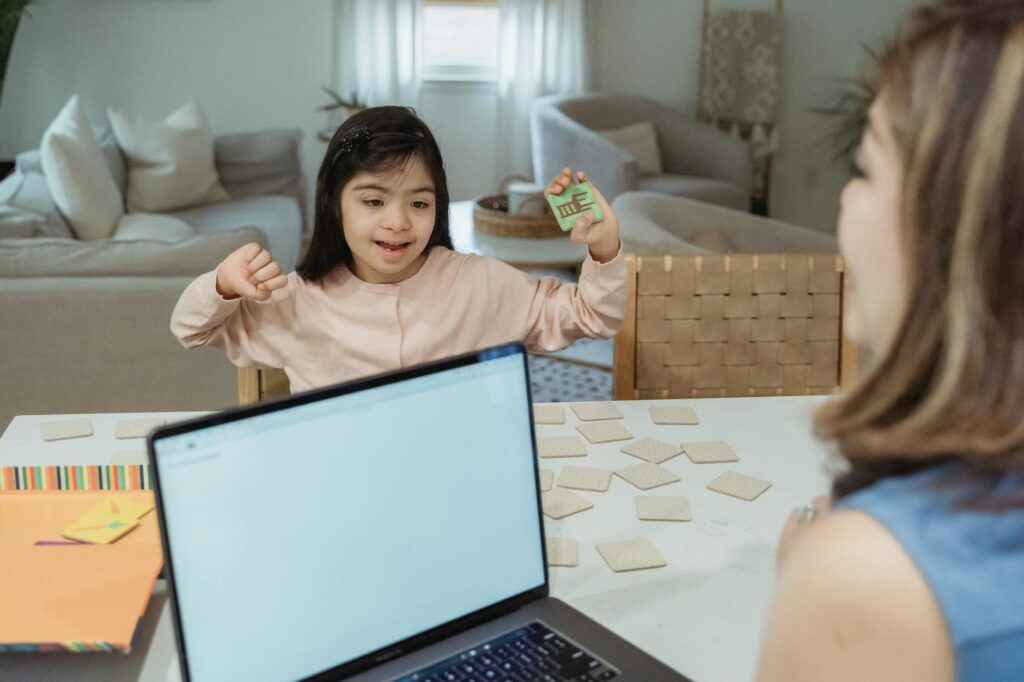
The Evolving world of the Special Education Classroom in 2026
Imagine a student, Maya, who thrives with visual aids and quiet corners. Her previous classroom was a one-size-fits-all space, leading to frustration. Now, in a thoughtfully designed special education classroom, Maya has a dedicated learning station that caters to her sensory needs. This shift highlights the critical role of the special education classroom in fostering equitable learning opportunities for all students.
Last updated: May 1, 2026
- Special education classrooms are tailored learning environments supporting students with diverse academic, behavioural, and developmental needs.
- Effective design in 2026 emphasizes flexibility, accessibility, and sensory regulation to accommodate a wide range of student requirements.
- Key components include differentiated instruction strategies, appropriate assistive technology, and strong classroom management techniques.
- These spaces aim to foster independence, promote academic growth, and build essential life skills in a supportive setting.
- Recent trends show an increase in technology integration and a focus on creating inclusive, yet specialised, learning zones.
As of April 2026, the concept of a special education classroom has moved far beyond a room with specialised equipment. It represents a dynamic, responsive, and deeply personalized learning ecosystem. This guide explores the complex nature of these vital educational spaces, offering insights for educators, administrators, and parents navigating this essential aspect of modern education.
What Exactly Is a Special Education Classroom?
A special education classroom is a physical or virtual space specifically designed and equipped to meet the unique educational needs of students with disabilities or learning challenges. These challenges can span a broad spectrum, including intellectual disabilities, learning disabilities (like dyslexia or dysgraphia), autism spectrum disorder, emotional and behavioural disorders, and physical impairments.
Unlike a general education classroom, the special education setting is characterized by its adaptability. It features modified curricula, specialised instructional strategies, and a lower student-to-teacher ratio to ensure each student receives targeted support. The primary goal is to provide an environment where students can achieve their full academic, social, and emotional potential.
Consider Mr. Harrison’s third-grade class. He teaches students with a range of learning disabilities. His classroom isn’t just about desks and chairs; it’s a carefully curated environment where lessons are broken down, materials are adapted, and progress is tracked individually. This individualized approach is the cornerstone of effective special education.
Foundational Principles of Special Education Classroom Design
The physical layout and design of a special education classroom are not merely aesthetic choices; they are fundamental to student success. As of 2026, principles of Universal Design for Learning (UDL) and sensory integration heavily influence these spaces, ensuring they are accessible, stimulating, and calming as needed.
Key design elements include:
- Flexibility: Furniture should be easily reconfigurable to support various activities, from individual work to small group collaboration. Think mobile desks, soft seating options, and standing workstations.
- Accessibility: Ensure clear pathways for students using mobility devices, accessible workstations, and materials stored within reach for all students.
- Sensory Zones: Designated quiet areas, sensory corners with calming tools (e.g., weighted blankets, fidget toys), and potentially a separate space for intense sensory input or regulation are crucial.
- Visual Supports: Ample use of visual schedules, choice boards, labels, and clear signage helps students with executive functioning challenges understand routines and expectations.
A practical insight: A well-designed classroom reduces external distractions and supports students’ self-regulation, freeing up cognitive resources for learning. For instance, a student with ADHD might benefit from a desk positioned away from high-traffic areas and near a calming visual display.
Differentiated Instruction: The Pedagogical Heartbeat
Differentiated instruction is the practice of tailoring teaching methods, content, and assessment to meet the diverse needs of learners within a special education classroom. It acknowledges that students learn at different paces and in different ways.
This involves:
- Content Differentiation: Providing information in multiple formats (e.g., text, audio, video, hands-on manipulatives).
- Process Differentiation: Offering varied learning activities that appeal to different learning styles (e.g., independent research, group projects, experiential learning).
- Product Differentiation: Allowing students to demonstrate their understanding through various means (e.g., written reports, oral presentations, artistic creations, building models).
- Learning Environment Differentiation: Structuring the classroom to support different learning needs, such as providing quiet zones or collaborative spaces.
For example, in a math lesson on fractions, one student might use physical fraction tiles, another might work through an interactive online simulation, and a third might solve word problems in a small group with the teacher. This ensures all students engage with the core concept but in a way that best suits their learning profile.
using Assistive Technology in the Special Education Classroom
Assistive technology (AT) plays a transformative role in breaking down barriers for students with disabilities. From low-tech tools to high-tech solutions, AT empowers students to access the curriculum, communicate, and participate more fully in their education.
Examples of AT include:
- Communication Aids: Augmentative and Alternative Communication (AAC) devices, speech-to-text software, and symbol-based communication apps.
- Learning Tools: Text-to-speech readers, graphic organizers, specialised keyboards, and adaptive mice.
- Sensory Tools: Noise-cancelling headphones, weighted lap pads, and specialised lighting.
- Mobility Aids: Adapted seating, standing frames, and powered wheelchairs.
According to the U.S. Department of Education (as of 2026 data), the effective use of AT is a key component in supporting students’ Individualized Education Programs (IEPs). A student with dyslexia might use a text-to-speech program to access grade-level reading materials, ensuring they aren’t left behind due to reading challenges. The integration of AI-powered tools for personalized learning recommendations is also a growing trend in 2026, as noted by educators like Minerva Cathay, who is completing AI tools training for special education environments.
Assistive Technology for Hearing Loss offers a glimpse into the specialised tools available for specific needs.
Effective Classroom Management Strategies for Diverse Learners
Managing a special education classroom requires a proactive, positive, and consistent approach. The goal is to create a predictable and supportive environment that minimizes disruptions and maximizes learning time.
Key strategies include:
- Clear Expectations and Routines: Establishing and consistently reinforcing classroom rules, schedules, and procedures is paramount. Visual schedules are invaluable here.
- Positive Reinforcement: Using praise, rewards, and token economies to encourage desired behaviours. According to research from organisations like the Association for Positive Behaviour Support, focusing on reinforcing positive actions is more effective than solely addressing negative ones.
- Behaviour Intervention Plans (BIPs): Developing and implementing individualized plans for students with significant behavioural challenges, identifying triggers and teaching replacement behaviours.
- Data Collection: Regularly tracking student behaviour and academic progress to inform instructional decisions and assess the effectiveness of interventions.
- Collaboration: Working closely with parents, support staff, and therapists to ensure a consistent approach across all environments.
An expert insight: Consistency is king. When students know what to expect and understand the consequences (both positive and negative), they feel more secure and are more likely to follow routines. A teacher consistently applying a pre-agreed consequence for a specific behaviour, rather than reacting emotionally, builds trust and predictability.
IEP Goals and Progress Monitoring
The Individualized Education Program (IEP) is a legal document that outlines the specific educational goals and services a student with a disability will receive. A special education classroom is where these goals are actively worked towards and meticulously tracked.
Progress monitoring involves:
- Data-Driven Decisions: Regularly collecting data on student performance related to IEP goals. This could be through observation, work samples, or standardized assessments.
- Frequent Check-ins: Short, focused assessments or check-ins with students to gauge understanding and mastery of specific skills.
- Reporting: Providing regular updates to parents and the IEP team on student progress towards goals.
- Adaptation: Using the collected data to adjust instructional strategies and interventions as needed. If a student isn’t progressing, the teaching approach must change.
For example, if an IEP goal states a student will improve reading fluency by 10 words per minute, the teacher will conduct weekly timed reading assessments to track progress. This data then informs whether the current reading intervention is effective or needs modification. As of April 2026, many districts are using digital platforms for more efficient IEP goal tracking and data visualization.
Creating Inclusive Spaces within Specialised Settings
While a special education classroom is specialised, the overarching goal in education is often inclusion. This means creating opportunities for students with disabilities to learn alongside their peers without disabilities whenever appropriate and beneficial.
Strategies for fostering inclusion include:
- Co-teaching models: General education and special education teachers collaborating in the same classroom.
- Push-in services: Specialists (e.g., speech therapists, occupational therapists) working with students within the special education or general education classroom.
- Peer mentoring programs: As seen at Wea Ridge, peer mentors can play a significant role in shaping classmates’ educational experiences, fostering understanding and support.
- Universal Design for Learning (UDL): Designing lessons and environments that are accessible to all students from the outset, reducing the need for later modifications.
An example of inclusion: A student might spend part of their day in a self-contained special education classroom for targeted instruction in reading and math, but join their grade-level peers for science, art, and physical education, with appropriate supports in place.
Real-World Examples and Funding
The resources available for special education classrooms can vary significantly. Recent news highlights both the challenges and the dedicated efforts to support these spaces. For instance, Krum High School recently received a substantial $50,000 grant specifically for its special education classroom, enabling upgrades to facilities and acquisition of new learning materials.
However, challenges persist. News outlets like the Houston Press have reported on plans for “Special Ed Specialty Schools,” sparking debate about segregation versus specialised support. Similarly, reports from WRAL indicate that residents in a youth home were improperly denied special education access, underscoring the ongoing need for vigilance and advocacy to ensure all students receive appropriate services.
The National Law Review highlighted Minerva Cathay, a Texas special education teacher who completed AI tools training, demonstrating a proactive approach to integrating new technologies. These examples showcase the diverse realities and ongoing developments impacting special education classrooms nationwide as of April 2026.
Common Pitfalls in Special Education Classroom Management
Even with the best intentions, several common pitfalls can hinder the effectiveness of a special education classroom. Recognising these issues is the first step toward addressing them.
Pitfall 1: Inconsistent Routines and Expectations
Problem: Students with many disabilities, particularly those on the autism spectrum or with ADHD, rely heavily on predictable routines. Inconsistency can lead to anxiety, confusion, and behavioural issues.
Solution: Develop a clear visual schedule, post classroom rules prominently, and ensure all staff members are aligned on implementing them consistently. Use positive reinforcement to acknowledge adherence to routines.
Pitfall 2: Over-reliance on a Single Instructional Method
Problem: Failing to differentiate instruction means students who don’t learn best through that method will fall behind. This is particularly problematic in a special education classroom where learning styles are highly diverse.
Solution: Employ a variety of teaching modalities and provide multiple means of engagement, representation, and expression, aligning with UDL principles. Regularly assess student engagement and comprehension to identify where adjustments are needed.
Pitfall 3: Insufficient Sensory Support
Problem: Students with sensory processing differences can become overstimulated or under-stimulated, impacting their ability to focus and learn. Ignoring these needs leads to disengagement or disruptive behaviour.
Solution: Incorporate a sensory diet into the classroom. This might include fidget tools, a quiet corner with soft lighting, movement breaks, or access to calming sensory items. Consult with occupational therapists for personalized recommendations.
Pitfall 4: Lack of Data-Driven Decision Making
Problem: Without systematic data collection on student progress and behaviour, teachers may struggle to identify effective interventions or make necessary adjustments to IEPs.
Solution: Implement simple, consistent data tracking methods for IEP goals and target behaviours. Review this data regularly (e.g., weekly) to inform instructional planning and intervention strategies.
Expert Tips for Optimising Your Special Education Classroom
Beyond the foundational elements, several expert-level insights can elevate the functionality and impact of a special education classroom.
1. Foster Student Agency and Choice: Whenever possible, give students meaningful choices. This could be choosing between two assignments, selecting a reading partner, or deciding the order of tasks. Empowering students increases motivation and self-advocacy skills. This is a key element of modern student-centred learning environments.
2. Integrate Social-Emotional Learning (SEL) Explicitly: Many students in special education classrooms benefit from direct instruction in social skills, emotional regulation, and self-awareness. Embed SEL into daily routines and academic lessons, rather than treating it as a separate subject.
3. Build a Strong Home-School Connection: Regular, positive communication with parents and guardians is vital. Share successes, discuss challenges collaboratively, and ensure consistency in strategies used at home and school. Platforms like Class Dojo or secure email can facilitate this communication.
4. Embrace Technology Thoughtfully: As AI tools become more prevalent, explore how they can support personalized learning, automate some data collection, or provide engaging new ways for students to interact with content. However, ensure technology serves educational goals and doesn’t become a distraction. The goal is to enhance, not replace, effective pedagogy.
5. Cultivate a Collaborative Culture: Foster a sense of community among students, where they support each other. Encourage peer tutoring and positive social interactions. This also extends to staff; collaborate with general education teachers, paraprofessionals, and specialists to ensure a unified approach to student support.
Unique Insight: Consider implementing a “Calm Down Kit” or “Sensory Toolkit” that students can access independently when feeling overwhelmed. This empowers them to self-regulate and reduces the need for teacher intervention for minor sensory needs, promoting independence and self-awareness. This proactive approach is often more effective than reactive interventions.
Frequently Asked Questions
What is the main purpose of a special education classroom?
The main purpose is to provide a tailored educational environment for students with disabilities, offering specialised instruction, resources, and support to help them achieve academic, social, and personal growth.
What are the key differences between a general and special education classroom?
Special education classrooms typically have smaller class sizes, a lower student-to-teacher ratio, modified curricula, specialised teaching strategies, and adaptive equipment to meet the unique needs of students with disabilities.
How is a special education classroom different from a resource room?
A special education classroom is often a student’s primary learning environment, while a resource room is typically a space where students receive supplementary instruction or services for a limited time each week.
What types of students are typically found in a special education classroom?
Students with diagnosed disabilities such as learning disabilities, intellectual disabilities, autism spectrum disorder, emotional disturbances, speech and language impairments, and physical disabilities are typically served.
What is the role of an Individualized Education Program (IEP) in a special education classroom?
The IEP guides all instruction and support provided in the special education classroom, outlining specific goals, accommodations, and services tailored to each student’s unique needs.
How can technology benefit a special education classroom?
Technology offers tools for communication, learning, and engagement, such as text-to-speech software, adaptive keyboards, educational apps, and AI-driven personalized learning platforms, making education more accessible and effective.
The Heart of Inclusive Learning
The special education classroom in 2026 is more than just a room; it’s a carefully constructed sanctuary of learning, adapted to the diverse needs of every student it serves. It embodies the principle that every child deserves a pathway to success, supported by environments that understand and respond to their unique learning journeys.
Actionable Takeaway: Review your current classroom setup or advocate for changes that incorporate more flexibility and sensory support, empowering students to regulate themselves and engage more deeply with their education.
Editorial Note: This article was researched and written by the Class Room Centre editorial team. We fact-check our content and update it regularly. For questions or corrections, contact us.


