
Classroom Au Pair Role in 2026
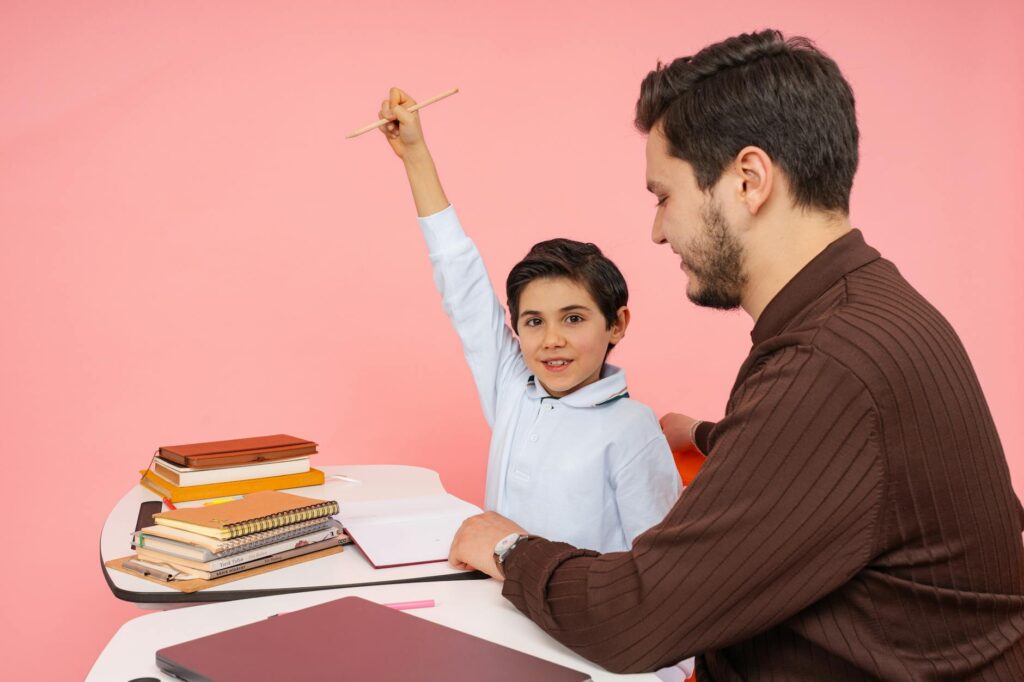
This guide covers everything about classroom au pair. At its core, a classroom au pair is designed to bridge the gap between a teacher’s extensive responsibilities and the diverse needs of every student in a modern classroom. Unlike an au pair who typically works in a home setting, or a general teacher aide who might handle broader administrative tasks, the classroom au pair is embedded within the daily flow of instruction and student interaction.
Last updated: May 1, 2026
This role emerged from a recognition that teachers often struggle with limited time for one-on-one student support, lesson preparation, and managing classroom dynamics. A classroom au pair steps in to alleviate these pressures. They are not instructors but facilitators, support personnel, and keen observers who contribute to a well-functioning educational space.
Example: Imagine a kindergarten class where the teacher is leading a reading circle. A classroom au pair might be circulating among smaller groups of students, helping them sound out words, providing visual aids, or managing a quiet activity for children who have finished early.
Insight: The effectiveness of a classroom au pair hinges on clear communication and defined responsibilities, ensuring they complement, rather than duplicate, the teacher’s role.
Core Responsibilities: What Does a Classroom Au Pair Do?
The specific duties of a classroom au pair are varied and can be tailored to the needs of the school, the grade level, and the teacher’s requirements. However, several key areas form the foundation of this role:
- Student Support: Providing one-on-one or small-group assistance to students who need extra help with assignments, understanding concepts, or behavioural guidance. This can include helping students with special educational needs (SEN).
- Instructional Assistance: Preparing classroom materials, setting up learning stations, organising supplies, and sometimes assisting the teacher in managing group activities or demonstrations.
- Classroom Management: Helping to maintain a positive and orderly classroom environment, monitoring student behaviour, and assisting the teacher in implementing classroom rules and routines.
- Logistical Support: Tasks such as supervising students during transitions (e.g., recess, lunch), assisting with classroom cleanup, and ensuring the physical space is conducive to learning.
- Observation and Feedback: Observing student progress and behaviour, and providing feedback to the lead teacher to help inform instructional strategies and interventions.
Example: In a bustling middle school science lab, a classroom au pair might assist students with setting up experiments, monitor safety protocols, and help clean equipment after a lesson, freeing the teacher to focus on guiding the scientific inquiry.
Insight: The most successful classroom au pairs are proactive, adaptable, and possess a genuine interest in child development and education.
Benefits for Teachers and Schools in 2026
The integration of classroom au pairs offers significant advantages for educational institutions and their staff. By offloading certain tasks and providing direct student support, these individuals allow teachers to focus on their core competencies: instructional planning, differentiated teaching, and fostering student growth.
For Teachers:
- Reduced Workload: Frees up valuable time for lesson planning, grading, and professional development.
- Enhanced Classroom Management: Assistance in managing student behaviour and classroom flow leads to a more productive learning environment.
- Deeper Student Insight: The au pair’s observations can provide valuable perspectives on individual student needs and progress.
- Improved Work-Life Balance: Reduced stress and workload can contribute to greater job satisfaction and reduced burnout.
For Schools:
- Increased Teacher Retention: Supportive environments with adequate staffing can lead to higher teacher retention rates.
- Improved Student Outcomes: More individualized attention can lead to better academic performance and social-emotional development.
- Operational Efficiency: simplifyd classroom operations and support can improve overall school efficiency.
- Cost-Effectiveness: Often a more cost-effective solution for providing additional support compared to hiring additional certified teachers for every need.
Example: A school district facing teacher shortages in early 2026 might implement a classroom au pair program to provide immediate support in elementary classrooms, ensuring continuity of education and adequate supervision.
Insight: Investing in well-trained classroom au pairs is an investment in both teacher well-being and student success.
Impact on Student Learning and Development
The presence of a classroom au pair can profoundly impact a student’s educational journey. With more adult attention available, students receive more personalized support, which is crucial for their academic and personal development. This individualized focus can address learning gaps more effectively and nurture individual talents.
Students who struggle academically can benefit from the patient, focused assistance a classroom au pair provides. For those who are shy or hesitant to ask questions in front of the whole class, the au pair offers a more accessible point of contact. This can boost confidence and encourage participation.
Also, classroom au pairs can assist in fostering a positive social environment. They can help mediate minor conflicts, encourage peer interaction, and support social-emotional learning initiatives. This creates a safer, more inclusive space where all students feel valued and supported.
Example: In a diverse classroom, a classroom au pair might work with English language learners, providing extra practice with vocabulary and conversational skills, accelerating their integration and learning pace.
Insight: The consistent, supportive presence of a classroom au pair can build crucial trusting relationships with students, positively influencing their overall school experience.
Classroom Au Pair vs. Teacher Aide vs. Traditional Au Pair
It’s essential to distinguish the classroom au pair role from similar positions to understand its unique value. While there are overlaps, the focus and operational context differ significantly.
Classroom Au Pair:
- Works directly within a school classroom setting.
- Focuses on supporting the lead teacher and directly assisting students with learning and classroom activities.
- Typically requires specific training or aptitude for working with children in an educational context.
Teacher Aide (or Classroom Assistant):
- Also works in a classroom, often under the direct supervision of a teacher.
- Duties can be broader, sometimes including administrative tasks, grading simple assignments, or managing resources across multiple classrooms.
- Qualifications may vary widely, from entry-level positions to those requiring specific certifications.
Traditional Au Pair:
- Works in a private home, providing childcare and light housekeeping.
- Primary responsibility is the care and supervision of children within the family unit.
- doesn’t typically have a role within a formal educational institution’s classroom environment.
Example: A family might hire a traditional au pair to care for their young children at home after school. The same children might later be supported in their elementary school classroom by a designated classroom au pair during the school day.
Insight: The classroom au pair’s specialised role within the school’s pedagogical framework distinguishes them from home-based childcare providers and more general school support staff.
Implementing a Classroom Au Pair Program: Key Considerations
For schools or districts considering hiring classroom au pairs, careful planning is crucial. This involves defining the role, establishing recruitment processes, and ensuring adequate training and support.
1. Define the Scope: Clearly outline the responsibilities, working hours, and the specific age groups or subjects the au pair will support. Ensure alignment with the school’s educational philosophy and existing staffing structure.
2. Recruitment and Selection: Develop a strong hiring process that assesses candidates’ suitability for working with children in an educational setting. Background checks are paramount, as is evaluating interpersonal skills, patience, and a genuine interest in education. Some programs might partner with organisations that specialise in placing au pairs or educational assistants.
3. Training and Professional Development: Provide complete training covering classroom management techniques, child development principles, school policies, and specific curriculum support strategies. Ongoing professional development opportunities are beneficial.
4. Collaboration and Supervision: Establish clear lines of communication and collaboration between classroom au pairs and lead teachers. The teacher should provide guidance and feedback, while the au pair should feel empowered to contribute. A designated supervisor (e.g., a principal, vice-principal, or department head) should oversee the program.
5. Legal and Ethical Considerations: Understand labour laws, insurance requirements, and data privacy regulations (like FERPA in the U.S.). Ensure all practices comply with national and local educational standards.
Example: The The 2026 Special Education Classroom: Design, Purpose, and Best Practices program at Oakwood Elementary School involved a rigorous vetting process for classroom au pairs, followed by a mandatory two-week training intensive covering child safety protocols and curriculum support before they were placed in classrooms.
Insight: A well-structured program with clear expectations and ongoing support fosters a positive experience for the au pair, the teacher, and the students.
Navigating Challenges and Finding Solutions
While the benefits are numerous, implementing and managing classroom au pair programs can present challenges. Proactive planning and a willingness to adapt are key to overcoming these hurdles.
Challenge: Defining Boundaries
Problem: The lines between a classroom au pair’s role and a teacher’s responsibilities can sometimes blur, leading to confusion or overstepping. This can occur if expectations aren’t clearly set from the outset.
Solution: Establish a detailed job description and conduct regular check-ins between teachers and au pairs to clarify roles, responsibilities, and boundaries. Ensure the teacher remains the primary instructional lead.
Challenge: Inadequate Training
Problem: A classroom au pair without proper training may struggle with classroom management, understanding student needs, or effectively supporting the curriculum, leading to frustration for all parties.
Solution: Invest in complete pre-service training and ongoing professional development. Partner with educational training providers to ensure au pairs are equipped with relevant pedagogical knowledge and practical skills.
Challenge: Lack of Integration
Problem: If not properly integrated into the school community, a classroom au pair might feel isolated or disconnected, impacting their morale and effectiveness. Teachers might also see them as external support rather than a team member.
Solution: Foster a sense of belonging by including classroom au pairs in staff meetings, professional development sessions, and school events. Encourage collaborative planning and communication between teachers and au pairs.
Challenge: Funding and Sustainability
Problem: Securing and sustaining funding for classroom au pair positions can be a barrier for some schools and districts, especially with fluctuating education budgets.
Solution: Explore various funding avenues, including grants, parent-teacher association (PTA) contributions, and federal or state educational support programs. Highlight the return on investment in terms of improved student outcomes and teacher retention to justify continued funding.
Insight: Addressing these challenges requires a commitment from school leadership to view classroom au pairs not just as support staff, but as integral members of the educational team.
Expert Insights: Maximizing the Classroom Au Pair Contribution
To truly harness the potential of classroom au pairs, consider these advanced strategies, drawing from observations in successful educational settings as of April 2026:
- Specialization by Grade Level: While a classroom au pair can work across various grades, specialising them in particular age groups (e.g., early elementary, middle school) allows them to develop deeper expertise in age-appropriate learning styles and developmental stages.
- Focus on Specific Student Needs: In schools with a high number of students requiring additional support (e.g., those with learning disabilities, ADHD, or gifted programs), a classroom au pair can be trained to provide targeted interventions under teacher supervision. This is more effective than a general support role.
- Technology Integration Support: As classrooms increasingly rely on digital tools, classroom au pairs can receive training to assist students with technology use, troubleshoot minor issues, and help teachers manage online learning platforms. This frees teachers from being the sole tech support.
- Mentorship and Career Pathways: For individuals aspiring to become teachers, the classroom au pair role can serve as a valuable entry point. Schools can develop mentorship programs where experienced teachers guide aspiring educators, potentially fostering future teaching talent.
- Data Collection for Intervention: Equip classroom au pairs with simple tools (digital or paper-based) to collect data on student engagement, task completion, or specific learning challenges. This information, when shared with the teacher, can be invaluable for designing effective interventions. For example, tracking how many times a student asks for help on a specific math concept can inform the teacher’s next lesson.
Unique Insight: One innovative approach observed in progressive schools involves rotating classroom au pairs through different subject-specific support roles for a week at a time. Classroom au pair allows them to gain exposure to diverse teaching methodologies and student challenges, enriching their experience and adaptability.
According to a report by the National Center for Education Statistics (NCES) in 2026, schools that successfully integrated specialised support staff like classroom au pairs reported higher levels of teacher job satisfaction and student engagement metrics. The report highlighted that the key differentiator was strong training and ongoing professional dialogue between teachers and support staff.
Example: The ‘Future Educators’ program at Maplewood School District assigns college students studying education as classroom au pairs. They receive a stipend and practical experience, while the district benefits from enthusiastic support. This program is supported by grants from the Department of Education’s ‘Teacher Pipeline Initiatives’.
Insight: Viewing the classroom au pair as a developmental role, both for the students they support and for the individuals filling the position, unlocks greater long-term value for the entire educational ecosystem.
Frequently Asked Questions About Classroom Au Pairs
What is the primary difference between a classroom au pair and a teacher aide?
While both support teachers, a classroom au pair is more deeply integrated into direct student interaction and instructional support within a specific classroom. A teacher aide’s role can be broader, sometimes encompassing administrative or logistical tasks across multiple areas.
Are classroom au pairs qualified teachers?
Typically, no. Classroom au pairs are support staff. They assist teachers but don’t hold teaching certifications or lead instruction independently. Their value lies in providing supplementary support to the certified teacher.
What are the typical salary expectations for a classroom au pair in 2026?
As of April 2026, salaries vary significantly by location, school district, and responsibilities. Entry-level positions might range from $25,000 to $35,000 annually, while those with more experience or specialised training could earn between $35,000 and $45,000. It’s best to check local salary data.
Can a classroom au pair handle disciplinary issues?
Classroom au pairs can assist the teacher in enforcing classroom rules and managing minor behavioural issues. However, significant disciplinary actions are typically handled by the lead teacher or school administration, following established school policies.
What qualifications are usually required for a classroom au pair?
Requirements vary, but most positions seek a secondary school diploma or equivalent. Some roles may prefer or require college coursework in education, early childhood development, or a related field, along with strong communication and interpersonal skills.
How does a classroom au pair contribute to a positive learning environment?
By providing extra attention to students, managing classroom tasks efficiently, and supporting the teacher’s instructional goals, they help create a more organised, engaging, and supportive atmosphere where students can thrive academically and socially.
Conclusion: Enhancing Education with Dedicated Support
The classroom au pair role represents a vital addition to the modern educational support structure. By providing direct, in-class assistance, they empower teachers, enhance student learning experiences, and contribute to more efficient school operations. As educational environments continue to evolve in 2026, the strategic deployment of classroom au pairs offers a tangible solution for addressing the complex demands placed on educators and students alike.
Actionable Takeaway: Schools and districts should proactively explore the benefits and implementation strategies for integrating classroom au pairs to foster more supportive and effective learning environments.
Source: edX
Editorial Note: This article was researched and written by the Class Room Centre editorial team. We fact-check our content and update it regularly. For questions or corrections, contact us. Knowing how to address classroom au pair early makes the rest of your plan easier to keep on track.


