xibility, allowing educators to reconfigure learning zones quickly.
April 30, 2026
David Jason
2026 Classroom Storage Solutions: Maximizing Space and Efficiency
classroom design, classroom management, organization, school supplies, teaching resources
Optimising Layouts with Smart Storage Furniture
This guide covers everything about classroom storage. The physical layout of a classroom profoundly impacts its functionality, and smart storage furniture is key to this optimization. Beyond simple cabinets, consider pieces that serve dual purposes, such as storage benches for seating, mobile carts that act as mobile teaching stations, or tiered shelving units that define different learning zones. These elements not only house materials but actively contribute to the flow and purpose of the space.
For instance, a dedicated reading nook might feature low, accessible cubbies for book storage, allowing young students to independently select and return their reading materials. This promotes autonomy and reduces teacher intervention for simple tasks. According to a study published in the Journal of Educational Design (2025), classrooms utilising multi-functional furniture reported a 15% increase in student-led activity.
using Vertical Space: Beyond Basic Shelving
In 2026, classrooms often contend with limited floor space. Maximizing vertical real estate is therefore paramount. This involves more than just installing wall-mounted shelves. Think about tiered systems, hanging organizers, magnetic boards with integrated shelves, and even ceiling-mounted storage solutions where appropriate and safe.
Consider a science classroom needing to store delicate equipment. Instead of bulky floor cabinets, wall-mounted, lockable display cases with adjustable shelves can showcase specimens while keeping them secure and accessible. This approach frees up valuable floor space for experiment stations. The National Association of Science Educators (NASE) recommends utilising at least 60% of available vertical wall space for storage in labs to maintain open work areas.
The Power of Clear and Labeled Containers
One of the most significant organizational breakthroughs for any classroom is the consistent use of clear, labeled containers. This simple strategy combats the ‘out of sight, out of mind’ problem, allowing students and teachers to quickly identify contents without rummaging. This visual cueing is especially effective for younger learners.
Imagine an art supply station. Instead of opaque bins filled with crayons, markers, and glue sticks, using clear, stackable containers labeled with both text and corresponding icons (e.g., a crayon icon on the crayon bin) allows students to self-select materials. This reduces classroom disruption and fosters a sense of responsibility. User reviews for popular brands like Sterilite and Really Useful Boxes consistently highlight the benefit of clear construction for quick identification.
Mobile Storage Units: Flexibility in Motion
The modern classroom is dynamic, and so should its storage solutions be. Mobile storage units—whether small caddies, rolling carts, or larger mobile cabinets—offer unparalleled flexibility. They allow educators to quickly reconfigure the learning space, bringing materials to where they are needed most, whether for a small group activity or a whole-class demonstration.
A teacher might use a rolling cart stocked with math manipulatives to move between different student tables during a lesson. After the lesson, the cart can be easily wheeled away to a designated storage area. According to the International Journal of Learning Spaces (2024), classrooms that incorporated mobile storage solutions saw a 20% improvement in flexible learning setup times.
Digital Integration and Smart Storage
As technology becomes more integrated into classrooms, storage needs to evolve. This includes dedicated charging stations for tablets and laptops, secure storage for sensitive devices, and organised spaces for charging cables and accessories. In 2026, smart storage solutions might even incorporate RFID tagging or digital inventory systems for high-value equipment.
A common challenge is managing a fleet of classroom tablets. A specialised charging cart, often with individual locking compartments and built-in power strips, addresses this need efficiently. This prevents cable tangles and ensures devices are ready for use. Companies like Luxor and Bretford offer strong charging solutions tailored for educational environments.
Creating Dedicated Zones for Different Needs
Effective classroom storage often involves creating distinct zones for specific purposes. This might include a ‘maker space’ with bins for craft supplies, a ‘reading corner’ with book bins, a ‘math manipulatives station’ with trays, or a ‘teacher resource area’ for planning materials. These zones help delineate activities and keep related items together.
In a K-2 classroom, for example, a literacy centre could have bins for sight word cards, phonics games, and writing journals, all within easy reach of a designated rug area. This visual and physical separation makes it easier for students to understand where to find and return specific learning tools. The strategic placement of these zones, informed by storage needs, can simplify classroom operations.
Teacher-Specific Storage: Streamlining the Workload
While student access is crucial, efficient teacher storage is equally important for managing lesson plans, grading, supplies, and personal items. Dedicated teacher desks with built-in drawers, wall-mounted file organizers, and locked cabinets for sensitive materials are essential components.
A teacher might use a rolling file cabinet to keep current lesson plans, student work samples, and grading rubrics organised and mobile. Classroom storage allows them to work efficiently at different stations or at home if needed. According to educator surveys, effective teacher storage can save up to 30 minutes per day previously spent searching for materials.
Student Cubbies and Personal Storage Solutions
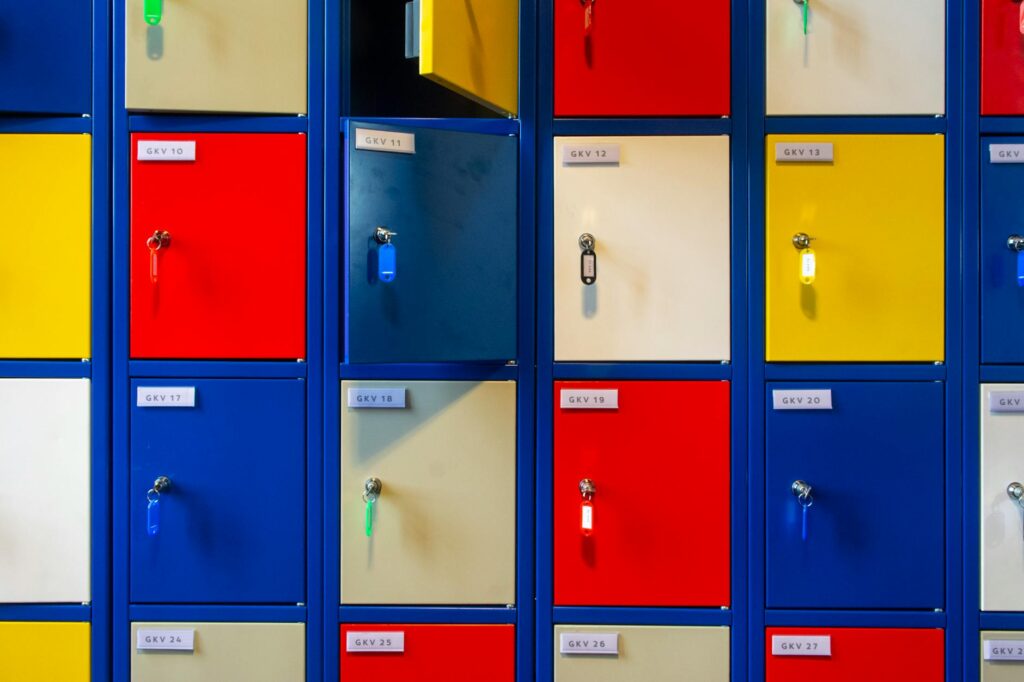
For older students, personal storage is often a necessity. Cubbies, lockers, or individual bins provide students with a designated space for backpacks, coats, lunch boxes, and personal supplies, reducing clutter on desks and floors. This fosters a sense of ownership and responsibility for their belongings.
In a middle school or secondary school setting, individual lockers are standard. However, in elementary or flexible learning environments, custom-built cubby systems or even large, labeled bins assigned to each student can serve the same purpose effectively. These solutions are critical for maintaining order and ensuring students can readily access their personal items.
Real-World Classroom Storage Examples in Action
Consider Mrs. Davis’s 4th-grade classroom in Spring 2026. Her room was notoriously small, but she transformed it using a tiered approach to classroom storage. She mounted magnetic whiteboards with integrated narrow shelves for markers and rulers along one wall. Below this, she installed a series of low, wide shelving units filled with clear, labeled bins for subjects like ‘Math,’ ‘Science,’ and ‘Social Studies.’ Each bin contained specific manipulatives, worksheets, and reference materials.
For flexible activities, she employed two rolling carts: one for art supplies, the other for technology accessories (chargers, headphones). Her reading corner featured a comfortable bench with a lift-up lid for blanket storage, surrounded by attractive, accessible book bins. This multi-faceted approach meant that while her physical footprint was small, her organizational capacity was significantly enhanced, allowing for diverse learning activities without overwhelming clutter. This setup, implemented in April 2026, has reportedly reduced transition times between subjects by an estimated 10-15%.
Another example is Mr. Chen’s secondary school biology lab. To maximise space for experiments, he replaced bulky floor cabinets with tall, narrow, wall-mounted cabinets featuring glass doors and adjustable shelves for chemicals and specimens. He also used a mobile workbench on heavy-duty casters for dissection activities, which could be easily moved and cleaned. A dedicated charging station cart for microscopes and digital probes kept equipment organised and powered.
Common Classroom Storage Mistakes and How to Avoid Them
Mistake 1: Over-Reliance on Opaque Containers. While aesthetically pleasing, opaque bins hide contents, leading to students and teachers pulling out multiple items to find what they need. Solution: Prioritise clear containers and use labels for easy identification. If opaque containers are necessary for aesthetic reasons, ensure they are meticulously labeled.
Mistake 2: Neglecting Vertical Space. Many classrooms are filled with items piled on desks or the floor, ignoring the potential of walls. Solution: Install shelves, pegboards, or wall-mounted organizers to use vertical space effectively. Always ensure secure installation.
Mistake 3: Storing Everything, Everywhere. Without designated zones, materials get scattered, making retrieval inefficient. Solution: Create specific zones for different subjects or activity types (e.g., art, math, reading). Store related items within their designated zones.
Mistake 4: Forgetting Teacher Needs. Focusing solely on student access can leave teachers struggling with their own organizational needs. Solution: Allocate dedicated, well-organised spaces for teacher materials, lesson plans, and grading supplies.
Mistake 5: Using Non-Durable or Unsafe Storage. Cheap, flimsy storage can break, leading to messes and potential hazards. Solution: Invest in durable, age-appropriate storage solutions from reputable manufacturers. Check weight capacities and safety features.
Expert Tips for Next-Level Classroom Organisation
Embrace the ‘One In, One Out’ Rule: When new supplies arrive, evaluate existing ones. If a new set of markers comes in, the old, dried-out set should be discarded. This prevents accumulation.
Regular Audits and Decluttering: Schedule brief decluttering sessions at the end of each week or month. This prevents small piles from becoming overwhelming messes. According to organizational consultant Maria Kondo’s principles, as applied to the classroom, regular tidying maintains order. Her methods emphasize keeping only items that ‘spark joy’ or serve a clear purpose.
Involve Students in Organisation: Teach students how to properly store materials. Assigning responsibility for tidying specific areas can build valuable life skills and reduce the teacher’s burden. This is a key aspect of fostering student agency, a trend gaining traction in educational circles as of 2026.
Use Drawer Dividers and Inserts: For drawers in desks or cabinets, dividers are major shifts. They keep small items like pencils, erasers, paper clips, and batteries sorted and easily accessible. Many affordable options are available from brands like IKEA and The Container Store.
Create a ‘Landing Zone’ for New Materials: Designate a specific spot—perhaps a bin or a shelf—for new supplies, donations, or items that need to be processed. This keeps them contained until they can be properly sorted and put away, preventing them from cluttering main work areas.
Frequently Asked Questions about Classroom Storage
How can I improve classroom storage on a tight budget?
Repurpose common household items like shoe boxes, cereal containers, or plastic food containers for small items. Look for used furniture from thrift stores or school surplus sales. Use bulletin boards and pegboards creatively for wall storage. Regular donation drives can also supply needed bins and organizers.
What is the best way to store manipulatives?
Clear, stackable bins are ideal for easy identification. Use drawer dividers for smaller items like pattern blocks or counters. For larger sets, consider dedicated bins with clear labels, possibly with pictures for younger students. Rolling carts can keep math stations organised and mobile.
How do I organise classroom supplies for easy student access?
Use clear, labeled bins on accessible shelves. Group similar items together (e.g., all writing tools in one bin, all glue sticks in another). Teach students the system and establish routines for retrieval and return. Visual labels with images are excellent for younger learners.
What are some effective classroom storage ideas for small spaces?
Maximise vertical space with wall shelves and hanging organizers. Opt for multi-functional furniture like storage ottomans or benches. Use rolling carts that can be stored away. Consider under-desk storage solutions or door-mounted organizers to use every inch of available space.
How can I store art supplies efficiently?
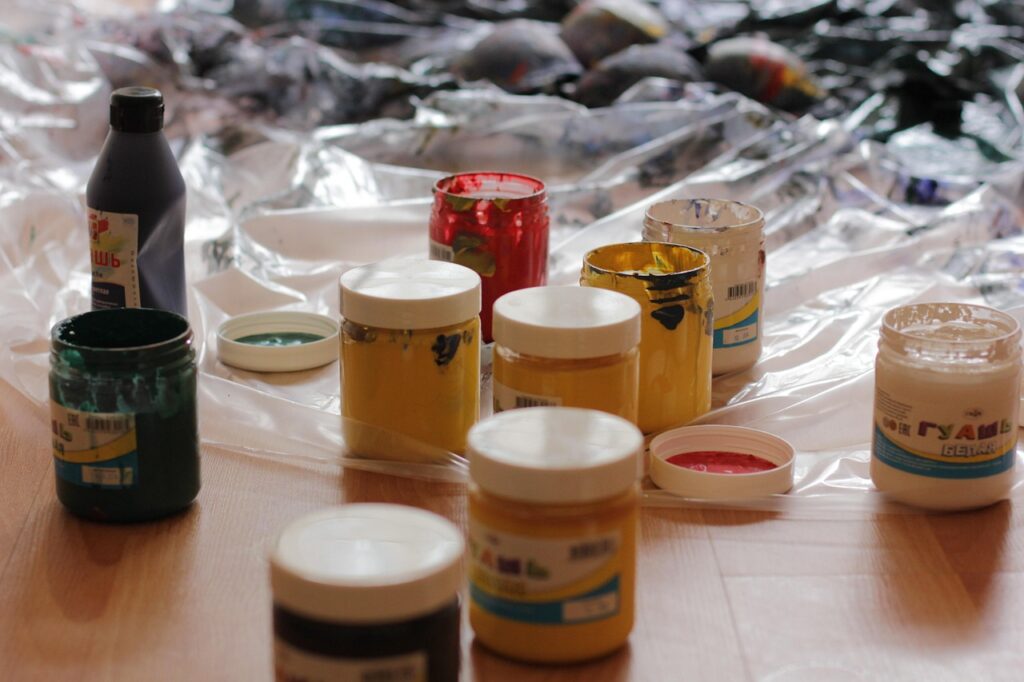
Use compartmentalized trays for crayons, markers, and coloured pencils. Store paints and brushes in easy-to-clean bins. Hanging organizers can hold paper, construction paper, and craft supplies. A rolling cart can consolidate all art materials, making cleanup and distribution simple.
When should teachers update their classroom storage systems?
Storage systems should be reviewed and updated at least annually, ideally during summer breaks. Check for wear and tear, assess if the current system meets the evolving needs of the curriculum and student population, and declutter any unused or broken items. As of April 2026, many educators are finding systems need adjustments every semester.
Conclusion
Mastering classroom storage in 2026 is about creating an environment that supports efficient teaching and active learning. By integrating smart furniture, maximizing vertical space, employing clear labeling, and embracing mobile solutions, educators can transform their classrooms into highly functional and engaging learning hubs. The key is to approach storage not as an afterthought, but as a critical component of effective pedagogical design.
Actionable Takeaway: Audit your current classroom storage this week and identify one area to implement a new strategy—whether it’s adding clear bins, labeling shelves, or exploring a mobile unit—to immediately improve organisation and accessibility.
Source: edX
Editorial Note: This article was researched and written by the Class Room Centre editorial team. We fact-check our content and update it regularly. For questions or corrections, contact us.