
This guide covers everything about best teaching strategies for kindergarten. The first few years of a child’s education lay the foundation for all future learning. As of May 2026, effective teaching strategies for kindergarten are more crucial than ever, focuusing on engagement, complete development, and preparing young minds for a dynamic world. This guide explores the best approaches for UK educators, blending established best practices with current pedagogical insights.
Key Takeaways
- Prioritise play-based learning for complete development and engagement.
- Differentiate instruction to meet the diverse needs of all kindergarteners.
- Foster a positive and stimulating classroom environment that encourages exploration.
- Integrate early literacy and numeracy skills through creative, hands-on methods.
- Emphasise strong classroom management rooted in positive reinforcement and clear expectations.
Creating an Engaging Kindergarten Learning Environment
A key factor in successful early years teaching is the classroom environment itself. It needs to be a space that sparks curiosity and encourages children to explore, experiment, and learn. For UK schools adhering to the Early Years Foundation Stage (EYFS) framework, this means designing spaces that cater to the seven areas of learning, promoting both indoor and outdoor exploration.
Think of a classroom that features distinct zones: a cozy reading corner with soft furnishings, a creative arts area with accessible materials, a construction zone with building blocks, and a sensory play area. The EYFS statutory framework, updated in recent years, continues to stress the importance of enabling environments that respond to children’s interests and developmental needs.
The Power of Play-Based Learning
Play is not merely an activity for young children; it’s their primary mode of learning. Effective kindergarten teaching strategies heavily incorporate play-based learning, allowing children to learn through exploration, experimentation, and problem-solving in a natural, enjoyable way. This approach aligns perfectly with the EYFS principles, which advocate for learning through play.
Consider a math lesson disguised as a shop role-play. Children can use play money to ‘buy’ and ‘sell’ items, practicing counting, simple addition, and subtraction. Similarly, building a den can involve problem-solving, teamwork, and understanding spatial relationships, weaving in elements of science and design and technology.
Information Gain: Research by the Education Endowment Foundation (EEF) consistently highlights the impact of high-quality play-based learning, particularly for disadvantaged pupils. Their guidance for early years suggests that well-planned, teacher-led play activities can significantly boost attainment in literacy and math.
Differentiated Instruction: Meeting Every Child’s Needs
Kindergarten classrooms are wonderfully diverse, with children entering with a wide range of prior experiences, abilities, and learning styles. Implementing differentiated instruction is therefore a cornerstone of the best teaching strategies for kindergarten. This means tailoring teaching methods, activities, and assessments to meet each child’s unique needs.
For example, during a phonics session, some children may be ready to blend sounds to read simple words, while others might still be working on recognising individual letter sounds. A differentiated approach might involve providing pre-sounded words with picture cues for those struggling, alongside more complex word-building tasks for advanced learners. This ensures no child is left behind or held back.
Effective Classroom Management in Early Years
A well-managed kindergarten classroom is a calm, organised, and predictable environment where children feel safe and supported. Effective classroom management strategies are not about strict discipline but about fostering positive behaviour, mutual respect, and a shared understanding of expectations. This is particularly important in the UK, where schools often follow guidance from bodies like Ousted, which inspects behaviour and attitudes.
Positive reinforcement is key. Instead of focusing solely on negative behaviours, acknowledge and praise children when they demonstrate desired actions – sharing, tidying up, listening attentively. Clear, simple rules, consistently applied, help children understand boundaries. For instance, establishing a ‘talking stick’ for group discussions ensures only one person speaks at a time.
Information Gain: According to the National Centre for Excellence in the Teaching of Mathematics (NCETM), early mathematical development can be significantly enhanced by a positive and supportive classroom climate. Their resources often suggest strategies for fostering a growth mindset around math, encouraging perseverance even when tasks are challenging.
Integrating Early Literacy and Numeracy
Developing strong foundational skills in literacy and numeracy is paramount in kindergarten. The best teaching strategies embed these skills naturally within engaging activities, making learning feel less like a chore and more like an adventure. The National Curriculum for England outlines expectations for early literacy and numeracy, guiding teachers on progression.
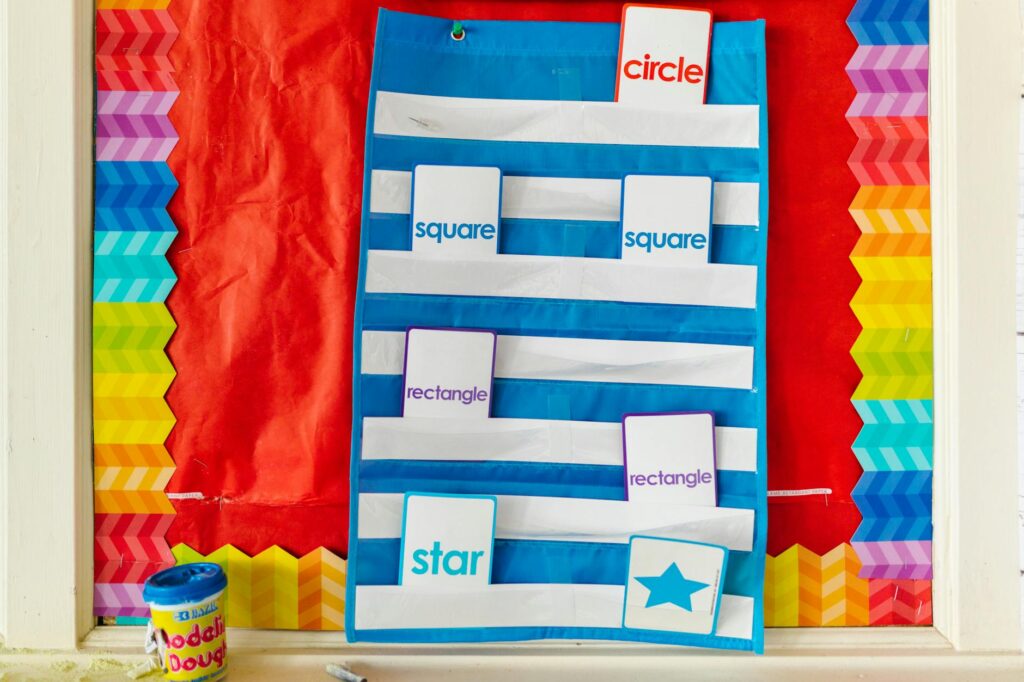
For early literacy, this could involve daily read-aloud sessions, introducing phonics through songs and games, and providing opportunities for mark-making and emergent writing. For numeracy, it might include counting activities during snack time, measuring during play, and exploring shapes in the environment. A ‘number hunt’ in the classroom, where children find objects corresponding to a given number, is a simple yet effective activity.
The Role of Assessment in Kindergarten
Assessment in kindergarten is primarily observational and ongoing, rather than formal testing. Teachers use a variety of methods to gauge children’s progress across all areas of learning, as outlined in the EYFS framework. This includes anecdotal notes, learning journals, and photographic evidence of children’s work and play.
The goal is to understand each child’s developmental trajectory, identify any emerging needs (including Special Educational Needs and Disabilities – SEND), and inform future planning. For example, observing a child consistently struggling to share resources might indicate a need for targeted social skills support, which can then be planned for. This formative assessment ensures teaching remains responsive and child-centred.
Information Gain: The EEF’s guidance on SEND in early years highlights the importance of early identification and targeted intervention. Their reports suggest that effective assessment practices are the bedrock of providing timely support to pupils who need it most.
Fostering Parental and Carer Engagement
Effective partnerships between schools and families are vital for a child’s success in kindergarten and beyond. The best teaching strategies for kindergarten involve actively engaging parents and carers as partners in their child’s education. This can create a supportive ecosystem that reinforces learning at home and school.
Regular communication through newsletters, parent-teacher meetings, and informal chats during drop-off and pick-up times are essential. Inviting parents to special classroom events, sharing learning journey updates, or even involving them in specific classroom activities can build strong relationships. For instance, a ‘show and tell’ where children bring an item from home that represents something they’ve learned can be a fantastic way to involve families.
using Technology Appropriately
Technology can be a powerful tool when used thoughtfully in kindergarten. The focus should always be on enhancing learning experiences, not replacing essential hands-on activities. As of 2026, interactive whiteboards, educational apps, and digital storytelling tools are common in UK primary schools, but their use needs careful consideration.
Educational apps can offer engaging ways to practice early literacy and numeracy skills, such as phonics games or shape-sorting activities. Interactive whiteboards can be used for group storytelling, displaying visual aids, or facilitating collaborative drawing. However, it’s crucial to balance screen time with ample opportunities for physical play, social interaction, and sensory exploration, as recommended by child development experts.
Information Gain: According to the UK’s Department for Education (DfE) guidance on early years technology use, digital resources should support, not dominate, the curriculum. The emphasis remains on child-led exploration and teacher interaction, with technology serving as an additional tool.
Addressing Common Challenges in Kindergarten Teaching
Even with the best strategies, challenges are inevitable. One common issue is managing transitions between activities. A predictable routine, visual timetables, and transition songs can help children adjust smoothly. Another challenge is catering to a wide range of abilities, which is addressed through differentiation. Behavioural issues, though often stemming from unmet needs or communication difficulties, can be managed with consistent positive reinforcement and clear expectations.
Frequently Asked Questions
What is the most important strategy for kindergarten?
Play-based learning is widely considered the most important strategy for kindergarten as it naturally supports complete child development, engagement, and the acquisition of essential skills through exploration and enjoyment.
How can I make my kindergarten lessons more engaging?
Engage children by incorporating hands-on activities, multisensory experiences, relevant themes, and opportunities for choice and movement. Integrating real-world connections and allowing for child-led exploration are also highly effective.
What are the key EYFS teaching approaches for kindergarten?
Key EYFS approaches include learning through play, enabling environments, strong partnerships with parents, observation-based assessment, and a focus on the seven areas of learning and development, ensuring a complete approach to early childhood education.
How do I manage behaviour effectively in a kindergarten classroom?
Effective behaviour management relies on establishing clear, consistent expectations, using positive reinforcement to encourage desired actions, and understanding the root causes of challenging behaviours. Building positive relationships is fundamental.
What role does technology play in kindergarten teaching in 2026?
Technology in 2026 should be a supplementary tool, used judiciously to enhance learning experiences through interactive apps, digital storytelling, or visual aids, always balancing screen time with essential hands-on, social, and physical activities.
What are some good kindergarten math activities?
Effective math activities include counting games, shape hunts, measuring during play, using manipulatives like blocks for addition/subtraction, and simple data collection through classroom surveys.
The best teaching strategies for kindergarten in 2026 are those that are child-centred, play-based, and responsive to individual needs. By creating an engaging environment, differentiating instruction, managing the classroom positively, and fostering strong home-school links, UK educators can provide a rich and effective learning experience for every young learner.
Last reviewed: May 2026. Information current as of publication; pricing and product details may change.
Editorial Note: This article was researched and written by the Class Room Centre editorial team. We fact-check our content and update it regularly. For questions or corrections, contact us. Knowing how to address best teaching strategies for kindergarten early makes the rest of your plan easier to keep on track.
Related read: Classroom Screens: Your 2026 Guide to the Best Display Solutions.
Related read: Top Classroom Reward System Ideas for 2026: Motivate & Engage.


