
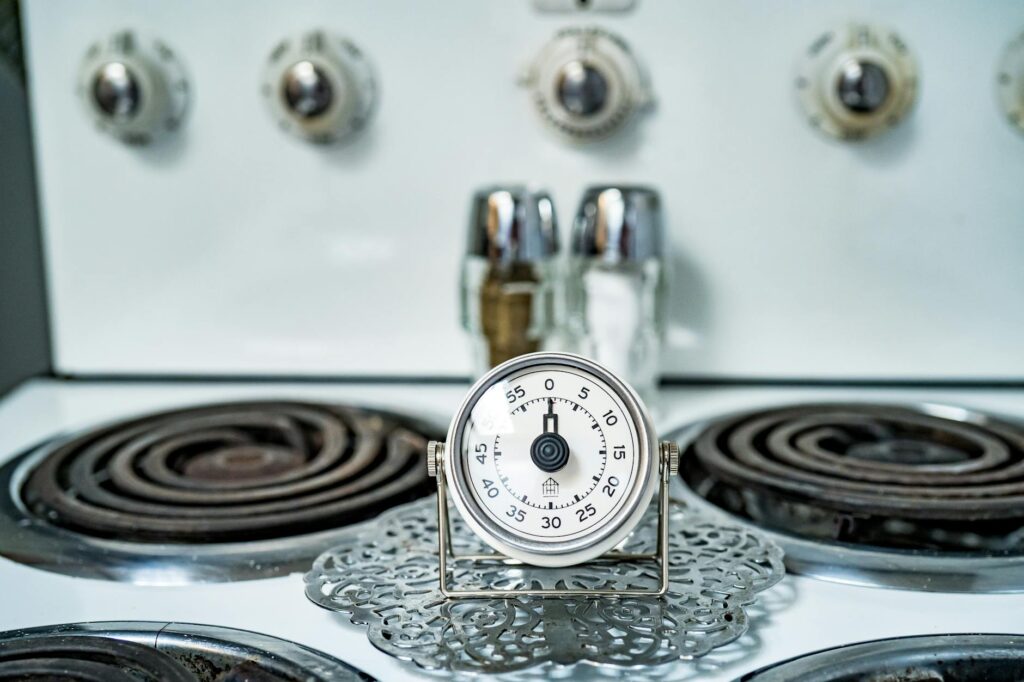
This guide covers everything about classroom timer. The first thing worth saying about classroom timers is their profound impact on how a lesson unfolds. As of May 2026, these seemingly simple devices are more crucial than ever for educators in the UK aiming to maximise learning time and maintain pupil engagement. Beyond just counting down minutes, a well-chosen classroom timer can transform your teaching practice, offering structure, encouraging independence, and even fostering a sense of urgency when needed.
Last updated: May 8, 2026
But with so many options available, from vibrant visual aids for younger learners to sophisticated digital displays for older pupils, how do you select the one that offers the best value for your school‘s budget? We’ll explore the features, costs, and practical benefits of incorporating a classroom timer into your daily routine.
Classroom timer: Why Every Classroom Needs a Timer in 2026
Effective time management is a cornerstone of successful teaching. A classroom timer acts as a silent partner, helping educators to keep lessons on track, manage transitions smoothly, and ensure all curriculum objectives are met within the allocated time. For pupils, it provides a clear visual or auditory cue of how much time is left for an activity, promoting focus and reducing anxiety about the unknown.
This is particularly true for pupils with special educational needs (SEN), where predictable routines and clear temporal boundaries can significantly improve their ability to engage and participate. According to the Education Endowment Foundation (EEF), strategies that improve self-regulation, such as using visual aids for time, can have a positive impact on learning outcomes.
Beyond academic benefits, timers can also influence classroom behaviour. By setting clear expectations for task duration, you can reduce instances of pupils dawdling or becoming restless. This simple tool supports independent learning, as pupils can learn to monitor their own progress against the timer.
Types of Classroom Timers: Features and Costs
When considering a classroom timer, you’ll encounter several main types, each with distinct advantages and price points. Understanding these differences is key to making a cost-effective purchase.
Visual Timers
These timers typically use a coloured disc or bar that gradually disappears as time elapses, providing an intuitive representation of time passing. They are excellent for younger children or pupils who struggle with abstract numerical concepts. Many models are silent, ideal for quiet work periods.
- Pros: Highly intuitive for young learners, reduces anxiety, often silent.
- Cons: Limited precision for exact timings, can be less engaging for older pupils.
- Typical Cost: £15 – £40.
Digital Countdown Timers
These are the most common type, featuring a clear digital display showing numbers counting down. They often come with multiple memory settings for frequently used durations and can have audible alarms. Magnetic backs are common, allowing them to be attached to whiteboards or metal surfaces.
- Pros: Precise timing, versatile for all age groups, audible alarms available.
- Cons: Relies on numerical understanding, alarms can be disruptive if not managed.
- Typical Cost: £20 – £60.
Interactive Timers
Some modern timers integrate with interactive whiteboards or tablets, offering more dynamic display options, customizable sounds, and even gamified elements. These are typically at the higher end of the price spectrum but can offer significant engagement opportunities.
- Pros: Highly engaging, customizable, can sync with other classroom technology.
- Cons: Most expensive option, requires compatible hardware, can be complex to set up.
- Typical Cost: £70 – £150+.
For many UK schools, a strong digital countdown timer offers the best balance of features, usability, and cost, making it a popular choice for a wide range of classroom needs.
Making the Smart Choice: A Buying Guide for UK Educators
As of May 2026, procurement decisions in schools often involve balancing immediate needs with long-term value. When selecting a classroom timer, consider these practical factors:
Screen Size and Visibility
Ensure the display is large and clear enough for all pupils to see from their seats. For larger classrooms, a timer with a bigger screen or a model that can be projected onto an interactive whiteboard is advisable. Consider the ambient light in your classroom; some screens are more prone to glare.
Auditory vs. Silent Alerts
Decide whether you need an audible alarm. For transitions or timed tasks where a sound cue is helpful, a timer with adjustable volume is ideal. However, for quiet study periods or when working with SEN pupils who may be sensitive to loud noises, a silent visual timer is far superior.
Durability and Build Quality
Classroom environments can be demanding. Look for timers made from sturdy materials that can withstand accidental knocks or frequent handling. A unit with a protective casing or a solid build will last longer, offering better value over time. Check for reviews specifically mentioning durability.
Ease of Use
The timer should be simple for teachers to set up and operate quickly during a busy lesson. For older pupils who might use it for independent work, it should also be intuitive enough for them to manage. Avoid overly complicated interfaces or numerous small buttons.
Power Source
Most digital timers run on batteries (usually AA or AAA) or have a USB rechargeable option. Battery-powered units offer flexibility in placement, but you’ll need to keep spares on hand. Rechargeable timers can be more economical and eco-friendly in the long run.
Cost vs. Value: A Practical Approach
While it’s tempting to opt for the cheapest available timer, consider the long-term value. A slightly more expensive, durable timer with a clear display and reliable function will serve your classroom better than a budget option that breaks within a term. For instance, a well-reviewed magnetic digital timer costing around £30 might offer superior functionality and longevity compared to a £10 model.
Practical Applications: Timers in Action
The versatility of a classroom timer extends far beyond simply telling time. Here are a few ways educators are using them:
Managing Lesson Segments
Break down a lesson into timed chunks: e.g., 10 minutes for introduction, 20 minutes for activity A, 15 minutes for activity B, 5 minutes for conclusion. This structured approach ensures all parts of the lesson receive adequate attention.
Facilitating Group Work
Assign specific time limits for group tasks. This encourages collaboration and efficiency, ensuring that all groups complete their work within a similar timeframe, making feedback easier to manage.
Promoting Independent Study
Encourage pupils to use timers for independent reading or problem-solving sessions. This helps them develop a sense of personal responsibility for their learning pace and time allocation.
Transition Management
Use a visual timer to signal upcoming transitions (e.g., “5 minutes until tidy-up time”). Classroom timer provides pupils with advance notice, making the shift between activities smoother and less disruptive.
Behavioural Support
For pupils who struggle with executive functions, a timer can be a powerful tool. It provides a concrete external cue for when a task will end, reducing anxiety and improving focus during challenging activities.
Common Pitfalls to Avoid When Buying and Using Timers
Even with the best intentions, educators can encounter issues. Here are common mistakes to sidestep:
Mistake 1: Overpaying for Unnecessary Features
The allure of interactive timers with app connectivity is strong, but do you truly need it? For most classrooms, a reliable digital timer with a clear display and a simple alarm is sufficient. Assess your actual needs versus the latest tech trends. A premium £150 timer might offer marginal benefits over a £40 model for your specific context.
Mistake 2: Choosing a Timer Too Small or Too Faint
A timer that can’t be seen by most pupils is ineffective. Always consider the size of your classroom and the seating arrangements. What looks good on a small desk might be invisible from the back row. Opt for models specifically marketed as “large display” or “classroom” timers.
Mistake 3: Relying Solely on Auditory Alarms
While useful, loud alarms can be jarring, especially in SEN settings or during sensitive activities. A timer with both visual and auditory cues, or a silent visual-only option, offers greater flexibility. Consider models with adjustable volume or vibration alerts.
Mistake 4: Forgetting About Durability
Purchasing a timer that feels flimsy or has small, delicate buttons is a false economy. It’s likely to break quickly with regular classroom use. Prioritise strong construction and simple, tactile controls for longevity.
Expert Tips for Maximizing Timer Value
To get the most out of your classroom timer investment in 2026 and beyond:
- Involve Pupils: Let older pupils set the timers for activities. This fosters responsibility and ownership.
- Consistent Use: Integrate timers into your daily routine so they become a familiar part of classroom practice, not an occasional gimmick.
- Visualisation is Key: For younger children, physically point to the timer and explain what the disappearing colour or numbers mean.
- Consider Multi-Packs: If your budget allows, purchasing a couple of timers can be useful – one for the main teaching area, another for a specific station or small group work.
- Explore Rechargeable Options: While batteries are convenient, rechargeable timers reduce ongoing costs and waste. Ensure it has a long battery life or charges quickly.
The Department for Education (DfE) encourages schools to adopt efficient resource management strategies. A well-chosen classroom timer, costing perhaps £30-£50, is a prime example of an affordable tool that can significantly enhance efficiency and learning outcomes across the school.
Frequently Asked Questions
What’s the main benefit of using a classroom timer?
The primary benefit is improved time management. Timers help keep lessons on schedule, manage transitions smoothly, and foster pupil focus by providing clear time boundaries.
Are there specific timers recommended for KS2 pupils?
For Key Stage 2, digital countdown timers with clear displays and audible alarms are often ideal. Look for models that allow programming of common durations for quick setup during busy lessons.
How do I choose a timer for autistic pupils?
Visual timers with a clear, disappearing disc are excellent. Ensure they are silent or have very gentle, non-startling alarms. Predictability is key, so a timer that reliably shows time elapsing is best.
Can timers help with homework completion?
Yes, pupils can use timers at home to manage their homework sessions. Setting specific times for each subject encourages focused work and helps them gauge how long tasks should take.
What is a ‘time timer’?
A ‘Time Timer’ is a specific brand of visual timer known for its red disc that disappears as time passes. It’s a popular and effective model for demonstrating time duration to children.
How many timers does a typical classroom need?
Most classrooms benefit from at least one central, highly visible timer. A second smaller timer for a learning station or individual use can be advantageous, especially in larger or more complex learning environments.
In essence, a classroom timer is a small investment that yields significant returns in terms of structure, focus, and efficiency. By carefully considering the needs of your pupils and your budget, you can select a tool that truly enhances your teaching practice throughout 2026 and beyond.
Last reviewed: May 2026. Information current as of publication; pricing and product details may change.
Source: Britannica
Related Articles
- KS2 SATs Revision Tips 2026: A 16-Week Parent Plan
- The Right Hand Rule: Your 2026 Guide to Magnetism
- Free Online Learning Games: Boost Engagement 2026
Editorial Note: This article was researched and written by the Class Room Centre editorial team. We fact-check our content and update it regularly. For questions or corrections, contact us. Knowing how to address classroom timer early makes the rest of your plan easier to keep on track.
Related read: Unblocked Games Classroom: Safer Play in 2026.
Related read: Top Classroom Reward System Ideas for 2026: Motivate & Engage.