
progress. For instance, a child might be developing fine motor skills through drawing activities, which is a precursor to handwriting learned in primary school.
Last updated: May 9, 2026
Uk education system levels: Primary Education: Key Stages 1 and 2
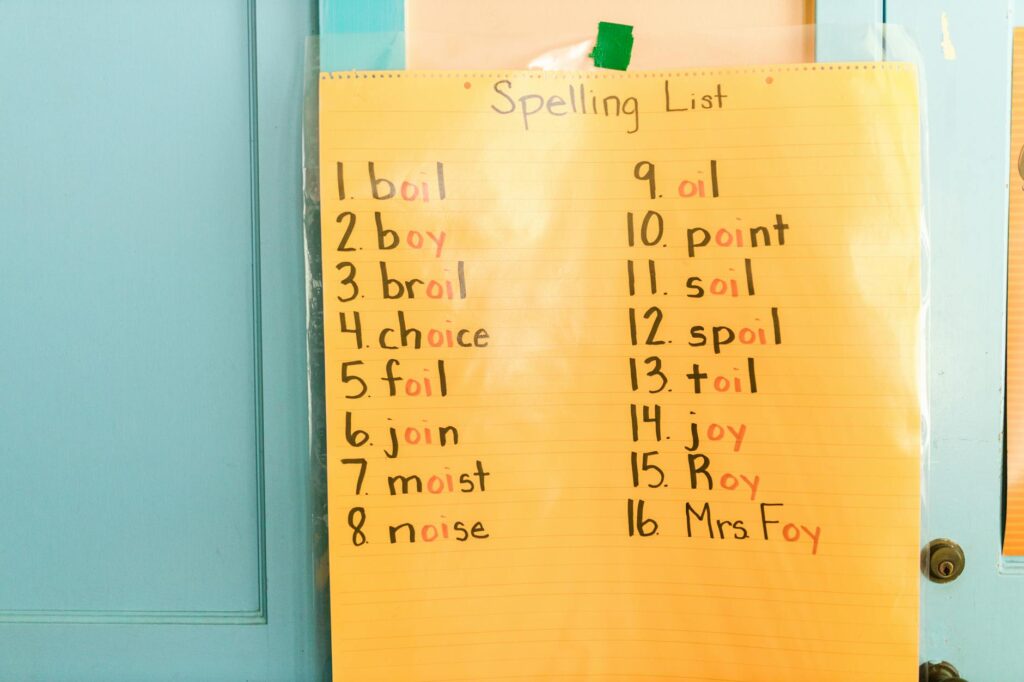
Primary education typically begins at age 4 or 5 with reception class, followed by Year 1 and Year 2, which constitute Key Stage 1 (KS1). This stage, for children aged 5-7, introduces formal schooling, focusing on core subjects like English, mathematics, and science, guided by the National Curriculum. Phonics screening checks are common at the end of Year 1 to assess reading ability.
Following KS1, children move into Key Stage 2 (KS2), spanning Years 3 to 6, for ages 7-11. This stage deepens the curriculum, introducing more subjects such as history, geography, art, music, and physical education. SATs (Standard Assessment Tests) are usually taken at the end of Year 6 to measure attainment in English and mathematics, providing a benchmark for secondary school readiness.
A common mistake parents make is to view KS1 and KS2 as solely academic preparation. However, these stages are also crucial for developing social skills, teamwork, and a love for learning. For example, group projects in Year 4 can teach vital collaboration skills that extend far beyond the classroom.
Secondary Education: Key Stages 3 and 4
Secondary education begins with Key Stage 3 (KS3), typically covering Years 7 to 9 (ages 11-14). During these years, students explore a broad range of subjects, building upon the knowledge gained in primary school. This stage is often characterized by a wider variety of specialist teachers and subjects, helping students discover their interests and aptitudes.
The next phase is Key Stage 4 (KS4), spanning Years 10 and 11 (ages 14-16). This is a critical period as students prepare for their General Certificate of Secondary Education (GCSE) examinations, or equivalent qualifications like BTECs. These qualifications are significant as they often form the basis for entry into further education or employment.
According to the Department for Education (2026), the vast majority of students continue their education beyond age 16, with GCSEs acting as a gateway. The performance in these exams directly influences future academic and career pathways. For instance, achieving strong grades in science and math GCSEs is often a prerequisite for advanced STEM courses in further education.
Further Education: Post-16 Pathways
Once students complete compulsory secondary education at age 16, they enter the realm of further education. This stage is not compulsory but is vital for those wishing to pursue higher education or specialized vocational training. Common pathways include A-Levels, which are highly academic and typically required for university entry, and vocational courses such as BTECs, which offer a more practical, career-focused approach.
Apprenticeships are another significant component of further education, combining on-the-job training with study. These programs allow individuals to gain work experience and earn a salary while working towards recognized qualifications. The UK government, as of May 2026, continues to promote apprenticeships as a valuable route to skilled employment across various sectors, from engineering to digital marketing.
The choice between A-Levels, BTECs, or apprenticeships depends heavily on a student’s learning style, career aspirations, and academic strengths. For example, a student aiming for a medical degree will likely pursue A-Levels in biology and chemistry, whereas someone aspiring to be a graphic designer might opt for a BTEC in creative media or an apprenticeship in digital design.
Higher Education: Degrees and Beyond
Higher education in the UK typically refers to studies at universities and other higher education institutions, leading to qualifications such as Bachelor’s degrees, Master’s degrees, and Doctorates (PhDs). Entry into higher education is usually competitive, with most universities requiring specific A-Level grades or equivalent qualifications from further education.
Bachelor’s degrees usually take three years to complete in England, Wales, and Northern Ireland, or four years in Scotland. Master’s degrees typically take one to two years, and PhDs can take three or more years of intensive research. These qualifications are internationally recognized and open doors to a wide range of professional careers.
A significant consideration for higher education is the financial aspect. As of May 2026, tuition fees for undergraduate degrees can be substantial, though student loans and grants are available for eligible students. According to UCAS (2026), the average undergraduate student applies for around five courses, highlighting the careful consideration given to selecting the right degree and institution.
Lifelong Learning and Professional Development
The concept of education doesn’t end with a degree. Lifelong learning and professional development are increasingly important in a rapidly evolving job market. Many individuals pursue postgraduate qualifications, professional certifications, or short courses to enhance their skills, change careers, or stay up-to-date in their field.
Universities and professional bodies offer a vast array of continuing professional development (CPD) opportunities. These can range from short online courses to part-time Master’s programs. For instance, a teacher might undertake a CPD course to specialise in special educational needs, or an engineer might pursue advanced certification in new materials technology.
This commitment to continuous learning is not just about career advancement; it’s also about personal growth and staying engaged with new knowledge and innovations. In 2026, the emphasis on upskilling and deskilling is stronger than ever, driven by technological advancements and changing global economies.
Navigating Challenges in the UK Education System
While the UK education system provides a structured pathway, challenges can arise. These might include academic pressure, financial concerns related to higher education, or difficulties in choosing the right path after secondary school. For international students, navigating visa requirements and cultural adjustments adds another layer of complexity.
One common difficulty is the transition between stages, particularly from primary to secondary school, or from secondary to further/higher education. The increased academic demands and different teaching styles can be overwhelming. Offering strong careers advice and support services throughout these transitions is crucial.
A practical tip for students facing these challenges is to use available resources. School counselors, university admissions teams, and careers advisors can provide invaluable guidance. Plus, exploring online resources and speaking to current students or professionals in desired fields can offer clarity and support. For example, a student unsure about university can explore university open days or connect with alumni via platforms like LinkedIn.
Frequently Asked Questions
What is the first stage of compulsory education in the UK?
The first stage of compulsory education in the UK typically begins at age 4 or 5 with the reception year, which is part of primary school, though formal schooling starts in Year 1.
How many Key Stages are there in the UK education system?
There are four Key Stages in the UK’s compulsory education system: Key Stage 1 (Years 1-2), Key Stage 2 (Years 3-6), Key Stage 3 (Years 7-9), and Key Stage 4 (Years 10-11).
What qualifications can you get in further education?
Further education offers qualifications such as A-Levels, BTECs, T-Levels, and apprenticeships, preparing students for university or specific vocational careers.
Is higher education in the UK expensive?
Higher education in the UK can be expensive, with tuition fees varying by institution and course. However, student finance options, including loans, are widely available for eligible students.
What is the difference between further and higher education?
Further education typically covers qualifications taken between ages 16 and 18, focusing on vocational skills or preparation for higher education. Higher education involves degree-level study at universities and institutions of higher learning.
How does the National Curriculum affect UK education levels?
The National Curriculum provides a framework for what is taught in state-funded schools across England during Key Stages 1-4, ensuring a consistent standard of education and progression.
Conclusion
The UK education system is a complex structure designed to guide students through various developmental and academic phases. From the foundational Early Years Foundation Stage to the advanced levels of higher education and lifelong learning, each stage offers unique opportunities and challenges. Understanding these UK education system levels empowers individuals to make informed choices, Handle their academic journey effectively, and prepare for a successful future in 2026 and beyond.
Last reviewed: May 2026. Information current as of publication; pricing and product details may change.
Editorial Note: This article was researched and written by the Class Room Center editorial team. We fact-check our content and update it regularly. For questions or corrections, contact us. Knowing how to address uk education system levels early makes the rest of your plan easier to keep on track.


