
en underused, tool. As of April 2026, educators are continually seeking ways to make learning spaces more dynamic and reflective of student progress and interests. These aren’t just decorative facades; they are extensions of the learning environment, offering unique opportunities to communicate, inspire, and connect.
This guide covers everything about classroom door ideas. This guide explores a spectrum of classroom door ideas, moving beyond simple decorations to embrace doors that teach, engage, and welcome. We’ll explore how thoughtful design can support pedagogical goals, boost student morale, and create a memorable school experience.
Classroom door ideas: The Door as a Dynamic Learning Canvas
Your classroom door is prime real estate. It’s the first thing students see each day and the last impression they take away. Making it a dynamic learning canvas transforms it from a passive barrier into an active participant in the educational process. Consider a science classroom door that displays a “Question of the Week” related to the current unit, or a literature class door that features a “Book Recommendation” wall where students can pin their favourite reads.
For a unit on the solar system, a 4th-grade class might decorate their door to resemble a rocket ship blasting off, with planets and stars on the door itself. Inside the “rocket,” they could post facts about each planet, updated weekly as they learn more. This visual element reinforces learning outside the textbook and encourages ongoing engagement.
Interactive Classroom Doors: Engaging Students Actively
Moving beyond static displays, interactive classroom doors invite students to become active participants. These doors are designed to be touched, answered, or contributed to, fostering a sense of ownership and continuous learning. This approach is particularly effective for reinforcing concepts or building community.
A “Kindness Wall” where students can post anonymous notes of appreciation for classmates, or a “Problem-Solving Portal” where a math challenge is posted daily, and students can write their solutions on sticky notes to attach to the door. For a kindergarten class, a door could have Velcro strips and felt shapes, allowing students to create different scenes or patterns each day.
Themed Classroom Doors: Aligning with Curriculum and Culture
Themed classroom doors offer a powerful way to visually link the learning environment to specific curriculum units, seasonal events, or school-wide initiatives. This thematic approach can make abstract concepts more tangible and create a sense of excitement around learning topics.
During Black History Month, a history class door could be designed as a timeline of significant events and figures, with student research contributions added weekly. For a literacy unit on fairy tales, the door might become a castle, a gingerbread house, or a magical forest, with character profiles or story elements displayed. The “Welcome Back to School” banner, a common sight as detailed in a recent article on teacher supplies, is a classic example of a welcoming theme.
Seasonal and Holiday Classroom Door Decor
using seasons and holidays is a popular and effective strategy for classroom door decorations. These themes naturally align with the school calendar and provide frequent opportunities for fresh, engaging designs that resonate with students’ excitement for upcoming events.
For autumn, a door could be transformed into a giant pumpkin or a colorful fall tree, with student-created leaf shapes displaying vocabulary words. Winter themes might include a snow globe effect with student self-portraits, or a “Countdown to Holidays” calendar. Spring could bring a blooming garden theme, with flowers representing student achievements. As seen in recent product announcements, decorative cutouts like pumpkins and musical notes are widely available for these seasonal themes.
Showcasing Student Work: A Gallery of Achievement
One of the most impactful ways to use your classroom door is as a gallery space for student work. Displaying student projects, artwork, writing samples, or even photos of collaborative efforts instantly validates student effort and showcases the vibrant learning happening inside.
A “Wall of Fame” for exemplary writing pieces, a “Science Fair Showcase” featuring photos and brief descriptions of student projects, or a “Mathletes Corner” displaying solutions to challenging problems. For younger grades, a “Class Quilt” where each student decorates a fabric square representing themselves or a learned concept can be a beautiful collaborative display.
Educational Door Signage: More Than Just a Label
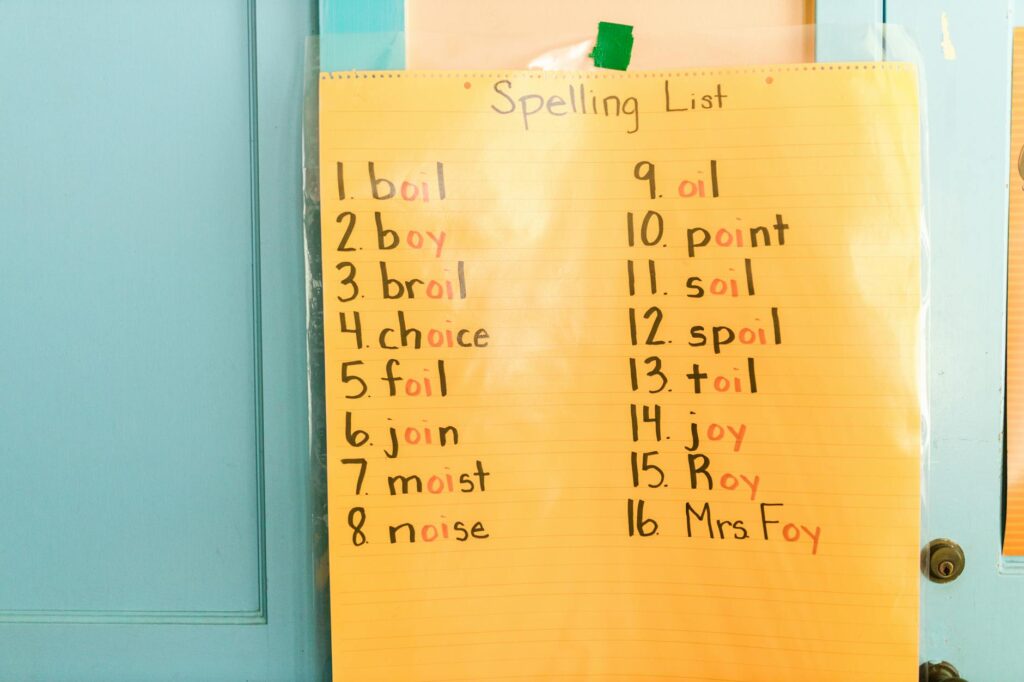
Beyond the classroom number, door signage can convey important educational messages. This includes displaying learning objectives, classroom rules, or even a “word of the week” to reinforce vocabulary and academic focus.
A “Learning Goals” poster that outlines the objectives for the current unit, a “Growth Mindset” display with inspiring quotes and student reflections, or a “Citizenship Corner” highlighting classroom expectations and positive behaviours. According to sources like U.S. Department of Education, clear communication of learning objectives is a key factor in student success.
Creating a Welcoming and Inclusive Atmosphere
The classroom door is the gateway to a child’s learning environment. Making it welcoming and inclusive is paramount to fostering a sense of belonging and safety. This means designing a door that’s inviting to all students, regardless of their background or learning style.
A “Welcome Friends” banner featuring diverse handprints or greetings in multiple languages. A “Kindness Zone” where positive messages are displayed, or a “Get to Know Us” section with photos and fun facts about the students. The goal is to make every child feel seen, valued, and excited to enter their classroom.
Budget-Friendly Classroom Door Decoration Strategies
Decorating a classroom door doesn’t require a large budget. Many creative and impactful ideas can be achieved using inexpensive or recycled materials. The focus should be on creativity and student involvement rather than costly supplies.
Use butcher paper to create large-scale designs, construction paper for cutouts and borders, and student artwork as the primary decorative elements. Old magazines can be cut into shapes for collages, and fabric scraps can add texture. Even simple elements like colorful streamers or balloons can create a festive atmosphere. Many teachers find success with dollar store finds and repurposed materials.
Storytelling Through Door Decor: Narrative Classroom Doors
Doors can be powerful narrative tools, telling stories that extend beyond the classroom walls. Classroom door ideas engages students’ imaginations and can be directly linked to literacy, history, or social studies lessons.
A door designed to look like a portal to a historical period being studied, complete with artifacts and character images. A door that unfolds as a story progresses, with new chapters or plot points revealed daily. For younger students, a door could become a giant storybook page, with characters and scenes depicted, encouraging them to interact with the narrative.
Utilising the “Door Decorating Contest” Impulse
Many schools organise door decorating contests, particularly around holidays or specific themes. While competitive, these events can be a fantastic motivator for creative classroom door ideas and foster a sense of school-wide community.
The contest could focus on a specific theme, like “Literacy Heroes” or “Environmental Champions.” Each class develops a unique concept, using their door as a canvas to represent the theme visually. Winning entries often demonstrate creativity, theme adherence, and student involvement. Schools might even offer small prizes or recognition for the most innovative designs.
How to Implement Your Classroom Door Ideas: A Practical Approach
Bringing your classroom door ideas to life involves a few key steps. It’s about strategic planning, effective execution, and ongoing maintenance to ensure your door remains a vibrant part of the learning environment.
- Brainstorm & Select a Theme: Start by considering your current curriculum, upcoming holidays, school events, or a general learning objective. Involve students in brainstorming for maximum engagement.
- Design & Sketch: Create a rough sketch of your idea. Think about how the door’s shape and features can be incorporated. Consider what materials you’ll need.
- Gather Materials: Collect necessary supplies. Prioritise budget-friendly options like butcher paper, construction paper, student artwork, and recyclable materials. Check school supply lists or dollar stores for affordable additions.
- Execution with Students: Dedicate class time for students to contribute. This might involve cutting shapes, drawing, writing, or assembling elements. Ensure tasks are age-appropriate and manageable.
- Installation: Carefully attach your decorations. Use methods that won’t damage the door or surrounding walls. Removable adhesive hooks or painter’s tape are often good choices.
- Maintain & Update: Regularly update interactive elements or content that relates to ongoing learning. Rotate student work to keep the display fresh and inclusive.
Real Examples of Innovative Classroom Doors
To illustrate the potential of creative classroom door ideas, let’s look at a couple of concrete examples that go beyond standard decoration.
Example 1: The “World Traveller” Language Classroom Door
A secondary school Spanish teacher transforms her door into a passport control booth. The door itself is decorated like a large passport, with the classroom number as the “issuing country.” Students’ names are written on “visa stickers” that are periodically updated to reflect new vocabulary or grammar concepts learned. Surrounding the door are “postcards” from different Spanish-speaking countries, each featuring a cultural fact or a common phrase, created by the students. This turns the door into a continuous geography and language learning tool.
Example 2: The “Growth Mindset Garden” Kindergarten Door
A kindergarten class creates a “Growth Mindset Garden.” The door is painted to look like a vibrant garden. Students’ names are attached to “flower pots” at the bottom. As they learn new skills and overcome challenges, they earn “flower petals” or “leaves” to add to their plant, visually representing their progress. Inspirational quotes about effort and learning are posted like garden signs. This door serves as a constant, visual reminder of the importance of perseverance and learning from mistakes.
Common Mistakes to Avoid with Classroom Door Decor
While enthusiasm for decorating is great, a few common pitfalls can diminish the impact or create unintended problems. Being aware of these can help you create more effective and sustainable door displays.
Mistake: Over-Cluttering or Using Permanent Adhesives. Many teachers get carried away with decorations, covering the entire door and frame. This can look chaotic and make it difficult to open or close the door. Using strong, permanent adhesives like heavy-duty tape or glue can damage the door’s finish or the wall. Many schools have policies against damaging school property.
Solution: Plan your design to use space effectively and leave the door handle and frame accessible. Opt for temporary, damage-free adhesive options like painter’s tape, command strips, or Velcro. Always check school policies on decorations. According to guidelines from organisations like the National Institute for Occupational Safety and Health (NIOSH), safety and accessibility are paramount in school environments, which includes ensuring doors function correctly.
Mistake: Forgetting About Functionality and Safety. Decorations should never impede the door’s primary function: safe and easy egress in case of an emergency. Obstructing the view through a peephole or making the door difficult to open is a serious safety concern.
Solution: Ensure that all decorations are securely fastened and don’t hang loosely or obstruct the door’s path of motion. Never cover fire exits or emergency signage. Prioritise clear access to door handles and any emergency release mechanisms.
Mistake: Neglecting Student Involvement. Sometimes, teachers design and decorate the door entirely on their own, missing a huge opportunity for student engagement and learning.
Solution: Integrate students into the design and creation process. Assign age-appropriate tasks, from brainstorming ideas to cutting shapes and writing content. This fosters ownership, creativity, and a stronger connection to the classroom environment.
Mistake: Lack of Relevance or Purpose. Decorating for the sake of decorating, without a clear connection to learning or the classroom community, can make the effort feel superficial.
Solution: Ensure your door display has a purpose, whether it’s to reinforce a lesson, celebrate student achievements, or foster a positive classroom culture. Connect the visuals to tangible learning outcomes or community-building goals.
Expert Tips for Standout Classroom Door Ideas
To elevate your classroom door from merely decorated to truly impactful, consider these expert insights. These strategies go beyond the basics to create memorable and effective learning spaces.
Tip: Integrate Technology (Sparingly). While not for every door, consider subtle tech integrations. A QR code linking to a class project video, a student-created podcast, or a relevant educational website can add a modern layer. Ensure the link is stable and the content is appropriate. For instance, a science class could link to a live webcam of a local nature preserve.
Tip: Focus on Storytelling and Narrative. Think about your door as the beginning of a story. What narrative can you weave? This could be a chapter in a book, a historical timeline, or a journey through a scientific concept. Classroom door ideas makes the door intrinsically educational and engaging, not just decorative. This is a unique angle that many generic decorating guides miss, focusing instead on static themes.
Tip: Create a “Living” Door. A living door is one that evolves with the class and the learning. Regularly update content, add student contributions, and change elements to reflect ongoing progress. This keeps the door dynamic and relevant. For example, a language arts door could feature “words in the wild” submitted by students, or a math door could have a “challenge of the week” that changes every Monday.
Tip: Prioritise Visual Hierarchy and Readability. Just like a good lesson, your door display needs clear focal points and easy-to-read information. Use contrasting colours, clear fonts, and organised layouts. Avoid small text that’s unreadable from a distance. As BBC Design notes, effective graphic design relies on clarity and impact.
Tip: Consider the “Wow” Factor Through Simplicity. Sometimes, the most impactful designs are the simplest. A single, well-executed concept that’s clever and relevant can be more memorable than an overly complex, cluttered display. Think about iconic branding – often simple, yet powerful.
Frequently Asked Questions About Classroom Door Ideas
What are the most popular themes for classroom doors?
Popular themes often align with curriculum units (e.g., space, ecosystems, historical periods), seasons (fall, winter, spring), holidays, or character education concepts like kindness and growth mindset. “Welcome Back” themes are also perennial favourites for the start of the school year.
How often should I change my classroom door decorations?
The frequency depends on the type of display. Interactive elements or those tied to specific lessons might change weekly or bi-weekly. Seasonal or thematic decor can last a month or a grading period. Student work should be rotated regularly to ensure everyone is featured.
Can classroom door decorations be educational?
Absolutely. Doors can display learning objectives, vocabulary words, math problems, historical timelines, student achievements, or cultural facts. An educational door actively contributes to the learning environment and reinforces concepts taught in class.
What materials are best for decorating classroom doors?
Durable yet removable materials are ideal. Think butcher paper, construction paper, cardstock, felt, fabric scraps, and laminated posters. For adhering them, use painter’s tape, removable adhesive strips (like Command strips), or Velcro to avoid damaging the door or walls.
How can I involve students in decorating the classroom door?
Involve students by having them brainstorm themes, draw designs, cut out shapes, write vocabulary words, create artwork for display, or even assemble parts of the decoration. This fosters ownership and makes the door a collaborative project.
Are there any safety regulations for classroom door decorations?
Yes. Decorations should never obstruct the door’s function, fire exits, or emergency signage. They must be securely fastened to prevent falling hazards. Ensure clear visibility through any peepholes and don’t impede easy access to the door handle.
Conclusion
Your classroom door is more than just an entrance; it’s a canvas for creativity, a tool for engagement, and a reflection of the vibrant learning community within. By implementing thoughtful and creative classroom door ideas, you can transform this often-overlooked space into an extension of your educational mission.
Actionable Takeaway: This week, choose one specific area (e.g., a weekly vocabulary word, a student’s best work, or a community-building message) and design your classroom door to highlight it, involving your students in the process.
Editorial Note: This article was researched and written by the Class Room Centre editorial team. We fact-check our content and update it regularly. For questions or corrections, contact us. Knowing how to address classroom door ideas early makes the rest of your plan easier to keep on track.


