Designing for Engagement: The Modern Elementary Classroom Layout
This guide covers everything about elementary classroom. Creating an engaging elementary classroom in 2026 involves strategic spatial design. The goal is to move beyond a one-size-fits-all model to create zones for different activities. This approach recognizes that children learn best when they can move, interact, and choose their learning environment.
Last updated: May 1, 2026
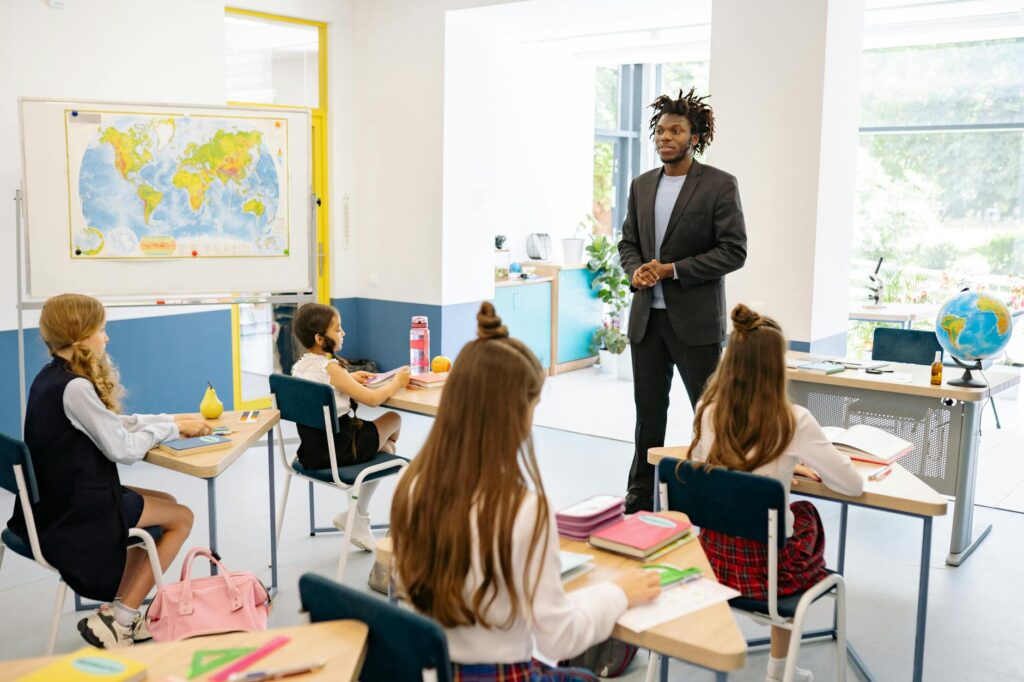
Consider a classroom divided into distinct areas: a quiet reading nook with comfortable seating, a collaborative zone with a large table for group projects, a maker space with art supplies and building materials, and a traditional instruction area for direct teaching. This variety caters to different learning styles and energy levels throughout the day.
Flexible Seating: Empowering Student Choice and Comfort
Flexible seating has become a cornerstone of modern elementary classroom design. It offers students agency in choosing where and how they learn, which can significantly impact focus and comfort. Options range from traditional chairs and tables to standing desks, wobble stools, floor cushions, and beanbags.
The benefit of flexible seating lies in its ability to accommodate different physical needs and learning preferences. Some students focus better while standing, others need the sensory input of a wobble cushion, and some prefer the coziness of a floor cushion for reading. This choice empowers students to take ownership of their learning environment.
At Northwood Elementary, teachers have implemented ‘choice seating’ in their third-grade classrooms. Students rotate through different seating options each week, learning to identify which setups best support their concentration and participation. This has led to a noticeable decrease in fidgeting and an increase in on-task behaviour.
Integrating Technology: Tools for 2026 Learning
Technology is no longer an add-on but an integral part of the elementary classroom as of April 2026. The focus is on using digital tools to enhance learning, not replace fundamental teaching practices. Interactive whiteboards, tablets for research and creation, and age-appropriate educational software are common.
Digital literacy is a critical skill being fostered. Students learn not just how to operate devices but also how to critically evaluate online information, collaborate digitally, and understand digital citizenship. This prepares them for an increasingly digital world.
Creating Active Learning Spaces: Beyond Passive Reception
The concept of active learning spaces is central to contemporary elementary education. These environments encourage hands-on exploration, problem-solving, and movement. They shift the focus from passive reception of information to active construction of knowledge.
An active learning space might include areas for science experiments, a dramatic play corner for social studies, or a building station for STEM challenges. These are not just play areas; they are meticulously designed learning zones where curriculum objectives are met through experiential learning.
In a kindergarten classroom at Maplewood School, a ‘Bug Lab’ zone was created. Equipped with magnifying glasses, bug viewers, and age-appropriate books about insects, it allowed children to safely observe and learn about local arthropods, directly supporting their science curriculum and fostering a sense of scientific inquiry.
Classroom Management in the Dynamic Elementary Environment
Effective classroom management in a flexible, technology-rich elementary classroom requires adaptability. Strategies must account for the increased movement and varied activities occurring simultaneously. The focus shifts from controlling behaviour to guiding it within a structured yet fluid environment.
Key strategies include establishing clear expectations and routines for transitions between different learning zones, teaching students how to use shared resources responsibly, and fostering a positive classroom community where students feel safe to take risks. Positive reinforcement and proactive interventions are more effective than punitive measures.
According to the National Education Association (2025), establishing clear visual cues for noise levels and activity types can significantly help students self-regulate in varied learning spaces. Elementary classroom supports a more autonomous and less disruptive learning atmosphere.
Addressing Diverse Needs: Inclusive and Sensory-Friendly Classrooms
A truly effective elementary classroom in 2026 must be inclusive, catering to the diverse needs of all learners, including those with special educational needs or sensory sensitivities. This requires thoughtful consideration of the physical environment, learning materials, and instructional approaches.
Sensory-friendly elements can include designated quiet zones, adjustable lighting, noise-reducing headphones, and tactile learning materials. Providing visual schedules and clear communication strategies also supports students who benefit from predictability and structure.
A first-grade teacher at Sunnyvale Elementary implemented a ‘calm-down corner’ equipped with soft seating, sensory tools like fidget toys, and calming books. This space allowed students experiencing overwhelm to self-regulate before rejoining the main group, reducing disruptions and supporting emotional well-being.
Fostering Digital Citizenship and Online Safety
As technology becomes more integrated, teaching digital citizenship and online safety is paramount in the elementary classroom. This involves educating young learners about responsible online behaviour, privacy, cyberbullying, and identifying reliable information.
Lessons on digital citizenship should be age-appropriate and ongoing. They can be woven into existing curriculum through discussions, role-playing scenarios, and analysing digital content. The goal is to build a foundation for responsible technology use from an early age.
According to Common Sense Media (2026), early exposure to discussions about online safety and responsible sharing significantly impacts a child’s long-term digital habits. They offer extensive resources for educators and parents to guide these conversations.
Assessment in the Modern Elementary Classroom
Assessment practices in the 2026 elementary classroom are evolving to reflect the dynamic learning environments. They move beyond traditional tests to incorporate a wider range of methods that capture authentic student understanding and progress.
Formative assessments, such as observations, exit tickets, student self-reflections, and digital portfolio submissions, are used continuously to inform instruction. These provide real-time insights into student learning and allow for timely interventions. Summative assessments may include project-based evaluations or performance tasks that demonstrate mastery in authentic contexts.
Instead of a unit test on ecosystems, a fourth-grade class might create a digital presentation or a physical diorama showcasing their understanding. Elementary classroom allows for assessment of research skills, creativity, and content knowledge simultaneously.
Materials and Resources for an Effective Elementary Classroom
The selection of materials and resources is critical for supporting the goals of a modern elementary classroom. These should be versatile, durable, and aligned with pedagogical approaches like student-centred learning and hands-on exploration.
Beyond standard textbooks and workbooks, consider open-ended manipulatives for math and science, diverse literature representing various cultures and experiences, art supplies for creative expression, and building materials for STEM challenges. Digital resources, including educational apps and online learning platforms, are also essential components.
A report by the U.S. Department of Education (2025) highlights that access to high-quality, diverse learning materials is directly correlated with improved student outcomes, particularly for underrepresented student populations. Ensuring equitable access to these resources is a priority.
Real-World Example: The ‘Discovery Hub’ Model
At Cedar Creek Elementary, the third-grade team has transformed their traditional classrooms into ‘Discovery Hubs’. This model embodies many principles of the modern elementary classroom. Each hub is approximately 800 square feet and is designed with distinct zones:
- The Collaboration Zone: Features large, mobile tables and comfortable seating for group work, with an interactive whiteboard for shared brainstorming.
- The Creation Station: Equipped with a 3D printer, art supplies, LEGOs, and other building materials for hands-on projects.
- The Quiet Cove: Offers beanbags, individual carrels, and noise-cancelling headphones for focused reading or independent work.
- The Presentation Platform: A slightly raised area with flexible seating, used for whole-group instruction, student presentations, and class discussions.
Teachers in these hubs report increased student engagement and a greater ability to differentiate instruction. Students are observed actively choosing learning activities that suit their needs and working collaboratively on complex projects. This setup fosters a sense of ownership and autonomy.
Common Mistakes in Elementary Classroom Design and Management
Despite the shift towards modern practices, common pitfalls can hinder the effectiveness of an elementary classroom. One frequent mistake is overcrowding flexible seating options without clear guidance on their use, leading to chaos rather than choice.
Mistake: Implementing flexible seating without explicit instruction on how to use each option and the expectations for different zones. Solution: Dedicate time at the beginning of the school year to teach students about each seating option, its purpose, and the expected behaviour. Create a visual guide for seating expectations.
Mistake: Over-reliance on technology without balancing it with essential hands-on and social-emotional learning activities. Solution: Ensure technology serves pedagogical goals. Integrate it thoughtfully, but prioritise activities that foster creativity, critical thinking, and interpersonal skills through direct interaction and manipulation of physical materials.
Mistake: Failing to adapt classroom management strategies to the new flexible environment, leading to perceived lack of control. Solution: Develop clear routines and expectations for movement, collaboration, and transitions. Focus on positive reinforcement and proactive strategies that empower students to manage themselves within the structured flexibility of the space.
Expert Tips for a Thriving 2026 Elementary Classroom
To create a truly exceptional elementary classroom in 2026, consider these expert insights:
- Embrace Student Voice: Regularly solicit feedback from students about their learning environment. What’s working? What could be improved? Their input is invaluable for refining the space and fostering ownership.
- Prioritise Natural Light and Biophilia: Incorporate plants and maximise natural light where possible. Studies, including research highlighted by the U.S. Environmental Protection Agency (2026) on healthy schools, consistently show these elements reduce stress and improve focus.
- Create a ‘Third Teacher’ Space: Think of the classroom environment itself as a teacher. The arrangement of furniture, the display of student work, and the accessibility of materials all communicate messages about learning and expectations.
- Build in Movement Breaks: Even in a flexible classroom, planned movement is crucial for young learners. Short, energizing breaks can refresh students and improve their ability to concentrate.
- Invest in Versatile Furniture: Opt for furniture that can be easily rearranged or repurposed. Mobile whiteboards, modular tables, and stackable seating offer maximum flexibility for changing needs throughout the day.
Unique Insight: As of April 2026, many schools are exploring the use of ‘sensory paths’ integrated into floor coverings. These are simple lines or patterns that children can follow with their feet or hands, providing proprioceptive input and helping them self-regulate before or after focused tasks.
Frequently Asked Questions
What is the primary goal of a modern elementary classroom?
The primary goal is to create a dynamic, student-centred learning environment that fosters engagement, collaboration, and independent learning. It prioritizes flexibility, technology integration, and catering to diverse student needs.
How can I make my elementary classroom more engaging?
Increase engagement by incorporating flexible seating options, creating diverse learning zones for different activities, integrating hands-on materials and technology purposefully, and involving students in decision-making about their learning space.
What are the key components of a flexible elementary classroom?
Key components include a variety of seating options (stools, cushions, standing desks), easily reconfigurable furniture, distinct learning areas (quiet zones, collaboration spaces, maker areas), and accessible technology.
How do I manage a classroom with flexible seating?
Management involves establishing clear expectations for using different seating options, teaching transition routines, utilising visual cues for noise levels, and fostering a positive classroom community that encourages student self-regulation and responsibility.
What role does technology play in the 2026 elementary classroom?
Technology in 2026 serves to enhance learning through interactive tools, digital research, creative projects, and collaborative platforms. It’s also crucial for teaching digital literacy and online safety skills.
How can I create a sensory-friendly elementary classroom?
Incorporate designated quiet spaces, offer noise-reducing tools like headphones, provide tactile learning materials, ensure adjustable lighting, and use visual schedules to create a predictable and calming environment for all students.
Conclusion
The elementary classroom in 2026 is a far cry from its predecessors, evolving into a responsive, engaging, and technologically integrated space. By prioritising flexible design, student choice, and purposeful technology integration, educators can cultivate environments where every child thrives.
Actionable Takeaway: Audit your current classroom layout and identify one area where you can introduce more flexibility or create a designated learning zone to better meet student needs.
Editorial Note: This article was researched and written by the Class Room Centre editorial team. We fact-check our content and update it regularly. For questions or corrections, contact us. Knowing how to address elementary classroom early makes the rest of your plan easier to keep on track.