
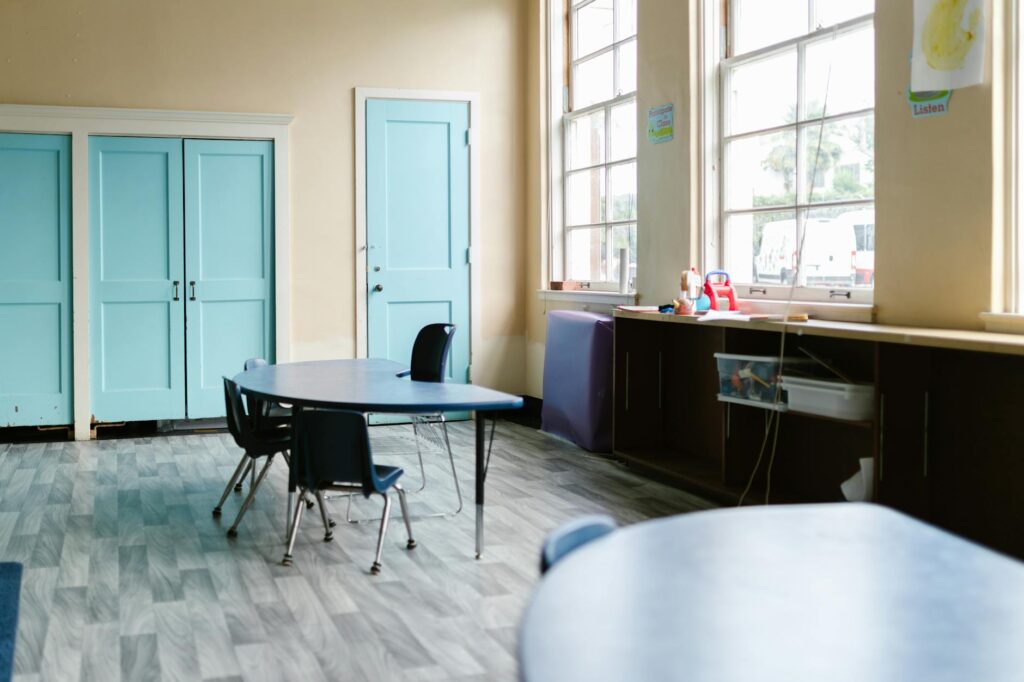
The Humble Classroom Door: More Than Just an Entrance in 2026
This guide covers everything about classroom door. The first thing worth saying about a classroom door is that it’s far more than a simple portal. For educators and administrators in UK schools as of May 2026, a classroom door represents a critical intersection of safety, security, learning environment design, and even pupil behaviour. Its seemingly simple function belies a complex set of requirements, regulations, and practical considerations that impact the daily lives of both students and staff.
Last updated: May 5, 2026
Many schools might overlook the significance of this architectural element, focusing instead on technology or furniture. However, a poorly chosen or maintained classroom door can compromise safeguarding protocols, hinder effective teaching, and even present a physical hazard. Conversely, a well-specified door can contribute positively to acoustics, accessibility, and overall classroom management.
This complete guide delves into the complex world of classroom doors for UK educational settings in 2026, exploring everything from regulatory compliance and material choices to security features and maintenance best practices. Our aim is to equip school leaders, facilities managers, and anyone involved in school design with the knowledge needed to make informed decisions about these vital components of the learning environment.
Key Takeaways
- Classroom doors are critical for school safety, security, and creating an optimal learning environment in 2026.
- UK schools must adhere to specific building regulations, fire safety standards, and accessibility requirements for classroom doors.
- Material selection (e.g., wood, metal, composite) significantly impacts durability, acoustics, and maintenance needs.
- Advanced security features and strong hardware are essential for safeguarding pupils and staff.
- Regular maintenance is key to ensuring the longevity and functionality of school classroom doors.
Navigating UK Regulations and Safety Standards for Classroom Doors
Ensuring compliance with UK building regulations and safety standards is paramount when specifying classroom doors. These regulations are designed to protect pupils and staff, particularly in emergency situations. The Department for Education (DfE) provides guidance, and adherence to these principles is often scrutinised by bodies like Ofsted during inspections.
Fire safety is a major concern. Fire doors, designed to resist fire for a specified period (often 30 or 60 minutes), are a common requirement for classrooms, especially those in older buildings or those designated as escape routes. These doors must be installed correctly and maintained to a high standard to be effective. According to the Department for Education (DfE) (as of 2026), maintaining fire safety compliance is a core responsibility for all schools.
Beyond fire safety, general safety considerations include ensuring doors don’t pose a risk of trapping fingers, particularly for younger children. This often means specifying doors with appropriate clearances, guards, or specialised hardware that prevents pinch points. Doors must facilitate rapid and safe evacuation during emergencies. This means ensuring they open in the correct direction (usually into the corridor for escape routes) and are easy to operate, even under stress.
Accessibility is another crucial regulatory aspect. The Equality Act 2010 mandates that schools provide reasonable adjustments to ensure disabled pupils and staff are not disadvantaged. For classroom doors, this translates to requirements for sufficient clear opening widths, appropriate handle heights, and often, features like vision panels for improved awareness. Doors should be easy to open and close, avoiding heavy resistance.
Specific Safety Features to consider
When specifying a classroom door, several safety features deserve special attention. Anti-finger trap mechanisms are increasingly standard, particularly for primary schools. These can be achieved through specialised door edge protectors or by ensuring the gap between the door and frame is minimised. Vision panels, typically made from toughened or laminated safety glass, offer visibility into and out of the classroom, enhancing supervision and situational awareness, especially during drills or unexpected events.
The direction of door opening is also a safety factor. While doors within classrooms might open inwards for convenience or space-saving, doors leading to corridors or escape routes generally must open outwards into the corridor. This prevents a blockage during evacuation. However, this must be balanced against corridor width and potential obstruction of traffic flow. It’s essential to consult DfE Building Bulletins and local fire authority guidance for specific requirements in your area.
A practical insight for schools is to regularly review their door safety features. A quick check for damaged guards, sticky mechanisms, or obstructed opening paths can prevent accidents. For new installations, always consult with your school’s Health and Safety officer and potentially a specialist fire safety consultant to ensure all regulatory bases are covered.
Material Matters: Choosing the Right Surface for Durability and Aesthetics
The material of a classroom door significantly influences its durability, aesthetic appeal, maintenance requirements, and cost. In UK schools, common materials range from traditional timber to modern composites and metal. Each offers distinct advantages and disadvantages, making material selection a key decision.
Solid Timber Doors: Often chosen for their natural warmth and aesthetic appeal, solid timber doors can be very durable if properly maintained. However, they can be susceptible to warping or swelling in humid environments, a common issue in older school buildings. They also offer moderate acoustic performance. For fire-rated requirements, specially treated or composite timber doors are necessary.
Engineered Timber / Composite Doors: These doors combine timber cores with other materials, such as MDF or particleboard facings, often veneered or laminated. They offer greater stability and resistance to warping than solid timber and can be more cost-effective. Many engineered timber doors can be specified with fire-retardant cores to meet safety standards. Their acoustic properties are generally good.
Metal Doors (Steel/Aluminium): Primarily used for external entrances or areas requiring high security and fire resistance, metal doors are exceptionally durable and strong. Steel doors, often galvanised and powder-coated, are excellent for security and fire performance. Aluminium doors offer a lighter, corrosion-resistant option, frequently used for external access or where a sleek, modern look is desired. Their acoustic performance can vary, but they are generally less insulating than timber unless specifically designed with acoustic cores.
Laminated / Veneered Doors: These are typically engineered timber doors with decorative finishes. Laminates (like high-pressure laminate or HPL) offer superior durability and resistance to scratches and impact, making them ideal for high-traffic classroom environments. Veneers provide a more natural wood look but can be more prone to damage. Both are available in a wide range of colours and patterns to complement the school’s interior design.
A practical insight for schools is to consider the entire lifecycle cost, not just the initial purchase price. A more durable material, like a high-quality laminate-faced engineered timber door, might have a higher upfront cost but could significantly reduce maintenance and replacement expenses over its lifespan, proving more economical in the long run.
Balancing Aesthetics and Practicality
While durability and safety are paramount, the aesthetic of classroom doors also plays a role in the learning environment. Colours, finishes, and the inclusion of vision panels can influence the mood and functionality of a classroom. For instance, bright, engaging colours might be suitable for early years settings, while more subdued tones might be preferred for older students. Vision panels can help teachers monitor students without disruption and allow natural light to flow into corridors, creating a more welcoming atmosphere.
The choice of material and finish should also consider maintenance. Surfaces that are easy to clean and disinfect are essential in a school setting. Laminates and certain metal finishes are excellent for this, resisting stains and wear. Timber doors, while attractive, may require more specialised cleaning and protection.
Enhancing Security: Hardware and Locking Mechanisms
The security of a classroom door is non-negotiable. In today’s educational landscape, strong hardware and effective locking mechanisms are vital for safeguarding pupils and staff against external threats and managing internal behaviour. This goes beyond simple locks to encompass hinges, closers, and panic hardware.
Locks and Latches: Standard internal doors typically use mortise locks or latches. For classrooms, enhanced security options are often specified, including deadlock bolts that offer greater resistance to forced entry. Key-operated locking from the inside is common, allowing teachers to secure the room quickly. However, consideration must be given to emergency egress; in many scenarios, the door must be unlockable from the outside with a master key or override system.
Hinges: Security hinges, often with non-removable pins, are a good choice for external doors or any classroom door where the threat of forced entry from the outside is a concern. These prevent the door from being easily removed from its frame even if the pins are accessible.
Door Closers: An automatic door closer ensures the door returns to its closed position, which is crucial for both fire safety and security. Different types are available, from hydraulic closers that offer controlled closing speeds to overhead closers that are less obtrusive. For accessibility, closers should be adjusted to provide a smooth, manageable closing action.
Panic Hardware: In areas with a higher risk or for specific types of rooms (e.g., assembly halls, large classrooms), panic hardware might be specified. This typically involves a push bar or push pad on the inside of the door that releases the locking mechanism, allowing for rapid exit in an emergency. This is particularly relevant for rooms that may need to be evacuated quickly of many people.
A practical insight from security professionals is to conduct a risk assessment for each classroom. This assessment should consider the school’s location, the age group of the pupils, and potential threats. Based on this, the most appropriate hardware and locking solutions can be determined. Regularly testing all locking mechanisms and panic hardware is also a critical part of a school’s security protocol.
The Role of Vision Panels in Security
Vision panels, while primarily for supervision, also contribute to security. A clear view into a classroom allows staff to quickly assess a situation without needing to open the door. Conversely, a clear view from within can alert occupants to the presence of someone outside, potentially deterring unwanted entry. The type of glass used (toughened, laminated, or wired) must meet safety and security standards, resisting impact and, in some cases, providing a degree of ballistic protection depending on the threat assessment.
Acoustic Performance: Quieting the Classroom
Noise is a pervasive challenge in schools. Distracting sounds from corridors, adjacent classrooms, or external sources can significantly disrupt concentration, impede learning, and increase teacher stress. The classroom door plays a vital role in managing acoustic performance.
Sound Transmission Class (STC) / Weighted Sound Reduction Index (Rw): Doors are rated based on their ability to block sound. A higher STC or Rw rating indicates better sound insulation. Standard internal doors may have low ratings, allowing considerable sound leakage. For classrooms, especially those in busy areas or where focused work (like exams) takes place, doors with enhanced acoustic properties are highly recommended.
Factors Affecting Acoustic Performance:
- Door Construction: Solid-core doors generally offer better acoustic insulation than hollow-core doors. The density and composition of the core material are key.
- Seals and Gaps: The most significant sound leakage often occurs around the edges of the door. Acoustic seals (gaskets) fitted to the frame and threshold can dramatically improve performance by creating an airtight seal when the door is closed. Automatic drop seals that deploy when the door is shut are particularly effective.
- Vision Panels: Glazed vision panels can be a weak point for sound insulation. However, acoustic-rated glazing and well-sealed frames can mitigate this. Double-glazed units within the door can offer improved acoustic performance.
A practical insight for schools seeking to improve acoustics is to not overlook the seals. Even a high-performance acoustic door will perform poorly if there are significant gaps around its perimeter. Investing in quality acoustic seals, and ensuring they are properly installed and maintained, can make a substantial difference.
When is Acoustic Performance Most Critical?
Acoustic performance is particularly important in:
- Exam rooms where quiet concentration is essential.
- Special educational needs (SEN) classrooms where some pupils may be highly sensitive to noise.
- Music rooms or drama studios where sound containment is necessary.
- Classrooms situated near busy corridors, playgrounds, or external noise sources.
When specifying acoustic doors, ask for the certified Rw rating and check the type of seals provided. Consulting with an acoustic consultant can be beneficial for complex requirements or new builds where acoustics are a primary design consideration.
Accessibility: Ensuring Inclusive Access for All Pupils
Creating an inclusive learning environment means ensuring that all pupils, regardless of their physical abilities, can access and use classroom facilities. Classroom doors are a fundamental part of this accessibility framework, governed by the Equality Act 2010 and relevant building standards.
Key Accessibility Features:
- Clear Opening Width: The unobstructed passage width when the door is open must be sufficient for wheelchairs and other mobility aids. Minimum widths vary depending on regulations, but typically aim for around 800mm clear opening.
- Handle Height and Type: Door handles should be positioned at an accessible height, usually between 900mm and 1050mm from the floor. Lever handles are preferred over knobs, as they are easier to operate with limited dexterity.
- Manoeuvring Space: Adequate clear floor space should be provided on both sides of the door for approaching and operating it. This is especially important for doors that swing towards the approach path.
- Door Opening Force: The force required to open the door should be minimal. Regulations specify maximum opening forces to ensure ease of operation for individuals with reduced strength.
- Vision Panels: Lowered vision panels allow seated individuals or younger children to see out of the classroom, promoting a sense of inclusion and awareness.
A practical insight for schools is to conduct an accessibility audit of all classroom doors. This involves measuring opening widths, handle heights, and checking the ease of operation. Addressing any non-compliance proactively can prevent potential discrimination claims and ensure a more welcoming environment for all.
Beyond the Door: Related Accessibility Considerations
Accessibility extends beyond the door itself. The corridor leading to the classroom must also be navigable, with sufficient width and no obstructions. Door bells or visual indicators can assist pupils with hearing impairments. For automated doors, ensuring the activation buttons are at an accessible height and responsive is also key. When selecting doors, always refer to the latest Approved Document M (Volume 1) of the Building Regulations for England and Wales, or equivalent Scottish/Northern Irish guidance.
Innovative Classroom Door Solutions for Modern Learning Spaces
As educational spaces evolve, so too do the solutions for classroom doors. Beyond basic functionality, innovative designs are emerging that enhance the learning experience, improve classroom management, and integrate technology.
Integrated Technology: Some modern classroom doors incorporate smart technology. This can include electronic locking systems that can be controlled remotely or via key cards, allowing for better security management. Interactive displays or subtle lighting cues can be integrated to signal classroom status (e.g., ‘Busy,’ ‘Quiet Study,’ ‘Lesson in Progress’) without disruptive signage.
Modular and Movable Walls: In flexible learning environments, traditional fixed doors are sometimes replaced with modular or movable wall systems. These allow classrooms to be reconfigured easily, merging or dividing spaces as needed. While not strictly doors, they serve a similar function of defining and separating learning areas and often incorporate transparent or operable sections.
Enhanced Visuals and Branding: Schools are increasingly using classroom doors as a canvas for branding or educational displays. Custom graphics, durable vinyl wraps, or even interactive surfaces can transform a plain door into an engaging element of the classroom’s identity. This can range from subject-specific artwork to school mottos or motivational messages.
A practical insight for schools considering new builds or refurbishments is to engage with door manufacturers and school design consultants early in the process. They can offer insights into the latest innovations and help integrate door solutions seamlessly with the overall pedagogical and architectural vision for the school.
The Impact of Door Design on Pupil Behaviour
While harder to quantify, the design of a classroom door can subtly influence pupil behaviour. A heavy, imposing door might feel unwelcoming, whereas a door with a clear vision panel and perhaps some engaging graphics can feel more inviting and less intimidating. For younger children, brightly coloured doors or those with fun handles can make the classroom entry a more positive experience. Conversely, poorly maintained or visibly damaged doors can contribute to a sense of neglect, potentially impacting pupil pride and behaviour.
Maintenance and Longevity: Keeping Classroom Doors Functional
Even the most well-specified classroom door will fail to perform optimally if not properly maintained. Regular maintenance is essential for ensuring longevity, safety, and continued functionality, ultimately saving schools money in the long term.
Regular Inspections: A scheduled inspection regime is vital. This should include checking the door frame for stability, the door leaf for damage (dents, scratches, warping), hinges for wear and tear, and the door closer for smooth operation. Locking mechanisms and panic hardware should be tested for functionality.
Cleaning: The frequency and method of cleaning will depend on the door material. Laminate and metal doors are generally easy to clean with mild detergents. Timber doors may require specific wood cleaners and polishes. Vision panels should be kept clean for maximum visibility. DfE guidance and manufacturer recommendations should be followed.
Lubrication and Adjustment: Hinges and locking mechanisms benefit from periodic lubrication to ensure smooth operation and prevent wear. Door closers may need adjustment to maintain the correct closing speed. Seals should be checked for damage or wear and replaced as needed to maintain acoustic performance and prevent drafts.
A practical insight for school facilities managers is to create a simple, visual maintenance log for each classroom door. This log can track inspections, cleaning schedules, and any repairs carried out, providing a clear history and helping to identify recurring issues. Implementing a preventative maintenance schedule, rather than waiting for a door to break, is always more cost-effective.
Common Maintenance Issues and Solutions
- Sticking or Warping Doors: Often caused by changes in humidity. Minor warping might be addressed by adjusting hinges or closers. Significant warping may require door replacement or professional repair.
- Damaged Seals: Worn or damaged acoustic or fire seals compromise performance. Replace seals promptly with manufacturer-approved replacements.
- Loose Hardware: Hinges, handles, and locks can become loose over time. Tighten screws regularly. If threads are stripped, consider using larger screws or repair inserts.
- Malfunctioning Door Closers: These can become stiff or lose their damping effect. Adjustment is often possible, but replacement may be necessary if the unit is beyond repair.
According to Health and Safety Executive (HSE) guidance (as of 2026), ensuring equipment, including doors and their hardware, is maintained in good condition is a legal requirement to protect employees and others from health and safety risks.
Frequently Asked Questions
What are the key safety regulations for classroom doors in UK schools?
UK schools must comply with building regulations regarding fire safety (e.g., fire-rated doors), structural integrity, and pupil safety, such as preventing finger entrapment. The DfE and local fire authorities provide guidance, and Ofsted inspections assess compliance.
What materials are best for classroom doors in terms of durability?
For high-traffic areas like classrooms, durable materials such as laminate-faced engineered timber or metal (steel/aluminium) are often best. They resist scratches, impacts, and wear, offering a longer lifespan and easier maintenance.
How can I improve the soundproofing of an existing classroom door?
To improve soundproofing, focus on sealing gaps around the door frame with acoustic seals or gaskets. Consider adding an automatic drop seal at the bottom. Replacing a hollow-core door with a solid-core alternative, potentially with acoustic glazing, will also significantly enhance sound insulation.
What are the accessibility requirements for school classroom doors?
Classroom doors must provide adequate clear opening widths for wheelchairs, have handles at accessible heights, require minimal opening force, and offer sufficient manoeuvring space, in line with the Equality Act 2010 and Approved Document M.
How often should school classroom doors be inspected and maintained?
A thorough inspection should occur at least annually, with more frequent checks on high-use doors or those with critical safety/security functions. Routine cleaning and minor adjustments should be performed quarterly or as needed.
Can I install smart locks on classroom doors?
Yes, smart locks and electronic access control systems can be installed on classroom doors to enhance security and management. However, they must comply with fire safety regulations, ensuring they can be easily overridden or unlocked from the outside in an emergency.
What is the typical lifespan of a well-maintained classroom door?
A high-quality, well-maintained classroom door, especially one made from durable materials like laminate-faced engineered timber or metal, can realistically last 15-25 years or even longer in a school environment.
Conclusion: A Doorway to a Better Learning Environment
The humble classroom door, often taken for granted, is a linchpin in the operational success and safety of any UK school. As of May 2026, the considerations for selecting, installing, and maintaining these vital components are more nuanced than ever, encompassing regulatory compliance, material science, security technology, acoustic performance, and accessibility.
By approaching classroom door specification with the same diligence applied to other critical school infrastructure, educational institutions can create safer, more conducive, and more inclusive learning environments for all pupils and staff. The right door is not just an entrance; it’s an investment in the daily experience and well-being of the school community.
Last reviewed: May 2026. Information current as of publication; pricing and product details may change.
Editorial Note: This article was researched and written by the Class Room Center editorial team. We fact-check our content and update it regularly. For questions or corrections, contact us. Knowing how to address classroom door early makes the rest of your plan easier to keep on track.


