undations of the Waldorf Classroom
Waldorf education is built upon a profound understanding of child development, viewing learning not as a race for academic achievement but as a journey through distinct developmental stages. Each stage requires a different approach, and the Waldorf classroom is meticulously designed to support these phases from early childhood through adolescence. As of 2026, this complete approach remains a cornerstone of its enduring appeal.
Last updated: May 6, 2026
The philosophy centres on educating the head, hands, and heart. This means integrating intellectual learning with practical, artistic, and social-emotional development. A typical Waldorf classroom, therefore, will reflect this balance, offering activities that stimulate the mind, engage the senses through physical doing, and nurture empathy and social skills.
The Role of the Teacher as a Guide
In a Waldorf classroom, the teacher is not merely an instructor but a role model and guide. They create the atmosphere, introduce activities, and embody the values of the educational philosophy. This means the teacher’s own presence, creativity, and warmth are as vital as the curriculum itself.
Teachers in Waldorf settings often spend multiple years with the same group of children, building deep relationships and a nuanced understanding of each pupil’s needs and progress. This continuity allows for a more personalised and responsive educational journey, fostering a strong sense of community and trust within the classroom.
Designing for the Senses: Materials and Aesthetics
One of the most striking features of a Waldorf classroom is its deliberate use of natural materials and a calming aesthetic. This approach is rooted in the belief that the environment itself is a teacher, and that natural elements foster a sense of connection to the earth and a grounding presence.
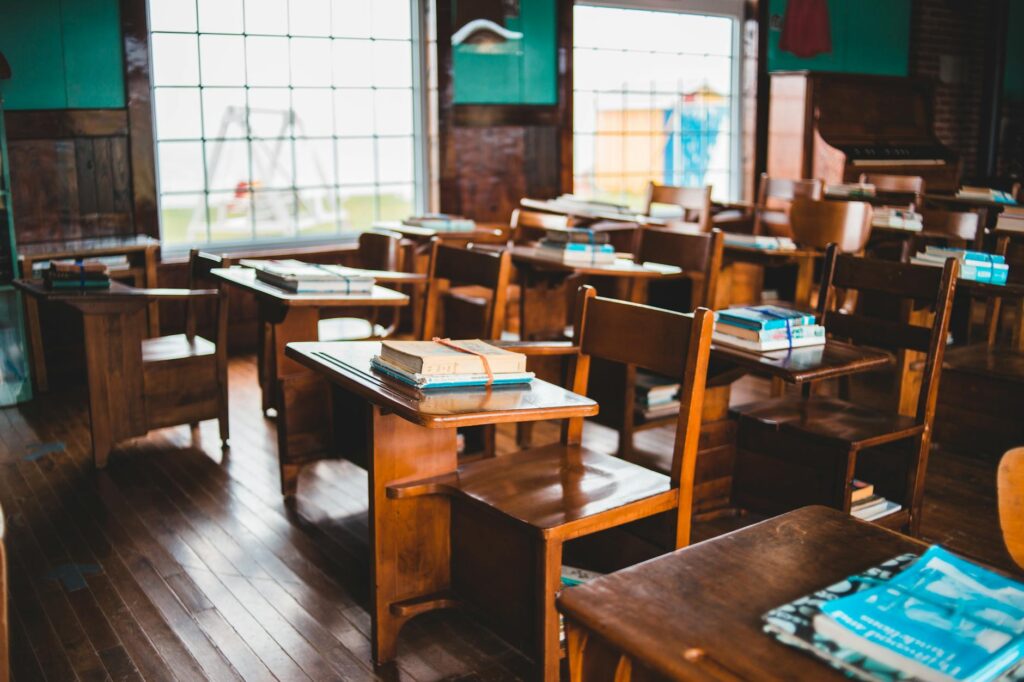
Look around any well-designed Waldorf classroom as of May 2026, and you’ll notice an abundance of wood, wool, cotton, and beeswax. Furniture is typically made from solid wood, often left unfinished or treated with natural oils. Toys are simple and open-ended, encouraging children to use their imagination rather than dictating specific play scenarios. Think wooden dolls, simple fabric animals, and blocks that can become anything from a house to a spaceship.
Colour Palette and Natural Light
The colour scheme in a Waldorf classroom is usually soft and muted, favouring pastel shades like gentle blues, greens, and lavenders. These colours are chosen for their calming effect, creating a serene atmosphere conducive to focus and reflection. Bright, jarring colours are generally avoided, as they can be overstimulating for young children.
Natural light is also a crucial element. Classrooms are often oriented to maximise sunlight, and window coverings are kept simple. Artificial lighting is typically warm and diffused, avoiding harsh fluorescent bulbs. This focus on natural light not only creates a more pleasant environment but also connects children to the diurnal rhythms of the day.
Integrating Art and Imagination
Artistic expression is not an add-on in Waldorf education; it’s fundamental to the curriculum and the classroom environment. Every aspect of the learning day is infused with opportunities for creative engagement, from the way stories are told to the materials used for practical tasks.
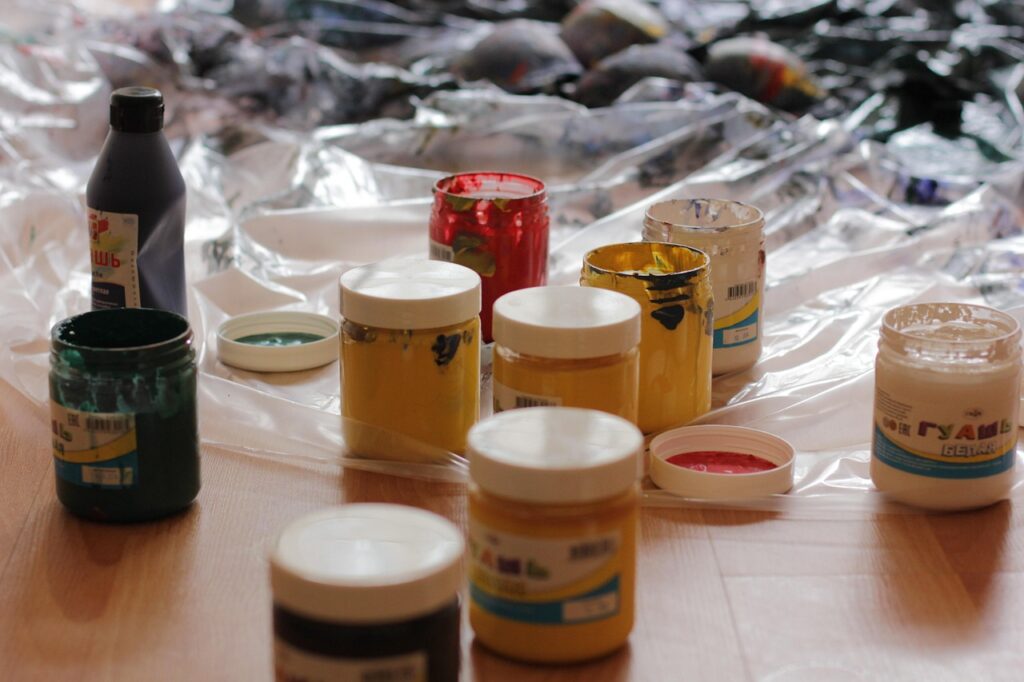
Activities such as wet-on-wet watercolour painting, beeswax modelling, drawing, and simple handicrafts are regular features. These activities are not about producing perfect results but about the process of creation, fostering fine motor skills, sensory exploration, and imaginative thought. The classroom itself often becomes a canvas, with children’s artwork displayed thoughtfully.
The Power of Storytelling and Puppetry
Storytelling is a vital pedagogical tool in Waldorf classrooms. Teachers often recount classic fairy tales, myths, and legends from memory, bringing them to life with their own voice and gestures. This practice nurtures listening skills, develops imagination, and imparts moral and ethical lessons in a deeply engaging way.
Puppetry, too, plays a significant role, particularly in the early years. Simple hand puppets or shadow puppets can be used to enact stories, introduce new concepts, or help children navigate social situations. This imaginative engagement makes learning memorable and deeply personal.
Rhythm, Routine, and Seasonal Celebrations
A predictable rhythm and routine are essential to the structure of a Waldorf classroom. This sense of order provides security and allows children to develop a deep understanding of their day, week, and year. The rhythm supports the child’s innate need for predictability while also incorporating variety and engagement.
The daily rhythm might include times for free play, circle time (often involving songs, movement, and stories), artistic activities, and practical work like baking or gardening. The weekly rhythm often sees specific activities assigned to particular days, such as painting on Tuesdays or baking on Thursdays.
Embracing the Seasons
Seasonal changes are celebrated and integrated into the classroom environment and activities. This connection to the natural world helps children understand the cycles of nature and their place within them. Nature tables are often adorned with objects that reflect the current season—leaves in autumn, pinecones in winter, flowers in spring.
Festivals marking solstices, equinoxes, and harvest times are key events, often involving special crafts, songs, and shared meals. These celebrations reinforce the sense of community and the connection between the classroom and the wider world. For example, a springtime festival might involve decorating the classroom with blossoms and singing songs about new life.
Open-Ended Play and Imaginative Spaces
Unlike many mainstream settings that provide highly specific toys and learning materials, Waldorf classrooms favour open-ended resources. These are items that can be used in multiple ways, allowing children to direct their own play and exercise their creativity.
Examples include wooden blocks, silk scarves, shells, stones, and simple dolls. A silk scarf can become a cape, a river, a blanket for a doll, or the sea. This approach encourages problem-solving, resourcefulness, and a deeper engagement with imaginative scenarios. The furniture itself is often arranged to create different zones – a quiet reading corner, a space for block building, an area for artistic exploration.
Creating a Sense of ‘Home’
The overarching goal is to create a space that feels warm, nurturing, and like a ‘home away from home’ for the children. This sense of safety and belonging is crucial for learning and development. The teacher’s attention to detail – from the soft furnishings to the arrangement of objects – contributes to this feeling.
For instance, a small, cosy nook with cushions and soft blankets can become a sanctuary for a child needing a quiet moment. The presence of natural elements like plants and flowers also contributes to this sense of organic comfort. As of May 2026, many educators are increasingly looking to these principles to create more humane and developmentally appropriate learning environments, even outside of formal Waldorf schools.
Practical Considerations for a Waldorf Classroom
While the aesthetic and philosophical underpinnings are central, practical considerations are also vital for establishing and maintaining a functional Waldorf classroom. This involves thoughtful sourcing of materials and ensuring the space supports the intended pedagogical approaches.
When sourcing materials, educators often look for durability, safety, and sustainability. Natural fibres, untreated wood, and non-toxic paints are preferred. While the initial investment in quality wooden toys and natural craft supplies might seem higher than for plastic alternatives, their longevity and the sensory experience they offer are considered worthwhile trade-offs. The Department for Education (DfE) in the UK, while not mandating specific classroom styles, does emphasise the importance of stimulating and safe learning environments, which aligns with Waldorf principles.
The Importance of Organisation and Simplicity
A key aspect of the Waldorf classroom is its organised simplicity. Clutter is minimised, and materials are stored in a way that’s accessible to children but also maintains a sense of order. Open shelving made of wood is common, allowing children to see and select materials easily.
Each type of material typically has its designated place, fostering a sense of responsibility and respect for the learning tools. This organised environment reduces distraction and helps children focus on the task at hand. For example, all the beeswax crayons might be stored in a specific wooden tray, and the watercolour paints in another.
Durability and Maintenance of Materials
Materials in a Waldorf classroom are chosen for their durability and ease of maintenance. Wooden toys, for instance, can withstand significant use and are easily cleaned. Natural fabrics can often be washed and repaired. This emphasis on longevity also ties into a broader theme of sustainability and resourcefulness.
While some items may require occasional repair or refinishing (e.g., waxing wooden blocks), this process can itself become a practical lesson for older children, teaching them about care and maintenance. The commitment to quality over quantity means that fewer, more strong items are preferred over a large quantity of disposable or fragile ones.
Waldorf Classroom vs. Other Educational Philosophies
Understanding the Waldorf classroom also involves recognising its distinctions from other educational philosophies, such as Montessori or traditional approaches. While all aim to support child development, their methods and classroom environments differ significantly.
Montessori classrooms, for example, are known for their highly structured environment with specially designed, self-correcting materials often made of wood. They emphasize individual work and mastery of specific skills. A Waldorf classroom, by contrast, often has a more fluid, artistic, and communal feel, with less emphasis on formalised, self-correcting materials and more on guided imaginative exploration and group activities.
Key Distinctions
Here’s a brief look at some key differences:
| Feature | Waldorf Classroom | Montessori Classroom | Traditional Classroom |
|---|---|---|---|
| Materials | Natural, open-ended (wood, wool, silk), focus on imagination | Specially designed, self-correcting (wood, metal, plastic), focus on skill mastery | Varied, often commercial, can include technology, focus on curriculum |
| Aesthetics | Soft colours, natural light, calming, home-like | Orderly, bright (natural/artificial), structured, organised | Can vary widely, often functional, may be colourful or sterile |
| Play | Central, imaginative, group-oriented | Structured exploration, individual focus | Often limited, structured or free play periods |
| Teacher Role | Guide, role model, storyteller | Observer, facilitator, presenter of materials | Instructor, director of learning |
| Technology | Minimised, especially in early years | Used judiciously as a tool | Increasingly integrated |
| Curriculum Focus | Head, hands, heart; arts, rhythm, narrative | Sensory, practical life, academics, individual pace | Academics, standardised testing, subject-based |
Common Challenges and Solutions in Waldorf Classrooms
While the Waldorf approach offers a rich educational experience, implementing its principles can present unique challenges. Educators and parents often encounter issues related to resource acquisition, managing expectations, and integrating these ideals within broader educational systems.
One common hurdle is the cost and availability of authentic Waldorf materials. Sourcing high-quality, natural toys and craft supplies can be more expensive than conventional options. Finding them might require specialist suppliers. Many schools and parents overcome this by prioritising key items, seeking out second-hand resources, or even making some materials themselves, which can be a rewarding creative process in itself.
Navigating Technology Integration
The Waldorf philosophy generally advocates for minimal screen time, especially in the early years, to protect children’s developing imaginations and sensory capacities. As of 2026, this stance can be challenging in a world where digital literacy is increasingly emphasised. Schools must find a balance, potentially introducing technology more deliberately in later grades or focusing on how digital tools can support, rather than replace, hands-on learning.
Some Waldorf-inspired educators suggest using technology for specific, teacher-led projects that enhance artistic or research-based learning, rather than for general classroom use. Clear guidelines and parental communication are key to managing this aspect successfully. The Education Endowment Foundation (EEF) in the UK, while not specific to Waldorf, does provide guidance on effective technology use in classrooms, which can be adapted.
Communicating the Philosophy
Explaining the Waldorf approach to parents, administrators, or inspectors unfamiliar with its unique methods can also be a challenge. The emphasis on play, arts, and narrative, and the delayed introduction of formal academics, can sometimes be misunderstood or viewed with scepticism.
Effective communication is crucial. This involves clearly articulating the developmental rationale behind Waldorf practices, highlighting the long-term benefits of fostering creativity, resilience, and a love for learning. Showcasing pupil work, sharing observations, and organising parent workshops can help build understanding and support for the Waldorf classroom environment.
Tips for Creating a Waldorf-Inspired Classroom
Even if you are not in a dedicated Waldorf school, many of its principles can be adapted to create a more nurturing and imaginative learning space. The core idea is to bring in elements of nature, art, and gentle rhythm.
Start by decluttering and simplifying. Remove unnecessary items and focus on creating calm visual zones. Introduce natural elements like plants, stones, or shells. Opt for soft, natural fabrics for cushions or displays. Prioritise natural light and use warm, diffused artificial lighting.
Incorporating Natural Materials
Source wooden blocks, simple dolls, and open-ended play materials. If budget is a constraint, begin with a few key items. Consider a nature table where children can bring in seasonal finds. Even simple items like pinecones or interesting stones can spark curiosity and imaginative play.
For art activities, invest in good quality beeswax crayons, watercolour paints, and modelling beeswax. Provide simple drawing paper and encourage free artistic exploration without excessive direction. The aim is to engage the senses and foster a creative flow.
Establishing Rhythm and Storytelling
Introduce a gentle daily rhythm, perhaps with a morning circle time involving songs and simple movements. Use storytelling as a regular part of your teaching, perhaps retelling familiar fairy tales or creating your own stories based on themes you are exploring. This builds listening skills and imagination.
Celebrate seasonal changes with simple decorations and activities. This could be as simple as bringing in autumn leaves for a display or singing spring-themed songs. The goal is to connect children to the natural world and its cycles, fostering a sense of wonder and belonging.
Frequently Asked Questions
What are the core principles of Waldorf education in a classroom setting?
Waldorf classrooms focus on educating the head, hands, and heart, integrating intellectual learning with practical skills, artistic expression, and social-emotional development. They prioritise imagination, rhythm, natural materials, and a deep connection to nature.
What kind of materials are typically found in a Waldorf classroom?
Materials are predominantly natural and open-ended, including wood, wool, silk, cotton, beeswax, and simple dolls. These encourage imaginative play and sensory exploration, avoiding plastic or highly specific, mechanised toys.
How does a Waldorf classroom differ from a Montessori classroom?
Waldorf classrooms emphasise imaginative play, storytelling, and a complete, artistic approach, often with a gentler pace. Montessori classrooms focus on structured, self-correcting materials, individual mastery of specific skills, and a more direct academic focus.
What is the role of the teacher in a Waldorf classroom?
The teacher acts as a guide, role model, and storyteller, creating a nurturing atmosphere and fostering a strong relationship with pupils. They embody the Waldorf philosophy, bringing warmth and creativity to the learning environment.
Is technology used in Waldorf classrooms?
Technology use is generally minimised, especially in early years, to protect children’s developing imagination and sensory capacities. In later grades, technology may be introduced judiciously for specific educational purposes that complement hands-on learning.
How can I create a Waldorf-inspired classroom on a budget?
Focus on decluttering, introducing natural elements like plants and stones, and sourcing simple, open-ended wooden toys. Prioritise quality over quantity, seek out second-hand items, and consider making some materials yourself to reduce costs.
Conclusion
The Waldorf classroom offers a powerful model for creating learning environments that are both beautiful and profoundly effective in nurturing young minds. By embracing natural materials, artistic integration, imaginative play, and a mindful rhythm, educators can cultivate spaces that foster deep engagement, creativity, and a lifelong love of learning. As we move further into 2026, the enduring wisdom of the Waldorf approach provides a vital blueprint for educating the whole child.
Last reviewed: May 2026. Information current as of publication; pricing and product details may change.
Source: edX
Related Articles
- Vipboxtv: Your UK Streaming Entertainment Guide 2026
- Valerie Giuliani: Her Story and 2026 Impact Update
- Classroom Bookcase Solutions for Engaging Learning Spaces 2026
Editorial Note: This article was researched and written by the Class Room Center editorial team. We fact-check our content and update it regularly. For questions or corrections, contact us.
Related read: 6x Classroom: Maximising Space and Learning in 2026.