
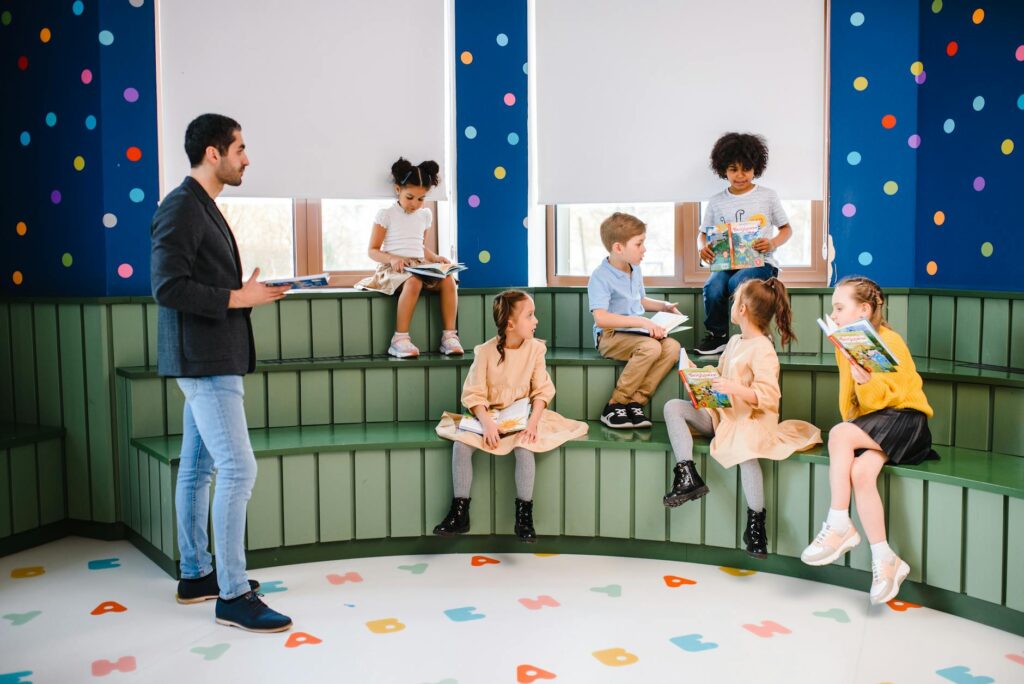
Classroom bookcase: The Evolving Role of the Classroom Bookcase in 2026
This guide covers everything about classroom bookcase. In 2026, the humble classroom bookcase has evolved far beyond a mere repository for books. It’s now a dynamic piece of educational furniture, actively contributing to the learning environment by promoting literacy, organisation, and student engagement. A thoughtfully selected classroom bookcase can spark curiosity, provide easy access to resources, and even serve as a focal point for reading corners.
Last updated: May 1, 2026
- A classroom bookcase in 2026 is a critical tool for fostering literacy and engagement, not just storage.
- Choosing the right bookcase involves considering age appropriateness, safety, durability, and accessibility.
- Different types of classroom shelving cater to specific needs, from mobile units to dedicated reading nook furniture.
- Effective organisation within a classroom bookcase enhances learning and encourages independent reading habits.
Understanding Your Classroom Needs: Age and Space
Selecting the appropriate classroom bookcase begins with a clear understanding of your students’ age group and the available space. For early years settings, child-safe bookcases with rounded edges and low-height access are paramount. These ensure young children can safely reach and return books independently. Conversely, older students might benefit from larger, multi-tiered units that can house more extensive collections.
Consider the physical dimensions of your classroom. A compact classroom might necessitate narrow, vertical shelving units to maximise floor space. For larger rooms, wider, more expansive units or modular systems can create inviting reading nooks. Always measure your intended space beforehand, ensuring the bookcase will fit comfortably without obstructing pathways or essential classroom functions.
Practical Insight: Before purchasing, sketch out your classroom layout. Visualizing where the bookcase will sit helps identify potential conflicts with doors, windows, or other furniture, preventing costly mistakes.
Safety First: Child-Safe Bookcase Design
When selecting a classroom bookcase, especially for younger children, safety features are non-negotiable. Look for units constructed from non-toxic materials, free from sharp edges or small, detachable parts that could pose a choking hazard. Rounded corners and smooth finishes are essential to prevent injuries during accidental bumps or falls.
Stability is another critical safety aspect. Ensure the bookcase is designed to be tip-resistant. Many modern classroom shelving units come with anti-tip hardware that can be secured to the wall. This is particularly important in active classrooms where children may lean on or climb on furniture. According to the Royal Society for the Prevention of Accidents (RoSPA) (2023), furniture tip-overs remain a significant risk in homes and educational settings, highlighting the importance of secure furniture.
Example: The ‘Child’s First Library’ range from specialist educational suppliers often features low, sturdy designs with open fronts, allowing easy book access while minimizing the risk of tipping. These are often made from birch plywood, a durable and safe material.
Material Matters: Durability and Aesthetics
The materials used in a classroom bookcase significantly impact its durability, maintenance, and overall aesthetic. Solid wood, such as beech or oak, offers exceptional longevity and a classic look, though it can be heavier and more expensive. Melamine-faced chipboard (MFC) or engineered wood is a popular choice for educational furniture due to its balance of durability, cost-effectiveness, and ease of cleaning.
Consider how the bookcase will be used. Will it be subjected to heavy daily use, frequent reorganizing, or potential spills? High-pressure laminate (HPL) finishes offer superior resistance to scratches, stains, and moisture, making them ideal for busy classroom environments. For a more aesthetically pleasing and environmentally conscious option, look for FSC-certified wood or recycled materials.
Practical Insight: Opt for bookcases with wipe-clean surfaces. This is crucial for maintaining hygiene in a classroom setting and simplifying the cleaning routine for educators.
Types of Classroom Bookcases and Shelving
The market offers a diverse range of classroom bookcase styles, each serving distinct purposes. Standard freestanding units are versatile, while tiered or stepped bookcases are excellent for displaying a variety of book sizes and encouraging children to select their own reading material. These are particularly effective for creating inviting reading corners.
Mobile classroom shelving units, equipped with castors, offer unparalleled flexibility. They allow educators to reconfigure the classroom layout easily, bringing books and resources closer to students or clearing space for different activities. For dedicated reading areas, consider specialised reading corner furniture that often incorporates comfortable seating alongside book display shelves.
Example Use Case: A Year 2 teacher might use a low, tiered bookcase for fiction books, a set of mobile trolleys for non-fiction topic books, and a wall-mounted display shelf for new arrivals or themed reading initiatives. This multi-faceted approach ensures books are accessible and visible.
Optimising Book Display and Accessibility
A classroom bookcase’s effectiveness hinges on how well it displays and makes books accessible to students. Books should be displayed with their covers facing outwards whenever possible, as this visual appeal is far more engaging for children than seeing only the spines. This ‘face-out’ display encourages browsing and selection.
Consider the height and depth of the shelves. Shelves should be deep enough to accommodate various book sizes but not so deep that books get lost at the back. Adjustable shelves offer greater flexibility, allowing you to customise heights for different book collections. For very young children, low-profile, open-fronted units are ideal, enabling them to see and reach books easily without adult assistance.
Practical Insight: Organise books by genre, reading level, or topic. Clear labels on shelves or book sections can help students find what they’re looking for and encourage them to return books to their correct places, fostering independence.
Beyond Books: Multi-Purpose Classroom Shelving
While the primary function is book storage, classroom bookcases can serve multiple purposes. Many units incorporate drawers, cubbies, or trays, providing excellent storage for other essential classroom materials. These can include art supplies, stationery, learning manipulatives, or even teacher resources and assessment materials.
Modular shelving systems are particularly adept at this versatility. They can be configured with a mix of shelves, baskets, and drawers to create a bespoke storage solution tailored to your specific classroom needs. This adaptability is key to maintaining an organised and functional learning space throughout the academic year.
Example: A teacher might use a bookcase with integrated bins to store alphabet blocks on one shelf, scissors and glue sticks in a drawer, and a collection of themed picture books on the open shelves. This consolidation reduces clutter and keeps essentials within easy reach.
Integrating Bookcases into Reading Corners and Learning Zones
A well-designed reading corner is a sanctuary for young readers, and the classroom bookcase is its anchor. Positioning a bookcase within a designated reading zone makes books a central, accessible feature. Consider pairing the bookcase with comfortable seating, soft lighting, and perhaps a small rug to create an inviting atmosphere.
For older students, integrating bookshelves into larger learning zones can support subject-specific research or independent study. Wall-mounted shelves can display relevant texts above desks, while low, accessible units can hold resources for group work areas. The goal is to make reading materials readily available and integrated into the flow of learning activities.
Unique Insight: Consider using a bookcase not just for storage, but as a visual storytelling tool. Displaying books with eye-catching covers, or even incorporating small thematic displays on the shelves (e.g., a few toy animals next to a book about farm animals), can significantly boost student interest and comprehension.
Common Mistakes to Avoid When Choosing a Classroom Bookcase
One common mistake is overlooking durability. Cheaply made bookcases may look appealing initially but can quickly become wobbly, damaged, or unsafe in a busy classroom. Investing in well-constructed, strong furniture, even if it means a higher upfront cost, saves money and ensures safety in the long run. According to furniture industry standards, commercial-grade furniture is built to withstand higher usage cycles than domestic equivalents.
Another pitfall is inadequate consideration of accessibility. Bookcases that are too tall, too deep, or have shelves that are too high for the youngest students effectively deter independent use. Always prioritise designs that allow children of the target age group to easily see, reach, and replace books themselves. For instance, a unit designed for a secondary school library would be entirely unsuitable for a reception class.
Failing to plan for future needs is also a common oversight. Classrooms often evolve, and curriculum demands change. Choosing modular or adaptable shelving systems provides the flexibility to reconfigure storage as your teaching strategies and resource needs change over time. A fixed, overly specialised unit might become obsolete quickly.
Expert Tips for Maximizing Your Classroom Bookcase
Rotate your book displays regularly. Keeping the selection fresh and showcasing different genres or themes will re-engage students and encourage them to explore new titles. Use the top shelves for teacher resources or special displays, keeping the most accessible shelves for student use.
Integrate technology where appropriate. While not directly part of the bookcase itself, consider how digital resources can complement physical books. QR codes linking to author interviews or related online content can be placed near books. As of April 2026, digital integration in early literacy is a growing trend, supported by organisations like the National Literacy Trust.
Expert Insight: Encourage student involvement in maintaining the bookcase. Assigning ‘librarian helper’ roles can foster a sense of ownership and responsibility, teaching valuable organizational skills. This also helps ensure books are returned to the correct spots.
Frequently Asked Questions
What are the most important safety features for a classroom bookcase?
Key safety features include tip-resistance, secured anti-tip hardware, rounded edges, non-toxic materials, and stable construction. For younger children, low heights and open fronts are crucial for preventing accidents and ensuring easy, safe access to books.
How can I make my classroom bookcase more engaging for students?
Display books with covers facing outwards. Regularly rotate featured books, themes, or genres. Incorporate small, relevant displays on shelves. Ensure the bookcase is easily accessible and placed within an inviting reading corner with comfortable seating.
What is the best material for a classroom bookcase?
Durable materials like solid wood (e.g., beech) or high-quality MFC with laminate finishes are best. These offer longevity, ease of cleaning, and resistance to wear and tear. Check for non-toxic certifications and, if possible, sustainable sourcing (e.g., FSC certified).
How do I choose the right size classroom bookcase?
Consider your available space and the size of your student cohort. Measure the intended location carefully. For younger children, low, wide units are ideal. For older students or larger collections, taller, multi-tiered or modular units might be more suitable.
Can classroom bookcases be used for more than just books?
Absolutely. Many classroom bookcases feature integrated drawers, cubbies, or trays perfect for storing art supplies, stationery, learning manipulatives, and teacher resources. Modular systems allow for mixed configurations to suit diverse storage needs.
What are the benefits of mobile classroom shelving?
Mobile shelving offers excellent flexibility, allowing educators to reconfigure classroom layouts easily. Books and resources can be moved closer to students for specific activities or stored away neatly, optimising space and supporting dynamic teaching methods.
Conclusion: Investing in a Foundation for Literacy
A classroom bookcase is a fundamental element of an effective and inspiring learning environment in 2026. By carefully considering age appropriateness, safety, material, and display strategies, educators can select or create shelving that not only organises resources but actively encourages a love of reading and independent learning.
Actionable Takeaway: Assess your current classroom setup and identify one specific improvement you can make to your book storage or display this week to enhance student engagement with reading.
Source: edX
Editorial Note: This article was researched and written by the Class Room Centre editorial team. We fact-check our content and update it regularly. For questions or corrections, contact us. Knowing how to address classroom bookcase early makes the rest of your plan easier to keep on track.


