
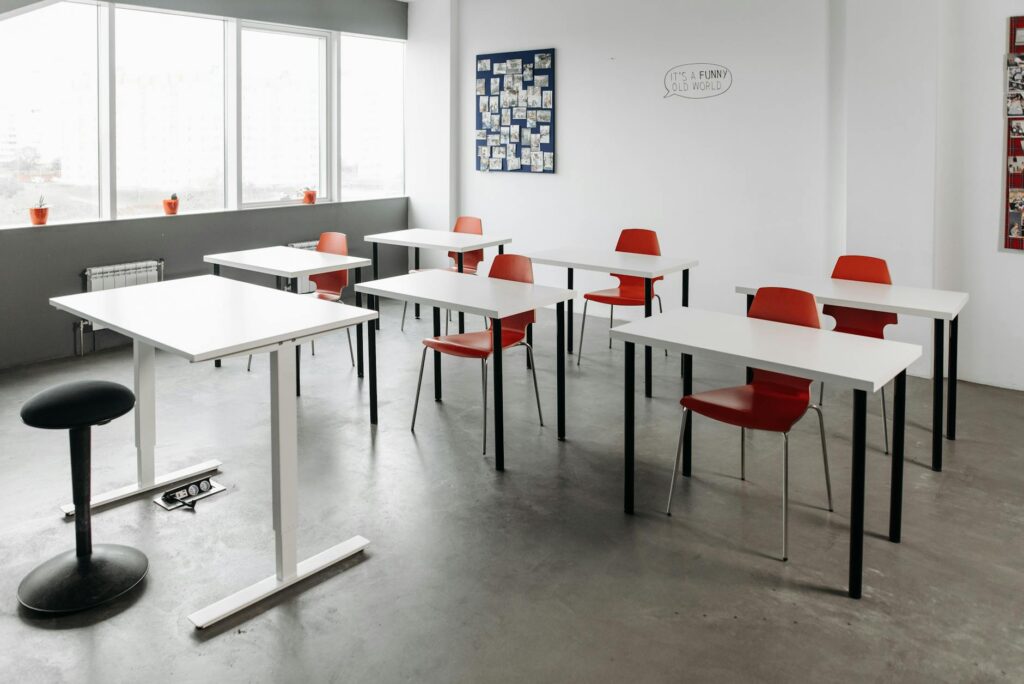
The Evolving Role of Classroom Stools in Modern Education
This guide covers everything about classroom stools. Classroom stools are no longer just a novel addition to a flexible to seat arrangement; they are a deliberate choice to foster active learning and improve student focus. As of April 2026, educators are increasingly recognising their potential, but it’s crucial to look beyond the trend and understand their practical impact.
Last updated: May 1, 2026
- Classroom stools can enhance student engagement and focus by promoting active postures and movement.
- Proper selection is vital, considering age, size, adjustability, and safety features to maximise benefits.
- While beneficial, stools may not be suitable for all students or all learning activities, requiring careful integration.
- Integrating stools effectively involves understanding their role within a broader flexible seating ecosystem.
- Educators should prioritise stability, durability, and ease of cleaning when selecting stools for the classroom environment.
The traditional classroom, with its rows of desks and chairs, is rapidly transforming. Flexible seating options are at the forefront of this shift, aiming to create more dynamic and student-centred learning environments. Among these, classroom stools have emerged as a popular, albeit sometimes debated, choice.
This guide dives deep into the world of classroom stools, exploring their benefits, drawbacks, and how to implement them effectively in your educational setting as of 2026. We’ll challenge common assumptions and provide actionable insights for educators and administrators.
Understanding the Core Appeal of Classroom Stools
At their heart, classroom stools are designed to offer an alternative to static seating. They encourage a subtle engagement with the body, prompting micro-movements that can keep students more alert and focused than prolonged sitting in a traditional chair. This active engagement is a key driver for their adoption.
The appeal lies in their simplicity and versatility. Unlike bulky chairs, stools can be easily moved, stacked, and reconfigured to suit different learning activities, from individual work to small group collaboration. This adaptability is invaluable in modern, multi-purpose classroom designs.
Imagine a science lesson where students gather around a central experiment. Stools of varying heights can be quickly pulled up to the lab tables, allowing each student a clear view and comfortable, yet engaged, posture without requiring a full classroom reset.
Types of Classroom Stools: A 2026 Overview
The market offers a diverse range of classroom stools, each designed with specific needs in mind. Understanding these variations is key to making an informed decision for your students.
- Fixed-Height Stools: These are often the most durable and cost-effective. They come in various heights, suitable for different age groups or desk heights. Their simplicity means fewer moving parts to break.
- Adjustable-Height Stools: Offering greater flexibility, these stools allow for customization to individual student needs or different workstation heights. This is crucial for ergonomic comfort and long-term use across grade levels.
- Active/Wobble Stools: Designed with a slightly unstable base, these stools encourage core engagement and constant micro-movements. They are often used for short periods or by students who benefit from sensory input.
- Stackable Stools: Ideal for space-constrained classrooms, these stools can be neatly stored when not in use, preserving valuable floor space.
A kindergarten classroom might opt for sturdy, fixed-height stools in bright colours, ensuring they are safe and easy for young children to maneuver. Conversely, a middle school science lab might benefit from adjustable-height, anti-microbial stools that can withstand frequent use and cleaning.
Ergonomic Benefits and Considerations for Student Posture
The ergonomic advantages of classroom stools are frequently cited, but they hinge on proper selection and use. An improperly sized stool can be more detrimental than beneficial.
When a stool is the correct height, it allows a student’s feet to rest flat on the floor or a footrest, with knees bent at approximately 90 degrees. This posture promotes better spinal alignment and reduces pressure points compared to slouching in an oversized chair.
Active stools, in particular, engage core muscles. This can improve overall body awareness and support development, especially in younger children. However, prolonged use of highly unstable stools without proper guidance might lead to fatigue or distraction for some students.
A student using a height-adjustable stool that perfectly matches their desk height and body proportion can maintain an upright posture for longer periods. This contrasts with a student hunched over a desk in a chair that’s too low, leading to back strain.
Addressing the Drawbacks: Stability, Safety, and Suitability
Despite their advantages, classroom stools come with potential downsides that educators must acknowledge. One primary concern is stability, especially for younger children or in busy classroom environments.
Accidental tipping can occur, posing a risk of injury. Stools with wider bases, non-slip feet, and a lower centre of gravity generally offer better stability. Active stools, by design, are less stable, and their use should be carefully managed.
Suitability is another factor. Not all learning activities lend themselves to stool seating. Tasks requiring extensive writing or prolonged periods of concentration might be better suited to more supportive seating. Also, some students may have physical needs or sensory processing differences that make stools inappropriate or uncomfortable.
In a classroom with a lot of movement and transitions, a lightweight, unstable stool could easily be knocked over. Conversely, a student with limited core strength might find it difficult to maintain balance on an active stool for an entire lesson period.
Integrating Classroom Stools into a Flexible Seating Ecosystem
The true power of classroom stools is realised when they are part of a thoughtfully designed flexible seating ecosystem. They should not be the only option but one component among many.
A successful flexible seating plan typically includes a range of options: traditional chairs, stools, stability balls, floor cushions, standing desks, and soft seating areas. This variety caters to different learning styles, physical needs, and task requirements.
Teachers can designate specific zones within the classroom for different seating types, allowing students to choose where they work best for a given activity. Clear expectations and guidance are crucial for this approach to function smoothly.
A reading nook might feature comfortable floor cushions and low tables, while a collaborative workspace could have height-adjustable stools around a large table, and individual focus areas might offer traditional desks with chairs.
Choosing the Right Classroom Stools: Key Factors for 2026
Selecting the appropriate classroom stools requires careful consideration of several critical factors to ensure they meet the needs of your students and the demands of the classroom environment.
- Age and Size Appropriateness: Stool height must correspond to the age and typical size of the students using them, as well as the height of the desks or tables.
- Durability and Materials: Look for sturdy construction, often from materials like molded plastic, metal, or solid wood, that can withstand daily use. Easy-to-clean surfaces are a major plus.
- Safety Features: Non-slip bases, rounded edges, and weight capacity are essential safety considerations. For active stools, ensure they are designed for educational use and meet relevant safety standards.
- Adjustability: For long-term flexibility and ergonomic support, height-adjustable stools are often a worthwhile investment, accommodating growth and different users.
- Stackability and Storage: If space is limited, stackable stools are a practical solution for easy storage and quick classroom reconfiguration.
- Comfort and Ergonomics: While stools are generally less cushioned than chairs, some offer contoured seats or back support options that enhance comfort for longer periods.
For a preschool setting, you might prioritise stackable, molded plastic stools with a low, stable base. For a secondary school study hall, heavier, adjustable-height metal stools with a wider seat might be more appropriate.
Real-World Classroom Stool Success Stories
Many educators have found success by thoughtfully integrating classroom stools. For instance, Northwood Elementary School implemented a flexible seating model in their third-grade classrooms in 2026. They introduced a mix of wobble stools, standard stools, and floor cushions alongside traditional desks.
Teachers reported a noticeable increase in student engagement during math and science lessons, where active participation was key. Students who previously struggled to sit still were observed to be more focused, channeling their energy into tasks rather than fidgeting aimlessly. The stools were particularly effective when used for project-based learning stations.
Another example comes from a charter school in California, which adopted adjustable-height stools for its seventh-grade collaborative learning spaces. This allowed students to easily adjust their seating height to match various table configurations and work comfortably in groups of different sizes. The school noted improved participation in Socratic seminars and group problem-solving activities, attributing some of the success to the ability for students to choose seating that supported their preferred working style.
One teacher at Northwood noted, “Before, during our interactive math games, some students would slump or get distracted. With the stools, they sit taller, their eyes are on the activity, and they’re more willing to jump in and answer questions. It’s a small change, but the impact on focus is significant.”
Common Pitfalls to Avoid with Classroom Stools
While beneficial, the implementation of classroom stools isn’t without its potential pitfalls. Being aware of these common mistakes can help educators avoid them.
- Over-reliance on Active Stools: Assuming that all students benefit equally from highly unstable seating can lead to frustration and distraction for those who need stability.
- Incorrect Sizing: Using stools that are too tall or too short for the students or desks creates ergonomic problems, defeating the purpose.
- Lack of Variety: Replacing all traditional seating with stools can exclude students with specific needs or those who simply prefer or require a more stable seating option.
- Insufficient Guidance: Not teaching students how to use stools properly (e.g., maintaining posture, not rocking excessively) can lead to misuse, safety issues, and reduced effectiveness.
- Ignoring Durability and Maintenance: Opting for the cheapest option without considering build quality and ease of cleaning can result in frequent replacements and hygiene concerns.
A teacher might purchase a large number of active stools thinking they will boost focus for everyone, only to find that several students become more restless due to the constant need to balance, or that the stools are simply too difficult to manage for younger learners.
Expert Tips for Maximizing Classroom Stool Effectiveness
To truly harness the potential of classroom stools, consider these expert-endorsed strategies:
- Differentiate Seating Zones: Create distinct areas in your classroom for different types of seating. For example, a quiet zone might have stable chairs, while a collaborative zone features stools.
- Prioritise Ergonomics: Ensure stools are the correct height for the intended users and desks. Consider adjustable options for maximum flexibility. The American Academy of Pediatrics recommends ergonomic considerations for all school furniture [check official source for current figures].
- Teach Proper Use: Dedicate time early in the school year to instruct students on how to use stools safely and effectively, focusing on posture and appropriate classroom behaviour.
- Incorporate Movement Breaks: Even with active seating, scheduled movement breaks are essential for all students. Stools can be part of a strategy to encourage movement, not a replacement for it.
- Regularly Assess and Adapt: Periodically review the effectiveness of your seating arrangements. Gather student feedback and observe engagement levels to make necessary adjustments.
- Consider Material and Maintenance: Opt for durable, easy-to-clean materials. Antimicrobial surfaces are a valuable consideration in today’s educational environments. Many manufacturers now offer stools with these features, a trend that has accelerated since 2024.
- Balance with Other Options: Always maintain a variety of seating choices to cater to diverse needs. This might include floor seating, traditional chairs, and standing options.
Unique Insight: Beyond physical ergonomics, consider the psychological comfort stools can offer. For some students, the slight distance and independence from a traditional desk can foster a sense of ownership over their learning space, leading to increased engagement. This subtle psychological shift is often overlooked.
Frequently Asked Questions About Classroom Stools
Are classroom stools safe for young children?
Classroom stools can be safe for young children when chosen carefully. Prioritise models with wide, stable bases, rounded edges, and appropriate heights. Always supervise young children and teach them how to use stools safely.
How do I choose the right height for classroom stools?
The ideal stool height allows students’ feet to rest flat on the floor or a footrest, with their knees bent at roughly 90 degrees. Their forearms should comfortably rest on the desk or table surface while working.
Can classroom stools help improve student focus?
Yes, for many students, the subtle movement and active posture encouraged by stools can improve focus and reduce fidgeting. However, this benefit is not universal; some students may find unstable seating distracting.
What are the best materials for classroom stools?
Durable materials like molded plastic, metal, or solid wood are common. Look for easy-to-clean surfaces, and consider antimicrobial coatings for enhanced hygiene, especially in high-traffic areas.
Should all classrooms switch to stools?
No, a diverse seating environment is generally most effective. Stools should be one option among many, complementing traditional chairs, floor cushions, and standing desks to meet varied student needs.
How do I clean and maintain classroom stools?
Cleaning methods depend on the material. Most plastic and metal stools can be wiped down with a mild disinfectant. Wood stools may require specific wood cleaners. Regular checks for loose parts or damage are also essential.
Conclusion: Intentional Seating for Enhanced Learning
Classroom stools offer a compelling way to introduce flexibility and active engagement into the learning environment. As of 2026, their role is well-established, but their effectiveness hinges on thoughtful selection, proper integration within a varied seating landscape, and clear guidance for students.
Actionable Takeaway: Before investing in classroom stools, conduct a classroom audit to identify specific needs, evaluate your existing furniture, and create a plan for how stools will complement other seating options to support diverse learning activities and student needs.
Source: edX
Editorial Note: This article was researched and written by the Class Room Centre editorial team. We fact-check our content and update it regularly. For questions or corrections, contact us. Knowing how to address classroom stools early makes the rest of your plan easier to keep on track.


