You’ve seen those impossibly curled, dramatically lifted lashes all over social media, right? And you’ve probably wondered if it’s just too good to be true. The whole idea of waking up with perfect lashes—no mascara needed—sounds like a total dream, doesn’t it? That’s the allure of ‘cils lifting,’ or what we commonly call a lash lift. But hold on a sec—beneath that glossy surface, there’s a whole world of nuance mainstream beauty advice often skips right over. The American Academy of Ophthalmology (AAO) even chimes in, reminding us that while lash lifts can definitely offer a noticeable enhancement, understanding the true process and all those potential risks is absolutely key.
Last updated: April 26, 2026
From what we’re seeing in recent industry reviews and chatting with the experts, there’s often a pretty stark contrast between all that marketing hype and the actual reality of lash lift treatments. Most articles out there just zoom in on the ‘how-to’ and that undeniable ‘wow’ factor, but hardly any actually dig into the fundamental assumptions, do they? Well, this article? We’re here to pull back that curtain, give you a truly balanced view on cils lifting, and really hone in on what actually matters for safe, effective, and lasting results—as of April 2026, mind you.
We’re going to challenge the notion that it’s this universally perfect solution, dive into those less-discussed risks, and arm you with the knowledge you need to make a truly informed decision, instead of just blindly chasing the latest trend. Our goal here isn’t to scare you away from cils lifting, not at all! It’s to empower you with a deeper understanding—one that really moves beyond those tempting, but often superficial, promises.
What is Cils Lifting Really?
So, at its core, what is cils lifting? It’s basically a semi-permanent cosmetic procedure designed to enhance the appearance of your natural eyelashes by giving them a lifted, curled, and more open-eyed look. It involves applying a series of specialized solutions to the lashes—which work to break down and then reform the protein bonds (disulfide bonds) within each lash hair. This process allows the lashes to be reshaped and set into a desired upward curl.
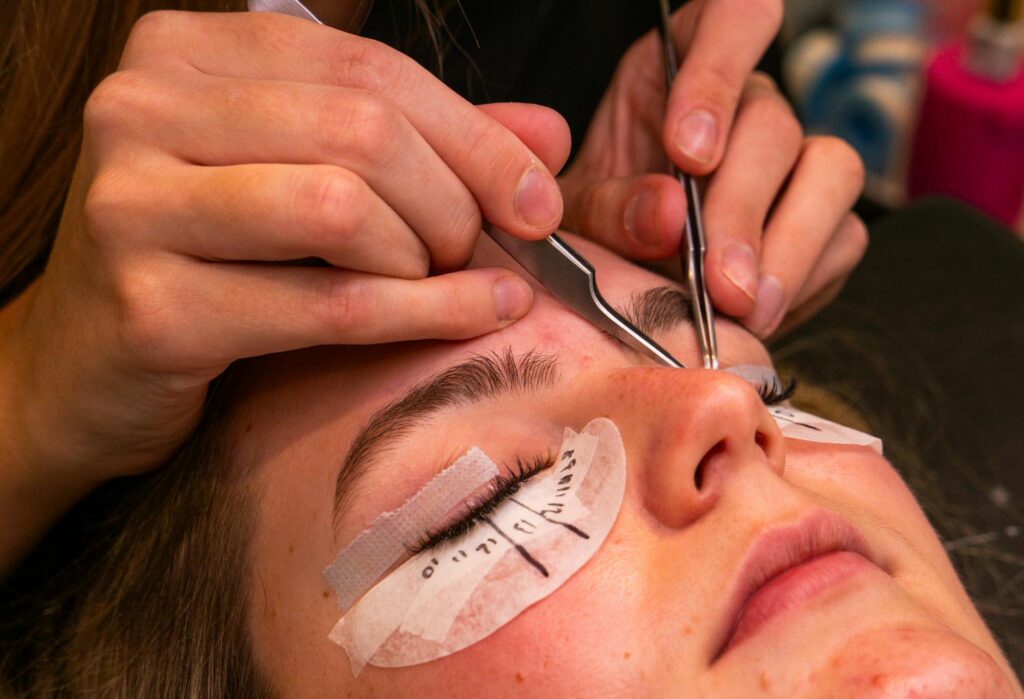
The typical lash lift process begins with a consultation to assess your natural lash type, length, and desired outcome. A small, curved silicone shield or rod is then gently placed against the eyelid, just above the lash line. Your natural lashes are carefully brushed and adhered to this shield using a specialized, water-soluble adhesive. Once secured, a lifting solution is applied to the lashes.
This solution contains ingredients like thioglycolic acid or ammonium thioglycolate—which work to break the disulfide bonds in the keratin structure of the hair. A setting solution follows this, often containing hydrogen peroxide—which neutralizes the lifting solution and reforms the disulfide bonds in the new, lifted shape. Many treatments also include a conditioning serum or a keratin infusion to help replenish moisture and strengthen the lashes after the chemical process. Also, an eyelash tint is frequently offered as an optional step to darken the lashes, making the lift appear more pronounced and reducing the need for mascara.
What truly distinguishes a lash lift from a traditional eyelash perm is the use of these specialized shields. Unlike perms that might use curlers or rods that create a tighter curl, the lash lift shield is designed to lift the lashes vertically from the root. This technique provides a more natural, fanned-out appearance and creates the illusion of longer, fuller lashes with a beautifully open-eyed effect—which is the signature look seen across popular beauty platforms.
Latest Update (April 2026)
As of April 2026, the lash lift industry is witnessing significant advancements driven by a stronger focus on lash health and personalized treatments. Recent innovations in lash lift formulations are prioritizing gentler, more conditioning ingredients. According to beauty industry trend reports for 2026, there’s a substantial emphasis on customizable treatment plans. This means technicians are increasingly taking into account individual lash curl patterns, growth directions, and even the specific health of each client’s lashes to tailor the lift accordingly. It’s moving away from a one-size-fits-all approach towards a more bespoke service.
The American Optometric Association (AOA) continues to highlight the importance of professional application and strict adherence to safety protocols. They stress that improper application or the use of substandard products can lead to adverse effects, making the choice of a qualified technician and a reputable salon more critical than ever. Independent reviews from aesthetic professionals highlight the emergence of hybrid treatments that combine lash lifting with lash botox or specialized nourishing serums. These advanced treatments aim not only to lift and curl but also to deeply condition and strengthen the lashes. Some formulations now incorporate ingredients like hyaluronic acid, panthenol (Pro-Vitamin B5), and various amino acids to actively improve lash condition post-treatment. As reported by several leading beauty publications in early 2026, the demand for these enhanced, health-focused lash lift services is rapidly growing, reflecting a consumer shift towards treatments that offer both aesthetic benefits and long-term lash well-being.
Debunking Common Cils Lifting Myths
Myth 1: Lash Lifts are Completely Natural and Risk-Free
While lash lifts use your own natural lashes, the process involves chemical solutions. Reports from the American Academy of Ophthalmology (AAO) caution that these chemicals, if not handled correctly or if left on for too long, can cause eye irritation, allergic reactions, redness, swelling, and in rare cases, damage to the lash line or cornea. The solutions work by altering the protein structure of the hair, which is an inherently chemical process. Therefore, ‘natural’ is a misnomer; it’s about enhancing what you already have, but it’s not a risk-free, all-natural treatment. The quality of the products used and the skill of the technician are paramount to minimizing risks.
Myth 2: A Lash Lift Lasts Forever
The ‘semi-permanent’ aspect of a lash lift is key here. The results are not permanent. As of April 2026, most lash lifts last between 6 to 8 weeks. This duration depends on several factors, including your natural lash growth cycle, how well you care for your lashes post-treatment, and the specific products used.
Your natural lashes are constantly shedding and growing back. As new lashes emerge, they will do so in their natural state, gradually diminishing the lifted appearance of the overall lash line. Proper aftercare, as recommended by your technician, can help maintain the lift for its intended duration.
Myth 3: Lash Lifts Damage Your Natural Lashes
This is a common concern, and it’s understandable given the use of chemicals. However, when performed by a trained and certified professional using high-quality, reputable products, lash lifts should not permanently damage your natural lashes. The potential for damage arises from incorrect application, overuse of solutions, improper processing times, or the use of harsh, unregulated products. Reputable technicians prioritize lash health by using conditioning agents within the treatment and offering post-care advice. The American Optometric Association (AOA) emphasizes that choosing a qualified professional significantly reduces the risk of adverse effects, including damage.
Myth 4: You Can’t Wear Mascara After a Lash Lift
This is largely untrue. Most technicians recommend waiting at least 24-48 hours after the treatment before applying any eye makeup, including mascara. Once that initial period has passed, you can typically resume wearing mascara. In fact, many clients find they need significantly less mascara, or none at all, to achieve their desired look. However, it’s advisable to use oil-free mascaras and avoid waterproof formulas, as these can be harsher on lifted lashes and potentially shorten the lifespan of the lift. Gentle makeup removal is also crucial.
Myth 5: All Lash Lifts Look the Same
The outcome of a lash lift can vary significantly based on the technician’s skill, the type and size of the silicone shield used, and your natural lash characteristics. A skilled technician will assess your eye shape, lash length, and curl direction to select the most appropriate shield and processing time to achieve your desired look—whether that’s a subtle lift, a dramatic curl, or a more fanned-out appearance. As of 2026, customization is a major trend, with technicians offering tailored solutions for different lash types and client preferences.
The Science Behind the Curl: How Cils Lifting Works
Understanding the chemistry involved can demystify the process. Eyelash hairs, like all hair on the body, are primarily composed of a protein called keratin. Keratin strands are held together by disulfide bonds, which give the hair its structure and shape. The lash lift process specifically targets these disulfide bonds.
Step 1: Breaking Down Bonds
The first solution applied, the lifting lotion, typically contains an alkaline agent such as ammonium thioglycolate. This agent penetrates the hair shaft and breaks the disulfide bonds. This process softens the keratin structure, making the lash pliable and allowing it to be reshaped.
Step 2: Reshaping and Setting
After the lifting lotion has processed for a specific duration (determined by lash type and desired outcome), it’s removed. Then, a neutralizing or setting solution is applied. This solution, often containing hydrogen peroxide, works to reform the disulfide bonds. Crucially, the bonds are reformed while the lashes are held in their new, lifted position against the silicone shield. This step permanently sets the new curl into the lashes.
Step 3: Conditioning and Tinting (Optional)
Many treatments conclude with a deep conditioning serum or a keratin treatment to replenish moisture and nutrients stripped during the chemical process. This helps to strengthen the lashes and improve their overall health. An optional tint can be applied at this stage to darken the lashes, providing a fuller, more dramatic appearance and reducing reliance on mascara.
Choosing the Right Technician and Salon
Given the potential risks, selecting a qualified and experienced lash technician is arguably the most critical step in the entire process. As of April 2026, certifications and ongoing training are becoming increasingly important indicators of a technician’s expertise. Look for professionals who have completed accredited courses and regularly update their skills.
What to Look For:
- Certifications and Training: Ensure the technician holds relevant certifications from reputable lash artistry academies.
- Experience: Ask how long they have been performing lash lifts and if they have experience with your specific lash type.
- Sanitation Practices: A clean and sterile environment is non-negotiable. Observe the technician’s hygiene practices.
- Consultation: A thorough consultation is essential. A good technician will discuss your desired results, assess your lashes, explain the process, and go over potential risks and aftercare.
- Product Knowledge: They should be knowledgeable about the products they use, including ingredients and their purpose.
- Reviews and Testimonials: Check online reviews and ask for before-and-after photos from the salon or technician.
Reputable salons and technicians will be transparent about their processes and products. They will prioritize your safety and lash health above all else. As the American Optometric Association (AOA) frequently advises, never compromise on safety for the sake of a trend or a lower price point.
Aftercare for Long-Lasting Results
Proper aftercare is vital to maximize the longevity and appearance of your lash lift. Adhering to these guidelines can help your lashes stay beautifully curled for the full 6-8 weeks.
- Avoid Water and Steam (Initially): For the first 24-48 hours, keep your lashes dry. Avoid showering, swimming, saunas, steam rooms, and intense workouts that cause excessive sweating. Water and steam can disrupt the setting process and cause the curl to relax prematurely.
- Gentle Cleansing: After the initial 48 hours, cleanse your face gently. Use an oil-free cleanser and avoid rubbing your eyes vigorously. Pat the eye area dry carefully with a clean towel.
- No Rubbing or Touching: Try to avoid touching, rubbing, or pulling your lashes. This can disrupt the curl and potentially cause breakage.
- Mascara and Makeup: As mentioned, wait 24-48 hours before applying mascara. Opt for oil-free formulas. When removing eye makeup, use a gentle, oil-free makeup remover and a soft cotton pad, wiping away from the lash line.
- Conditioning: Consider using a lash serum or conditioner recommended by your technician a few times a week, especially after the initial 48 hours. This helps to keep lashes hydrated and healthy, counteracting any dryness from the treatment.
- Sleep Habits: Sleeping on your back can help protect your lashes from being flattened or disturbed by your pillow.
Following these steps diligently ensures that your lash lift remains intact and your lashes look their best for as long as possible.
Potential Risks and How to Mitigate Them
While lash lifts are generally safe when performed correctly, potential risks exist. Awareness and proactive measures can significantly reduce these possibilities.
- Allergic Reactions: Ingredients in the lifting or setting solutions can cause allergic reactions in some individuals. Symptoms may include redness, itching, swelling, or a rash. Mitigation: Always perform a patch test 24-48 hours before the full procedure if you have sensitive skin or a history of allergies. Communicate any known sensitivities to your technician.
- Eye Irritation: Solutions entering the eye can cause stinging, burning, or redness. Mitigation: Ensure the technician uses protective shields (like eye pads) and works meticulously to prevent solutions from contacting the eyes. Never have the procedure done by someone who doesn’t use proper eye protection.
- Over-processing/Damage: Leaving the solutions on too long or using overly harsh chemicals can lead to brittle, broken, or over-processed lashes. Mitigation: Choose a certified and experienced technician who understands lash processing times based on lash type and condition.
- Uneven Results: Lashes may appear unevenly curled or lifted if the application is not precise or if the wrong shield size is used. Mitigation: Again, technician skill is key. Look for before-and-after photos and read reviews to gauge the technician’s ability to produce consistent results.
- Infection: Although rare, improper sanitation can lead to eye infections. Mitigation: Verify the salon’s and technician’s hygiene standards. Tools should be properly sterilized, and single-use items should be discarded after each client.
The American Academy of Ophthalmology (AAO) advises consumers to be informed about the risks associated with any cosmetic procedure involving the eyes and to seek professional medical attention immediately if adverse reactions occur.
Frequently Asked Questions
How long does a lash lift typically last as of 2026?
As of April 2026, a lash lift typically lasts between 6 to 8 weeks. This timeframe can vary based on individual lash growth cycles, aftercare practices, and the quality of products used during the treatment.
Can I wear waterproof mascara with a lash lift?
it’s generally recommended to avoid waterproof mascaras as they can be harsher to remove and may shorten the lifespan of your lash lift. Opt for oil-free, water-based mascaras and be gentle when removing makeup.
Is a lash lift painful?
A lash lift should not be painful. You may feel a slight tingling sensation from the solutions, but any burning, stinging, or discomfort indicates a problem. A qualified technician will ensure the process is comfortable and pain-free.
What’s the difference between a lash lift and eyelash extensions?
A lash lift enhances your natural lashes by curling and lifting them from the root using solutions. Eyelash extensions involve applying synthetic or natural fibers to your individual lashes using adhesive, adding length and volume. Lash lifts are lower maintenance and work with your natural lashes, while extensions require more diligent care and infills.
Can I do a lash lift at home?
While DIY lash lift kits are available, they are generally not recommended by beauty professionals or ophthalmologists. The risk of incorrect application, chemical burns, eye irritation, or permanent damage is significantly higher when performing the procedure yourself without proper training and understanding of the sensitive eye area and chemical solutions.
Conclusion
Cils lifting, or the lash lift, offers a compelling way to achieve beautifully curled and lifted lashes without the daily hassle of mascara or curlers. As of April 2026, the industry continues to evolve, with a greater emphasis on personalized treatments and lash health. However, it’s crucial to move beyond the hype and understand that this is a chemical cosmetic procedure. By debunking common myths, choosing a skilled and certified technician, and diligently following aftercare instructions, you can safely enjoy the stunning results of a lash lift while minimizing potential risks. An informed decision empowers you to embrace the beauty of lifted lashes with confidence and peace of mind.
Source: Vogue
Related Articles
- CTFU Meaning: What It Means in Text, Chat & Social Media 2026
- ReadTheory.org Login: Your 2026 Guide to Free Reading Practice
- 42 Free Classroom Activities for Primary School Teachers in 2026
Editorial Note: This article was researched and written by the Class Room Center editorial team. We fact-check our content and update it regularly. For questions or corrections, contact us. Knowing how to address cils lifting early makes the rest of your plan easier to keep on track.