
ul>
May 7, 2026
David Jason
The Modern Classroom: Design, Tech, and Trends for 2026
classroom design, educational technology, learning spaces, teaching resources, UK education
Designing Flexible Learning Spaces
This guide covers everything about classroom. The cornerstone of the modern classroom is flexibility. Educators and school leaders are increasingly looking at how the physical space can adapt to different pedagogical needs throughout the school day. This means moving beyond static furniture arrangements.
Last updated: May 8, 2026
Consider a Year 5 classroom in a London primary school. Instead of rigid desks, you might find a mix of small group tables, individual carrels for focused work, a soft furnishings area for reading, and a larger open space for collaborative projects or whole-class activities. This adaptability is key to catering to diverse learning styles and keeping pupils engaged. The Department for Education (DfE) has highlighted the importance of such adaptable spaces in fostering student well-being and academic progress.
Research from the Education Endowment Foundation (EEF) suggests that well-designed learning environments can have a tangible impact on pupil behaviour and attainment. For instance, reducing visual clutter and improving natural light can significantly enhance concentration.
Integrating Educational Technology Seamlessly
Educational technology (edtech) is no longer an add-on; it’s an intrinsic part of the 21st-century classroom. As of 2026, interactive whiteboards, tablets, and laptops are commonplace, but their effective integration is what truly matters.
A Year 10 math class, for example, might use interactive whiteboards not just for presentations, but for live polling, collaborative problem-solving, and accessing real-time data from online simulations. Teachers can use these tools to differentiate instruction, providing support for pupils struggling with a concept or offering advanced challenges for those ready for more. The key is to ensure technology enhances, rather than hinders, the learning process.
However, the digital divide remains a concern. Schools must ensure equitable access to devices and reliable internet connectivity. This is particularly vital for pupils from disadvantaged backgrounds, a group that may benefit from Pupil Premium funding to bridge these gaps. The EEF has published guidance on effective use of technology, stressing that pedagogical intent must drive tech deployment, not the other way around.
The Role of Interactive Whiteboards and Displays
Interactive whiteboards (IWBs) and large flat-panel displays have become central to many classrooms. They offer dynamic presentation capabilities, facilitating engagement through touch interaction, annotation, and multimedia content. As of May 2026, the latest models boast enhanced touch sensitivity, integrated software for lesson planning, and improved connectivity options.
A common pitfall, however, is using IWBs solely as glorified projectors. The real value lies in their interactive potential. For instance, a science teacher could use an IWB to conduct a virtual dissection or a history teacher might use it for a collaborative timeline-building exercise with the entire class. This active participation is far more effective than passive viewing.
Drawback: While powerful, IWBs can be expensive, and their maintenance requires specific technical support. Glare from windows can also be an issue, necessitating careful room positioning and screen settings.
Choosing the Right Classroom Furniture
The furniture in a classroom sets the tone and dictates the possibilities for learning activities. Gone are the days when every desk had to be identical. As of 2026, variety and adaptability are the watchwords.
Flexible classroom furniture encompasses a range of options: lightweight, stackable chairs and tables that can be easily reconfigured; wobble stools or balance balls to encourage movement and improve posture; reading nooks with soft seating; and standing desks for pupils who benefit from varying their position. This approach supports different learning styles and can help manage pupil behaviour by providing choices and reducing restlessness.
For secondary schools, furniture choices can also support specific subject needs. For example, science labs require strong, durable surfaces and ergonomic seating, while art studios need adaptable easels and ample workspace. When procuring furniture, it’s wise to consult with suppliers whspecializese in educational environments and understand the requirements of the National Curriculum.
Classroom Furniture Comparison: Static vs. Flexible
| Feature | Traditional Static Furniture | Modern Flexible Furniture |
|---|---|---|
| Configuration | Fixed, often in rows; difficult to change | Easily reconfigurable for group work, individual study, or whole-class activities |
| Adaptability | Limited; caters to one teaching style | High; supports diverse pedagogical approaches and learning styles |
| Pupil Engagement | Can lead to disengagement due to lack of choice/movement | Promotes active learning, choice, and movement, enhancing engagement |
| Space Utilization | Often inefficient; rigid layout | Optimised for various activities; can transform space as needed |
| Cost (Initial) | Generally lower upfront cost | Can be higher upfront, but offers long-term value through adaptability |
| Durability | Varies; often strong but can become dated | Varies widely; look for durable, easy-clean materials |
remember that while flexible furniture can offer significant benefits, it often requires a greater initial investment and careful planning to implement effectively. Ensuring furniture is suitable for the age and size of the pupils is also paramount.
Enhancing Student Engagement and Well-being
A truly effective classroom isn’t just about what’s taught, but how it feels to be in that space. As of May 2026, there’s a heightened focus on student well-being and creating an inclusive environment for all pupils, including those with Special Educational Needs (SEND).
This includes considering factors like acoustics (minimizing echo and distracting noise), lighting (balancing natural light with effective artificial options to avoid glare and eye strain), and air quality. Creating calm zones or quiet corners can provide a refuge for pupils who may feel overwhelmed. For SEND pupils, this might involve sensory-friendly spaces, adjustable lighting, or furniture that supports specific physical needs.
And, the layout itself can promote engagement. Using learning zones, clearly defined areas for different types of activities, helps pupils understand expectations and transitions. A classroom that feels welcoming, safe, and stimulating encourages pupils to participate more actively and take ownership of their learning.
Classroom Management in the Digital Age
Effective classroom management remains crucial, but as of 2026, it increasingly incorporates digital tools and strategies. The goal is to foster a positive learning culture where pupils understand expectations and feel motivated to meet them.
Digital tools can simplify administrative tasks, freeing up teacher time for more direct interaction with pupils. Learning management systems (LMS) like Google Classroom or Microsoft Teams can help organise assignments, track progress, and facilitate communication. Behaviour management apps can provide real-time feedback and positive reinforcement for pupils.
However, technology should support, not replace, strong interpersonal relationships. Building rapport with pupils, setting clear expectations, and providing consistent feedback are still the bedrock of good classroom management. The focus is on proactive strategies that encourage self-regulation rather than purely reactive discipline.
Navigating Classroom Resources and Procurement
Managing classroom resources efficiently is a constant challenge for educators. As of May 2026, schools in the UK are often working with tight budgets, making smart procurement essential.
This involves not just buying physical items but also managing digital subscriptions, software licenses, and consumable supplies. A well-organised system for tracking inventory, understanding usage patterns, and planning for future needs can save significant time and money. Many multi-academy trusts (MATs) are centralizing procurement to use bulk-buying power and ensure consistency across their schools.
When considering new classroom resources, it’s vital to align purchases with pedagogical goals and the school’s overall development plan. Does a new piece of edtech genuinely support learning outcomes, or is it a flashy gadget? Consulting with subject leaders and teachers who will use the resources can prevent costly mistakes. Websites like TES (Times Educational Supplement) often feature reviews and discussions on classroom resources, providing valuable insights from practicing educators.
Practical Considerations for Classroom Setup
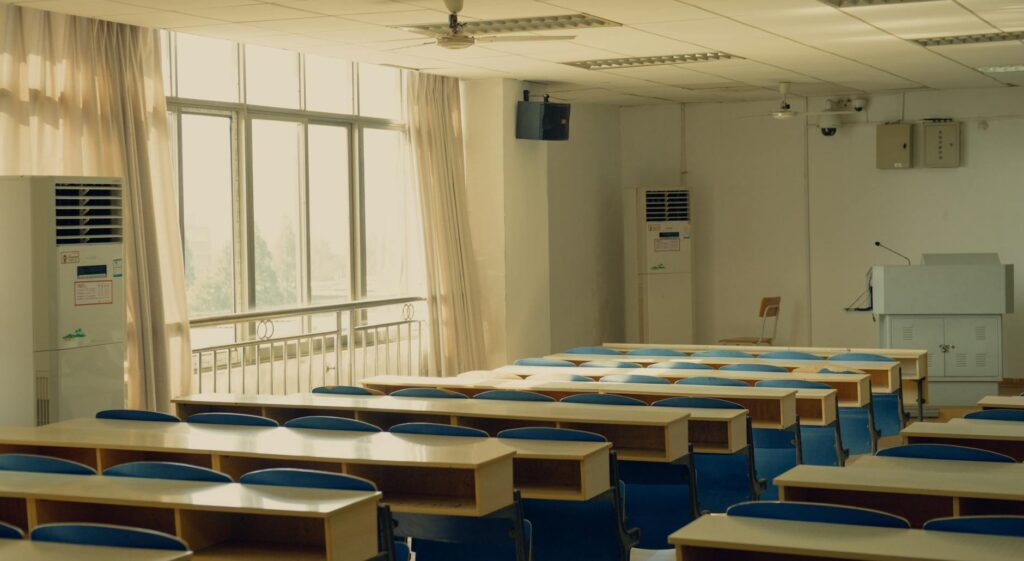
When setting up or refurbishing a classroom, several practical aspects demand attention beyond just furniture and tech. Lighting is a prime example; stark, flickering fluorescent lights can be detrimental to concentration and mood. Many schools are opting for warmer LED lighting, often with dimming capabilities, to create a more comfortable atmosphere. Adjustable blinds or curtains are also essential for controlling natural light and reducing glare, especially on interactive displays.
Acoustics are another often-overlooked element. Hard surfaces like bare walls, linoleum floors, and glass can create significant echo, making it difficult for pupils to hear the teacher clearly, particularly in larger spaces. Incorporating soft furnishings, acoustic panels, or even strategically placed bookshelves can help absorb sound and improve the overall auditory environment. For classrooms with heavy use or specific needs, such as music rooms or those hosting SEND pupils, dedicated acoustic treatments might be necessary.
The Future of the Classroom
Looking ahead, the classroom will continue its evolution. We’re likely to see even greater integration of AI-powered tools to support personalized learning pathways and automated assessment. Augmented Reality (AR) and Virtual Reality (VR) may become more commonplace, offering immersive learning experiences that were previously unimaginable.
The concept of the classroom itself might further blur, with more emphasis on blended learning models that combine in-person instruction with remote digital engagement. The physical space will need to support both individual deep work and dynamic group collaboration, acting as a hub for social interaction and hands-on learning.
Ultimately, the most effective classroom, now and in the future, will be one that’s responsive to the needs of its pupils and educators, adaptable to changing pedagogical approaches, and intentionally designed to foster engagement, well-being, and lifelong learning.
Frequently Asked Questions
What are the key elements of a modern classroom design for 2026?
Modern classroom design in 2026 prioritizes flexibility, incorporating diverse furniture, adaptable layouts, and integrated technology to support varied learning activities and student engagement.
How can educational technology improve student engagement?
Edtech, such as interactive whiteboards and digital tools, enhances engagement through dynamic presentations, collaborative activities, real-time feedback, and personalized learning pathways tailored to individual pupil needs.
What are the benefits of flexible classroom seating?
Flexible seating allows pupils to choose environments that suit their learning style, promoting movement, comfort, and better concentration, which can lead to improved academic outcomes and behaviour.
How important is lighting and acoustics in classroom design?
Lighting and acoustics are critical for pupil well-being and concentration. Good lighting reduces eye strain, while effective acoustics minimise distractions, creating a more focused and comfortable learning atmosphere.
What should schools consider when procuring classroom resources?
Schools should align resource procurement with pedagogical goals, pupil needs, and budget constraints, considering both physical and digital resources, and seeking input from educators.
How does classroom design impact pupils with SEND?
Thoughtful classroom design can significantly support SEND pupils by providing sensory-friendly spaces, adaptable furniture, clear visual cues, and accessible technology that caters to their specific requirements.
Last reviewed: May 2026. Information current as of publication; pricing and product details may change.
Source: edX
Editorial Note: This article was researched and written by the Class Room Centre editorial team. We fact-check our content and update it regularly. For questions or corrections, contact us. Knowing how to address classroom early makes the rest of your plan easier to keep on track.
Related read: Creative Writing Prompts for Kids: Spark Imagination in 2026.


