
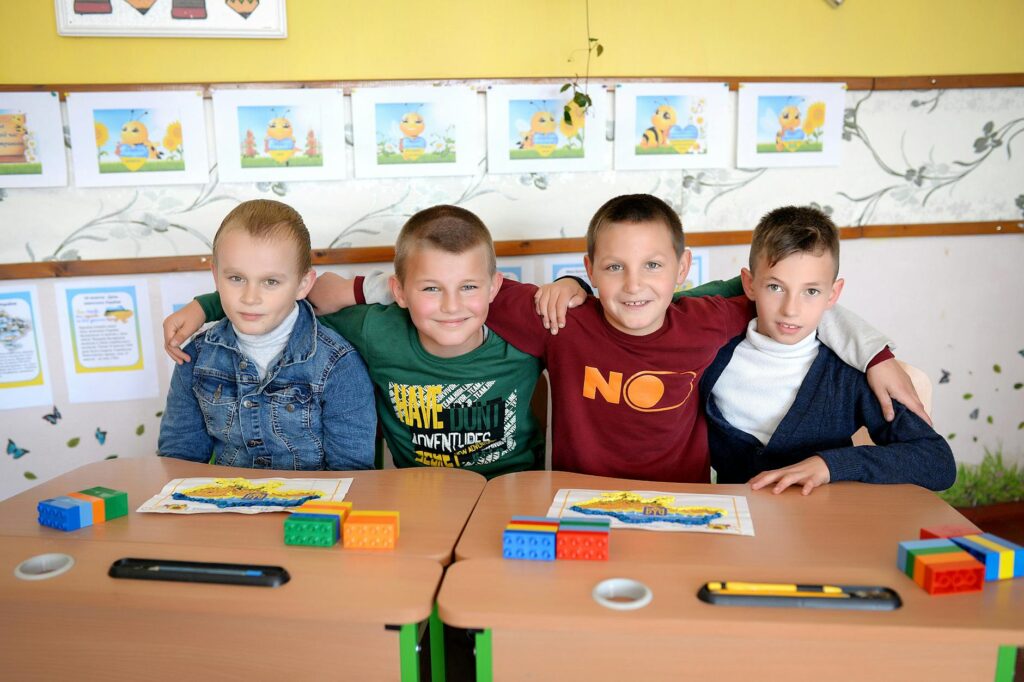
Crafting an engaging primary classroom is a continuous journey, filled with both challenge and immense joy. In the field of education, the right primary school teaching resources do more than just fill lesson time; they are catalysts for igniting curiosity, solidifying understanding, and easing the workload for educators. Based on extensive observation and current industry best practices as of April 2026, a curated selection of materials can transform the learning environment. The familiar feeling of searching for that perfect activity, a clear explanation, or a tool to captivate every child is universal. This guide shares effective strategies and essential resources relied upon daily, weekly, and yearly to build a vibrant and effective learning space. This isn’t theoretical; it’s grounded in what succeeds in modern primary classrooms, supporting children from diverse backgrounds.
Latest Update (April 2026)
Recent developments highlight the growing emphasis on creative and responsive teaching methods. For instance, the International Literacy Association recently discussed ‘Writing as Play: Engaging Elementary Students,’ underscoring the importance of making foundational skills enjoyable and interactive. The integration of arts, as seen in resources like ’25 Kindergarten Art Projects To Spark Early Creativity’ from WeAreTeachers, is increasingly recognised for its role in building early creativity and engagement. As reported by Tes, resources for special occasions like Easter are continually being updated for EYFS and primary levels, ensuring timely and relevant materials are available for the 2026 academic year.
As reported by the Gainesville Sun, the UK platform LearningMole has reached an impressive milestone, offering over 3,300 free teaching resources, positioning it as one of the premier libraries for primary education in 2026. This expansion of free, high-quality resources is a significant development for educators seeking to supplement their core curricula. Additionally, Teacher Magazine recently highlighted key events and resource updates for 2026 lesson planning, emphasizing the ongoing need for educators to stay current with available materials to support their teaching objectives.
The integration of artificial intelligence in education is accelerating rapidly. According to THE Journal: Technological Horizons in Education, approximately 80% of teachers are now using AI tools in the classroom as of April 2026. This surge in adoption is transforming how educators plan lessons, assess student work, and provide personalized feedback. Initiatives like Microsoft’s ‘AI for Teachers’ program are upskilling educators globally, with over 160,000 Thai educators benefiting from such training, propelling Thailand’s education towards a digital future, as reported by Microsoft. This trend indicates a significant shift towards AI-assisted pedagogy, offering new avenues for resource development and utilization.
and, the digital education landscape continues to evolve, with initiatives like the Digital Education and Learning Initiative in Rural Guatemala, seeking to strengthen educational access and resources in underserved areas. FundsforNGOs reported on the call for Expressions of Interest (EOIs) for this initiative in April 2026, highlighting a global commitment to equitable access to educational tools and digital learning opportunities, even in remote regions.
Why Quality Resources Are Essential: Expert Perspective
Quality resources are foundational to effective primary education. Investing time in selecting and preparing these materials yields significant dividends in student engagement and learning outcomes. As of April 2026, the consensus among educators and researchers points to a direct correlation between thoughtfully integrated resources and improved student performance. According to Education Week, teachers often supplement their core curricula with additional resources to meet diverse student needs and enhance specific learning objectives, a practice that matters significantly for student achievement.
Saving Precious Time
Time is a valuable commodity for teachers. Building a solid library of reusable, high-quality resources simplifies lesson preparation significantly. Having well-organised, effective materials readily available saves hours of planning each week, allowing more focus on individual student needs and differentiated instruction. Digital resource management systems are becoming increasingly popular for quick access to materials, helping educators simplify their workflow. Automated grading tools and AI-powered lesson plan generators are also gaining traction in 2026, further reducing administrative burdens.
Boosting Student Engagement
Primary students learn most effectively when actively involved. Well-chosen resources can transform lessons into exciting explorations. For example, hands-on experiments or captivating storybooks related to science topics ensure that children are engaged, asking questions, and truly absorbing information. Recent reports indicate that interactive and multi-sensory resources are especially effective in capturing attention and fostering deeper understanding. Gamified learning platforms and augmented reality (AR) experiences are increasingly being integrated into classrooms in 2026, offering immersive ways to explore subjects like history, geography, and science.
Supporting Diverse Learning Needs
Every classroom is unique, comprising a variety of learning styles, abilities, and backgrounds. Quality resources enable effective differentiation. Visual aids support visual learners, manipulatives benefit kinesthetic learners, and varied texts cater to different reading levels. This approach ensures every child has access to the curriculum and opportunities for success, with adaptable resources for both support and extension activities. Studies suggest that urban-rural school-age population changes, as explored in research from Frontiers, necessitate adaptable resource allocation to meet the diverse needs of students across different geographical and socioeconomic contexts. AI-driven adaptive learning platforms are emerging as powerful tools for personalizing education, adjusting content difficulty and pace in real-time based on individual student performance.
Top Categories of Primary School Teaching Resources
Hands-On Manipulatives
Students in primary years learn best through tactile experiences. For mathematics, resources like Cuisenaire rods, base ten blocks, and counters make abstract concepts tangible. In English, letter tiles and word-building kits are excellent for phonics and spelling. Reports indicate that children grasp concepts more rapidly when they can physically interact with objects. For instance, linking cubes are frequently used to model mathematical operations, leading to a deeper understanding than abstract methods alone. New developments in 2026 include sustainability-focused manipulatives made from recycled materials, aligning with growing environmental awareness in schools.
Printable Worksheets & Activity Packs
While hands-on learning is critically important, well-designed printables remain essential. They offer opportunities for independent practice, assessment, and reinforcement. Engaging, clear printables that target specific learning objectives are key. Many educators maintain digital libraries of these resources, curated for immediate printing needs, allowing for flexibility in lesson planning and delivery. In 2026, there’s a trend towards interactive printables that can be filled out digitally before printing, or that use QR codes to link to supplementary online content, bridging the gap between physical and digital learning.
Digital Tools & Interactive Platforms
The digital realm offers significant potential for primary education in 2026. Educational apps, websites, and interactive platforms are integrated weekly for subjects like coding, literacy games, and virtual explorations. These tools often provide immediate feedback, aiding student progress. As noted by educational technology reviews, thoughtful integration of these tools can enhance learning outcomes significantly. AI-powered tutoring systems are becoming more sophisticated, offering personalized support for students struggling with specific concepts. Virtual reality (VR) and augmented reality (AR) experiences are also becoming more accessible, allowing students to visit historical sites or explore the human body in immersive ways.
Literacy Resources
Effective literacy instruction is paramount. This category includes a wide range of materials: phonics readers, comprehension passages, grammar exercises, vocabulary builders, and creative writing prompts. High-quality picture books and chapter books remain invaluable for fostering a love of reading. Digital platforms offering leveled reading passages with comprehension quizzes provide teachers with data-driven insights into student progress. As of April 2026, AI-driven tools that analyse student writing for grammar, spelling, and even stylistic suggestions are becoming more common, offering targeted feedback to young writers.
Numeracy and Math Resources
Mathematics instruction benefits from a variety of tools. Beyond manipulatives, this includes math games, problem-solving task cards, measurement tools, and graphing software. Resources that connect mathematical concepts to real-world applications help students see the relevance of what they are learning. Interactive whiteboards and smartboards are often used with digital math programs to demonstrate concepts dynamically. In 2026, data visualization tools are being introduced at earlier grade levels, helping students understand and interpret numerical information.
Science and STEM Resources
Engaging young learners in science, technology, engineering, and mathematics (STEM) is vital for future innovation. Resources include experiment kits, building blocks, coding robots, nature observation journals, and age-appropriate science encyclopedias. Projects that encourage inquiry-based learning and problem-solving are particularly effective. As noted by PreventionWeb.net, strengthening climate understanding in a complex media landscape is a growing focus for educational resources in 2026, with materials designed to help students critically analyse environmental information and understand climate change.
Arts and Creative Expression Resources
The arts are fundamental to a well-rounded education, fostering creativity, critical thinking, and emotional development. This includes art supplies, music instruments, drama props, and materials for craft projects. Resources that integrate art with other subjects, such as illustrating historical events or creating scientific models, enhance learning across the curriculum. Digital art tools and animation software are also becoming more accessible for primary students in 2026.
Social-Emotional Learning (SEL) Resources
Developing social and emotional skills is as important as academic learning. SEL resources include storybooks about emotions, role-playing scenarios, mindfulness exercises, and activities promoting empathy and cooperation. These resources help children understand their feelings, manage relationships, and make responsible decisions. In 2026, there’s a notable increase in digital SEL platforms offering guided meditations and interactive scenarios for practicing conflict resolution.
Where to Find Top Primary School Teaching Resources in 2026
Educators have access to a growing number of platforms and organisations dedicated to providing high-quality teaching materials. The digital age has made finding and sharing resources more accessible than ever.
Online Marketplaces and Resource Hubs
Websites like Teachers Pay Teachers offer a vast collection of resources created by educators, often at affordable prices. As mentioned earlier, LearningMole provides a substantial library of free resources. Other popular platforms include Twinkl, Education.com, and Scholastic, which offer a mix of free and subscription-based materials. These sites often feature user reviews and ratings, helping teachers identify effective resources.
Professional Organisations and Educational Publishers
Organisations such as the National Education Association (NEA) and subject-specific bodies like the National Council of Teachers of Mathematics (NCTM) often provide curated resource lists and professional development opportunities. Major educational publishers like Pearson, Houghton Mifflin Harcourt, and McGraw Hill continue to produce complete curriculum materials, textbooks, and digital learning platforms.
Government and Non-Profit Initiatives
Many governments and non-profit organisations support educational initiatives by providing free resources. Initiatives like the one in rural Guatemala, reported by fundsforNGOs, aim to improve access to digital learning tools. In the UK, resources aligned with the Early Years Foundation Stage (EYFS) and National Curriculum are often available through government-backed educational portals.
Teacher Blogs and Social Media Communities
Teachers often share their favourite resources, lesson ideas, and classroom tips through blogs and social media platforms like Pinterest, X (formerly Twitter), and Facebook groups. Engaging with these communities can provide valuable insights and practical recommendations. Following hashtags like #teachertips, #primaryeducation, and #classroomresources can help educators discover new materials and connect with peers.
Frequently Asked Questions
What are the most effective types of resources for teaching early literacy in 2026?
The most effective resources for early literacy in 2026 combine multi-sensory approaches. This includes phonics-based readers, interactive letter and sound games (digital and physical), sight word flashcards, and engaging read-alouds with high-quality picture books. AI-powered reading assessment tools are also emerging, providing personalized feedback on student progress.
How can teachers find high-quality, free primary teaching resources?
Teachers can find high-quality, free resources from platforms like LearningMole, which offers over 3,300 resources as of April 2026. Many educational publishers and organisations also provide free sample materials or access to limited resource libraries. Exploring teacher blogs, social media communities, and government educational portals can also lead to valuable free finds.
What role does AI play in primary school teaching resources in 2026?
AI plays an increasingly significant role. As reported by THE Journal, around 80% of teachers use AI tools. These tools assist with tasks like lesson planning, generating differentiated materials, providing personalized student feedback through AI tutors, and automating administrative work. AI also helps in analysing learning data to identify areas where students need more support.
How important are digital resources compared to physical resources in primary schools today?
Both digital and physical resources are critically important and often work best in a blended approach. Physical manipulatives are essential for developing tactile understanding, while digital tools offer interactivity, immediate feedback, and access to a wider range of content. The key is to integrate them thoughtfully to meet diverse learning needs and enhance engagement.
What are emerging trends in primary science and STEM resources for 2026?
Emerging trends include a greater focus on climate education and environmental awareness, as highlighted by PreventionWeb.net. Resources often integrate coding, robotics, and data analysis. Project-based learning, inquiry-based investigations, and the use of AR/VR for immersive scientific exploration are also becoming more prevalent.
Conclusion
Selecting and utilising effective primary school teaching resources in 2026 requires a thoughtful approach that balances foundational learning principles with innovative digital tools and pedagogical strategies. By focusing on resources that promote engagement, cater to diverse learning needs, and save educators valuable time, teachers can create dynamic and supportive classroom environments. The continuous evolution of educational technology, including the widespread adoption of AI and the increasing availability of free, high-quality online materials, offers unprecedented opportunities for enhancing the primary learning experience.
Source: Britannica
Editorial Note: This article was researched and written by the Class Room Centre editorial team. We fact-check our content and update it regularly. For questions or corrections, contact us. Knowing how to address Primary school teaching resources early makes the rest of your plan easier to keep on track.


