
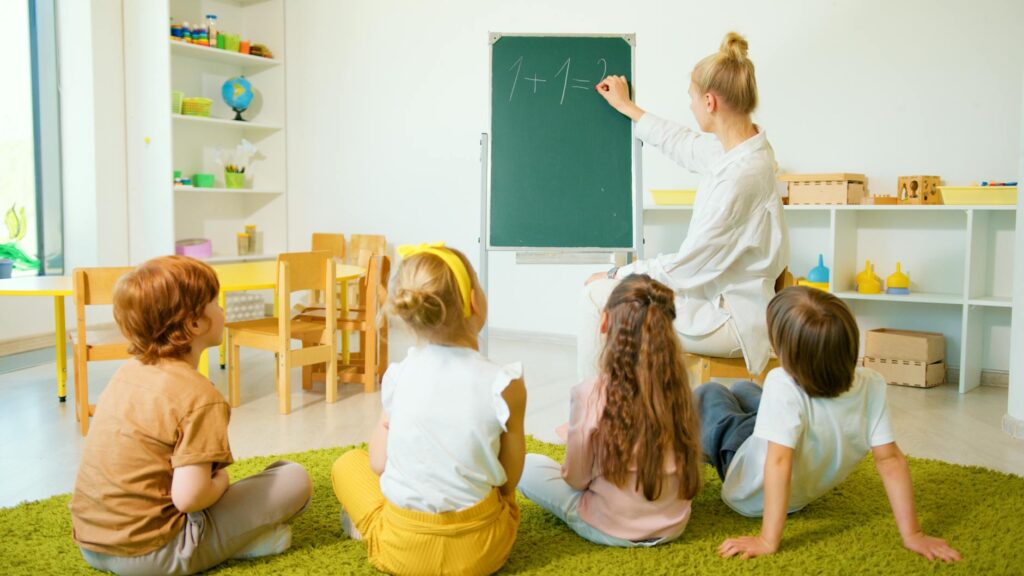
What Defines a Waldorf Classroom in 2026?
The Waldorf classroom is more than just a physical space; it’s a carefully cultivated environment designed to nurture the whole child – head, heart, and hands. Rooted in the educational philosophy of Rudolf Steiner, developed in the early 20th century, Waldorf education, or Steiner education, continues to evolve. As of May 2026, its core tenets remain remarkably relevant, focusing on fostering imagination, creativity, and a deep connection with nature.
Last updated: May 5, 2026
Unlike many contemporary educational settings that emphasize early academic rigor, the Waldorf approach prioritizes developmental stages. The classroom is seen as a living organism, a sanctuary that supports the child’s inner life and imaginative capacity. This means a deliberate avoidance of early academic instruction, particularly in the early years, and a strong focus on play-based learning, storytelling, and artistic engagement.
The Core Philosophy: Nurturing the Whole Child
At its heart, Waldorf education is about meeting children where they are, respecting their developmental pace. The curriculum is structured around the child’s age and developmental needs, aiming to cultivate not just intellectual understanding, but also emotional resilience and practical skills. This philosophy profoundly shapes the physical environment of the Waldorf classroom.
The emphasis is on creating a sense of security, warmth, and beauty. This is achieved through specific design choices, material selections, and the overall atmosphere. The goal is to create a space where children feel safe to explore, to dream, and to learn through doing. This approach contrasts sharply with more results-driven, academic-heavy traditional classrooms.
Atmosphere and Aesthetics: Creating a Warm, Natural Haven
The immediate impression upon entering a Waldorf classroom is often one of peace and natural beauty. Colours are typically soft and muted, often in pastels or earthy tones, applied with natural paints. Walls might be painted in gentle blues, greens, or soft yellows, designed to be calming rather than stimulating. This deliberate choice of colour palette aims to create a serene backdrop for learning.
Lighting is another critical element. Natural light is maximised wherever possible, with large windows often left uncovered or adorned with simple, natural fabric hangings. Artificial lighting, when used, tends to be warm and indirect, avoiding harsh fluorescents. This creates an environment that feels more akin to a home than an institution, fostering a sense of comfort and well-being.
Materials: The Beauty of Natural and Simple
A hallmark of the Waldorf classroom is the extensive use of natural materials. Wood, wool, silk, cotton, beeswax, and natural stones are favored over plastic or synthetic alternatives. Wooden toys, such as simple blocks, dolls with minimal features, and natural figures, are common. This simplicity encourages children to use their imagination to imbue the objects with character and purpose.
For example, a simple wooden block can become a car, a house, or a mountain, depending on the child’s play. A doll with few defined features allows the child to project emotions and narratives onto it. This emphasis on open-ended, natural materials is central to the Waldorf pedagogical approach, promoting creativity and reducing sensory overload compared to a classroom filled with brightly coloured plastic toys.
Choosing Waldorf Classroom Materials for Early Years
In early years settings (Kindergarten and Class 1, typically ages 3-7), the focus is heavily on tactile, sensory experiences. Materials are chosen for their texture, weight, and natural appeal. Beeswax for modelling, smooth stones for counting, silk scarves for imaginative dress-up, and woollen balls for sorting and throwing are all staples.
This commitment to natural materials extends to practical items. Tables and chairs are often made of solid wood, with a natural finish that shows the grain. Storage bins might be woven baskets or wooden crates. Even cleaning supplies often lean towards natural, non-toxic options, reinforcing the connection to nature throughout the learning environment.
Furniture and Layout: Encouraging Movement and Community
Waldorf classroom furniture is typically simple, sturdy, and functional, often made of natural wood. Tables might be round or oval to encourage a sense of community and equal participation, rather than the long, straight rows often seen in traditional settings. Chairs are proportionate to the children’s size, promoting good posture.
The layout is designed to be flexible and inviting. Areas are often delineated for specific activities without being rigidly separated. There might be a cozy corner with cushions for quiet reflection or storytelling, a workbench area for practical tasks, and open space for movement, circle games, and dramatic play. The overall arrangement encourages freedom of movement and choice within a structured framework.
Furniture Considerations for a Waldorf Classroom
When furnishing a Waldorf-inspired classroom, consider pieces that are durable, aesthetically pleasing, and made from sustainable materials. Simple wooden tables, low shelving units for accessible storage, and comfortable floor seating options like floor cushions or woollen rugs are ideal. Avoid furniture that’s overly large, imposing, or brightly coloured. The aim is to create a harmonious and uncluttered space.
The Role of Art and Creativity
Artistic expression is not an add-on in a Waldorf classroom; it’s an integral part of the curriculum and the environment. Watercolor painting, often using a wet-on-wet technique, is a common activity, allowing colours to blend and flow organically. Drawing with beeswax crayons or coloured pencils also features prominently.
Even practical activities like baking or gardening are approached with an artistic sensibility. The presentation of food, the care of plants, and the making of simple crafts all contribute to the development of aesthetic appreciation and fine motor skills. This complete integration of art fosters a unique way of seeing and interacting with the world.
Storytelling and Imaginative Play: The Heart of the Curriculum
Storytelling is a cornerstone of Waldorf pedagogy, particularly in the early years. Teachers often tell traditional fairy tales, folk stories, and myths, using vivid language and engaging intonation. These stories are not just entertainment; they convey moral lessons, cultural heritage, and foster imaginative capacity.
Imaginative play is actively encouraged. The simple, open-ended materials in the classroom provide the prompts and tools for children to create their own worlds and narratives. The teacher’s role is often to guide and facilitate, stepping in to support imaginative journeys without imposing adult-driven agendas. This freedom to play authentically is crucial for developing problem-solving skills and emotional intelligence.
Rhythm, Routine, and Festivals
A strong sense of rhythm and routine is vital in a Waldorf classroom. The school day, week, and year are structured around predictable patterns. Waldorf classroom provides a sense of security and helps children internalize time and sequence. Daily rhythms might include specific times for circle games, art activities, free play, and snack.
Weekly rhythms might see certain activities consistently occurring on particular days – perhaps painting on Tuesdays or baking on Thursdays. Festivals marks the annual calendar, celebrating the changing seasons and traditional holidays. These festivals involve special activities, decorations, and often a shared meal or performance, further reinforcing the sense of community and connection to natural cycles.
Seasonal Decorations: Reflecting Nature’s Flow
The Waldorf classroom is a dynamic space that changes with the seasons. Simple, natural decorations reflect the time of year, helping children connect with the natural world. In autumn, this might mean colorful leaves, acorns, and gourds. Winter could bring evergreens, pine cones, and perhaps a candlelit nativity scene or other winter festival symbols.
Spring decorations might feature budding branches, fresh flowers, and pastel colours. Summer could be adorned with natural fruits, shells, and brighter hues. These decorations are not merely ornamental; they serve as gentle reminders of the Earth’s cycles and foster an appreciation for the beauty of nature. The materials used are always natural and often collected by the children themselves.
Sensory Learning and Development
Waldorf education is deeply committed to sensory learning, recognising that children learn best through direct experience involving all their senses. The tactile nature of wood, wool, and silk, the scents of beeswax and natural materials, the visual appeal of soft colours and natural light, and the sounds of songs and stories all contribute to a rich sensory environment.
This approach is particularly important for young children, whose brains are developing rapidly. By engaging multiple senses, Waldorf classrooms help children build strong neural pathways, enhance memory, and develop a deeper understanding of the world around them. It also helps regulate children who may be overstimulated by the modern world, providing a grounding and calming influence.
Practical Skills and ‘Handwork’
In Waldorf schools, practical life skills, often termed ‘handwork’, are given significant importance. From Class 1 onwards, children engage in activities like sewing, knitting, crocheting, woodworking, and gardening. These are not seen as vocational training but as essential components of complete development.
These activities develop fine motor skills, hand-eye coordination, patience, perseverance, and a sense of accomplishment. They also connect children to the process of making things, fostering an appreciation for craftsmanship and the origins of the objects they use. The skills learned build confidence and competence, preparing children for future academic and life challenges.
The Teacher’s Role in the Waldorf Classroom
The Waldorf teacher acts as a guide, a storyteller, an artist, and a loving authority figure. They are responsible for cultivating the classroom environment, nurturing the children’s development, and delivering the curriculum. This requires a deep understanding of child development and Waldorf pedagogy.
Teachers strive to create a warm, protective atmosphere, modelling patience, respect, and enthusiasm. They observe children carefully, adapting their approach to meet individual and group needs. The teacher’s presence and intentionality are key to establishing the unique, nurturing spirit of the Waldorf classroom.
Waldorf vs. Traditional Classrooms: Key Differences
The divergence between Waldorf and traditional classrooms is significant, particularly in the early years. While traditional settings often introduce formal academics (reading, writing, math) early on, Waldorf education delays this, focusing instead on play, arts, and sensory experiences until around age seven. This is based on the belief that a strong foundation of imagination and practical skills is essential before abstract academic learning.
Technology use is also a major point of difference. Waldorf classrooms typically minimise or eliminate electronic media in favour of hands-on, experiential learning. This contrasts with many modern traditional classrooms that integrate interactive whiteboards, tablets, and computers from an early age. The emphasis on natural materials and aesthetics also sets Waldorf spaces apart from classrooms often filled with plastic, bright colours, and manufactured resources.
Practical Differences to Note
Academics: Traditional classrooms focus on early literacy and numeracy; Waldorf prioritizes play, arts, and sensory input in early years.
Materials: Traditional classrooms may use a mix of plastic and digital tools; Waldorf exclusively uses natural, open-ended materials.
Environment: Traditional classrooms can vary widely but often feature more structured layouts and stimulating colours; Waldorf classrooms are intentionally calm, natural, and aesthetically pleasing.
Technology: Traditional classrooms frequently integrate digital devices; Waldorf classrooms largely avoid them, especially in younger grades.
Setting Up a Waldorf-Inspired Classroom at Home
Parents and educators can bring Waldorf principles into any learning space, even a home environment. The key is to focus on creating a calm, beautiful, and natural atmosphere. Prioritise natural light and soft, muted colours for walls and furnishings.
Introduce open-ended toys made from wood, wool, and cotton. Think simple dolls, wooden blocks, silk scarves, and natural play silks. Create dedicated areas for different types of play: a cozy corner for quiet activities, a space for building, and an area for artistic expression. Regular storytelling and singing are also simple yet powerful ways to incorporate Waldorf practices.
Tips for a Waldorf-Inspired Home Space
Simplify: Reduce clutter and the number of toys available at any one time. Rotate toys seasonally.
Naturalize: Bring in elements from nature – leaves, stones, shells, branches. Use wooden furniture and storage.
Artistry: Provide simple art supplies like beeswax crayons, watercolor paints, and paper. Engage in crafts together.
Rhythm: Establish predictable daily and weekly routines for activities, meals, and rest.
Storytelling: Make time for reading aloud, telling stories, and singing songs.
Common Challenges and Considerations
While the Waldorf approach offers many benefits, it’s not without its challenges. One common concern for parents is the delayed introduction of formal academic skills. This can sometimes lead to a perceived gap when children transition to more traditional educational settings later on. Waldorf schools often have bridging programs to help with this transition.
Another consideration is the cost associated with high-quality natural materials and potentially smaller class sizes. Finding trained Waldorf educators can sometimes be a challenge, as the pedagogy requires specific training and a particular philosophical alignment. The emphasis on avoiding technology might also be a point of contention in a world increasingly reliant on digital tools, though Waldorf educators argue this fosters deeper engagement with the physical world.
The Enduring Appeal of the Waldorf Classroom in 2026
In an era saturated with digital stimuli and academic pressures, the Waldorf classroom offers a refreshing alternative. Its commitment to natural beauty, imaginative play, and complete development resonates deeply with parents and educators seeking a more balanced and nurturing approach to childhood education.
The principles of creating a calm, sensorially rich, and aesthetically pleasing environment are universally applicable. Whether in a dedicated Waldorf school or an inspired home learning space, the focus on fostering creativity, emotional well-being, and a connection to the natural world remains a powerful model for education as we move further into the 21st century.
Frequently Asked Questions
What age is Waldorf education typically for?
Waldorf education spans from early childhood (often starting at age 3) through to secondary school graduation. The approach and curriculum are tailored to the developmental stages of children at different ages, with a particular emphasis on play-based learning in the early years.
Are Waldorf classrooms secular or religious?
Waldorf education is non-denominational and non-sectarian. While it draws inspiration from the spiritual philosophy of Rudolf Steiner, it doesn’t promote a specific religion. Festivals celebrated are often drawn from nature’s cycles and traditional cultural holidays, approached from a universal, humanistic perspective.
What kind of toys are found in a Waldorf classroom?
Waldorf classrooms feature simple, open-ended toys made from natural materials like wood, wool, and silk. Examples include wooden blocks, simple dolls with minimal features, silk play cloths, beeswax modelling tools, and natural figures for imaginative play, encouraging children to use their creativity.
How does a Waldorf classroom differ from a Montessori classroom?
While both are child-centred, Waldorf emphasises imagination, arts, and storytelling, delaying formal academics. Montessori focuses on practical life skills, sensorial exploration, and early academics through self-directed learning with specific, didactic materials designed to isolate concepts.
Is technology used in Waldorf classrooms?
Generally, technology such as computers, tablets, and screens is largely absent from Waldorf classrooms, especially in the early years. The focus is on direct, hands-on experiences, sensory engagement, and fostering imagination through interaction with the physical world and peers.
What are the benefits of a Waldorf classroom environment?
Benefits include fostering creativity and imagination, developing strong sensory awareness, encouraging social-emotional development through play and community, promoting practical life skills, and nurturing a connection to nature. The calm, aesthetically pleasing environment can also reduce anxiety and support focus.
Last reviewed: May 2026. Information current as of publication; pricing and product details may change.
Editorial Note: This article was researched and written by the Class Room Centre editorial team. We fact-check our content and update it regularly. For questions or corrections, contact us.
Related read: The Modern Classroom: Design, Tech, and Trends for 2026.


