
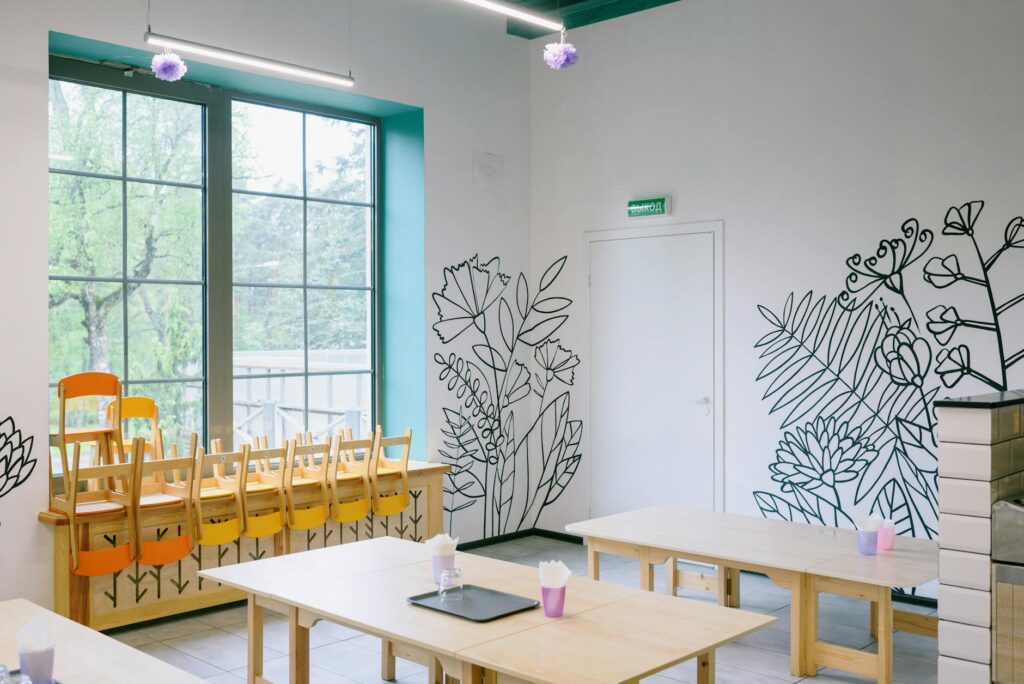
Zen Classroom: Creating Calm Focus for UK Pupils in 2026
This guide covers everything about zen classroom. The traditional image of a bustling, sometimes chaotic, classroom is slowly evolving. As of May 2026, educators across the UK are increasingly exploring how to cultivate environments that foster not just academic growth, but also emotional well-being and focused attention. This is where the concept of a ‘zen classroom‘ comes into play.
Last updated: May 5, 2026
Far from being a mere aesthetic trend, a zen classroom is a thoughtfully designed learning space that minimises distractions and maximises a sense of calm, order, and purpose. It’s about creating an atmosphere where pupils can thrive, feel safe, and engage more deeply with their studies. This guide delves into the principles and practical applications of establishing such an environment in your UK school.
Key Takeaways
- A zen classroom prioritises calm, order, and minimal distraction to enhance pupil focus and well-being.
- Key elements include natural light, organised storage, muted colour palettes, and comfortable, flexible seating options.
- Sensory considerations are paramount, aiming to reduce overstimulation and support pupils with diverse needs, including SEND.
- Implementing zen principles can improve behaviour, reduce anxiety, and boost academic engagement for all pupils.
- The approach is adaptable to various UK educational settings, from EYFS to secondary schools.
What Exactly is a Zen Classroom?
The term ‘zen classroom‘ draws inspiration from Zen Buddhism’s emphasis on simplicity, mindfulness, and finding peace in the present moment. In an educational context, it translates to a learning space meticulously organised to reduce visual and auditory clutter. The goal is to create an environment that supports concentration, reduces anxiety, and promotes a positive mindset.
This isn’t about sterile minimalism, but rather about intentional design. Every element, from the furniture arrangement to the colour choices, is considered for its impact on a pupil’s sensory experience and cognitive state. A well-executed zen classroom feels welcoming, organised, and conducive to deep learning.
For instance, a Year 5 teacher in Manchester recently transformed her classroom. She replaced busy posters with curated artwork, introduced soft lighting, and organised all stationery into clearly labelled containers. The reported impact on pupil behaviour and task completion was significant.
The Core Principles of Zen in Education
Several guiding principles underpin the zen classroom philosophy:
- Simplicity: Reducing unnecessary items and visual noise.
- Order: Implementing clear systems for organisation and tidiness.
- Mindfulness: Encouraging present-moment awareness and focus.
- Nature: Incorporating natural elements like plants and natural light.
- Comfort: Providing flexible and ergonomic seating options.
These principles work in combination to create a complete learning environment. The emphasis is on creating a space that supports the pupils’ emotional and cognitive needs, rather than simply serving as a functional area.
Designing Your Zen Classroom: Key Elements
Transforming a typical classroom into a zen space requires careful consideration of several key elements. It’s a process that involves decluttering, thoughtful organisation, and strategic use of colour and light.
Decluttering and Organisation: The Foundation
The first and perhaps most crucial step is to declutter. Excessive materials, untidy displays, and general mess can be significant sources of distraction and stress for pupils. A zen classroom champions a ‘less is more’ approach to resources and displays.
Implement a strong organisation system. This means dedicated spaces for everything: books, stationery, art supplies, and teaching materials. Utilise shelving units with doors, opaque storage boxes, and clear labelling. According to storage experts, well-organised spaces can reduce time spent searching for items by up to 30%.
Consider vertical storage solutions to maximise floor space and keep surfaces clear. Teachers often find that clearing desks of unnecessary items at the end of each day makes a dramatic difference to the next morning’s atmosphere.
Colour Palette and Lighting: Setting the Mood
Colour psychology plays a vital role in a zen classroom. Opt for muted, natural, and calming colours. Think soft blues, greens, earthy tones, and gentle greys. These colours are known to promote relaxation and improve focus, unlike bright, stimulating colours that can be overstimulating.
Natural light is paramount. Position learning areas to benefit from windows where possible. If natural light is limited, use warm, adjustable artificial lighting. Avoid harsh fluorescent lights, which can contribute to headaches and eye strain. Consider using desk lamps or floor lamps to create warmer pools of light.
A study by the University of Exeter (2020) highlighted that classrooms with more natural light saw a 20% increase in pupil engagement. Maximising natural light and using warm artificial alternatives is key.
Furniture and Layout: Fostering Flexibility
The traditional rows of identical desks are often replaced in a zen classroom with more flexible and ergonomic furniture. Consider a mix of seating options: traditional desks, floor cushions, beanbags, wobble stools, and small group tables.
This flexibility allows pupils to choose a learning position that best suits their concentration needs. It also facilitates different types of learning activities, from individual quiet work to collaborative projects. The layout should promote clear pathways and avoid a cramped feeling.
For instance, a multi-academy trust in Leeds trialled flexible seating in Year 7 classrooms. They reported a decrease in disruptive behaviour and an increase in pupils taking ownership of their learning spaces.
Incorporating Nature: Biophilic Design
Bringing the outdoors in is a core tenet of zen design. Plants not only add a touch of natural beauty but also improve air quality and have been shown to reduce stress levels. Choose low-maintenance plants that are safe for a classroom environment.
Nature-inspired decor, such as images of landscapes or natural textures (wood, stone), can also enhance the calming effect. Consider a small class pet, like fish or a hamster, if school policy allows and appropriate care can be ensured. The presence of a living creature can be incredibly grounding for pupils.
The Chartered Institute of Building (CIOB) has noted that incorporating biophilic elements into building design can lead to improved occupant well-being and productivity, a principle directly applicable to classrooms.
Sensory Considerations for a Zen Classroom
One of the most significant benefits of a zen classroom approach is its inherent ability to accommodate sensory needs. Many pupils, particularly those with Special Educational Needs and Disabilities (SEND), can be highly sensitive to their environment. A zen classroom aims to minimise sensory overload.
Reducing Auditory Distractions
Noise is a major disruptor. Strategies include using soft furnishings like rugs and curtains to absorb sound, establishing clear expectations for voice levels, and designating quiet zones within the classroom. Acoustic panels can be a worthwhile investment for schools experiencing high levels of ambient noise.
Implementing ‘quiet time’ or ‘focus time’ where all non-essential noise is minimised can also be beneficial. This teaches pupils to self-regulate and appreciate periods of quiet concentration.
Managing Visual Stimulation
As mentioned, decluttering is key. Beyond that, consider the displays. Instead of covering every available surface with colourful posters, opt for fewer, more meaningful displays. Rotate them regularly to keep the space fresh without constant visual bombardment.
Ensure that materials are stored away when not in use. Clear bins and labelled shelves help pupils understand where things belong, fostering a sense of order that reduces visual chaos.
Comfort and Tactile Input
Provide a variety of textures and comfortable seating. Zen classroom allows pupils to find sensory input that helps them focus. For some, a wobble stool provides needed movement; for others, a quiet corner with a beanbag offers a sense of security.
Consider sensory tools like fidget toys (used appropriately and with clear guidelines), textured mats, or weighted lap pads. These can help pupils manage their sensory input and stay focused during lessons.
Practical Implementation: Steps for Teachers
Creating a zen classroom doesn’t require a complete renovation or a vast budget. Even small, intentional changes can make a significant difference. Here’s a step-by-step approach:
- Assess Your Current Space: Walk through your classroom and identify areas of clutter, potential noise distractions, and areas that feel visually overwhelming.
- Declutter Ruthlessly: Remove anything that’s not essential for learning or well-being. Donate or recycle old materials.
- Organise Systematically: Invest in affordable storage solutions like clear bins, magazine files, and label maker. Assign a home for everything.
- Review Displays: Reduce the number of posters and displays. Focus on student work and calm, educational visuals.
- Consider Colour and Light: Introduce warmer lighting where possible and consider adding a few calming colour accents. Ensure natural light is maximised.
- Introduce Flexible Seating (if possible): Even a few floor cushions or a small reading nook can start the shift.
- Incorporate Natural Elements: Add a plant or two. Use nature-themed images or textures.
- Set Clear Expectations: Teach pupils about the purpose of the zen classroom and their role in maintaining its calm atmosphere.
It’s often beneficial to involve pupils in the process. Ask them what makes them feel calm or focused. This not only helps in designing the space but also instils a sense of ownership and responsibility.
Budget-Friendly Zen Classroom Ideas
You don’t need a large budget to create a zen classroom. Many effective strategies are low-cost:
- Repurpose and Reuse: Use old jars or tins for stationery storage, painted in calming colours.
- Fabric Scraps: Make simple cushion covers or draught excluders for windows.
- Student Artwork: Use pupil-created art, which is inherently meaningful, as displays.
- Natural Materials: Collect smooth stones, branches, or leaves (ensure they are clean and safe) for tactile displays.
- Second-hand Furniture: Look for affordable second-hand shelving units or comfortable chairs.
- DIY Organisation: Create labels for existing boxes and shelves.
The focus should always be on intentionality rather than expense. A few well-chosen items can have a greater impact than a room full of expensive, but ultimately distracting, decor.
Benefits of a Zen Classroom for UK Pupils
The impact of a calm, organised learning environment extends beyond mere aesthetics. Research and anecdotal evidence from educators suggest significant benefits for pupil development and academic achievement.
Improved Behaviour and Reduced Anxiety
When pupils are in a less stimulating and more predictable environment, their stress levels tend to decrease. This can lead to a noticeable improvement in behaviour, with fewer instances of restlessness, aggression, or disruptive conduct. The National Education Union (NEU) has highlighted the importance of positive learning environments in supporting pupil mental health.
For pupils who experience anxiety or sensory processing difficulties, a zen classroom can be transformative. It provides a sense of safety and predictability, allowing them to regulate their emotions more effectively. This can be particularly crucial for pupils with SEND, where environmental factors can significantly impact their ability to learn.
Enhanced Focus and Concentration
A primary goal of the zen classroom is to minimise distractions. By reducing visual clutter, controlling noise levels, and creating a sense of order, pupils are better able to direct their attention to the task at hand. This heightened focus can lead to deeper engagement with lessons and improved retention of information.
The Education Endowment Foundation (EEF) has consistently emphasised the impact of the learning environment on pupil outcomes. Their guidance suggests that reducing distractions is a key factor in supporting effective teaching and learning across Key Stages.
Increased Engagement and Academic Performance
When pupils feel comfortable, safe, and focused, their intrinsic motivation to learn often increases. A zen classroom can foster a more positive attitude towards school and learning, leading to greater participation in lessons and a willingness to tackle challenging tasks.
While it’s challenging to isolate the direct impact of classroom design on academic scores, anecdotal evidence from teachers who have adopted zen principles often points to improved work quality and increased pupil initiative. The shift from a reactive, stimulated state to a proactive, focused one is fundamental.
Support for Diverse Learning Needs
The principles of zen classroom design naturally align with creating inclusive learning spaces. By offering flexible seating, reducing sensory input, and providing quiet zones, educators can better support pupils with a wide range of learning styles and needs, including those with ADHD, autism, or anxiety.
This approach moves away from a one-size-fits-all model towards a more personalised and responsive learning environment, benefiting every pupil in the room.
Common Mistakes to Avoid
While the concept of a zen classroom is appealing, there are pitfalls to avoid during implementation.
Mistake 1: Over-minimalism and Lack of Personalisation
A common error is to interpret ‘zen’ as ’empty’. A classroom needs to be functional and engaging, not sterile. Pupils need to feel a sense of belonging and ownership, which comes from personalised touches and displays of their work.
Solution: Balance minimalism with warmth. Use pupil artwork, photos, and meaningful displays sparingly. Ensure there are comfortable, inviting corners.
Mistake 2: Ignoring Pupil Input
Designing a space without consulting the end-users – the pupils – can lead to a disconnect. What one adult finds calming, a child might find bland or uninspiring.
Solution: Involve pupils in the design process. Ask them about their preferences for colour, seating, and organisation. Empower them to help maintain the space.
Mistake 3: Forgetting Functionality for Aesthetics
A beautiful classroom is great, but it must also be practical. Storage needs to be accessible, furniture durable, and the layout conducive to teaching and learning activities.
Solution: Prioritise functional, durable storage solutions. Ensure the layout supports different pedagogical approaches. Test furniture for comfort and suitability.
Mistake 4: Underestimating Sensory Needs
Simply making a room look ‘calm’ isn’t enough. The sensory experience – sound, light, touch – needs active management, especially for SEND pupils.
Solution: Actively address auditory and visual stimuli. Provide sensory tools and varied seating. Consult with SEND specialists for tailored advice.
Expert Insights and Best Practices
Drawing from educational psychology and design principles, several best practices emerge:
Embrace Natural Light and Airflow
Where possible, maximise natural light. Open windows regularly for fresh air, which is vital for cognitive function. If natural light is limited, invest in full-spectrum bulbs that mimic daylight.
According to the UK Department for Education (DfE) guidelines on school premises, good natural light and ventilation are fundamental for pupil health and learning. Ensure blinds are adjustable to manage glare.
Create Zones for Different Activities
Designate specific areas for quiet reading, collaborative work, teacher-led instruction, and sensory breaks. This visual separation helps pupils understand expectations for different activities and manage their own behaviour.
For example, a quiet corner with cushions and books can serve as a retreat for pupils needing a moment of calm, while a larger table area is ideal for group tasks. This zoning is particularly effective in open-plan learning environments.
Consistency is Key
A zen classroom is not a one-off project; it’s an ongoing commitment. Regular tidying, maintaining organisation systems, and reinforcing expectations with pupils are crucial for sustained success.
Involve pupils in daily tidying routines. Make it a shared responsibility. This reinforces the principles of order and mindfulness, extending the benefits beyond just the physical space.
Personalise Thoughtfully
While avoiding clutter, ensure the space reflects the pupils and the curriculum. Displaying student work not only personalises the space but also provides positive reinforcement and a sense of accomplishment. Rotate displays to keep them fresh and relevant.
Consider a ‘learning wall’ that evolves with the current topic, providing visual anchors without being overwhelming. The key is quality over quantity in displays.
Frequently Asked Questions
What is the main goal of a zen classroom?
The primary goal of a zen classroom is to create a calm, organised, and minimally distracting environment that enhances pupil focus, reduces anxiety, and supports overall well-being and academic engagement.
Are zen classrooms suitable for all age groups?
Yes, the principles can be adapted for all age groups, from early years (EYFS) to secondary school. Younger pupils may benefit from more visual cues and tactile elements, while older pupils can engage with more sophisticated organisational systems.
How much does it cost to create a zen classroom?
The cost can vary significantly, but it doesn’t need to be expensive. Many zen principles can be implemented using existing resources, DIY solutions, and second-hand items, focusing on organisation and decluttering.
Can a zen classroom help with pupil behaviour issues?
Yes, by reducing sensory overload and providing a predictable, calm environment, zen classrooms can significantly help to improve pupil behaviour, reduce instances of disruptive conduct, and manage anxiety.
What are the best colours for a zen classroom?
Muted, natural, and calming colours are best. Think soft blues, greens, earthy tones, and gentle greys. These colours promote relaxation and focus, as opposed to bright, stimulating colours.
How can I incorporate nature into a zen classroom?
You can introduce plants, use nature-themed decor like images of landscapes or wood textures, and ensure ample natural light. Even small touches can bring the outdoors in and create a more peaceful atmosphere.
Conclusion
Establishing a zen classroom in 2026 offers a powerful approach to enhancing the learning experience for UK pupils. By prioritising simplicity, organisation, and a calm sensory environment, educators can foster improved focus, reduced anxiety, and greater academic engagement. The transformation doesn’t require a massive budget or a complete overhaul; it begins with intentional design choices and a commitment to creating a space where every pupil can feel supported and inspired to learn.
Actionable takeaway: Begin by decluttering one small area of your classroom this week, establishing a clear home for every item, and observe the immediate impact on the atmosphere and pupil focus.
Last reviewed: May 2026. Information current as of publication; pricing and product details may change.
Editorial Note: This article was researched and written by the Class Room Center editorial team. We fact-check our content and update it regularly. For questions or corrections, contact us. Knowing how to address zen classroom early makes the rest of your plan easier to keep on track.


