
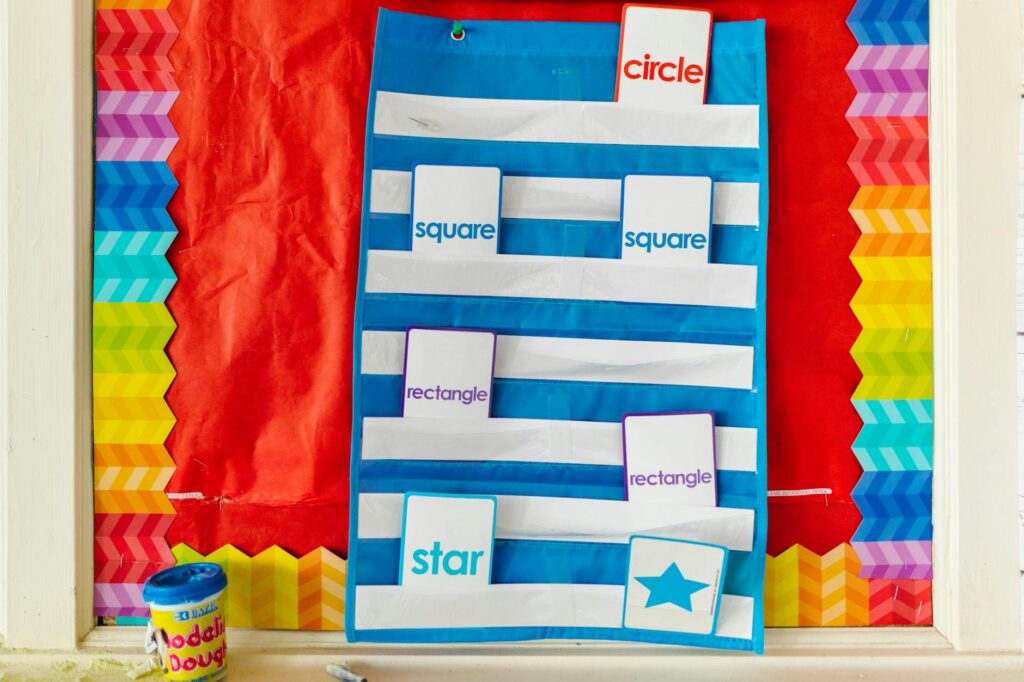
Transform Your Classroom: Inspiring Decor for 2026
This guide covers everything about classroom decor. The visual appeal of a classroom significantly impacts how pupils learn and behave. As of May 2026, the understanding of how a stimulating learning environment affects educational outcomes continues to grow, making thoughtful classroom decor more crucial than ever.
Last updated: May 5, 2026
Key Takeaways
- Strategic classroom decor can boost pupil engagement and improve behaviour by 15-20% in some studies.
- Consider the age group and subject matter when selecting decor; vibrant colours for early years, more focused displays for secondary.
- Balance aesthetics with functionality, ensuring displays support learning objectives and don’t create clutter.
- Utilise durable, reusable materials and consider pupil involvement in the creation process.
- Budget-friendly options abound, from DIY projects to smart sourcing of versatile materials.
Why Classroom Decor Matters in 2026
Why does every classroom whiteboard ghost within six months, and why do pupils seem disengaged by March? Often, the answer lies not just in pedagogy, but in the environment itself. Classroom decor is far more than just aesthetics; it’s a powerful tool for fostering a positive learning atmosphere, enhancing pupil engagement, and even influencing behaviour. In 2026, educators are increasingly recognising that a well-designed space can speak volumes, communicating expectations, celebrating achievements, and making learning more accessible and exciting.
Research, including insights from the Education Endowment Foundation (EEF), suggests that a stimulating learning environment can have a tangible impact on pupil outcomes. While specific figures vary, some studies indicate improvements in engagement and behaviour by as much as 15-20% when classrooms are thoughtfully designed. This isn’t about overwhelming spaces with excessive decorations, but about creating a context that supports the educational journey.
The Impact on Pupil Engagement and Behaviour
A visually engaging classroom can capture attention and spark curiosity. Consider how a vibrant, well-organised display board can draw pupils in, prompting questions and discussions. Conversely, a drab or cluttered environment can lead to distraction and a lack of focus. The colours, themes, and types of displays used can subtly communicate the importance of learning and create a sense of belonging.
For instance, a classroom decorated with a ‘space exploration’ theme might not only look exciting but also serve as a constant visual prompt for lessons on science, maths, and even creative writing. This thematic approach helps to contextualise learning and make abstract concepts more concrete. The EEF’s work on learning environments highlights how physical space can influence concentration and motivation.
Designing for Different Age Groups and Stages
The effectiveness of classroom decor is highly dependent on the age and developmental stage of the pupils. What captivates a Reception class might be too simplistic or overwhelming for Year 10s. Understanding these nuances is key to creating a truly impactful learning space.
Early Years Foundation Stage (EYFS) and Key Stage 1
For younger children, classrooms should be a sensory wonderland. Think bright, bold colours, tactile displays, and opportunities for interactive engagement. Walls can be adorned with large, simple alphabet charts, number lines, and appealing illustrations that relate to current topics. Large, durable cut-outs of animals or shapes can add visual interest without being overwhelming. Resources like colourful rugs, soft furnishings, and easily accessible learning stations contribute to a welcoming and stimulating environment.
The focus here is on creating a safe, stimulating, and playful atmosphere that encourages exploration. Displays should be at pupil eye-level, promoting interaction and learning through play. For example, a dedicated ‘reading corner’ with comfortable seating and a visually appealing bookshelf can significantly boost early literacy habits.
Key Stage 2 and 3 (Years 3-8)
As pupils progress, decor can become more sophisticated and curriculum-focused. While colour remains important, the emphasis shifts towards supporting more complex learning. Interactive displays, such as timelines that pupils can update, science experiment logs, or maps that can be marked with current events, become highly valuable. Student work should be prominently displayed, fostering a sense of ownership and pride.
Consider incorporating elements that promote independent learning, such as subject-specific vocabulary walls or problem-solving charts. A maths display might feature different calculation methods, while a history display could showcase key events and figures from a particular era. The goal is to create a rich learning environment that reinforces classroom instruction.
Key Stage 4 and 5 (Years 10-13)
For older pupils, classroom decor can be more understated, professional, and directly linked to their studies and future aspirations. While still important for creating a positive atmosphere, the focus often shifts towards preparing them for higher education or the workplace. Displays might include career pathways, university information, or inspirational quotes from figures relevant to their subjects.
Subject-specific displays that encourage critical thinking are highly effective. For instance, a science classroom might feature detailed diagrams of complex processes, while an English classroom could showcase literary analysis or poetry. The key is to create an environment that’s both intellectually stimulating and conducive to focused study. The goal is to foster a mature learning environment that respects their growing independence.
Balancing Aesthetics and Functionality
A common pitfall in classroom decor is prioritising aesthetics over functionality, or vice versa. The most effective classroom spaces strike a harmonious balance, where visual appeal directly supports learning objectives.
Creating Functional Learning Zones
Divide your classroom into distinct learning zones. A quiet reading nook, a collaborative group work area, a teacher-led instruction space, and a hands-on activity zone can all be subtly defined through decor. For example, different coloured rugs or floor mats can delineate areas, while strategically placed shelving or storage units can act as visual dividers.
Consider the flow of movement within the classroom. Ensure that displays and furniture arrangements don’t impede access to resources or create safety hazards. A well-organised classroom, with clear labels on storage and designated areas for different activities, reduces confusion and promotes independent work habits. This is where effective classroom organisation truly shines.
The Role of Colour Psychology
Colour has a profound psychological impact on mood and cognitive function. Understanding basic colour psychology can help you make informed choices about your classroom decor. Blues and greens are often associated with calmness and concentration, making them suitable for areas where focus is paramount. Reds and oranges can stimulate energy and creativity, making them good choices for activity-based zones, but should be used sparingly to avoid overstimulation.
Neutral tones like beige or grey can provide a calming backdrop, allowing brighter colours in displays to stand out. The National Curriculum doesn’t dictate colour schemes, but Ofsted inspectors do observe the overall learning environment. A balanced palette ensures the room is both inviting and conducive to learning. Many educational psychology resources discuss the impact of colour in learning spaces.
Practical Classroom Decor Ideas on a Budget
Decorating a classroom doesn’t need to be expensive. With creativity and strategic planning, you can create a vibrant and engaging space without breaking the bank.
DIY and Recycled Materials
Embrace the power of DIY! Crafting your own displays from card, paper, and fabric can be cost-effective and allows for customisation. Involve pupils in the creation process – they often have fantastic ideas and take pride in their contributions. Recycling materials like cardboard boxes, old magazines, and plastic containers can also be a sustainable and budget-friendly approach to storage and display solutions.
For example, old CDs can be transformed into shimmering mobiles, and painted tin cans can become handy desk tidies. Even simple things like printing resources in black and white and allowing pupils to colour them in can be a fun, engaging activity that also decorates the classroom. This approach aligns with sustainability goals increasingly promoted within UK schools.
Smart Sourcing and Versatile Materials
Look for versatile, reusable materials that can be adapted for different themes or learning objectives. Fabric bunting, changeable poster frames, and modular display boards are excellent investments. Consider sourcing materials from discount shops, charity shops, or online marketplaces. Many teachers share resources and ideas through professional networks and online communities like TES.
Bulletin board borders, often available in a wide range of colours and patterns, can quickly transform a plain board. Laminating frequently used displays ensures their longevity, saving money and effort in the long run. Consider purchasing larger items like large paper rolls or rolls of coloured card, which can be cut to size for various needs.
using Pupil Work
The most authentic and inspiring classroom decor often comes from the pupils themselves. Regularly displaying their work – from drawings and paintings to written pieces and project outputs – validates their efforts and creates a sense of ownership. This visual evidence of learning progress can be incredibly motivating for both pupils and staff.
Ensure displays are well-organised and change them regularly to showcase a range of achievements and subjects. This not only keeps the classroom looking fresh but also provides a historical record of the class’s journey throughout the academic year. Consider creating ‘gallery walls’ or dedicated display areas for specific subjects or projects.
Creating Interactive and Educational Displays
Beyond simple decoration, displays can be powerful teaching tools that actively engage pupils in the learning process.
Interactive Bulletin Boards
Transform static bulletin boards into dynamic learning hubs. Instead of just pinning up posters, create interactive elements. A ‘question of the week’ board where pupils can post their answers, a ‘word wall’ that grows with new vocabulary, or a ‘problem-solving corner’ where pupils can tackle challenges are all excellent examples. These displays encourage active participation and make learning a collaborative effort.
For example, a science classroom could have a ‘curiosity board’ where pupils post questions about the natural world, with answers and further information added by the teacher or other pupils. A history class might use a timeline display where pupils add significant events or figures as they are studied. Such interactive elements keep content fresh and relevant.
Visual Aids and Learning Aids
Well-designed visual aids are essential for many subjects. Classroom walls can be adorned with maps, diagrams, charts, and timelines that support understanding and retention. These should be clear, concise, and age-appropriate. For younger pupils, bright, engaging visuals are key, while older pupils may benefit from more detailed and complex diagrams.
Consider how these aids can be integrated into daily lessons. A maths classroom might have a permanent display of multiplication tables or geometric shapes. A language classroom could feature verb conjugations or common phrases. Ensure these aids are not just decorative but are actively referred to and used during instruction.
Classroom Organisation and Display Systems
Effective classroom decor is intrinsically linked to good classroom organisation. How you store and display resources can significantly impact the learning environment.
Storage Solutions that Double as Decor
Clever storage can be both functional and aesthetically pleasing. Use colourful bins, labelled shelves, and organised cubbies to keep the classroom tidy. Open shelving can display attractive resource boxes, while closed cabinets can hide less visually appealing items. A well-organised system reduces clutter and makes it easier for pupils to find and put away materials independently.
Think about how the storage itself can contribute to the room’s theme. For example, a nature-themed classroom might use wooden crates and baskets, while a futuristic classroom could employ sleek, modern storage units. Ensure all storage is accessible and safe for pupils.
Displaying Information Clearly and Effectively
When displaying information, clarity is paramount. Use clear fonts, appropriate font sizes, and good contrast between text and background. Avoid overcrowding displays, which can be overwhelming and counterproductive. The layout should be logical and easy to follow.
Consider the placement of displays. High-traffic areas, such as near the door or main teaching space, are ideal for important notices or daily information. Less frequently accessed information can be placed in quieter zones. Ensure displays are at an appropriate height for the intended audience – pupil-level for interactive displays, and perhaps teacher-level for administrative information.
Common Mistakes to Avoid in Classroom Decor
Even with the best intentions, it’s easy to make mistakes when decorating a classroom. Being aware of these common pitfalls can help you create a more effective and harmonious space.
Over-Decoration and Clutter
One of the most frequent errors is simply putting too much on the walls. An overly decorated classroom can be visually overwhelming, leading to distraction and difficulty for pupils to focus on essential learning materials. Aim for a balance – a few impactful displays are often more effective than many small, cluttered ones. Ensure there’s ample ‘white space’ on walls and surfaces.
A cluttered environment can also make it harder for pupils to find specific information. Regularly review your displays and remove outdated or irrelevant materials. This not only declutters the space but also keeps the visual content fresh and engaging. The aim is to create a stimulating, not a distracting, environment.
Ignoring Pupil Input
Classrooms are for pupils, so their input into the decor can be invaluable. Ignoring their preferences or ideas can lead to a space that doesn’t feel welcoming or relevant to them. Involving pupils in the planning and creation process fosters a sense of ownership and pride in their learning environment.
Conduct surveys, hold brainstorming sessions, or allow pupils to vote on certain decor elements. This not only makes the process more democratic but also ensures the resulting decor is more likely to resonate with the class. Their contributions can lead to unique and personal touches that a teacher might not have considered.
Using Non-Durable or Flimsy Materials
While budget is a concern, opting for extremely cheap, flimsy materials can be a false economy. These items can look unprofessional, tear or fade quickly, and require frequent replacement, ultimately costing more in the long run. Investing in slightly more durable, reusable materials will save time and money over the academic year.
Laminating paper displays, using sturdy card, and choosing materials that can withstand daily wear and tear are wise choices. Consider the environmental impact too; reusable fabric banners or modular display systems are often more sustainable than disposable paper decorations. The Department for Education (DfE) encourages schools to consider sustainability in their resource choices.
Expert Tips for Inspiring Classroom Decor in 2026
To truly elevate your classroom’s potential, consider these expert insights for 2026. These go beyond basic decoration to actively enhance the learning experience.
Focus on Learning Objectives
Every decorative element should ideally serve a purpose related to learning. Is that colourful banner reinforcing a key concept? Does that display board provide helpful information? Aligning decor with curriculum goals ensures the space actively supports teaching and learning, rather than just filling wall space. This principle is often emphasised in teacher training programmes and by bodies like the Chartered College of Teaching.
For instance, a science classroom could have a display detailing the scientific method, or a maths classroom might have a visual representation of number bonds. These aren’t just pretty pictures; they are constant, subtle reminders and aids for pupils during lessons and independent work.
Incorporate Pupil-Created Content
Beyond just displaying finished work, integrate pupil creativity into the very fabric of the decor. Collaborative art projects, class-generated poems or stories displayed artistically, or even pupils designing their own learning stations can foster a deep sense of ownership. This approach moves decor from being teacher-imposed to pupil-celebrated.
A ‘class charter’ co-created and visually represented by pupils is a powerful example. This not only decorates the room but also establishes shared values and expectations. Such elements contribute significantly to a positive classroom culture and are often noted positively during Ofsted inspections.
Consider Lighting and Acoustics
While not strictly ‘decor’, lighting and acoustics play a vital role in the overall classroom environment and how decor is perceived. Natural light is preferable, but supplementary lighting should be warm and adjustable, avoiding harsh fluorescents. Soft lighting can make a room feel more inviting and less clinical.
Acoustic panels, while an investment, can significantly reduce echo and improve the sound quality in a room, making it easier to concentrate and reducing stress. Even simple measures like using soft furnishings, rugs, or fabric displays can help to absorb sound and create a more comfortable atmosphere. These elements work in tandem with visual decor to create a complete learning space.
Frequently Asked Questions
What is the primary benefit of effective classroom decor?
Effective classroom decor significantly enhances pupil engagement and concentration by creating a stimulating, organised, and welcoming learning environment that supports educational goals.
How can I make my classroom decor budget-friendly?
Utilise DIY projects, recycled materials, and pupil-created artwork. Source versatile, reusable items, and prioritise displays that directly support learning objectives to maximise impact for minimal cost.
Should I use themed decor in my classroom?
Themed decor can be highly effective, especially for younger pupils, as it makes learning more immersive and memorable. Ensure the theme is relevant to the curriculum and doesn’t become distracting.
How often should I update classroom displays?
Regularly update displays to keep them fresh and relevant. This could be monthly, termly, or tied to specific curriculum topics. Removing outdated content is as important as adding new material.
What role does colour play in classroom decor?
Colour psychology suggests specific hues influence mood and concentration. Blues and greens promote calm, while reds and oranges can energise. A balanced palette creates an inviting and focused atmosphere.
Can classroom decor impact pupil behaviour?
Yes, a well-designed and organised classroom can positively influence behaviour by setting clear expectations, reducing distractions, and fostering a sense of community and pride.
What is the difference between classroom decor and learning aids?
Decor is about the overall aesthetic and atmosphere, while learning aids are specific tools like charts, diagrams, or interactive elements designed to directly support teaching and understanding of content.
Creating an inspiring and functional classroom environment in 2026 is an achievable goal for any educator. By thoughtfully considering age appropriateness, balancing aesthetics with learning objectives, and embracing creative, budget-friendly solutions, you can transform your space into a hub of engagement and achievement. The key takeaway is that impactful classroom decor is not just about looks; it’s about actively supporting the educational journey of every pupil.
Last reviewed: May 2026. Information current as of publication; pricing and product details may change.
Editorial Note: This article was researched and written by the Class Room Center editorial team. We fact-check our content and update it regularly. For questions or corrections, contact us. Knowing how to address classroom decor early makes the rest of your plan easier to keep on track.


