
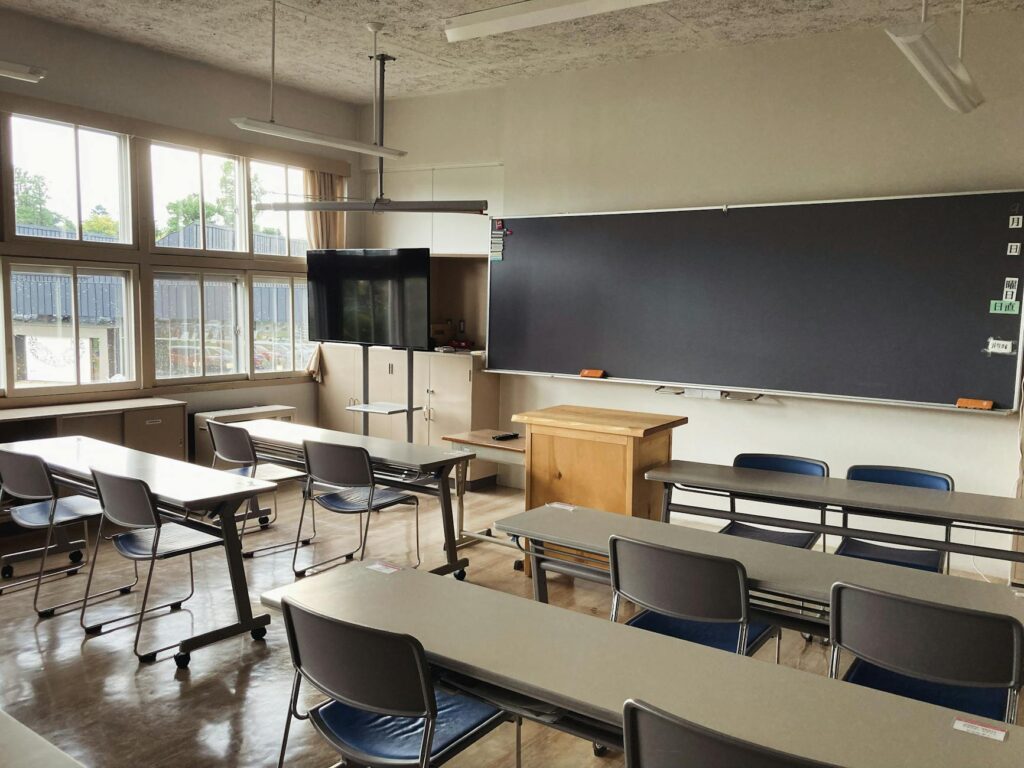
their surroundings. As of May 2026, there’s a growing emphasis on creating learning environments that are not only stimulating but also safe, hygienic, and organised.
This guide covers everything about caring for classrooms. This guide covers everything about caring for classrooms. This guide covers everything about caring for classrooms. This guide covers everything about caring for classrooms. This guide covers everything about caring for classrooms. This guide covers everything about caring for classrooms. This guide covers everything about caring for classrooms. This guide covers everything about caring for classrooms. This guide covers everything about caring for classrooms. Last updated: May 5, 2026
Recent trends, including a heightened awareness of public health and the long-term effects of organised spaces on cognitive function, underscore the importance of attentive classroom care. A clean and organised classroom can lead to fewer sick days, improved focus, and a more positive attitude towards learning among pupils.
Practical insight: Many schools are now incorporating ‘well-being audits’ which explicitly assess the physical state of classrooms, linking them directly to pupil outcomes. This elevates classroom care from a janitorial task to a strategic educational priority.
Establishing a strong Cleaning Routine
A consistent cleaning schedule is the bedrock of effective classroom care. This involves daily, weekly, and periodic deep-cleaning tasks tailored to the specific needs of the space and its occupants.
Daily tasks might include wiping down surfaces, tidying desks, sweeping or vacuuming high-traffic areas, and ensuring general decluttering. Weekly routines could involve more thorough sanitization of frequently touched objects like doorknobs, light switches, and shared equipment, as well as organising bookshelves and resource areas.
Periodic deep cleans, perhaps at the end of a term or holiday, are crucial for addressing areas often overlooked, such as high shelving, ventilation grilles, and the deep cleaning of carpets or upholstery. This systematic approach prevents the accumulation of dirt, dust, and potential allergens.
A Year 5 teacher in Manchester implements a ‘tidy-down’ for the last 5 minutes of every day. Pupils take turns wiping tables, returning books to shelves, and disposing of rubbish, significantly reducing the end-of-week cleaning burden.
The Art of Classroom Organisation and Resource Management
Effective classroom organisation is intrinsically linked to caring for classrooms. When resources are systematically stored and easily accessible, it minimizes wear and tear, saves valuable teaching time, and reduces the likelihood of items being lost or damaged.
This involves creating designated zones for different types of materials: reading corners with well-organised books, art supplies in clearly labelled containers, stationery kits, and dedicated storage for teaching aids. Clear labelling, using both text and symbols, is paramount, especially for younger pupils.
Consider the lifecycle of resources. Books should be repaired promptly, stationery replenished before it runs out, and equipment checked for damage. A pupil-led ‘resource monitor’ system can foster responsibility and ensure items are returned correctly.
A primary school in Bristol uses colour-coded bins for different types of recyclable waste (paper, plastic, general waste). This not only aids classroom tidiness but also educates pupils on environmental responsibility.
Ensuring Classroom Safety: Beyond the Obvious
Classroom safety is a primary concern, and proper care plays a vital role in achieving this. This extends beyond basic accident prevention to encompass environmental factors that can impact pupil health and security.
Regular safety checks should include ensuring all furniture is stable and free from sharp edges or splinters, electrical equipment is PAT tested and in good condition, and access points are secure. Fire exits must be kept clear, and first-aid supplies should be readily available and regularly restocked.
Beyond physical hazards, consider the ‘invisible’ aspects of safety. Adequate ventilation is critical for air quality, helping to minimise the spread of airborne illnesses, a point reinforced by public health guidance in 2026. Ensure windows can be opened safely and that any mechanical ventilation systems are maintained.
A secondary school in Cardiff has a system where pupils report any damaged furniture or equipment via a simple online form. Caring for classrooms allows maintenance teams to address issues proactively before they become hazards.
The Role of Pupils in Classroom Care
Instilling a sense of ownership and responsibility for the classroom environment among pupils is a cornerstone of effective care. This isn’t just about tidiness; it’s about fostering respect for shared spaces and resources.
Age-appropriate tasks can be integrated into the daily routine. Younger pupils might be responsible for putting away toys, books, or art supplies. Older pupils can take on roles such as ‘resource managers’, ‘recycling monitors’, or ‘plant carers’.
Discussing the ‘why’ behind these tasks is crucial. Explain how keeping the classroom tidy helps everyone learn better, how caring for resources ensures they last longer, and how a clean environment is healthier for all. This transforms chores into valuable life lessons.
In a Year 2 class, a ‘cleanest desk’ chart is used weekly. The pupil with the tidiest desk receives a small sticker and recognition, incentivizing consistent tidiness without excessive pressure.
Caring for Specific Classroom Elements
Different elements within a classroom require specialised care. Understanding these nuances ensures longevity and optimal function.
Whiteboards and Interactive Displays
Melamine whiteboards, common in many schools, can scratch easily and ghost over time. Using the correct markers and cleaning fluids is essential. For interactive whiteboards (IWBs), regular cleaning of the screen with approved anti-static wipes prevents dust build-up and maintains touch sensitivity.
Drawback: Harsh chemicals can damage IWB coatings. Always consult the manufacturer’s guidelines for cleaning specific models.
Classroom Furniture
Desks and chairs, especially those used by younger pupils, endure significant wear. Regular checks for wobbly legs, loose screws, or damaged surfaces are vital. Cleaning should involve appropriate disinfectants suitable for the material (wood, laminate, plastic). Proper stacking of chairs when not in use can prevent damage and save space.
Drawback: Some furniture materials can be porous and absorb stains or spills if not cleaned promptly.
Books and Reading Materials
Classroom libraries are invaluable. Books should be stored upright, away from direct sunlight and moisture. Damaged books should be removed for repair or replacement. Encouraging pupils to handle books with care – no dog-earing pages, no eating or drinking near them – is a key part of this care.
Drawback: Books can be expensive to replace, making careful handling and prompt repair economically sensible.
Art and Craft Supplies
Paints, glues, scissors, and paper need organised storage. Jars should be sealed, brushes cleaned after use, and individual supplies kept tidy. Creating a dedicated ‘art station’ with wipeable surfaces can minimise mess. Regular inventory checks ensure essential items are always available.
Drawback: Certain art supplies, like certain paints or adhesives, can be difficult to remove if they dry or stain surfaces.
Unique Insight: As of 2026, many schools are opting for modular, multi-functional furniture that can be easily reconfigured. This not only supports dynamic teaching methods but also simplifies cleaning and maintenance, as items are lighter and designed for frequent movement.
Common Mistakes in Classroom Care and How to Avoid Them
Despite good intentions, several common pitfalls can hinder effective classroom care. Awareness and proactive strategies can prevent these issues.
Mistake 1: Neglecting Daily Tidying
Problem: Letting clutter accumulate daily makes deep cleaning sessions overwhelming and less effective. Surfaces become permanently marked or stained.
Solution: Implement a 5-10 minute ‘reset’ period at the end of each day. This should be a shared responsibility, involving pupils in putting away materials, clearing desks, and disposing of waste. This habit prevents a crisis of clutter.
Mistake 2: Using Inappropriate Cleaning Products
Problem: Employing harsh chemicals on sensitive surfaces like whiteboards, IWBs, or specialised flooring can cause irreparable damage, reducing their lifespan and functionality.
Solution: Always adhere to manufacturer recommendations for cleaning specific equipment. Keep a readily available list of approved cleaning agents for different surfaces. Training cleaning staff and teachers on correct product usage is vital.
Mistake 3: Overlooking Ventilation and Air Quality
Problem: Poor ventilation contributes to stale air, increased transmission of airborne illnesses, and can even affect pupil concentration. This is a growing concern in 2026.
Solution: Ensure windows are opened regularly for natural ventilation. If mechanical systems are in place, schedule regular maintenance and filter changes. Simple air quality monitors can provide useful data on CO2 levels, indicating when more ventilation is needed.
Mistake 4: Lack of Pupil Involvement
Problem: Treating classroom care solely as an adult responsibility misses a significant opportunity to teach pupils valuable life skills and foster respect for their environment.
Solution: Designate specific, age-appropriate classroom care roles for pupils. Make these roles visible and celebrated. Integrate discussions about responsibility into the curriculum, linking it to civic duty and personal pride.
Mistake 5: Inadequate Storage Solutions
Problem: Insufficient or inappropriate storage leads to disorganization, items getting damaged, and a constant struggle to maintain order. Resources may be lost or misplaced.
Solution: Audit storage needs regularly. Invest in modular, durable storage that fits the space and the items it needs to hold. Clear labelling is non-negotiable. Consider vertical storage solutions to maximise space.
Expert Tips for Maintaining a Pristine Classroom
Drawing on experience and best practices, several expert tips can elevate classroom care from a chore to a strategic advantage.
- Invest in Durable Materials: When procurement is possible, prioritise furniture and equipment known for their longevity and ease of cleaning. Porcelain enamel whiteboards, for instance, last significantly longer than melamine ones.
- Create a ‘Welcome Home’ Feeling: A classroom that feels inviting and well-cared-for encourages pupils to treat it with respect. This involves thoughtful arrangement, adequate lighting, and a generally tidy appearance.
- Regularly Audit Supplies: Keep track of consumables like pens, paper, and cleaning materials. Running out of essential supplies can disrupt lessons and lead to makeshift, less effective solutions.
- Embrace Technology Wisely: While technology offers great learning opportunities, it also requires care. Ensure charging stations are organised, cables are managed, and devices are stored securely.
- Delegate and Empower: Empowering pupils and assigning specific classroom maintenance roles can lighten the load for teachers and foster a sense of community.
- Seek Feedback: Periodically ask pupils and support staff for their observations on the classroom environment. They may notice issues that educators overlook.
Frequently Asked Questions
What are the most important aspects of caring for classrooms?
The most important aspects include regular cleaning and sanitization to promote health, effective organisation of resources to enhance learning efficiency, and ensuring a safe physical environment free from hazards.
How can I involve pupils in classroom care?
Involve pupils by assigning age-appropriate daily tasks, such as tidying desks, organising books, or managing recycling. Discussing the importance of these actions fosters a sense of ownership and responsibility.
What is the difference in maintenance between a melamine and a porcelain whiteboard?
Melamine whiteboards are prone to scratching and ghosting, requiring gentler cleaning. Porcelain enamel whiteboards are significantly more durable, resistant to scratching and ghosting, and easier to clean over their much longer lifespan.
How does classroom organisation affect learning?
Good organisation reduces distractions, makes resources easily accessible, and saves time that would otherwise be spent searching for materials. Caring for classrooms allows for more focused learning and less disruption.
What are the best practices for maintaining classroom furniture?
Regularly check for damage, ensure furniture is stable, and clean surfaces with appropriate agents. Proper storage, like stacking chairs correctly, also prevents damage and saves space.
Is there a specific UK curriculum requirement for classroom care?
While the National Curriculum doesn’t mandate specific classroom care procedures, it emphasises creating positive and safe learning environments. Ousted inspections do consider the general state and organisation of classrooms as part of the school’s overall effectiveness.
Conclusion
Caring for classrooms in 2026 is an ongoing process that requires a multi-faceted approach, integrating cleaning, organisation, safety, and pupil responsibility. By implementing consistent routines, making smart choices about resources, and fostering a shared sense of ownership, educators can cultivate learning environments that are not only tidy and functional but also deeply conducive to pupil success. The actionable takeaway is to dedicate 10 minutes at the end of each day for a classroom reset, involving pupils, to maintain a consistently positive and productive learning space.
Last reviewed: May 2026. Information current as of publication; pricing and product details may change.
Source: edX
Editorial Note: This article was researched and written by the Class Room Centre editorial team. We fact-check our content and update it regularly. For questions or corrections, contact us. Knowing how to address caring for classrooms early makes the rest of your plan easier to keep on track.


