
Classroom center: What is a Classroom Centre?
This guide covers everything about classroom center. A classroom centre, often referred to as a learning centre or activity station, is a distinct, designated area within a classroom designed to focus on a specific subject, skill, or type of activity. These centres are foundational to modern pedagogical approaches, fostering active, independent,, and differentiated learning experiences for pupils. As of May 2026, the integration of versatile classroom centres is a hallmark of forward-thinking educational environments, moving beyond traditional rows of desks to create dynamic spaces that cater to diverse learning styles and developmental needs.
Key Takeaways
- Classroom centres are dedicated zones for specific learning activities, promoting engagement and independent study.
- They are crucial for differentiated instruction, allowing pupils to work at their own pace and on tailored tasks.
- Effective centre design considers pupil age, subject matter, and available resources, prioritising flexibility and accessibility.
- By transforming the physical space, centres encourage collaboration, critical thinking, and problem-solving skills.
- As of 2026, technology integration within centres enhances learning through interactive tools and digital resources.
The Evolving Role of Classroom Centres in 2026
The concept of the classroom centre isn’t new, but its significance has dramatically amplified in recent years. Driven by research into effective pedagogy and the need for more adaptable learning environments, centres have become more sophisticated. Today, they are not just static ‘stations’ but dynamic hubs that encourage exploration, experimentation, and deep engagement. The focus has shifted from simply dividing the room to intentionally designing spaces that support specific learning outcomes, preparing pupils for a world that demands adaptability and critical thinking.
Where it gets harder is in ensuring these centres are truly effective and not just decorative. A well-designed centre can transform pupil behaviour and academic outcomes; a poorly conceived one can lead to chaos and wasted time. Understanding the ‘why’ behind centres is the first step to creating truly impactful learning environments.
Why Classroom Centres Are Crucial for Modern Education
The primary driver behind the widespread adoption of classroom centres is their profound impact on pupil engagement and learning outcomes. In an era where attention spans can be challenged by digital distractions, centres offer a tangible, interactive way to capture and maintain interest. They provide a physical manifestation of learning objectives, allowing pupils to immerse themselves in specific tasks or subjects.
Beyond that, centres are intrinsically linked to differentiated instruction. By setting up varied activities within different zones, educators can provide tailored tasks that meet the unique needs of each pupil. This approach ensures that high-achievers are challenged and those requiring additional support receive it, all within the same classroom. The Department for Education (DfE) in the UK, for instance, continually emphasises the importance of personalized learning pathways, which centres inherently support.
And, centres promote the development of essential life skills. When pupils move between different centres, they are practicing transitions, time management, and independent problem-solving. Collaborative centres, in particular, foster teamwork, communication, and negotiation skills, all of which are vital for future success in further education and the workplace.
Types of Classroom Centres and Their Applications
The versatility of classroom centres means they can be adapted to almost any subject or age group. Here are some common types and how they are effectively used:
Literacy and Reading Centres
These are perhaps the most common, providing a cozy and inviting space for pupils to read independently or in small groups. They often feature comfortable seating, a wide selection of books, listening stations with audiobooks, and sometimes writing materials for book reviews or creative responses.
Math and Numeracy Centres
Focused on developing mathematical concepts, these centres might include manipulatives like blocks, counters, or base ten materials. They could also feature games that reinforce addition, subtraction, multiplication, or problem-solving strategies, along with practical tools like rulers and protractors.
Science and Discovery Centres
These centres encourage exploration and experimentation. They might house magnifying glasses, nature specimens, simple experiment kits, or even a small terrarium. The aim is to foster curiosity about the natural world through hands-on investigation.
Art and Creative Centres
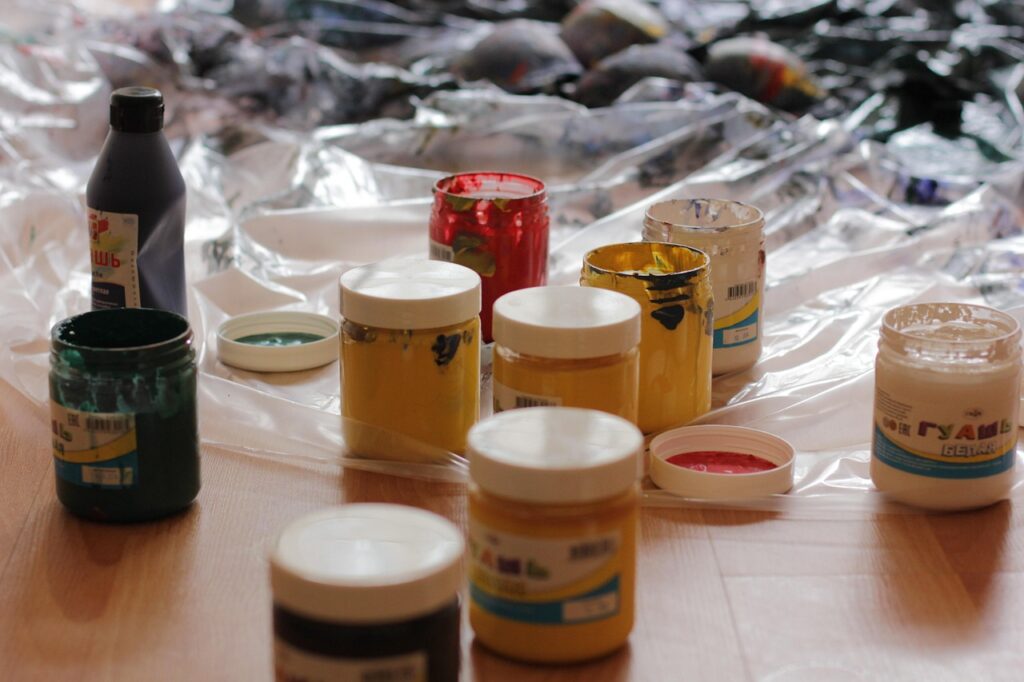
Equipped with a range of art supplies such as paper, paints, crayons, clay, and scissors, these centres allow pupils to express their creativity. They can be linked to specific art projects or serve as a free-expression zone.
Technology Centres
Integrating technology is a hallmark of modern classrooms. These centres might feature computers, tablets, interactive whiteboards, or coding robots, offering pupils opportunities to develop digital literacy skills and engage with digital learning resources.
Role-Play and Dramatic Play Centres
Especially popular in early years and Key Stage 1, these centres allow pupils to explore social roles and scenarios. A ‘shop’, ‘post office’, or ‘doctor’s surgery’ can provide rich opportunities for language development, social interaction, and imaginative play.
Construction and Engineering Centres
Using materials like LEGO bricks, K’nex, building blocks, or even recycled materials, these centres promote spatial reasoning, problem-solving, and design thinking. Pupils can build structures, test their stability, and learn about engineering principles.
Designing Effective Classroom Centres: Key Considerations
Creating successful classroom centres requires careful planning and consideration of several factors. The physical layout and resources are critical, but so too is the pedagogical intent behind each zone.
Age Appropriateness and Developmental Stage
A centre designed for Year 1 pupils will look vastly different from one for Year 10. For younger children, centres should be highly visual, tactile, and offer clear, simple instructions. For older pupils, centres can be more complex, requiring higher levels of independent research, critical analysis, or advanced skill application. For example, a Year 2 literacy centre might focus on letter formation and simple sentence building, while a Year 12 literature centre could involve in-depth textual analysis and essay writing.
Subject Matter Integration
Each centre should align clearly with curriculum objectives. Whether it’s a math centre reinforcing fractions or a history centre exploring a specific era with primary source documents, the activities must be purposeful and contribute to learning goals. This ensures that centre time is not seen as free play but as structured, curriculum-driven exploration.
Accessibility and Organisation
Resources within each centre must be easily accessible to pupils, encouraging independence. Storage solutions are paramount – clearly labelled containers, shelves, and organised trays ensure pupils can find what they need and, crucially, tidy up effectively. This also helps teachers quickly assess what resources are being used and what might need replenishing. As of May 2026, many schools are investing in modular furniture and adaptable storage systems to maximise flexibility.
Flexibility and Adaptability
The best classroom centres are not rigid. They can be easily reconfigured, updated with new materials, or adapted for different lessons or themes. This flexibility allows teachers to respond to pupil interests, current events, or emerging learning needs. For instance, a science centre could be temporarily transformed to explore a specific topic like weather patterns or the human body.
Safety and Supervision
Safety is non-negotiable. Materials should be age-appropriate and non-toxic. Any equipment requiring supervision, such as tools or potentially hazardous science materials, must be located in an area where the teacher can easily monitor activities. Clear rules for centre use should be established and consistently reinforced.
Implementing Classroom Centres: A Practical Guide
Introducing centres into a classroom, especially if it’s a new concept, requires a structured approach. It’s about building routines and expectations gradually.
Step 1: Define Learning Goals
Before setting up any centre, identify what you want pupils to learn or practice. Are you focusing on independent reading, practicing multiplication facts, or developing creative writing skills? The learning goals will dictate the type of centre and the activities within it.
Step 2: Plan the Space
Consider the physical layout of your classroom. Where can you best place different centres to minimise disruption and maximise accessibility? Think about traffic flow between centres and ensure each zone has enough space for pupils to work without feeling cramped. Grouping centres by subject area or by the type of activity (e.g., quiet vs. Active) can be effective.
Step 3: Gather and Organise Resources
Collect all the necessary materials for each centre. This might include books, stationery, manipulatives, technology, and any thematic props. Organise these resources logically within each centre using labelled bins, trays, or shelves.
Step 4: Establish Clear Routines and Expectations
Teach pupils how to use each centre, including how to choose activities, work independently or collaboratively, and clean up. Model the expected behaviour. Establish clear signals for transitioning between centres and for tidying up. Consistency is key here.
Step 5: Introduce Centres Gradually
You don’t need to implement all centres at once. Start with one or two key centres and gradually introduce more as pupils become accustomed to the routines. This phased approach allows both teachers and pupils to adapt more smoothly.
Step 6: Monitor, Assess, and Adjust
Observe how pupils interact with the centres. Are they engaged? Are they learning? Use this observation, along with formal or informal assessments, to gauge the effectiveness of each centre and make necessary adjustments to activities, resources, or organisation. For instance, if a math centre isn’t being used effectively, consider changing the games or manipulatives offered.
Maximizing Pupil Engagement Through Classroom Centres
Engagement is the heartbeat of effective learning, and classroom centres are powerful tools for boosting it. By offering choice, variety, and hands-on experiences, centres naturally draw pupils in.
Choice is a significant factor. When pupils can select which centre to visit or which activity to undertake within a centre, they feel a greater sense of ownership over their learning. This autonomy is a powerful motivator. For example, a reading centre might offer fiction, non-fiction, poetry, and graphic novels, allowing pupils to choose content that appeals to their interests.
Variety in activities keeps learning fresh. A centre can host a range of tasks: some might be quiet and individual, while others are noisy and collaborative. Some might involve fine motor skills, others critical thinking. This constant rotation of activity types prevents monotony and caters to different learning preferences throughout the day or week.
Hands-on exploration is at the core of many centres. Instead of passively receiving information, pupils actively construct their understanding. A science centre where pupils can examine specimens with a magnifying glass or build a simple circuit provides a much richer learning experience than reading about it in a textbook.
The Role of Technology in 2026 Centres
As of May 2026, technology plays an increasingly integral role in classroom centres. Interactive whiteboards, tablets loaded with educational apps, and even simple charging stations for devices are becoming standard. These tools can enhance existing centres or create entirely new ones. For example, a ‘digital storytelling’ centre could allow pupils to use tablets to create their own animations or narrated presentations based on themes explored in a literacy centre.
According to the Education Endowment Foundation (EEF), effective technology integration should align with pedagogical goals rather than being an end in itself. This means choosing tools that genuinely enhance understanding, provide opportunities for practice, or facilitate collaboration. For instance, a math centre might use an app that provides immediate feedback on problem-solving attempts, allowing pupils to correct errors in real-time.
Common Challenges and How to Overcome Them
While highly beneficial, implementing and managing classroom centres can present challenges. Awareness and proactive strategies are key to overcoming them.
Challenge: Noise and Disruption
Solution: Establish clear guidelines for noise levels in different centres. Designate ‘quiet zones’ for reading or individual work and ‘collaboration zones’ where discussion is permitted. Use visual cues or timers to manage transitions and signal when a centre needs to be tidied.
Challenge: Resource Management and Organisation
Solution: Invest in strong, labelled storage solutions. Conduct regular stock takes to ensure resources are available and in good condition. Involve pupils in the organisation and maintenance of centres – this fosters responsibility. Develop a clear system for borrowing and returning materials.
Challenge: Ensuring Equitable Access and Engagement
Solution: Rotate centre activities or assign pupils to specific centres at different times to ensure everyone gets a chance to experience all zones. Observe pupil engagement carefully and intervene if some pupils are consistently avoiding certain centres or dominating others. Differentiated tasks within centres can also ensure all pupils find them appropriately challenging.
Challenge: Time Constraints
Solution: Integrate centre time purposefully into the daily or weekly timetable. Sometimes, centre activities can replace traditional whole-class instruction for a specific topic. Planning centre rotations or ‘centre days’ can help manage time effectively. The goal is not to add more to the day, but to restructure how learning happens.
Challenge: Assessment
Solution: Observe pupils’ work and interactions within centres. Collect samples of work produced at centres (e.g., written responses, drawings, completed math problems). Use checklists to track skill development. Some centres might lend themselves to quick, informal quizzes or exit tickets.
Expert Insights on Creating Inspiring Classroom Centres
Experienced educators often share nuanced advice that goes beyond basic setup guides. One common insight is the importance of pupil involvement in the design and curation of centres. Allowing pupils to suggest new activities, contribute to the organisation, or even create resources for a centre can dramatically increase their investment and ownership. For instance, a class might collaboratively design and build a ‘historical artifacts’ centre after studying a particular period.
Another key piece of advice is to make centres relevant and connected to the real world. If a math centre is practicing measurement, use real-world examples like planning a party or designing a garden. If a science centre is exploring ecosystems, connect it to local nature reserves or environmental issues. This contextualization makes the learning feel more meaningful and purposeful.
Finally, remember that a classroom centre doesn’t always need to be a permanent fixture. Rotating themes or focusing on specific skills for a limited time can keep things fresh and exciting. A ‘problem-solving challenge’ centre that runs for two weeks, followed by a ‘creative writing sprint’ centre, can maintain pupil interest and ensure a broad range of skills are addressed throughout the academic year.
Frequently Asked Questions
What is the main purpose of a classroom centre?
The main purpose of a classroom centre is to provide a dedicated space for pupils to engage in specific learning activities, fostering independence, encouraging exploration, and supporting differentiated instruction tailored to individual needs.
How many centres should be in a classroom?
The ideal number of centres varies based on the age of pupils, the size of the classroom, and the curriculum focus. Typically, 3-5 well-managed centres are effective, ensuring pupils have choice without overwhelming the space or the teacher.
Are classroom centres suitable for secondary school pupils?
Yes, classroom centres can be highly effective for secondary pupils, particularly for subject-specific exploration, project-based learning, or developing advanced research and analytical skills in designated zones.
How do centres help with classroom management?
Centres help with classroom management by providing structured activities, clear expectations, and designated spaces, which reduces off-task behaviour. They empower pupils with choice and responsibility, leading to increased focus and self-regulation.
What is the difference between a learning centre and a station?
The terms are often used interchangeably. ‘Learning centre’ typically implies a more complete zone with multiple activities and resources related to a broad topic, while ‘station’ can refer to a single, specific task or activity within a larger centre or on its own.
How can I make my classroom centres more engaging?
To make centres more engaging, incorporate pupil choice, use real-world connections, integrate technology, rotate activities regularly, and ensure resources are stimulating and relevant to their interests and developmental levels.
Conclusion
Classroom centres are far more than just designated areas; they are dynamic engines for active learning, critical thinking, and pupil-centred education. As of 2026, their strategic implementation is vital for creating responsive, engaging, and effective learning environments that cater to the diverse needs of every pupil. By carefully planning, organising, and continually adapting these spaces, educators can unlock new levels of engagement and academic achievement.
Last reviewed: May 2026. Information current as of publication; pricing and product details may change.
Source: edX
Editorial Note: This article was researched and written by the Class Room Centre editorial team. We fact-check our content and update it regularly. For questions or corrections, contact us. Knowing how to address classroom center early makes the rest of your plan easier to keep on track.