
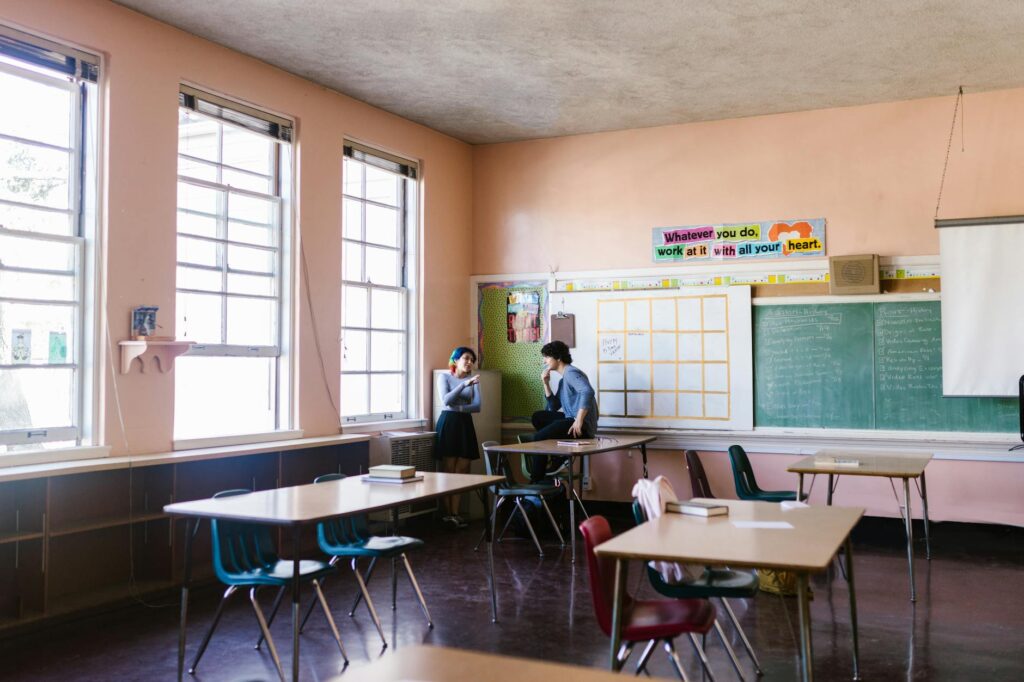
The first thing worth saying about the transparent classroom is that it’s not just a buzzword; as of May 2026, it’s a tangible shift in educational philosophy that’s reshaping how learning environments operate. Why does every classroom whiteboard ghost within six months? Often, it’s not the board itself, but a lack of clear communication about its use, maintenance, and accessibility. This article dives into what a transparent classroom truly entails, its profound benefits, practical implementation strategies for educators across Key Stages 1-5, and the crucial role it plays in building a more trusting and effective educational ecosystem.
Last updated: May 5, 2026
Key Takeaways
- A transparent classroom fosters open communication and shared understanding among educators, pupils, and parents.
- Key benefits include enhanced pupil engagement, improved learning outcomes, and stronger home-school partnerships.
- Implementation involves clear communication channels, accessible pupil progress data, and involving pupils in their learning journey.
- Technology plays a vital role in facilitating transparency, but it must be used thoughtfully and ethically, respecting data privacy.
- Challenges include managing information flow, ensuring digital equity, and shifting established mindsets.
What is the Transparent Classroom Model?
At its core, the transparent classroom model is about demystifying the educational process. It means making the ‘why,’ ‘what,’ and ‘how’ of learning visible and accessible to all stakeholders – educators, pupils, and parents. This contrasts with traditional models where much of the teaching strategy, assessment criteria, and even pupil progress might remain within the educator’s immediate purview.
It involves being open about curriculum goals, assessment methods, and how pupils are performing. It means sharing learning objectives clearly with pupils at the start of a unit and explaining how their work will be evaluated. For parents, it means providing accessible avenues to understand their child’s progress, the school’s pedagogical approach, and how they can best support learning at home. The emphasis is on collaboration rather than unilateral decision-making.
The complex Benefits of Classroom Transparency
The advantages of embracing a transparent classroom approach are far-reaching, impacting pupils, educators, and the wider school community. For pupils, knowing the learning goals and how their progress is measured can significantly boost motivation and self-directed learning. They become active participants rather than passive recipients of instruction.
Educators benefit from clearer communication with parents, leading to fewer misunderstandings and more consistent support for pupils. It also encourages self-reflection and professional development as teachers articulate their methods and outcomes more explicitly. The open classroom model can lead to a more positive and supportive school culture overall, fostering trust and mutual respect.
Implementing Transparency: Practical Strategies for Educators
Transitioning to a more transparent classroom doesn’t require a complete overhaul overnight. It’s a journey that can be initiated through several practical steps. The first is establishing clear and consistent communication channels. This could involve regular newsletters, dedicated class websites or blogs, or using school-approved digital platforms to share updates on curriculum, assignments, and pupil achievements.
Secondly, making pupil progress visible and understandable is key. Instead of just providing raw marks, educators can share rubrics, explain assessment criteria, and offer qualitative feedback that pupils and parents can act upon. Sharing examples of excellent work, anonymised where necessary, can also set clear benchmarks. The Education Endowment Foundation (EEF) highlights the importance of clear feedback in improving pupil attainment, a principle that underpins transparent practice.
Involving pupils in their own learning journey is another crucial element. This means setting learning objectives collaboratively where appropriate, encouraging them to reflect on their strengths and areas for development, and giving them a voice in classroom decisions. This fosters a sense of ownership and responsibility.
Open Communication Channels
Effective communication is the bedrock of a transparent classroom. This means ensuring that information flows freely and clearly between teacher, pupils, and parents. For instance, a Year 4 teacher in Birmingham might use a weekly email to parents outlining the week’s learning objectives, key vocabulary, and how pupils will be assessed, alongside a brief update on class activities and any upcoming events.
Similarly, pupils should have avenues to ask questions, voice concerns, and provide feedback on their learning experience. This could be through dedicated Q&A sessions, anonymous suggestion boxes (digital or physical), or peer feedback activities. The goal is to create an environment where all voices are heard and valued.
Accessible Pupil Progress Data
Providing access to pupil progress data goes beyond simply sharing report card grades. It involves making the assessment criteria, the rationale behind grades, and developmental pathways clear. For example, a secondary school maths department could host a section on its website detailing the skills assessed for GCSE preparation, alongside exemplar responses for different grade levels. This empowers pupils to understand what they need to do to improve.
Digital learning platforms now offer sophisticated tools for tracking and sharing progress. When used ethically, these can provide real-time insights into a pupil’s engagement with materials, performance on quizzes, and completion of assignments. It’s vital, however, to ensure data privacy and security, adhering to regulations like the UK GDPR. According to the Information Commissioner’s Office (ICO), schools must be diligent in protecting pupil data, even when sharing information to enhance transparency.
Empowering Pupil Agency
A truly transparent classroom empowers pupils to take an active role in their education. This can manifest in various ways, from co-creating classroom rules and behavioural expectations to selecting project topics or even contributing to the assessment process through self-reflection and peer review. For instance, in a Key Stage 3 science class, pupils might be given a choice of experiments to demonstrate a particular scientific principle, allowing them to explore areas of greater interest.
This empowerment fosters a sense of responsibility and metacognitive skills. When pupils understand the learning objectives and their personal progress towards them, they are better equipped to set their own goals and seek the support they need. This aligns with research from organisations like the National Centre for Teaching and Learning, which consistently points to the positive impact of pupil agency on engagement and achievement.
The Role of Technology in Fostering Transparency
Digital tools have revolutionised the potential for transparency in education. Learning Management Systems (LMS) like Google Classroom, Moodle, or Microsoft Teams can serve as central hubs for sharing resources, assignments, feedback, and progress updates. These platforms can provide parents with insights into their child’s daily schoolwork and performance.
However, the integration of technology must be mindful of potential pitfalls. Not all families have equal access to devices or reliable internet, a challenge that must be addressed to ensure digital equity. The ethical use of data is paramount. As highlighted by recent discussions on AI in education, safeguarding pupil privacy is non-negotiable. The Department for Education (DfE) provides guidance on the responsible use of technology in schools, emphasising pupil welfare and data protection.
Choosing the Right Digital Tools
Selecting the appropriate digital tools is crucial. For primary schools, platforms that are intuitive and visually engaging might be preferred, focusing on simple communication and sharing of learning experiences. For secondary schools, more strong LMS offerings can support complex subject matter, diverse assessment types, and detailed progress tracking.
Consider tools that facilitate two-way communication, such as messaging features or forums, rather than just one-way dissemination of information. Interactive whiteboards, when integrated with online resources, can also make lessons more dynamic and accessible. When evaluating tools, consider ease of use for all users (teachers, pupils, parents), integration capabilities with existing school systems, and, most importantly, their data security and privacy protocols. Many schools in 2026 are adopting platforms that offer granular control over data sharing, ensuring compliance with privacy regulations.
Data Privacy and Ethical Considerations
The drive for transparency must never compromise pupil privacy. Schools collect a significant amount of data on pupils, and this data must be handled with the utmost care. This includes understanding what data is collected, why it’s collected, who has access to it, and how it’s protected. Policies around data retention and deletion are also vital.
Educators must be trained on data protection best practices and the ethical implications of using digital tools. Transparency here means being open with parents about the school’s data policies and the specific technologies being used. A clear, accessible privacy notice is essential. For instance, if a school uses an AI-powered grading assistant, parents should be informed about its function, limitations, and how it impacts their child’s assessment. The ICO’s guidance for the education sector offers practical advice on these matters.
Challenges and Pitfalls in Transparent Classrooms
While the benefits are substantial, implementing a transparent classroom approach is not without its challenges. One significant hurdle is managing the sheer volume of information. Educators need to strike a balance between providing sufficient detail and overwhelming pupils or parents with too much data. Over-sharing, especially without proper context, can lead to confusion or anxiety.
Another challenge is ensuring equitable access to information. If communication relies heavily on digital platforms, families without reliable internet or devices may be left behind. Schools must have strategies in place to bridge this digital divide, perhaps through printed summaries or designated times for accessing information at school.
Information Overload and Misinterpretation
It’s easy to fall into the trap of oversharing information without providing adequate context. For example, sharing raw assessment data without explanation could lead parents to misinterpret their child’s performance, causing undue stress. Similarly, teachers might feel pressured to constantly update multiple platforms, leading to burnout.
The solution lies in strategic communication. Prioritise what information is most critical and provide clear explanations. Use visual aids, summaries, and face-to-face conversations when complex issues arise. A policy of ‘clarity over volume’ is often more effective. For instance, instead of daily updates, a weekly summary focusing on key learning points and progress indicators might be more manageable and impactful.
Addressing Digital Equity and Access
The digital divide remains a significant barrier to equitable transparency. While many UK schools are well-resourced, some pupils may lack consistent access to the internet or suitable devices at home. This can create a two-tier system where some families are fully engaged with online communication and progress tracking, while others are excluded.
Schools must proactively address this. Strategies include providing printed materials, offering access to school computers during non-teaching hours, or ensuring that crucial information is also conveyed through traditional means like face-to-face meetings or phone calls. A blended approach to communication, catering to diverse needs, is essential for true transparency. The TES (Times Educational Supplement) often features articles discussing strategies for bridging the digital gap in schools.
Shifting Established Mindsets
Perhaps the most profound challenge is shifting ingrained mindsets – both for educators who may be accustomed to more private practice and for parents who may have different expectations of school communication. Building trust takes time and consistent effort. Some educators might feel their professional autonomy is being challenged, while some parents might be hesitant to engage with new communication methods.
Professional development and open dialogue are key. Workshops for staff on transparent teaching practices and information sessions for parents can help align expectations. Demonstrating the positive impact of transparency through improved pupil outcomes and stronger relationships can also win over sceptics. As reported by BBC News Education, successful implementation often hinges on strong leadership and a whole-school commitment.
Case Study: A Transparent Primary School in Manchester
St. Jude’s Primary School in Manchester has been actively cultivating a transparent classroom environment over the past three academic years. Initially, the approach focused on sharing weekly learning objectives and key vocabulary with parents via a dedicated class blog. This simple step saw a noticeable increase in parental questions about homework and a greater understanding of the curriculum.
Building on this, the school introduced a digital portfolio system for pupils in Years 5 and 6. This platform allows pupils to upload samples of their work, reflect on their learning process, and receive feedback from teachers. Parents can view these portfolios, providing a richer picture of their child’s development than traditional report cards alone. The school also holds termly ‘Curriculum Insights’ evenings where teachers explain teaching methodologies for different subjects, addressing common parental queries and demystifying pedagogical choices. This has led to a significant improvement in home-school collaboration, with parents reporting feeling more informed and involved.
Best Practices for a Transparent Learning Environment
To maximise the effectiveness of a transparent classroom, several best practices should be adopted. Firstly, start small and build gradually. Don’t try to implement everything at once. Choose one or two areas, like sharing learning objectives or assessment criteria, and perfect those before expanding.
Secondly, consistency is vital. Whether it’s weekly updates or regular portfolio reviews, maintain a predictable rhythm so that parents and pupils know what to expect. Thirdly, tailor communication to your audience. A Year 1 parent will need different information and a different format than a Year 12 student’s parent.
Finally, be prepared to listen and adapt. Transparency is a two-way street. Actively solicit feedback from pupils and parents and be willing to adjust your approach based on their input. This iterative process is crucial for continuous improvement.
Continuous Feedback Loops
Establishing strong feedback mechanisms is essential. This means creating opportunities for pupils to share their thoughts on lessons, activities, and the overall classroom climate. It also involves actively seeking feedback from parents regarding the clarity and usefulness of the communication they receive.
Schools can implement anonymous surveys, suggestion boxes, or dedicated feedback forums. The key is to demonstrate that feedback is valued and acted upon. For example, if multiple parents express confusion about a particular assessment method, the school should address this by providing clearer explanations or offering alternative assessment formats where feasible.
Professional Development for Educators
For educators, embracing transparency often requires new skills and a shift in perspective. Professional development programmes should focus on effective digital communication, constructive feedback techniques, data interpretation, and strategies for fostering pupil agency. Training should also address the ethical implications of data sharing and privacy.
The Chartered College of Teaching offers resources and professional development opportunities that can support educators in developing these competencies. Investing in staff training ensures that educators feel confident and equipped to implement transparent practices effectively and ethically.
Engaging Pupils in Their Learning Journey
Beyond simply informing pupils about their progress, transparency involves actively engaging them in setting goals, monitoring their own development, and understanding the rationale behind their learning. This can include teaching metacognitive strategies, encouraging self-assessment, and involving them in peer feedback sessions.
For instance, a history teacher could guide pupils to identify the historical thinking skills they need to develop for an essay, and then help them track their progress in applying those skills. This moves beyond simply receiving a grade to understanding the learning process itself. Educational psychologists who consistently champions this approach link metacognitive awareness to improved academic performance.
Frequently Asked Questions
What is the main goal of a transparent classroom?
The primary goal is to foster an open, trusting, and collaborative learning environment by making educational processes, objectives, and pupil progress visible and understandable to pupils, parents, and educators alike.
Does transparency mean sharing everything?
No, transparency doesn’t mean sharing every single piece of data or internal discussion. It means sharing what is relevant and beneficial for understanding and improving learning, while always respecting privacy and professional boundaries.
How can parents support a transparent classroom?
Parents can support by actively engaging with the shared information, asking clarifying questions, discussing pupil progress with their child, and collaborating with educators to provide consistent support for learning at home.
What are the risks of a transparent classroom?
Risks include information overload, potential for misinterpretation of data, digital equity issues for families without consistent access, and the challenge of shifting established communication habits and mindsets.
Is transparency more important in primary or secondary school?
Transparency is beneficial at all levels. While its application may differ, the core principles of open communication and shared understanding are valuable for young learners developing foundational skills and older students preparing for higher education or careers.
How does technology help or hinder transparency?
Technology can greatly facilitate transparency by providing platforms for communication and data sharing. However, it can hinder it if it creates digital divides or if data privacy is not rigorously managed.
The shift towards a transparent classroom in 2026 represents a significant evolution in education. By prioritising open communication, accessible data, and shared understanding, schools can cultivate more engaged pupils, stronger home-school partnerships, and ultimately, more effective learning outcomes. The key takeaway is that transparency isn’t just about sharing information; it’s about building trust and empowering every member of the learning community to contribute to success.
Last reviewed: May 2026. Information current as of publication; pricing and product details may change.
Editorial Note: This article was researched and written by the Class Room Center editorial team. We fact-check our content and update it regularly. For questions or corrections, contact us.


