
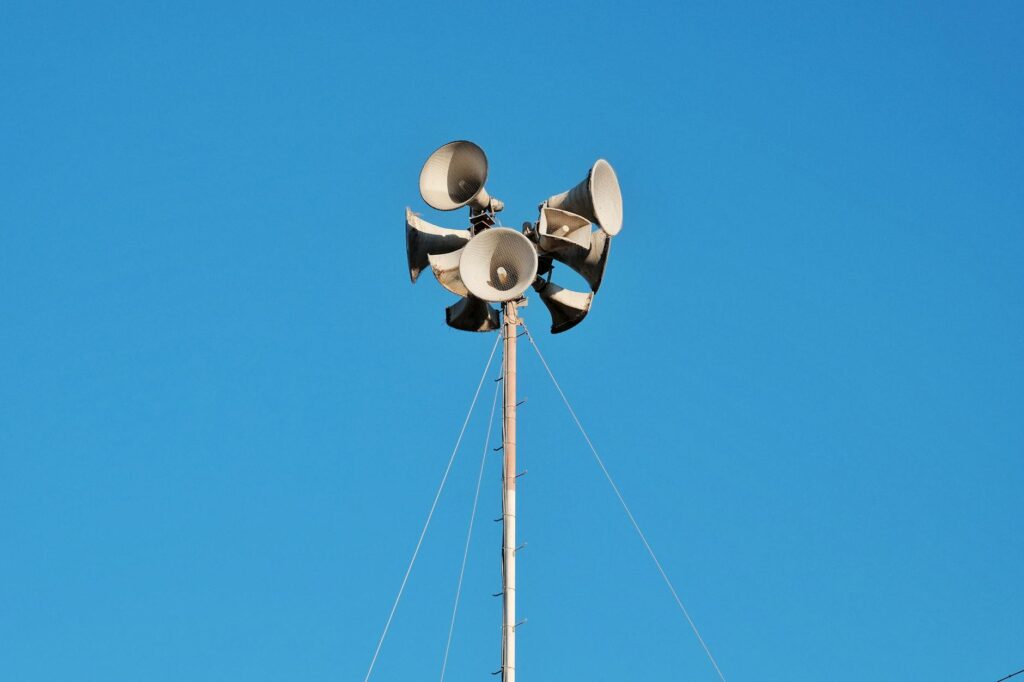
The Crucial Role of Classroom Amplification in 2026 Learning Spaces
This guide covers everything about classroom amplification. In today’s dynamic educational landscape, effective communication is paramount. Classroom amplification systems have emerged as essential tools, transforming how teachers and students interact. As of April 2026, these systems are not just for students with hearing impairments; they benefit all learners by ensuring crystal-clear audio.
Last updated: May 1, 2026
- Classroom amplification systems enhance speech intelligibility, making it easier for all students to understand lessons.
- These systems reduce teacher vocal strain and improve student engagement by ensuring consistent sound delivery.
- Technology ranges from simple personal microphones to integrated ceiling-speaker setups, catering to diverse classroom needs.
- Proper acoustic management complements amplification, creating an optimal listening environment.
The primary goal of classroom amplification is to equalize sound levels, ensuring that the teacher’s voice is heard consistently throughout the room, regardless of where a student is seated or ambient noise. This clarity directly impacts comprehension, retention, and overall classroom participation.
Understanding Speech Intelligibility and Its Impact
Speech intelligibility refers to how easily spoken language can be understood. In a typical classroom, this can be challenging due to background noise from HVAC systems, student chatter, or poor room acoustics. Amplification systems boost the teacher’s voice frequency range, making consonants clearer and differentiating words more effectively.
For instance, a student struggling to differentiate between “sit” and “kit” due to poor intelligibility might miss crucial instructions. A well-implemented classroom sound system ensures these critical phonetic distinctions are preserved, even in noisy conditions.
Types of Classroom Amplification Systems
The market offers a spectrum of classroom amplification solutions, from basic personal amplification devices to sophisticated integrated systems. Understanding these options is key to selecting the best fit for your specific classroom environment and budget.
Personal Amplification Devices
These systems typically involve a teacher wearing a small microphone (often a lapel or headset mic) that transmits their voice wirelessly to a speaker worn by the student or placed near them. These are highly effective for individual students with specific hearing needs.
A teacher might use a portable transmitter connected to a student’s hearing aids or cochlear implants via a neck loop or direct audio input. This ensures the student receives a strong, clear signal directly.
Room-Based Amplification Systems
These systems are designed to cover the entire classroom. They usually consist of ceiling-mounted speakers, wall speakers, or integrated soundbars, connected to a central amplifier and a teacher microphone (often a boundary mic on the desk or a wireless mic). Some advanced systems incorporate multiple microphones for student participation.
A common setup involves a wireless headset microphone for the teacher, connected to an amplifier powering ceiling speakers strategically placed to ensure uniform sound coverage across the room. According to Audiology Online, proper speaker placement is critical for uniform sound distribution.
Infrared (IR) and FM Systems
These are specific types of wireless transmission technologies used in both personal and room-based systems. FM (Frequency Modulation) systems transmit audio signals over radio frequencies, while IR systems use infrared light. Both are generally reliable, but FM can be susceptible to interference, and IR requires a clear line of sight between transmitter and receiver.
Use Case: In a classroom with multiple wireless devices operating, an IR system might be preferred to minimise signal overlap compared to an FM system, ensuring each student receives only their intended audio feed.
Benefits of Classroom Amplification for All Learners
While initially developed for students with hearing loss, classroom amplification yields significant advantages for the entire student body and the educator. These benefits extend to engagement, comprehension, and overall learning outcomes.
Improved Student Engagement and Focus
When students can clearly hear and understand instructions, they are more likely to pay attention and participate. This reduces the cognitive load associated with trying to decipher unclear speech, allowing students to focus on the lesson content itself.
A study published in the Journal of Educational Psychology indicated that improved speech intelligibility in classrooms correlated with higher levels of student on-task behaviour and reduced instances of disruptive off-task activities.
Reduced Teacher Vocal Strain
Educators naturally project their voices for extended periods. Without amplification, this can lead to vocal fatigue, hoarseness, and even long-term voice damage. A classroom amplification system allows teachers to speak at a normal conversational volume, preserving their voice health.
According to the American Speech-Language-Hearing Association (ASHA) (2023), vocal health is a significant concern for educators, and amplification is a proven intervention.
Support for Diverse Learning Needs
Classroom amplification is a powerful tool for inclusive education. It supports students with mild to moderate hearing loss, auditory processing disorders, ADHD, and even English language learners who benefit from clearer pronunciation and distinct word separation.
Use Case: In a special education setting, a teacher might use a lavalier microphone to ensure a student with an auditory processing disorder receives a direct, clean audio feed, minimizing distractions from classroom chatter.
The Science Behind Effective Classroom Acoustics
While amplification boosts sound, effective classroom acoustics ensure that sound is delivered clearly and without excessive echo or noise. This involves managing reverberation and background noise.
Controlling Reverberation
Reverberation is the persistence of sound in a space after the original sound has stopped, caused by reflections off hard surfaces like walls, floors, and ceilings. High reverberation times can significantly reduce speech intelligibility.
A classroom with bare walls, tile floors, and a hard ceiling will have much higher reverberation than a room with carpets, acoustic ceiling tiles, and soft furnishings. According to the Acoustical Society of America, optimal reverberation times for classrooms are typically below 0.6 seconds.
Minimizing Background Noise
Noise from ventilation systems (HVAC), hallway traffic, or external construction can mask speech and disrupt learning. Reducing these sources of noise is crucial for a conducive learning environment.
Use Case: Schools often invest in quieter HVAC systems or use acoustic baffling to reduce noise bleed from corridors. In 2026, many new school constructions prioritise advanced soundproofing materials.
Integrating Classroom Amplification with Technology
Modern classroom amplification systems often integrate with other educational technologies, creating a more dynamic and interactive learning experience. This integration can enhance content delivery and student participation.
Connectivity with Multimedia Devices
Many amplification systems can connect wirelessly or via cable to computers, tablets, interactive whiteboards, and projectors. Classroom amplification allows the audio from videos, educational apps, or online resources to be smoothly broadcast through the classroom speakers.
A teacher can play a science documentary, and the narration will be amplified through the classroom speakers, ensuring all students can hear the audio cues vital for understanding the visual content.
Microphones for Student Input
Some advanced systems include microphones for students to use when asking questions or participating in discussions. This is particularly beneficial in larger classrooms or for students who are hesitant to speak loudly.
Use Case: A secondary school debate class might use a system with several student microphones so that all participants’ contributions can be clearly heard by their peers and the instructor, fostering better peer-to-peer learning.
Real-World Examples and Case Studies
Seeing classroom amplification in action provides valuable context for its effectiveness. Here are a couple of scenarios illustrating its impact.
Case Study 1: Elementary School Classroom
Maplewood Elementary School implemented a new room-based amplification system in its third-grade classrooms in 2026. The system included a wireless headset microphone for the teacher and ceiling speakers. Teachers reported a significant decrease in vocal strain, with one educator noting, “I used to dread the afternoon lessons because my voice would be so tired. Now, I can teach all day without feeling it.”
Student comprehension scores in reading and listening activities increased by an average of 8% in classrooms with the new system compared to control classrooms. Parents also reported that their children seemed more engaged in schoolwork and homework discussions.
Case Study 2: High School Science Lab
Northwood High School’s science department faced challenges with students missing critical instructions during complex lab procedures due to ambient noise and poor acoustics. They installed a system featuring a boundary microphone on the teacher’s demonstration table and directional speakers focused on student workstations.
The head of the science department stated, “The number of errors due to misheard instructions has dropped dramatically. Students can now hear safety protocols and procedural steps clearly, making our labs safer and more effective.” This technological upgrade has directly improved the quality of practical learning experiences.
Common Mistakes to Avoid with Classroom Amplification
Implementing classroom amplification is not always straightforward. Several common pitfalls can diminish the effectiveness of these systems.
Mistake 1: Over-reliance on Volume Alone
Simply turning up the volume without considering clarity or background noise can create a cacophony. The goal is not just loudness but intelligibility.
Solution: Ensure the system is properly calibrated to balance volume with clarity. Professional installation and periodic checks by an audio technician can prevent this issue. Seek guidance from organisations like the National Center for Hearing Assessment and Management for best practices.
Mistake 2: Neglecting Classroom Acoustics
Installing an amplification system in a highly reverberant or noisy room is like shouting into a hurricane. The amplified sound will be distorted and difficult to understand.
Solution: Address acoustic issues (reverberation, background noise) before or concurrently with installing amplification. Simple, cost-effective solutions like acoustic panels or heavier drapes can make a significant difference.
Mistake 3: Inconsistent Use by Educators
Some teachers may only use the amplification system sporadically, perhaps when they feel their voice is strained or when teaching a particularly important lesson. This creates an inconsistent learning environment.
Solution: Provide complete training on the benefits and ease of use for all educators. Foster a school-wide culture that embraces amplification as a standard teaching tool for all lessons, not just for specific needs.
Tips and Expert Insights for Maximizing Classroom Sound
To get the most out of your classroom amplification investment, consider these expert-backed strategies.
Prioritise Digital Systems for Future-Proofing
As of 2026, digital wireless transmission technologies offer superior sound quality, reduced interference, and enhanced security compared to older analog FM systems. Investing in digital ensures your system remains effective and compatible with future technologies.
Conduct an Acoustic Audit
Before purchasing a system, have an audio professional or educational technology specialist conduct an acoustic audit of your classrooms. This assessment will identify specific challenges like reverberation, noise sources, and optimal speaker placement, guiding your technology choice.
Seek Teacher Feedback Regularly
The teachers are the primary users of these systems. Regularly solicit their feedback on performance, ease of use, and any issues they encounter. This continuous loop of communication can lead to ongoing improvements and user satisfaction.
Consider Universal Design for Learning (UDL) Principles
Frame classroom amplification as a component of UDL, making learning accessible to all students. This approach shifts the focus from remediation for specific disabilities to creating an optimal environment for every learner.
Explore Government and Grant Funding
Many government agencies and private foundations offer grants for educational technology, including assistive listening devices and classroom sound systems. Researching these funding opportunities can help offset the cost of implementation.
Frequently Asked Questions
What is the main purpose of classroom amplification?
The primary purpose of classroom amplification is to ensure that the teacher’s voice is clearly audible to all students, regardless of their seating position or individual hearing capabilities, thereby improving comprehension and engagement.
Are classroom amplification systems only for students with hearing loss?
No, while they significantly benefit students with diagnosed hearing impairments, these systems enhance speech intelligibility for all students by reducing background noise and reverberation, promoting better focus and learning.
How much does a classroom amplification system typically cost?
Costs vary widely, from a few hundred dollars for basic personal systems to several thousand for integrated room-wide solutions. Check with manufacturers and educational technology suppliers for current pricing specific to your needs.
What is the difference between FM and IR classroom amplification?
FM systems use radio waves for transmission, while Infrared (IR) systems use light. FM can be susceptible to interference from other devices, whereas IR requires a clear line of sight but offers better signal isolation in multi-system environments.
How can I improve classroom acoustics without expensive renovations?
Simple, cost-effective methods include adding soft furnishings like carpets and curtains, using acoustic panels on walls, and strategically placing furniture to break up sound reflections.
What is speech intelligibility?
Speech intelligibility refers to how easily and accurately spoken words can be understood by a listener. It’s crucial for effective communication, especially in noisy or acoustically challenging environments like classrooms.
Conclusion: Amplify Your Classroom for Enhanced Learning
Classroom amplification is a vital technology in 2026 for fostering an inclusive and effective learning environment. By ensuring clear communication, these systems boost student engagement, support teacher well-being, and ultimately contribute to better educational outcomes for everyone.
Actionable Takeaway: Assess your current classroom’s acoustic environment and communication needs to determine the most suitable amplification solution that will benefit all your students.
Source: edX
Editorial Note: This article was researched and written by the Class Room Centre editorial team. We fact-check our content and update it regularly. For questions or corrections, contact us. Knowing how to address classroom amplification early makes the rest of your plan easier to keep on track.


