
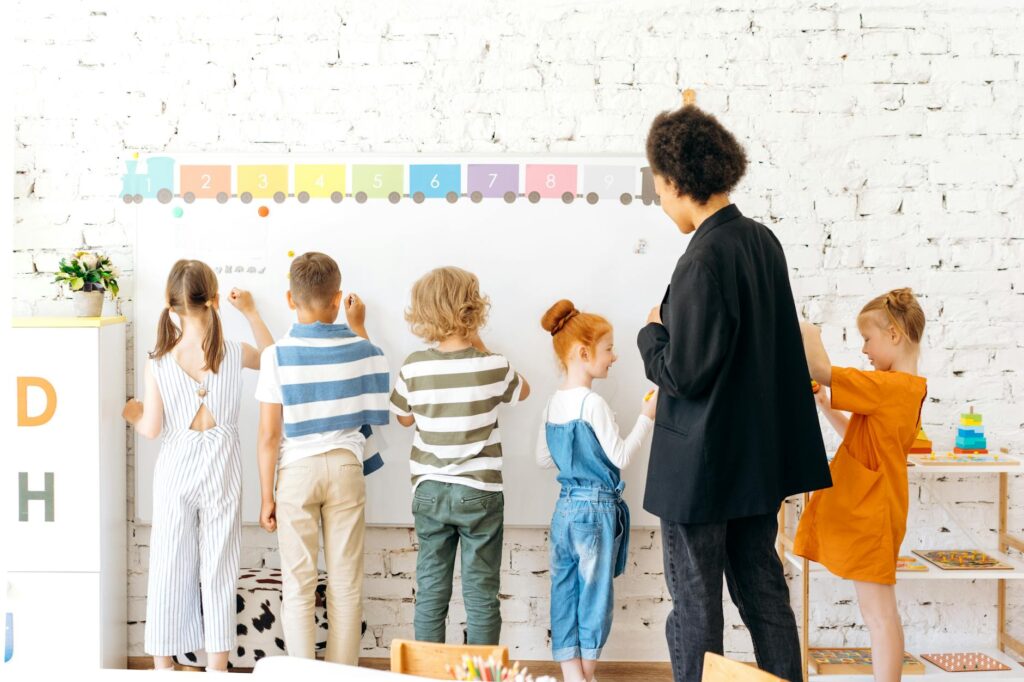
Sparking Curiosity: Engaging Kindergarten Classroom Themes for 2026
This guide covers everything about kindergarten classroom themes. As of April 2026, the educational landscape continues to evolve, emphasizing immersive and engaging learning experiences for young students. For kindergarten teachers, selecting impactful classroom themes is a powerful strategy to create a stimulating environment that fosters curiosity, supports curriculum goals, and enhances overall student development. A well-chosen theme can transform a standard classroom into an exciting, cohesive learning space where children feel motivated to explore, discover, and connect with their studies.
Last updated: May 1, 2026
- Kindergarten classroom themes 2026 provide a structured, engaging framework for learning, boosting student interest and comprehension.
- Themes can be broad (e.g., ‘Outer Space’) or curriculum-specific (e.g., ‘Farm to Table’), aligning directly with learning objectives.
- Successful theme implementation involves integrating visuals, activities, and language across all subject areas for a cohesive experience.
- Teachers should consider student age, curriculum standards, and available resources when selecting and developing classroom themes.
- The goal is to create an immersive environment that makes learning tangible, memorable, and fun for every kindergartener.
Why Kindergarten Classroom Themes Matter in 2026
The early years of schooling are foundational, and the classroom environment plays a critical role. Kindergarten classroom themes serve as more than just decorations; they are educational tools. In 2026, research from organisations like the National Association for the Education of Young Children (NAEYC) consistently highlights how engaging environments positively impact learning outcomes. A cohesive theme helps children make connections between different subjects, understand new concepts more easily, and develop a stronger sense of belonging.
When a classroom is themed around a concept like ‘Ocean Life’, for instance, students can explore marine biology through science, count fish in math, read stories about sea creatures, and create ocean-themed art. This interdisciplinary approach, facilitated by the theme, makes learning complete and memorable. It also helps manage the classroom by providing a predictable yet exciting structure.
Choosing the Right Kindergarten Classroom Theme: A Strategic Approach
Selecting a theme requires thoughtful consideration. It’s not just about picking a favourite animal or character. The most effective kindergarten classroom themes are those that can be woven into the daily curriculum, supporting specific learning objectives. For example, a ‘Community Helpers’ theme can naturally integrate lessons on different professions, social studies, and even safety.
Consider the age and developmental stage of your students. While a ‘Dinosaur Dig’ theme might captivate most 5-year-olds, ensure the activities and content are age-appropriate. Teachers often find success by polling students for initial ideas or observing their interests to guide theme selection. A practical insight: start with a broad theme and then narrow it down to specific learning areas you want to emphasize.
Immersive Learning: The ‘Outer Space’ Kindergarten Theme
An ‘Outer Space’ theme offers boundless opportunities for learning. Imagine transforming the classroom into a galaxy. Walls can be adorned with stars, planets, and nebulae. A designated ‘Mission Control’ area can serve as a reading or quiet activity zone. Children can learn about gravity, the solar system, astronauts, and different celestial bodies.
Activities could include building rockets from recycled materials, creating constellation art, learning about the phases of the moon, and calculating distances between planets (using simplified math concepts). This theme not only sparks imagination but also introduces complex scientific concepts in an accessible way. According to a 2026 report by the U.S. Department of Education, engagement in STEM topics during early childhood correlates with higher academic achievement later on.
Literacy-Rich Environments: ‘Storybook Village’ Kindergarten Theme
A ‘Storybook Village’ theme is ideal for fostering a love of reading. The classroom can be decorated to resemble settings from popular children’s books. Different corners might represent ‘Fairy Tale Forest,’ ‘Mystery Mansion,’ or ‘Adventure Island,’ each linked to specific literary genres or books being studied.
Students can act out scenes from stories, create their own storybooks, learn about author’s techniques, and practice sight words by placing them on themed ‘signposts.’ This approach makes literacy tangible. A practical insight: dedicate a ‘Storyteller’s Nook’ with comfortable seating and a rich collection of books to encourage reading for pleasure. This directly supports early literacy goals.
Exploring Science: ‘Enchanted Forest’ Kindergarten Theme
An ‘Enchanted Forest’ theme provides a natural canvas for science exploration. The classroom can be filled with elements like trees (made from cardboard tubes), leaves, flowers, and representations of forest animals. This theme is excellent for teaching about nature, ecosystems, plant life cycles, and animal habitats.
Activities might include planting seeds and observing growth, creating leaf rubbings, learning about animal tracks, discussing the importance of conservation, and conducting simple experiments related to nature. The U.S. Environmental Protection Agency (EPA) emphasizes the importance of environmental education from a young age, and this theme directly aligns with that mission. Teachers can also introduce concepts of weather and seasons within this context.
Math Concepts Made Fun: ‘Construction Zone’ Kindergarten Theme
For introducing math concepts, a ‘Construction Zone’ theme can be incredibly effective. The classroom can be decorated with caution tape, blueprints, and construction equipment visuals. Students can engage with math through building, measuring, and problem-solving activities.
Ideas include using building blocks to teach counting, shapes, and patterns; measuring materials with rulers and tape measures; sorting tools by size or function; and working on simple addition and subtraction problems related to ‘building projects.’ This theme makes abstract math concepts concrete. A practical insight: incorporate real-world tools like toy hammers, measuring tapes, and blueprints to enhance the hands-on learning experience and connect math to practical applications.
Social-Emotional Learning: ‘Kindness Kingdom’ Kindergarten Theme
Themes can also powerfully support social-emotional learning (SEL). A ‘Kindness Kingdom’ theme fosters empathy, cooperation, and positive behaviour. The classroom can be decorated with symbols of friendship, helping hands, and positive affirmations.
Activities could involve discussing feelings, practicing sharing and taking turns, creating ‘kindness jars’ where students record acts of kindness, role-playing scenarios that require empathy, and celebrating achievements related to positive social interactions. This theme helps build a supportive and inclusive classroom community. As noted by the Collaborative for Academic, Social, and Emotional Learning (CASEL), strong SEL skills are crucial for long-term well-being and academic success.
Seasonal Kindergarten Themes for Dynamic Learning
Integrating seasonal themes adds variety and relevance to the learning environment throughout the school year. These themes naturally align with upcoming holidays, changes in nature, and cultural events, making learning timely and engaging.
For example, ‘Autumn Harvest’ can focus on fall produce, Thanksgiving traditions, and the changing colours of leaves. ‘Winter Wonderland’ might explore snow, hibernation, and winter holidays. ‘Spring Awakening’ could cover new life, gardening, and weather patterns. ‘Summer Adventures’ might introduce concepts like weather, vacations, and outdoor activities. Using seasonal themes keeps the classroom fresh and allows for diverse learning opportunities, from understanding weather patterns to exploring cultural celebrations.
Practical Implementation: Bringing Themes to Life
Simply decorating a classroom isn’t enough; themes must be actively integrated into daily instruction. This means aligning activities, lesson plans, and even classroom management with the chosen theme. For an ‘Under the Sea’ theme, math lessons could involve counting seashells, science could explore marine life, and language arts could focus on ocean-themed stories and vocabulary.
Consider creating a ‘Theme Resource Centre’ where all materials related to the theme are organised. This might include books, manipulatives, art supplies, and learning games. Teacher training and collaboration are also key; sharing ideas and resources among colleagues can enhance theme implementation. As of April 2026, many districts are investing in professional development focused on creating engaging learning environments, recognising the significant impact of themed instruction.
Real-World Examples of Successful Kindergarten Classroom Themes
A kindergarten class in Austin, Texas, adopted a ‘Dinosaur Dig’ theme for a semester. They created a sandpit excavation area where students used brushes and tools to uncover plastic dinosaur fossils. Math lessons involved sorting fossils by size and type, while science focused on dinosaur eras and diets. The classroom walls featured a timeline of dinosaurs, and students wrote simple descriptive sentences about their favourite prehistoric creatures. This hands-on, multi-sensory approach made learning about paleontology incredibly exciting and memorable for the young learners.
Another example is a first-year teacher in Chicago who used a ‘Farm to Table’ theme. Her classroom was decorated with farm imagery, and she partnered with a local community garden to bring in seasonal produce. Students learned where food comes from, counted vegetables, identified different plants, and even prepared simple snacks using ingredients they harvested or learned about. This theme provided practical lessons in nutrition, agriculture, and science, connecting classroom learning directly to real-world experiences.
Common Mistakes to Avoid with Kindergarten Classroom Themes
One common pitfall is choosing a theme that’s too narrow or difficult to integrate across all subjects. A theme like ‘Superheroes’ might be popular, but if it’s not thoughtfully linked to curriculum, it can become mere decoration. The solution is to ensure the theme has broad applicability or can be adapted to cover multiple learning areas. For instance, ‘Superheroes’ can be adapted to discuss community helpers, problem-solving skills, and even physics (how things fly).
Another mistake is over-decorating to the point of distraction. While visuals are important, a cluttered classroom can overwhelm young children. The key is balance: create an immersive atmosphere without creating visual noise. Prioritise functional decor that also serves an educational purpose. Finally, failing to involve students in the theme can reduce engagement. Regularly asking for their input on theme-related activities or allowing them to contribute to classroom displays fosters a sense of ownership and excitement.
Expert Tips for Maximizing Kindergarten Classroom Themes
To truly maximise the impact of your kindergarten classroom themes, consider these expert insights. First, ensure the theme is flexible enough to adapt as student interests emerge. For instance, a ‘Space Explorers’ theme could easily pivot to focus on specific planets or the work of real astronauts if students show a particular fascination.
Second, engage multiple senses. For a ‘Jungle Safari’ theme, incorporate jungle sounds, textures of leaves (real or artificial), and even the smell of natural elements (like pine or eucalyptus, safely). This multi-sensory approach deepens understanding and retention. Third, use the theme to reinforce classroom management. For a ‘Treasure Island’ theme, ‘finding treasure’ could be a reward for good behaviour, or ‘navigating the ship’ could be a metaphor for following classroom rules. This integrates behavioural expectations smoothly.
Finally, don’t forget to involve families. Share the classroom theme with parents and suggest related activities they can do at home. This extends the learning beyond the school walls and creates a partnership in the child’s education. For example, if the theme is ‘Ocean Wonders,’ encourage families to visit an aquarium or read ocean-themed books together.
Frequently Asked Questions
What is the main purpose of kindergarten classroom themes?
The primary purpose is to create an engaging, cohesive, and immersive learning environment that supports curriculum objectives, sparks student curiosity, and makes learning more memorable and enjoyable for young children.
How often should kindergarten classroom themes be changed?
Themes can be changed seasonally, monthly, or for shorter periods to focus on specific units of study. Many teachers use a broad overarching theme for a semester or year and smaller, more focused themes within that.
Can classroom themes help with behaviour management?
Yes, themes can be used to set expectations and provide a framework for behaviour. For example, a ‘Safety Superstars’ theme can reinforce rules about walking feet and listening ears.
What are some popular kindergarten classroom theme ideas for 2026?
Popular themes for 2026 include ‘Outer Space Exploration,’ ‘Enchanted Forest,’ ‘Community Helpers,’ ‘Farm to Table,’ ‘Dinosaur Dig,’ and ‘Ocean Wonders,’ focusing on STEM, literacy, and social-emotional learning.
How do I make sure a theme is educational and not just decorative?
Integrate the theme into lesson plans across all subjects. Ensure activities, discussions, and learning materials directly relate to the theme’s core concepts and learning objectives.
What are the benefits of seasonal kindergarten themes?
Seasonal themes make learning timely and relevant, connecting classroom activities to the natural world, holidays, and cultural events happening throughout the year, keeping the environment fresh and dynamic.
Conclusion
Kindergarten classroom themes are far more than superficial decorations; they are potent educational tools that can profoundly shape a child’s learning experience. By thoughtfully selecting and integrating themes like ‘Outer Space,’ ‘Storybook Village,’ or ‘Kindness Kingdom,’ educators in 2026 can create dynamic, immersive environments that boost engagement, deepen understanding, and foster a lifelong love of learning.
Actionable Takeaway: Choose one curriculum unit you plan to teach in the next month and brainstorm how you can transform your classroom into a themed environment that supports that specific unit, integrating at least three different learning areas.
Related read: Sparking Curiosity: Engaging Kindergarten Classroom Themes for 2026
Editorial Note: This article was researched and written by the Class Room Centre editorial team. We fact-check our content and update it regularly. For questions or corrections, contact us. Knowing how to address kindergarten classroom themes early makes the rest of your plan easier to keep on track.


