
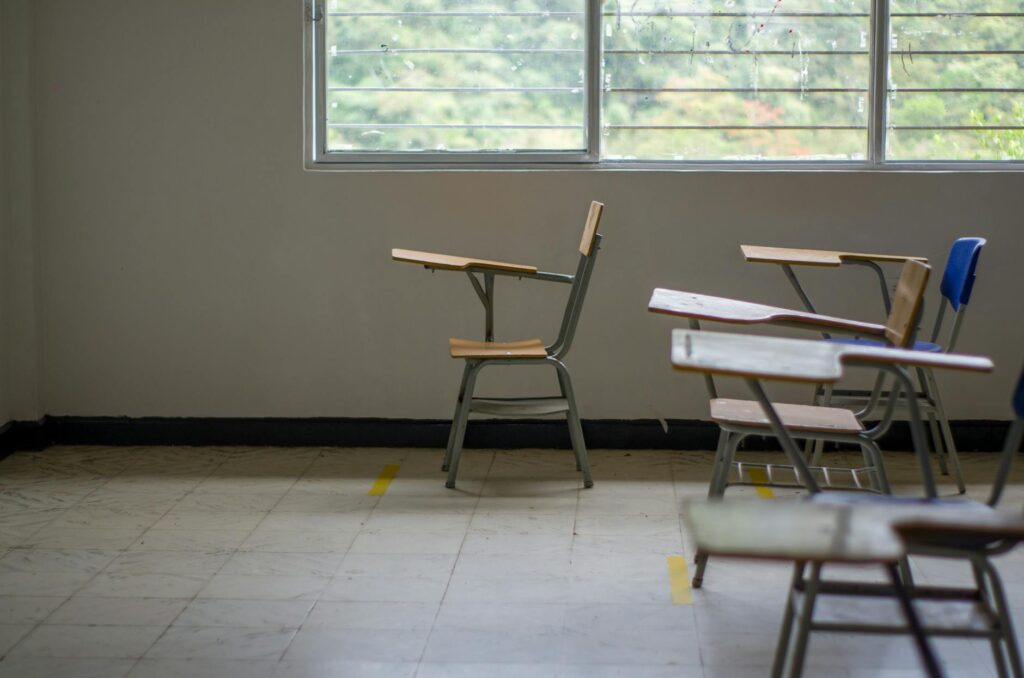
Classroom light covers are more than just aesthetic additions; they are functional tools proven to enhance the learning environment. In 2026, educators and administrators increasingly recognise their impact on student concentration, comfort, and overall well-being. Harsh, flickering, or uneven lighting can lead to eye strain, headaches, and distraction.
Last updated: May 1, 2026
- Classroom light covers reduce harsh glare and flickering from overhead fluorescent lights, promoting better student focus.
- They are crucial for creating sensory-friendly environments, especially for students with ADHD, autism, or light sensitivity.
- Available in various materials and mounting styles, they offer customizable solutions for diverse classroom needs.
- Proper installation and selection can lead to significant improvements in student engagement and academic performance.
Understanding the Impact of Classroom Lighting
Overhead fluorescent lights are common in many educational settings. While effective for general illumination, their specific spectrum and tendency to flicker can negatively affect students, particularly younger ones or those with sensory processing sensitivities. This is where classroom light covers become indispensable.
Think about a typical school day. Students spend hours under these lights, attempting to focus on whiteboards, textbooks, and digital screens. Glare from the lights bouncing off surfaces can make reading difficult and cause visual fatigue. Flickering, often imperceptible but present, can subtly disrupt concentration and even trigger discomfort in sensitive individuals.
A practical insight: Even minor improvements in lighting quality can have a ripple effect on a student’s ability to absorb information and participate actively in class. The goal is to create a calm, comfortable, and stimulating visual atmosphere conducive to learning.
Types of Classroom Light Covers Available in 2026
The market offers a diverse range of classroom light covers to suit different needs and fixture types. Understanding these options is key to making an informed choice.
Acrylic Diffuser Panels
These are the most common type. Made from durable acrylic, they diffuse the light, softening its intensity and reducing glare. They are typically designed to fit standard fluorescent proffers.
- Pros: Cost-effective, easy to clean, good light diffusion, readily available.
- Cons: Can yellow over time with prolonged UV exposure, susceptible to cracking if mishandled.
A standard 2×4 foot acrylic panel that snaps or clips into existing fluorescent light frames.
Fabric Baffle Covers
Fabric covers, often made from fire-retardant materials, stretch over light fixtures. They offer a softer, more diffused light and are becoming popular for their aesthetic appeal and improved glare control.
- Pros: Excellent glare reduction, creates a softer ambiance, can offer a more modern look, lightweight.
- Cons: May require more frequent cleaning than rigid panels, potential for sagging if not installed properly, can be more expensive.
Case Study: The Octo Lights brand launched new fabric magnetic light cover colours in April 2026, specifically targeting sensory-friendly classrooms and modern workspaces, highlighting the growing demand for aesthetically pleasing and functional lighting solutions.
Polycarbonate Covers
Similar to acrylic but generally more impact-resistant and durable. Polycarbonate covers are a good choice for areas where durability is a concern.
- Pros: High impact resistance, good light diffusion, longer lifespan than some acrylics.
- Cons: Can be more expensive than standard acrylic, may still yellow over time.
LED Panel Wraps and Diffusers
For classrooms transitioning to LED lighting, specialised LED panel diffusers or wraps are available. These are designed to work with the specific output of LED panels, ensuring even light distribution.
- Pros: Optimised for LED performance, can improve light quality and reduce eye strain from LED sources.
- Cons: Specific to LED fixtures, may not be compatible with older fluorescent systems.
The Crucial Role of Classroom Light Covers in Sensory Spaces
For students with conditions like ADHD, autism, sensory processing disorder, or even migraines, harsh lighting can be a significant barrier to learning. Classroom light covers are vital tools for creating sensory-friendly environments.
Harsh fluorescent lights can exacerbate sensory overload. The continuous flickering, even if not consciously perceived, can contribute to anxiety and difficulty focusing. Strong glare can be physically uncomfortable, making it hard to see or concentrate on tasks. By diffusing and softening this light, covers create a calmer visual field.
Reducing Glare for Better Visual Comfort
Glare is the excessive brightness that causes visual discomfort. It can come directly from the light source or be reflected off surfaces like desks, whiteboards, or screens. Classroom light covers work by scattering the light rays, reducing the intensity and preventing direct, harsh beams from reaching students’ eyes.
Imagine a student trying to read a textbook under a bright, direct fluorescent light. The glare makes the page appear washed out and causes eye strain. A light cover diffuses this light, making the page uniformly illuminated and comfortable to view.
Minimizing Flicker for Enhanced Concentration
Older fluorescent lights, and even some newer ones, can produce a subtle flicker. This flicker is a result of the alternating current powering the lights. While many people don’t consciously notice it, it can be a significant distractor for some students, impacting their ability to concentrate and learn.
Creating a Calming Atmosphere
Beyond just reducing negative effects, well-chosen light covers can contribute to a more positive and calming classroom atmosphere. The softer, more even light can make the classroom feel more welcoming and less stressful, which is particularly beneficial for younger students or those prone to anxiety.
Practical Tip: For a truly sensory-friendly classroom, consider combining light covers with dimmable fixtures or smart lighting systems that allow for adjustable light levels and colour temperatures.
Benefits Beyond Visual Comfort
The advantages of using classroom light covers extend beyond simply reducing eye strain and improving focus. They can contribute to a healthier and more productive learning space.
Improved Academic Performance
When students are comfortable and can concentrate better, their capacity for learning increases. Reduced distractions from glare and flicker mean more attention can be directed towards lessons, potentially leading to better comprehension and retention of material. According to research cited by the Illuminating Engineering Society (IES) (as of 2026), optimal lighting conditions are correlated with improved task performance and reduced errors.
A classroom using blue-tinted light covers to reduce visual fatigue during long reading sessions reported a noticeable decrease in student complaints about headaches and an uptick in reading speed.
Reduced Fatigue and Headaches
Prolonged exposure to harsh or flickering light is a common cause of eye strain, headaches, and general fatigue among students and teachers. By softening the light, covers help mitigate these issues, allowing for longer periods of comfortable engagement with learning materials.
Enhanced Aesthetics and Classroom Appeal
While functionality is primary, classroom light covers can also contribute to the overall aesthetic of the room. Available in various designs, colours, and even patterns, they can soften the sometimes sterile appearance of standard fluorescent fixtures and integrate better with classroom decor.
Unique Angle: Some specialised covers, like those featuring educational themes or calming nature scenes, can double as subtle visual aids or elements that contribute to a thematic classroom design, making the learning space more engaging.
Installation and Maintenance Considerations
Installing classroom light covers is typically straightforward, but knowing the right approach ensures safety and longevity.
How to Install Standard Fluorescent Light Covers
Most acrylic or polycarbonate diffuser panels are designed to be retrofitted into existing fluorescent proffers. The process usually involves:
- Safety First: Always turn off the power to the light fixtures at the breaker box before beginning.
- Remove Old Lens (if applicable): If the fixture has an old, yellowed, or broken lens, carefully remove it.
- Measure and Fit: Most covers are designed to the standard size of fluorescent fixtures (e.g., 2×4 feet, 2×2 feet). They often have clips or hinges that attach to the fixture frame.
- Secure the Cover: Snap or clip the new diffuser panel into place, ensuring it sits flush and securely.
- Restore Power: Turn the power back on at the breaker box and test the lights.
Expert Tip: For fabric covers, installation often involves elastic bands or magnetic attachments that stretch over the fixture. Follow the manufacturer’s specific instructions carefully to ensure a snug fit that won’t sag.
Maintenance for Longevity
Regular cleaning is essential to maintain the effectiveness and appearance of classroom light covers.
- Cleaning Frequency: Aim to clean them at least twice a year, or more often if they accumulate dust or become smudged.
- Cleaning Agents: Use a soft cloth with mild soap and water or a non-abrasive cleaner recommended by the manufacturer. Avoid harsh chemicals or abrasive pads, which can scratch or damage the material.
- Check for Yellowing or Cracking: Over time, acrylic can yellow. Polycarbonate is more resistant. Inspect covers periodically for signs of wear, damage, or discoloration.
Common Mistakes to Avoid
While seemingly simple, selecting and installing light covers can have pitfalls. Avoiding these common mistakes ensures you get the best performance and value.
Mistake 1: Choosing the Wrong Size or Type
Not all light fixtures are standard. Installing a 2×4 cover on a 2×2 fixture, or trying to fit a fluorescent cover onto an LED panel, won’t work and can even be unsafe.
Solution: Always measure your existing light fixture dimensions accurately before purchasing. Check compatibility with your fixture type (fluorescent, LED). For instance, specialised classroom ceiling light filters are designed for specific educational needs.
Mistake 2: Overlooking Light Quality and Colour Temperature
Light covers can alter the colour temperature and perceived brightness of the light. A cover that diffuses too much light might make a classroom too dim, while one that filters out too much blue light could make it feel less energetic.
Solution: Consider the intended use of the space. For general classrooms, a neutral diffusion is often best. For sensory rooms, warmer tones or specific colour filters (like calming blues or greens) might be preferred. The IES Lighting Quality Committee provides guidelines on optimal light spectra for various environments.
Mistake 3: Neglecting Installation Safety
Working with overhead fixtures can be dangerous if not done correctly. Improperly secured covers can fall, and working near electrical components without turning off power is hazardous.
Solution: Always follow safety protocols: turn off power at the breaker, use a stable ladder, and if unsure, hire a qualified electrician or facilities manager. Ensure covers are firmly attached.
Mistake 4: Ignoring Durability and Fire Retardancy
In a busy classroom environment, covers can be accidentally bumped or impacted. Also, fire safety is paramount in schools.
Solution: Opt for durable materials like polycarbonate or high-quality acrylic. Ensure all covers meet relevant safety standards, especially regarding fire retardancy, which is often a requirement for educational institutions. Look for certifications like UL 94.
Expert Tips for Maximizing Classroom Lighting
To truly optimise your classroom’s visual environment, go beyond just fitting a cover. These expert insights can make a significant difference.
Tip 1: Layer Your Lighting
Don’t rely solely on overhead fixtures. Incorporate task lighting (desk lamps for focused work) and ambient lighting (softer, indirect sources) to create a flexible and comfortable environment. Light covers are part of this larger strategy.
A reading corner might benefit from a floor lamp with a warm, diffused bulb, complementing the softer overhead light provided by covers.
Tip 2: Consider Colour-Correcting Filters
Beyond simple diffusion, specialised light filters can correct for the harsh blue tones often found in fluorescent or LED lights. Blue light can suppress melatonin production, affecting alertness and sleep cycles. Filters can shift the light spectrum to be more natural and less disruptive.
Unique Insight: The application of tinted fluorescent light covers for specific learning needs dates back decades, but modern materials allow for more precise colour correction. For instance, some research suggests specific tints can aid students with dyslexia or ADHD by reducing visual noise. While specific studies on 2026 classroom applications are emerging, the principle is sound.
Tip 3: Involve Students in the Process
For older students, involving them in selecting light cover styles or discussing the impact of lighting can be an educational experience in itself. This fosters a sense of ownership and understanding of their learning environment.
Tip 4: Regularly Assess Light Levels
Light levels can decrease over time due to bulb aging and dust accumulation on covers. Periodically assess whether the lighting still meets recommended levels for educational spaces. The CDC’s Guidelines for Environmental Health for schools mentions that adequate lighting is crucial for health and safety.
Tip 5: Prioritise Maintenance
Clean covers are more effective covers. Make cleaning a regular part of classroom upkeep. This simple step ensures the maximum benefit from your investment.
Frequently Asked Questions
Are classroom light covers worth the investment?
Yes, classroom light covers are a worthwhile investment. They significantly improve visual comfort, reduce distractions, and can positively impact student concentration and well-being, contributing to a better learning environment.
Can I use regular ceiling light diffusers in a classroom?
While some residential diffusers might fit, it’s best to use covers specifically designed for educational settings. Classroom covers often meet stricter fire safety codes and are optimised for the type of lighting commonly found in schools.
How often should classroom light covers be cleaned?
It’s recommended to clean them at least twice a year, or more frequently if they appear dusty or smudged. Regular cleaning maintains light quality and prevents glare from dust buildup.
What is the difference between acrylic and polycarbonate light covers?
Polycarbonate is generally more impact-resistant and durable than acrylic, making it a better choice for high-traffic or potentially rougher environments. Acrylic is often more cost-effective and offers good light diffusion.
Are there coloured light covers for classrooms?
Yes, coloured and tinted light covers are available. They can be used to create specific moods, reduce certain light spectrums (like excess blue light), or cater to sensory needs in special education settings.
How do light covers help with ADHD?
For students with ADHD, reducing visual distractions like glare and flickering from overhead lights can improve focus. Calmer, more stable lighting environments help minimise sensory overload, allowing for better concentration on tasks.
Conclusion
Classroom light covers are a fundamental component of modern educational spaces in 2026. They transform harsh, potentially distracting overhead lighting into a more conducive element for learning. By reducing glare, minimizing flicker, and creating a comfortable visual atmosphere, these covers directly support student focus, well-being, and academic success.
Actionable Takeaway: Assess your current classroom lighting and consider installing quality light covers to create a more effective and comfortable learning environment for all students.
Editorial Note: This article was researched and written by the Class Room Centre editorial team. We fact-check our content and update it regularly. For questions or corrections, contact us.


