
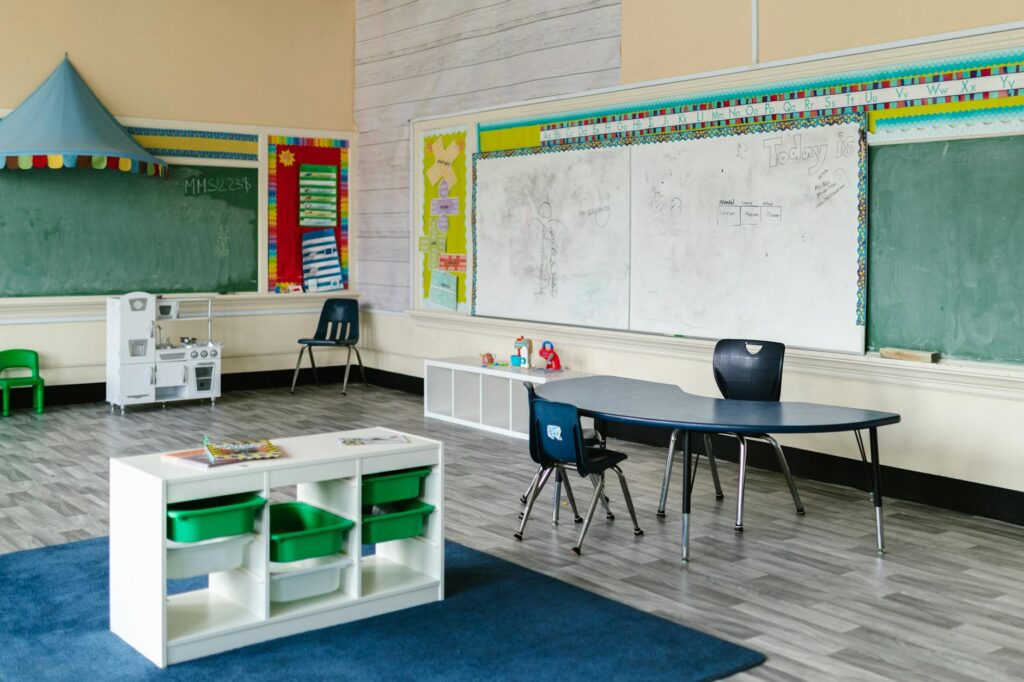
Kindergarten Classroom Essentials: Crafting a Foundation for Learning in 2026
This guide covers everything about classroom in kindergarten. A kindergarten classroom in 2026 is a vibrant ecosystem where foundational learning, social-emotional growth, and boundless curiosity intertwine. Far beyond a mere collection of desks and chairs, the modern kindergarten classroom is meticulously designed to be an engaging, supportive, and stimulating environment. It’s a space that actively supports a child-centred approach, encouraging exploration and discovery. This guide digs into the critical components that define an effective kindergarten classroom as of April 2026, offering practical insights for educators, parents, and administrators.
Last updated: May 1, 2026
- Effective kindergarten classrooms in 2026 prioritise flexibility, child-led exploration, and diverse learning zones.
- Organisation and accessibility are paramount, ensuring children can independently access materials and manage their space.
- Integrating natural light, calming colours, and age-appropriate furniture enhances comfort and focus.
- Technology, while important, is best used to supplement hands-on, play-based learning, not replace it.
- A well-designed kindergarten classroom fosters social-emotional development alongside academic skills.
Understanding the Core Philosophy of a Modern Kindergarten Classroom
At its heart, the kindergarten classroom of 2026 is built on the principles of early childhood development. This means recognising that young children learn best through play, hands-on experiences, and social interaction. The physical space must reflect this philosophy, moving away from rigid, teacher-centric layouts towards flexible, child-friendly designs.
Consider a classroom where children are not just seated at tables but can freely move between a quiet reading nook, a collaborative building area, and a sensory exploration station. This physical freedom mirrors the cognitive and emotional freedom that’s crucial for early learning. According to NAEYC (2023), the physical environment is a ‘third teacher,’ profoundly influencing children’s behaviour and learning outcomes.
Designing Flexible Learning Zones
A key characteristic of an exemplary kindergarten classroom in 2026 is the strategic division into distinct learning zones. These zones cater to different types of activities and learning styles, allowing children to choose where and how they engage with the curriculum.
These zones might include: a reading corner with comfortable seating and diverse books; a dramatic play area furnished with props for imaginative role-playing; a science and discovery station with magnifying glasses, natural objects, and simple experiments; an art and creation space with various art supplies; and a math and manipulatives area stocked with blocks, puzzles, and counting tools. The flexibility allows for spontaneous learning opportunities and encourages children to develop independence and self-direction.
For example, a kindergarten in London might create a ‘Marketplace’ dramatic play area where children practice counting money and social negotiation skills, while a classroom in Berlin could establish a ‘Nature Explorer’ zone using recycled materials and local flora to teach about the environment.
The Importance of Accessibility and Organisation
For young children, independence is a vital part of development. An organised kindergarten classroom ensures that materials are easily accessible, allowing children to select their own activities and tidy up afterward. This fosters a sense of responsibility and autonomy.
All learning materials, from art supplies to building blocks, should be stored in low, open shelves or clear bins. Labels with both pictures and words are essential for helping children identify what goes where. Consider the height and reach of kindergarteners when placing items. A well-organised space reduces clutter, which in turn minimizes distractions and promotes focus.
A study by the National Center for Biotechnology Information (2017) found that clutter in a child’s environment can negatively impact their executive function and ability to process information. Keeping the classroom tidy is not just about aesthetics; it’s about cognitive support.
Colour, Light, and Furniture: Creating a Welcoming Atmosphere
The sensory experience of the classroom significantly impacts children’s mood, behaviour, and ability to learn. The choice of colours, lighting, and furniture plays a crucial role in creating a welcoming and functional kindergarten environment.
Natural light is always preferable. Large windows that let in sunlight can boost mood and reduce eye strain. If natural light is limited, supplement with warm, adjustable artificial lighting. Avoid harsh fluorescent lights. Colours should be calming yet stimulating; soft blues, greens, and yellows can create a serene atmosphere, while brighter accent colours can be used in learning centres for visual interest. Furniture should be child-sized, ergonomic, and adaptable. Consider a mix of tables, floor cushions, and small chairs to offer different seating options.
As noted by WGBH (April 2026), improvements in kindergarten readiness, often linked to better learning environments, are contributing to positive long-term outcomes for students.
Integrating Technology Thoughtfully
Technology has a place in the modern kindergarten classroom, but its integration must be intentional and complementary to hands-on learning. It should enhance, not replace, tactile and interactive experiences.
Consider incorporating age-appropriate tablets for educational games that reinforce literacy and numeracy skills, interactive whiteboards for group activities, or digital cameras for children to document their projects. The key is balance. According to The 74 (2026), early childhood education sets the stage for student success, and technology can be a tool in this process when used wisely.
For example, instead of using a tablet solely for passive viewing, a teacher might use it to record children singing a song they created, which can then be shared with parents. This combines digital literacy with creative expression.
The Role of Play-Based Learning in Classroom Design
Play is not just recreation for young children; it’s their primary mode of learning. A kindergarten classroom designed for play-based learning recognizes this and structures the environment to facilitate rich, imaginative, and purposeful play experiences.
This means providing ample space and varied materials for constructive play (building with blocks), pretend play (dress-up, dolls), sensory play (sand, water, playdough), and gross motor play (climbing structures, tunnels). The design should encourage children to explore, experiment, problem-solve, and collaborate within these play scenarios. Teachers act as facilitators, observing play, asking open-ended questions, and introducing concepts or vocabulary that extend the children’s learning.
A report on Education Week (April 2026) highlights that good preschool curricula are built around active learning, which inherently involves play.
Fostering Social-Emotional Development
A kindergarten classroom isn’t just about academics; it’s a crucial space for developing social and emotional skills. The physical environment can play a significant role in supporting this aspect of a child’s growth.
Design elements that promote social-emotional learning include: quiet nooks or ‘calm-down corners’ where children can retreat when feeling overwhelmed; designated spaces for group activities that encourage cooperation and sharing; and visual aids that help children identify and express emotions. The overall atmosphere should be one of warmth, safety, and inclusivity, where every child feels valued and respected. Teachers actively model empathy and positive social interactions.
Unique Insight: Consider incorporating a ‘kindness station’ with materials for making cards or small gifts for classmates, encouraging prosocial behaviour and empathy. This is a simple yet effective way to embed emotional intelligence into the classroom’s physical design.
Real Examples and Use Cases
Example 1: The “Community Hub” Classroom (UK Primary School)
A reception class (ages 4-5) in Manchester, UK, designed their classroom around a ‘Community Hub’ theme. The dramatic play area was a fully equipped ‘Post Office’ with stamps, envelopes, and a post box where children could write and deliver letters. A ‘Library Corner’ featured comfortable beanbags and a wide selection of books donated by parents. The ‘Construction Zone’ was stocked with large cardboard boxes, tape, and craft supplies, encouraging collaborative building projects. They used a large, central rug for group storytelling and singing, with smaller tables around the perimeter for focused activities like drawing or puzzles. This setup, as of April 2026, demonstrated high engagement levels, with children naturally moving between zones and collaborating on projects, fostering both literacy and social skills.
Example 2: The “Nature’s Wonders” Classroom (German Kindergarten)
A kindergarten in Munich, Germany, embraced a strong nature-based learning philosophy. Their classroom featured a large, well-lit ‘Science Discovery Table’ with rotating themes like ‘Insects,’ ‘Leaves,’ or ‘Water.’ Magnifying glasses, microscopes (child-safe), and natural artifacts were readily available. Walls were adorned with children’s nature drawings and photos. Outdoor learning was heavily integrated, with a dedicated ‘Mud Kitchen’ and planting area accessible daily. Furniture included natural wood elements, and plants were incorporated throughout the indoor space. This environment, as of 2026, supported inquiry-based learning and fostered a deep appreciation for the natural world, aligning with broader European trends in early childhood education.
Common Mistakes to Avoid in Kindergarten Classroom Design
Even with the best intentions, certain design choices can hinder learning and engagement in a kindergarten classroom.
Mistake 1: Over-reliance on traditional rows of desks. This setup limits collaboration and movement, which are crucial for young learners. Solution: Opt for flexible seating arrangements like pods of tables or group workspaces that can be easily reconfigured.
Mistake 2: Too much visual clutter. While colorful displays are good, an overwhelming amount of posters, charts, and student work can distract children and create a chaotic environment. Solution: Curate displays strategically. Use bulletin boards for current themes and rotate student work regularly. Maintain calm, uncluttered wall spaces in between.
Mistake 3: Inaccessible materials. Storing essential learning tools on high shelves or behind closed doors discourages independent exploration. Solution: Implement low, open shelving with clear labels (pictures and words) so children can choose and return materials themselves.
Mistake 4: Ignoring sensory needs. Harsh lighting, excessive noise, or uncomfortable seating can negatively impact children, especially those with sensory sensitivities. Solution: Incorporate natural light, use rugs to absorb sound, offer varied seating options (cushions, floor mats), and create a designated quiet area.
Mistake 5: Underestimating the power of outdoor space. Many classrooms lack sufficient connection to or effective use of outdoor areas. Solution: Designate and equip outdoor spaces for learning and play, integrating them into the daily curriculum as much as possible.
Expert Tips for an Engaging Kindergarten Classroom
To create a truly exceptional kindergarten classroom in 2026, consider these expert-backed strategies:
- Prioritise a ‘Calm-Down Corner’: Equip a small, cozy space with soft cushions, books, and perhaps a sensory bottle or fidget toys. Classroom in kindergarten gives children a safe place to regulate their emotions.
- Incorporate Natural Elements: Bring in plants, use natural wood furniture, and display natural objects like shells or stones. This connection to nature can be very grounding for children.
- Flexible Furniture is Key: Invest in lightweight, easily movable tables and chairs that can be arranged in various configurations to suit different activities—from individual work to large group projects.
- Student-Led Display Areas: Dedicate space for children to proudly display their own artwork and projects. This builds ownership and self-esteem.
- Sensory Integration: Offer a variety of textures and sensory experiences. This could include a sensory bin with rice or beans, playdough, or textured art materials.
- Use Vertical Space: Think beyond floor level. Wall-mounted shelves, display boards, or even a small children’s art easel can maximise usable space.
- The Power of Storytelling Nooks: Create inviting, comfortable areas specifically for reading and quiet reflection, making books a central and appealing part of the classroom experience.
Unique Expert Insight: Consider implementing a ‘Classroom Jobs’ system where children are responsible for specific tasks (e.g., watering plants, tidying the book corner). This not only teaches responsibility but also gives children a sense of purpose and contribution to their learning community. This practice is increasingly recognised for its role in developing executive function skills, as highlighted by research on early childhood development.
Frequently Asked Questions
What are the most important elements of a kindergarten classroom?
Key elements include flexible learning zones, accessible and organised materials, child-sized and comfortable furniture, ample natural light, and a design that supports play-based and social-emotional learning. The environment should feel safe, welcoming, and stimulating for young explorers.
How can I make my kindergarten classroom more engaging on a budget?
Use recycled materials for learning centres and art supplies. Create a book-sharing program with parents. Rearrange existing furniture to create new zones. Use colorful, handmade posters and labels. Focus on creating inviting reading nooks with donated cushions and blankets.
What is the role of colour in a kindergarten classroom?
Colours significantly impact mood and focus. Soft, calming colours like blues and greens on walls can create a serene atmosphere, while brighter accent colours in specific learning centres can stimulate engagement. Avoid overly stimulating or chaotic colour schemes.
Should technology be a major part of a kindergarten classroom?
Technology should be integrated thoughtfully and supplement hands-on learning, not replace it. Age-appropriate tablets for educational games or interactive whiteboards can be valuable tools, but the focus should remain on tactile exploration and social interaction.
How can I ensure my kindergarten classroom is accessible for all children?
Ensure all materials are within reach, provide varied seating options, and consider a quiet space for children who need sensory breaks. Use visual aids with clear pictures and symbols. Adapt layouts to accommodate children with physical disabilities, ensuring clear pathways.
What are kindergarten learning centres?
Learning centres, or stations, are designated areas within the classroom where children can engage in specific types of play and learning activities. Examples include reading, art, science, dramatic play, and math centres, each stocked with relevant materials.
Conclusion
Designing an effective kindergarten classroom in 2026 is an art form that blends pedagogical understanding with creative spatial planning. By prioritising flexibility, accessibility, and a child-centred philosophy, educators can transform a simple room into a dynamic learning environment. This thoughtful approach not only supports academic progress but also nurtures the social, emotional, and creative development essential for young children’s success.
Actionable Takeaway: Audit your current classroom layout this week. Identify one area that could be made more flexible or accessible, and implement a small change to enhance the learning experience for your students.
Editorial Note: This article was researched and written by the Class Room Centre editorial team. We fact-check our content and update it regularly. For questions or corrections, contact us. Knowing how to address classroom in kindergarten early makes the rest of your plan easier to keep on track.


