The Enduring Appeal of the Classroom Chalkboard in 2026
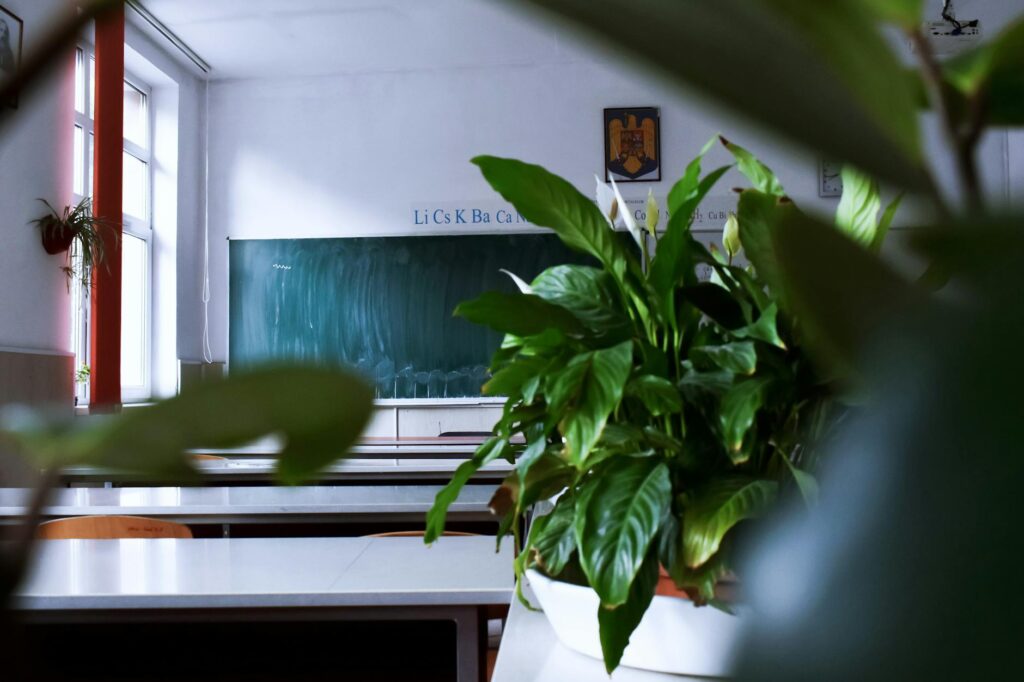
This guide covers everything about classroom chalkboard. As of April 2026, the classroom chalkboard, a symbol of traditional education for generations, continues to hold its ground. Despite the proliferation of digital whiteboards and interactive displays, the humble chalkboard offers unique pedagogical advantages that remain relevant. Its tactile nature, visual clarity, and low-tech reliability make it a cherished tool for many educators.
Last updated: May 1, 2026
- Chalkboards provide a tactile writing experience that can enhance memory retention for, some students.
- Modern classrooms still use chalkboards for their simplicity, low cost, and durability compared to some digital alternatives.
- Proper installation and maintenance are crucial for maximizing a chalkboard’s lifespan and usability.
- Choosing between a chalkboard and a whiteboard depends on specific classroom needs, budget, and teaching style.
The debate between digital and traditional teaching tools is ongoing, yet the classroom chalkboard offers a distinct set of benefits. Its presence evokes a sense of history and a focused learning environment. In this complete guide, we’ll explore why this enduring fixture is still a powerful asset in today’s educational landscape.
Why Chalkboards Persist: Pedagogical Advantages
The tactile sensation of writing with chalk on a slate surface engages motor skills and can aid in memory consolidation for certain learners. This kinesthetic feedback is something many digital tools struggle to replicate effectively. The visual contrast of chalk on a dark surface is also highly visible from various angles in a classroom setting.
For instance, a study by the University of Pennsylvania’s Graduate School of Education noted that multi-sensory learning approaches, which include kinesthetic elements, can improve information recall by up to 20% for students with specific learning styles. The simple act of writing out equations or definitions by hand on a chalkboard taps into this principle.
Types of Classroom Chalkboards and Materials
Classroom chalkboards are not monolithic. They primarily differ in their surface material, each offering distinct writing qualities and durability. Understanding these differences is key to selecting the best fit for a given educational space.
The most common types include:
- Slate: Traditional, durable, and offers a smooth writing surface. Genuine slate is quarried and cut into thin sheets. It’s known for its longevity but can be heavier and more expensive.
- Porcelain Steel: A steel surface coated with a durable porcelain enamel. Classroom chalkboard offers excellent scratch resistance and a smooth writing experience, often considered superior to older composite materials. It’s magnetic, which adds versatility.
- Melamine: A more budget-friendly option, often found in older or less resourced schools. Melamine surfaces can scratch and wear down over time, leading to ghosting (faint residue from chalk).
- Painted or Coated Surfaces: This includes chalkboard paint applied to walls or boards. While versatile for custom sizes, the quality can vary significantly based on the paint and application.
Unique Insight: While most modern chalkboards use white or light grey chalk, historic uses sometimes involved coloured chalks for emphasis, a practice that could be revived for specific art or history lessons.
Brands like Claridge Products offer high-quality porcelain steel chalkboards, while companies like Quartet provide a range of melamine and porcelain options suitable for various budgets and classroom needs.
Installation and Mounting Considerations
Proper installation is critical for the safety and functionality of any classroom chalkboard. A poorly mounted board can be a hazard, and incorrect placement can limit its effectiveness. The weight of the chalkboard, especially larger slate models, requires secure mounting into wall studs or using appropriate heavy-duty anchors.
Most commercial chalkboards come with mounting brackets. The ideal height is generally set so the centre of the board is at eye level for the average adult, typically around 58–60 inches from the floor. However, consider accessibility for students of varying heights and mobility.
External Authority: According to the Occupational Safety and Health Administration (OSHA) guidelines (2023), all wall-mounted fixtures must be securely fastened to prevent accidental detachment, a principle that absolutely applies to heavy classroom chalkboards.
Chalkboard vs. Whiteboard: Making the Right Choice for 2026
The decision between a classroom chalkboard and a whiteboard is a significant one, influenced by budget, teaching style, and desired functionality. As of April 2026, both have their champions.
Chalkboards offer:
- Lower initial cost for basic models.
- Durability and resistance to permanent damage (though they can scratch).
- Tactile writing experience.
- Less glare than some whiteboards.
Whiteboards offer:
- Cleaner writing experience with less dust.
- Compatibility with markers in various colours.
- Integration with projectors or as digital display surfaces (interactive whiteboards).
- Easier cleaning of ghosting with proper care.
Unique Insight: Some schools are adopting hybrid approaches, utilising both chalkboards for core instruction and whiteboards for collaborative group work or digital integration, maximizing the benefits of each.
Example Scenario: A kindergarten classroom might benefit from a durable, easy-to-clean whiteboard for colorful activities, while a secondary school physics class might prefer the tactile feedback and clear lines of a chalkboard for complex equations.
Maintenance and Cleaning Tips for Longevity
Proper care ensures a classroom chalkboard remains a functional and attractive teaching surface for years. The primary concerns are chalk dust and surface wear.
Daily Cleaning:
- Use a soft, clean chalkboard eraser. Erase in a consistent direction.
- For a deeper clean, use a damp cloth or sponge with plain water or a mild, specialised chalkboard cleaner. Avoid abrasive cleaners or excessive water, which can damage the surface.
- Ensure the board is completely dry before writing on it again.
Dealing with Ghosting or Stains:
- For stubborn marks, a solution of equal parts rubbing alcohol and water can be effective, but test in an inconspicuous area first.
- Some recommend using a piece of chalk to cover the entire board, then erasing; this can sometimes lift old marks.
Dust Control:
- Use dustless chalk whenever possible. These chalks are denser and produce significantly less airborne dust.
- Consider using a chalkboard cleaning spray designed to trap dust as it cleans.
The Role of Chalk and Chalk Alternatives
The quality of the chalk used directly impacts the writing experience and the cleanliness of the board. Standard chalk is made from calcium sulfate or calcium carbonate. However, it can be dusty and brittle.
Dustless Chalk: This is a highly recommended alternative for classroom environments. Dustless chalk is denser and formulated to minimise dust particles. Brands like U.S. Ghostwriting Chalk or Crayola offer dustless options that provide a smoother writing experience and reduce respiratory irritants.
Coloured Chalk: While traditional white chalk offers the best contrast, coloured chalks can be used for emphasis, diagrams, or art projects. Ensure coloured chalks are also formulated for minimal dust.
Other Writing Tools: Some modern chalkboards, especially porcelain steel, can also be used with dry-erase markers. However, this capability should be verified with the manufacturer, as using markers on incompatible surfaces can cause permanent damage.
Unique Insight: For art classes or creative projects, consider using specialised chalk pastels or even liquid chalk markers designed for chalkboard surfaces. These offer vibrant colours and different application techniques not possible with standard chalk.
Integrating Chalkboards into Modern Classroom Design
Even in high-tech classrooms of 2026, chalkboards can serve an aesthetic and functional purpose. Their classic appearance can add warmth and character to a learning space. Beyond simple instruction, they can be used creatively.
Ideas for integration:
- Feature Walls: A large chalkboard painted wall can transform a section of a classroom into a dynamic creative zone or a communal message board.
- Interactive Displays: Use chalkboards for student-led presentations, brainstorming sessions, or as a backdrop for educational games.
- Artistic Expression: Teachers or students can create decorative borders, inspirational quotes, or elaborate diagrams on chalkboards to enhance the visual appeal of the classroom.
- Visual Timers and Schedules: A small chalkboard can be a convenient place to jot down daily schedules or countdowns, offering a simple yet effective visual aid.
Many Pinterest boards and educational blogs showcase innovative uses of chalkboards, from creating ‘calm-down corners’ with calming chalk art to using them as large-scale visual planners for project-based learning.
Expert Tip: Consider framing a chalkboard section with decorative trim or integrating it into built-in cabinetry to make it a more intentional design element rather than just a utilitarian fixture.
Common Mistakes to Avoid with Classroom Chalkboards
Despite their simplicity, common errors can diminish the effectiveness and lifespan of a classroom chalkboard. Being aware of these pitfalls can save time, money, and frustration.
Mistake 1: Using the Wrong Cleaning Supplies. Abrasive cleaners, harsh chemicals, or excessive water can permanently damage the writing surface, leading to ghosting or a rough texture. Solution: Always use mild cleaners, plain water, or specialised chalkboard cleaning solutions, and ensure the board dries completely.
Mistake 2: Over-reliance on Heavy Erasers. Standard chalk erasers can create a lot of airborne dust. Solution: Switch to dustless chalk and consider microfiber cloths or specialised chalkboard sponges for a cleaner wipe-down.
Mistake 3: Improper Installation. Failing to mount a heavy chalkboard securely into wall studs can lead to it falling, causing damage or injury. Solution: Use appropriate hardware for the wall type and always mount into studs for heavier boards. When in doubt, hire a professional.
Mistake 4: Ignoring Surface Wear. Continuously writing on a worn or damaged section of the chalkboard can make it difficult to erase cleanly, leading to persistent ghosting. Solution: Rotate writing areas on the board and address minor surface issues promptly with appropriate cleaning techniques.
When is a Chalkboard the Superior Choice?
While whiteboards and digital displays have their merits, certain educational contexts still make the classroom chalkboard the superior tool. Understanding these specific scenarios helps educators make informed decisions.
1. Tactile Learning Emphasis: For subjects or students who benefit greatly from kinesthetic learning, the physical act of writing with chalk on a textured surface can be more engaging and memorable than writing on a smooth whiteboard or typing on a keyboard. This is particularly relevant in early elementary education or for students with certain learning differences.
2. Budget Constraints: In schools or districts facing budget cuts, as reported in California where schools are facing significant budget challenges (MSN, April 2026), the lower cost of basic chalkboards and chalk compared to interactive whiteboards or even quality dry-erase systems makes them a practical necessity.
3. Durability and Reliability: A well-maintained porcelain steel or slate chalkboard is incredibly durable and resistant to damage from sharp objects or accidental impacts, unlike many whiteboard surfaces which can scratch or chip. They also require no electricity, making them reliable even during power outages.
4. Minimal Glare and Projection Compatibility: Certain matte chalkboard surfaces can offer better visibility from wide angles and with less glare than some glossy whiteboards, especially in brightly lit rooms. Also, some chalkboards can still serve as projection screens, though the image quality may be less optimal than a dedicated screen.
5. Aesthetic and Nostalgic Value: In classrooms aiming for a specific aesthetic, such as a vintage or rustic theme, a chalkboard contributes significantly to the ambiance. It can also evoke a sense of tradition and continuity, connecting students to the history of education.
A historical reenactment classroom or a special education setting designed for sensory engagement might find a chalkboard’s unique properties more beneficial than a digital display.
Frequently Asked Questions
Are chalkboards still relevant in schools today?
Yes, as of 2026, chalkboards remain relevant. They offer tactile learning benefits, cost-effectiveness, and durability that digital tools can’t always match, making them a valuable component in many modern educational settings.
What is the best type of chalkboard for a classroom?
Porcelain steel chalkboards are often considered the best all-around choice for classrooms due to their durability, smooth writing surface, and magnetic properties. Genuine slate is also excellent but typically more expensive and heavier.
How do I clean a classroom chalkboard effectively?
Use a soft eraser for daily cleaning. For deeper cleaning, a damp cloth with water or a mild chalkboard cleaner is recommended. Avoid abrasive materials. Ensure the board is dry before writing.
Is chalk dust bad for you?
Traditional chalk dust can be an irritant for some individuals, potentially triggering allergies or respiratory issues. Using dustless chalk formulations significantly reduces airborne particles, mitigating these concerns in the classroom.
Can I write on a chalkboard with a dry-erase marker?
Generally, no. While some porcelain steel chalkboards can accommodate dry-erase markers, using them on a traditional slate or melamine chalkboard will likely cause permanent damage and ghosting.
What are the advantages of tactile learning with chalkboards?
The physical act of writing with chalk engages motor skills and provides sensory input that can improve memory retention and comprehension for some students, especially those who benefit from kinesthetic learning methods.
Conclusion
The classroom chalkboard, far from being obsolete, continues to be a strong and valuable tool in education as of 2026. Its tactile nature, visual clarity, and cost-effectiveness offer distinct advantages that complement, rather than compete with, modern technology. By understanding the different types, proper installation, maintenance, and integration strategies, educators can harness the enduring power of the chalkboard to create engaging and effective learning environments.
Actionable Takeaway: Evaluate your classroom’s specific needs and teaching style to determine if incorporating or continuing the use of a classroom chalkboard would enhance your students’ learning experience.
Source: edX
Editorial Note: This article was researched and written by the Class Room Centre editorial team. We fact-check our content and update it regularly. For questions or corrections, contact us. Knowing how to address classroom chalkboard early makes the rest of your plan easier to keep on track.