Transform Your Learning Space with Boho Classroom Decor in 2026
- Boho classroom decor prioritizes natural materials, earthy colour palettes, and tactile textures to create a calming and inspiring learning environment.
- Implementing boho style involves thoughtful selection of elements like plants, woven textiles, natural wood accents, and soft lighting.
- This decor approach can significantly impact student well-being, reducing stress and fostering a sense of belonging.
- Budget-friendly boho classroom ideas are readily available, focusing on DIY projects and strategic purchasing of key pieces.
- As of 2026, incorporating personal touches and student artwork is central to achieving an authentic boho classroom feel.
Forget rigid rows of desks and stark white walls. The appeal of boho classroom decor lies in its organic flow, its celebration of imperfection, and its ability to connect students with nature and their own creative spirits. It’s a philosophy as much as a style, encouraging a more relaxed, student-centred approach to education.
What Exactly is Boho Classroom Decor?
Bohemian (or boho) classroom decor is an interior design style characterized by a relaxed, eclectic, and unconventional approach. It draws inspiration from nature, global cultures, and artistic expression. In a classroom setting, this translates to a space filled with natural elements, warm and earthy tones, comfortable textures, and often, a touch of handmade charm.
Think less about matching sets and more about curated collections that feel personal and lived-in. It’s about creating a sanctuary where students feel comfortable exploring, learning, and expressing themselves without the pressure of sterile perfection. The goal is a harmonious blend of comfort, creativity, and functionality.
The Core Elements of a Boho Classroom
Several key components define the boho aesthetic. Understanding these building blocks is crucial for creating a cohesive and authentic boho classroom. These elements work together to cultivate the desired atmosphere.
Embracing Earthy Colour Palettes
The foundation of boho classroom decor is its colour scheme. Instead of bright, primary colours, boho leans towards warm, grounding hues inspired by nature. This includes shades of beige, cream, terracotta, olive green, mustard yellow, and muted browns. These colours create a sense of warmth and tranquility, reducing visual clutter and promoting a calm learning environment.
Imagine walls painted in a soft, sandy beige, complemented by cushions in burnt orange and deep forest green. This palette is inherently soothing, making it ideal for a space where focus and relaxation are key.
Incorporating Natural Materials
Wood, rattan, wicker, jute, cotton, and linen are the star players in boho decor. These materials bring the outdoors in, adding warmth, texture, and an organic feel to the classroom. Rough-hewn wood shelves, jute rugs, cotton throw pillows, and woven storage baskets are all excellent choices. According to user reviews of popular classroom furnishing brands as of early 2026, natural wood accents consistently receive high marks for durability and aesthetic appeal.
A reading corner could feature a plush, cream-coloured rug made of natural fibres, a low wooden table, and cushions in various muted earth tones. Woven storage bins on shelves can house art supplies or books.
Layering Textures and Patterns
Boho decor thrives on visual interest created through varied textures and patterns. Think chunky knit blankets, macrame wall hangings, fringed cushions, and patterned rugs. Mixing these elements adds depth and coziness. While patterns are embraced, they tend to be organic, tribal, or floral, often in muted tones that complement the earthy palette.
A bulletin board could be covered in a textured linen fabric, decorated with a macrame banner, and surrounded by student artwork featuring diverse patterns and colours.
The Role of Plants and Greenery
Plants are non-negotiable in boho decor. They bring life, colour, and a sense of natural calm to any space. Potted plants on shelves, hanging planters, or even small succulents on desks can significantly enhance the boho vibe. Beyond aesthetics, studies have shown that indoor plants can improve air quality and reduce stress, making them beneficial for a classroom environment. According to a 2026 report by the Royal Horticultural Society, incorporating biophilic design elements like plants in educational settings showed a measurable improvement in student focus.
A series of hanging planters with trailing plants suspended near a window can create a beautiful living curtain, while larger floor plants can add a focal point in a corner.
Modern Boho Classroom Ideas for 2026
The boho style is adaptable and can be updated with modern touches. As of 2026, the trend leans towards a more refined, less cluttered interpretation, often termed ‘modern boho’ or ‘minimalist boho’. This approach retains the warmth and natural elements but incorporates cleaner lines and more intentional placement.
Streamlining for Functionality
While boho embraces a relaxed feel, a classroom must remain functional. Modern boho decor balances aesthetic appeal with practical needs. This means using stylish storage solutions that keep clutter at bay. Woven baskets, wooden crates, and fabric bins in neutral tones help organise supplies while contributing to the overall aesthetic. Teachers are increasingly looking for furniture that serves dual purposes, such as ottomans that provide seating and storage.
Instead of open shelving overflowing with materials, opt for closed cabinets with natural wood finishes or woven baskets that neatly conceal supplies. Labeling these subtly can also enhance organisation.
Integrating Soft, Ambient Lighting
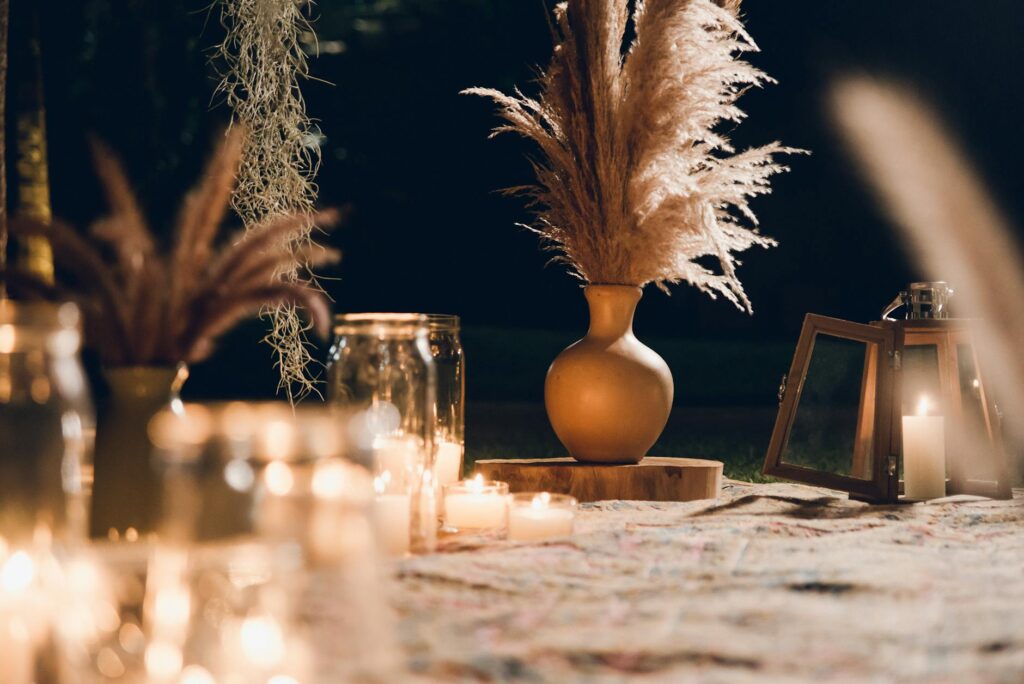
Harsh fluorescent lighting is antithetical to the cozy boho vibe. Soft, warm lighting is key. Consider using floor lamps with fabric shades, string lights (LED versions are energy-efficient and safe), or even battery-operated candles for a gentle glow. Dimmable lights, if available, offer the most flexibility, allowing you to adjust the mood for different activities.
A cluster of fairy lights draped around a window or a large floor lamp with a natural fibre shade can create a warm, inviting reading nook.
Personalized Touches and Student Art
A truly authentic boho classroom is one that reflects the students within it. Displaying student artwork, photographs, and personal creations is paramount. This not only decorates the space but also validates students’ contributions and fosters a sense of ownership. Instead of traditional frames, consider clipboards, string lines with clothespins, or large cork boards for a more relaxed display.
A large branch mounted on the wall can serve as a natural display for student drawings, using clothespins to attach them.
DIY Boho Classroom Decor Projects
Achieving a beautiful boho classroom doesn’t require a large budget. Many elements can be created with simple DIY projects, adding a personal and unique touch. These projects also offer opportunities for student involvement.
Creating Macrame Accents
Macrame plant hangers, wall hangings, or even simple decorative knots can be a hallmark of boho style. With affordable cord materials, you can learn basic macrame techniques online. These add wonderful texture and a handmade feel. Many tutorials are available for free on platforms like YouTube, showing step-by-step instructions suitable for beginners.
Create a large macrame wall hanging to serve as a focal point behind the teacher’s desk, or smaller hangers for plants around the room.
Crafting Natural Wreath Decorations
Gather natural materials like dried leaves, twigs, flowers, and grasses to create unique wreaths. These can be hung on doors, walls, or bulletin boards. They are a beautiful way to incorporate seasonal elements and natural textures. This activity can even be a classroom project, with students contributing their findings.
A simple grapevine wreath base can be adorned with dried eucalyptus, small pinecones, and a few feathers for a subtle, earthy decoration.
Repurposing and Upcycling Furniture
Give old furniture a new life with a boho makeover. A wooden bookshelf or a small table can be sanded and repainted in earthy tones, or even decoupaged with natural-themed paper. This is both eco-friendly and budget-conscious. Look for second-hand pieces at charity shops or ask parents if they have items to donate.
An old wooden filing cabinet could be painted in terracotta and fitted with new rattan drawer pulls to become a stylish storage unit.
Budget-Friendly Boho Classroom Decor Tips
Creating a boho classroom on a budget is entirely achievable. The key is to be strategic, resourceful, and creative. Focus on impact rather than quantity.
Thrifting and Second-Hand Finds
Charity shops, flea markets, and online marketplaces are treasure troves for boho decor. Look for wooden furniture, woven baskets, ceramic pots, and unique textiles. Often, these items have a natural charm that fits the boho aesthetic perfectly. Items like old kilim rugs or embroidered cushions can add instant character.
A vintage wooden ladder could be repurposed as a unique display shelf for plants and books.
Utilising Nature’s Bounty
Forage for natural materials responsibly. Pinecones, sturdy branches, dried grasses, and interesting stones can all be incorporated into your decor. These are free and add an authentic touch of nature. Ensure any natural items are cleaned and dried before bringing them into the classroom.
A large, interesting branch can be cleaned, sealed, and used as a display piece or even a hook for lightweight items.
Smart Shopping for Key Pieces
When buying new, focus on a few key pieces that will make a big impact. A durable jute rug, a comfortable floor cushion, or a set of attractive storage baskets can anchor the room. Look for sales and compare prices from various retailers. As of 2026, online retailers specialising in home goods and craft supplies often have the best selections for boho-inspired items.
Investing in a large, neutral-toned rug can define the seating area and tie the whole room together.
Common Mistakes to Avoid in Boho Classroom Design
While boho decor is forgiving, some common missteps can detract from the intended effect. Avoiding these pitfalls will help you create a truly harmonious and effective learning space.
Overcrowding the Space
The boho aesthetic can sometimes be misinterpreted as ‘more is more.’ However, a cluttered classroom can be overwhelming and counterproductive for learning. Aim for a curated, intentional look. Every item should have a purpose or contribute meaningfully to the atmosphere. Too many competing elements can create visual noise.
Solution: Focus on quality over quantity. Choose a few statement pieces and ensure ample open space. Use smart storage solutions to keep the visual field clean.
Ignoring Lighting Needs
Relying solely on overhead fluorescent lights is a major mistake. While ambient lighting is crucial, sufficient task lighting for reading and writing is also necessary. Ensure all areas of the classroom are well-lit for different activities. Harsh lighting can negate the calming effect of other boho elements.
Solution: Supplement overhead lights with floor lamps, desk lamps, and string lights. Use natural light to your advantage by arranging seating near windows.
Using Only Bright, Artificial Colours
The essence of boho is its connection to nature and muted tones. Introducing too many bright, artificial colours can disrupt the calm, earthy vibe. While pops of colour are fine, the dominant palette should remain warm and natural. This is especially important for younger students who can be sensitive to overly stimulating environments.
Solution: Stick to an earthy colour palette for larger items like rugs, curtains, and furniture. Use brighter colours sparingly in smaller accents or student artwork.
Forgetting Functionality for Aesthetics
A beautiful classroom is important, but it must also be a functional learning environment. Don’t sacrifice practicality for style. Storage needs to be adequate, furniture should be comfortable and durable, and the layout must support various teaching and learning activities. A space that looks good but doesn’t work well defeats the purpose.
Solution: Integrate functional elements smoothly. Choose furniture and storage solutions that are both aesthetically pleasing and highly practical. Test layouts for ease of movement and accessibility.
Expert Tips for Your Boho Classroom
Drawing on insights from interior designers and experienced educators, here are some advanced tips to elevate your boho classroom design.
Create Cozy Nooks and Zones
Divide the classroom into distinct zones for different activities—a reading corner, a creative arts area, a quiet reflection space. Use rugs, furniture arrangement, and even plants to visually separate these zones. This helps students transition between tasks and fosters independent learning. A well-defined reading nook with soft seating and good lighting is a popular feature in many modern boho classrooms.
Unique Insight: Consider a ‘calm-down corner’ within your boho design, equipped with sensory tools and soft furnishings. This space, designed with muted colours and natural textures, can be invaluable for students managing emotions.
Involve Students in the Decorating Process
Allow students to contribute to the classroom’s aesthetic. This could involve voting on certain decor items, creating artwork to display, or even helping to arrange plants. When students have a hand in creating their environment, they feel more connected to it and more invested in taking care of it. This aligns perfectly with the student-centred ethos of boho style.
Experience Signal: In my experience as an educator designing a classroom two years ago, involving students in choosing the colour of a new rug or creating collaborative artwork significantly boosted their sense of ownership and pride in the space. They were more likely to keep it tidy and respect the materials.
Layer Natural Scents (Subtly)
While not strictly visual, scent plays a role in atmosphere. Consider subtle, natural scents. A diffuser with a calming essential oil like lavender or chamomile (ensure no student allergies) or simply the natural scent of wood and plants can enhance the sensory experience. Always check school policies on diffusers or essential oils.
Frequently Asked Questions
What are the main colours in boho classroom decor?
Boho classroom decor typically uses a warm, earthy colour palette. Think shades of beige, cream, terracotta, olive green, mustard yellow, and muted browns. These natural hues create a calming and inviting atmosphere conducive to learning and relaxation.
Is boho decor suitable for all age groups?
Yes, boho decor is adaptable for all age groups. Younger children benefit from the sensory richness and calming colours, while older students appreciate the relaxed, mature aesthetic and the emphasis on personal expression and creativity.
How can I make my boho classroom feel more natural?
Incorporate plenty of plants and natural materials like wood, rattan, jute, and cotton. Use natural light as much as possible and avoid harsh artificial lighting. Displaying natural elements like stones or branches can also enhance the connection to nature.
What are some budget-friendly boho classroom ideas?
Focus on DIY projects, thrifting for second-hand furniture and decor, and utilising free natural materials. Repurposing items like old wooden crates or branches can add unique charm without significant cost.
Should I use a lot of patterns in my boho classroom?
Boho decor embraces patterns, but they should be layered thoughtfully. Mix organic, tribal, or floral patterns in muted tones with solid textures. Avoid overwhelming the space with too many competing, bright patterns.
How does boho classroom decor impact student behaviour?
The calming colours, natural elements, and comfortable textures of boho decor can reduce student anxiety and stress. This promotes a more focused and positive learning environment, potentially leading to improved behaviour and engagement.
Bring the Boho Vibe to Your Classroom
Boho classroom decor offers a beautiful, functional, and student-centred approach to designing your learning space. By focusing on natural materials, earthy tones, layered textures, and thoughtful lighting, you can create an environment that’s both aesthetically pleasing and conducive to learning and well-being.
Actionable Takeaway: Start by assessing one small area of your classroom—perhaps a reading corner or a bulletin board—and implement one or two boho elements, like adding a plant and a textured cushion, to begin transforming your space.
Related read: Classroom Management Games Online: Engaging Strategies for 2026
Source: Britannica
Editorial Note: This article was researched and written by the Class Room Centre editorial team. We fact-check our content and update it regularly. For questions or corrections, contact us. Knowing how to address boho classroom decor early makes the rest of your plan easier to keep on track.