
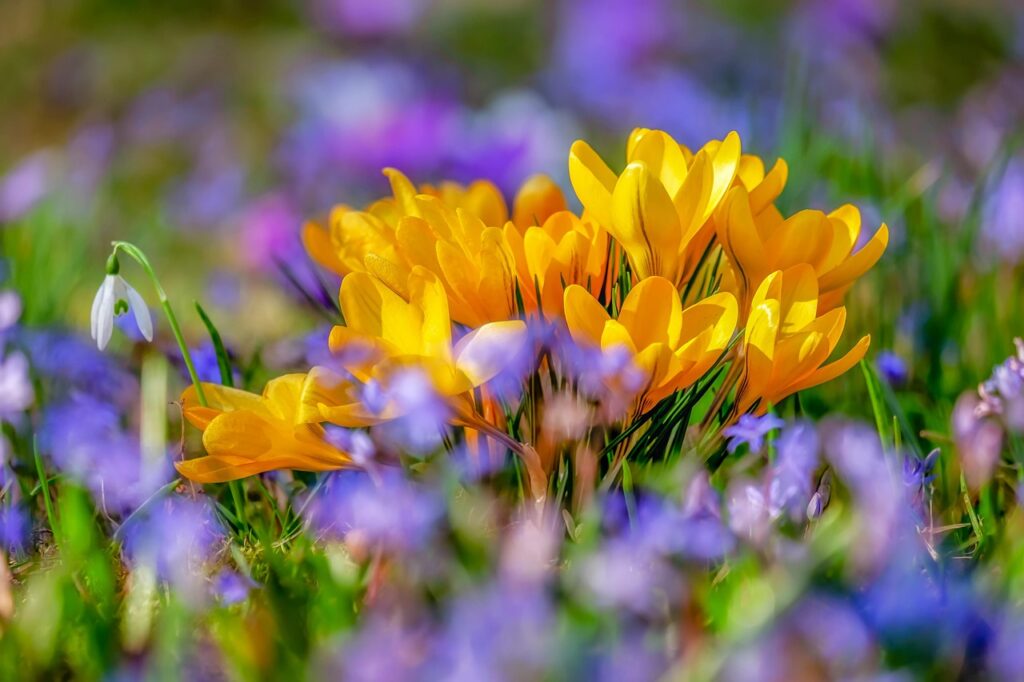
This guide covers everything about EYFS outdoor learning activity ideas spring. EYFS Outdoor Learning Spring: 27 Reception Class Activities 2026
This guide covers everything about EYFS outdoor learning activity ideas for spring. Spring presents a remarkable opportunity for enriching learning experiences within early years settings. As the natural world reawakens, it offers a vibrant and dynamic environment that traditional indoor classrooms can’t fully replicate. The importance of outdoor play for child development is widely recognized, with organizations like Unicef highlighting its critical role. Supporting these experiences is paramount for both educators and parents.
Last updated: April 26, 2026
With extensive experience in reception classes, it’s evident that spring outdoor learning effectively harnesses children’s natural curiosity. When the environment visibly transforms with new life, children are inherently drawn to exploration and discovery. The following activities have been implemented and refined, demonstrating significant positive outcomes for children in the Early Years Foundation Stage (EYFS).
Latest Update (April 2026)
Recent guidance from prominent organizations such as the Early Years Alliance continues to underscore the profound benefits of play-based learning, with outdoor environments offering particularly rich sensory and developmental opportunities. As of April 2026, the emphasis remains on integrating these stimulating outdoor experiences as a core component of the EYFS framework. Experts advocate that outdoor learning should not be an optional add-on but an integral part of early years education, a sentiment echoed in ongoing discussions about effective early years programmes. As Tes reported on March 16, 2026, ‘Outdoor learning ideas for primary’ are a key focus for educators looking to enhance engagement and learning outcomes across the curriculum. The Department for Education‘s updated frameworks for 2026 continue to promote complete development, with outdoor learning recognized as a key strategy for achieving this, particularly in areas like physical development and emotional well-being.
Nature Exploration Activities That Build Scientific Thinking
Spring provides unparalleled opportunities for genuine scientific observation and inquiry. Children naturally adopt the role of budding scientists when provided with appropriate prompts and tools. Research consistently indicates that children who engage in regular outdoor learning exhibit enhanced scientific understanding and critical thinking skills compared to their peers who remain primarily indoors. As the National Literacy Trust noted in a report from March 7, 2022, outdoor learning significantly benefits the development of analytical skills, which are foundational for scientific exploration. Current research from 2026 continues to support these findings, with studies suggesting a strong correlation between time spent in nature and improved cognitive functions in young children.
The Growth Timeline Project
This project is a highly effective spring activity. Each child is allocated a small patch of ground, approximately one square meter, which they visit daily to meticulously document observed changes. Providing clipboards, magnifying glasses, and measuring tapes encourages detailed observation and recording. Consistency in timing, location, and routine is essential for the success of this long-term observation process, allowing children to witness and record subtle shifts over time. As of April 2026, educators are encouraged to integrate digital tools, such as simple cameras or tablets, to capture time-lapse sequences of plant growth, adding a modern dimension to this classic activity.
Weather Pattern Detectives
This activity transforms routine weather checks into an engaging investigative task. Children are encouraged to predict, observe, and record daily weather phenomena using simple, self-created symbols. Over a period of weeks, distinct patterns emerge, facilitating rich discussions and collaborative analysis. This process directly supports the development of data collection and interpretation skills, crucial for scientific literacy. As of April 2026, incorporating weather apps on child-friendly devices can supplement traditional observation, allowing children to compare their findings with real-time meteorological data.
Mini Beast Surveys
Mini Beast Surveys provide a practical and engaging way to teach data collection through creature counting and identification. Designated areas within the outdoor space are clearly marked using rope or natural boundaries. Children then count different species found within these zones, creating simple bar charts using natural materials like twigs for bars and pebbles for data points. Introducing an element of friendly competition can significantly boost engagement—for instance, exploring which marked area hosts the most woodlice and encouraging children to hypothesize potential reasons for the distribution. Reports from early years settings in early 2026 indicate that using digital apps for identification and recording, alongside traditional methods, enhances children’s engagement and accuracy.
Spring Bloom Identification
As spring unfolds, the variety of flowers and plants emerging offers a fantastic opportunity for identification. Children can be provided with simple, picture-based identification guides or apps. They can collect fallen petals or leaves (where permitted and safe) to press and later identify. This activity not only builds botanical knowledge but also enhances observational skills and introduces early concepts of classification and biodiversity. Documenting the blooming timeline of different species can also be linked to the Growth Timeline Project. Resources from the Royal Horticultural Society, updated in early 2026, offer excellent printable guides suitable for early years learners.
Bird Watching and Nesting Observations
Spring is a prime season for observing bird activity, including nest building and feeding behaviours. Providing binoculars and quiet observation spots encourages children to watch birds without disturbing them. Recording observations in a nature journal, noting different bird species, their songs, and behaviours, fosters an appreciation for local wildlife and develops descriptive language skills. Discussion can revolve around the different materials birds use for nests and the challenges they face. As of April 2026, citizen science projects focused on bird populations, such as those coordinated by the RSPB, offer opportunities for older reception children to contribute data, fostering a sense of purpose and connection to conservation efforts.
Outdoor Literacy Adventures That Stick
Taking literacy activities outdoors amplifies engagement by connecting learning with physical movement, sensory experiences, and real-world discovery. The most effective activities smoothly blend physical activity with language and literacy development. As reported by the National Literacy Trust, children often retain vocabulary learned outdoors more effectively due to the multi-sensory nature of the experience. The introduction of new words in context, linked to tangible objects and actions, significantly improves recall and comprehension. Educators in 2026 are increasingly utilizing outdoor spaces to create immersive literacy environments.
Nature Storytelling Trails
Develop a ‘storytelling trail’ where each station along a path has a prompt related to a nature theme. This could involve finding a specific leaf and continuing a story about a magical forest, or discovering a feather and creating a narrative about a bird’s journey. Children can contribute words, phrases, or even draw pictures at each station. This encourages collaborative storytelling and imaginative thinking. As of April 2026, incorporating QR codes at each station that link to audio prompts or visual aids can add another layer of engagement for tech-savvy children.
Sound Mapping Walks
During a walk, ask children to close their eyes for a minute and listen intently to all the sounds they can hear. Afterwards, they can draw or write about the sounds they identified, perhaps using different colours or symbols for different types of sounds (e.g., birdsong, traffic, wind). This activity sharpens listening skills and builds vocabulary related to auditory experiences. Comparing sound maps from different locations or at different times of the day can lead to fascinating discussions. Reports from early years professionals in early 2026 highlight the effectiveness of sound mapping for developing phonological awareness, a key precursor to reading.
Outdoor Alphabet Hunts
Hide large letter cards or natural objects beginning with specific letters around the outdoor space. Children hunt for the letters, identifying the letter sound and trying to find an object that starts with that sound. This gamified approach makes letter recognition and phonics practice exciting. For example, finding ‘B’ and then searching for a ‘branch’ or ‘bug’. As of April 2026, incorporating magnetic letters or chalk for writing letters on surfaces adds a tactile element.
Mark-Making in Nature
Provide a variety of natural materials that children can use for mark-making. This includes using sticks to draw in mud or sand, chalk on outdoor surfaces, or even using water and brushes on paving stones. This encourages experimentation with different tools and textures, developing fine motor skills and pre-writing abilities. The focus is on the process of making marks, not necessarily on forming specific letters or numbers. Educators in 2026 are finding success using natural pigments, such as berry juice or charcoal, to create inks for a more sensory experience.
Creating Nature Poetry
Encourage children to collect interesting natural items – leaves, stones, petals, twigs. Back in the classroom or a quiet outdoor spot, use these items as inspiration for poetry. Children can describe the textures, colours, shapes, and even smells of the objects. This activity fosters descriptive language, creativity, and an appreciation for the details in nature. Sharing poems aloud helps build confidence and communication skills. As of April 2026, using prompts like ‘If this leaf could talk…’ can spark imaginative narratives.
Creative Arts & Craft Activities Outdoors
The outdoor environment itself becomes a canvas and a source of inspiration for a multitude of creative arts and crafts. Engaging with natural materials directly fosters creativity and problem-solving skills, while also connecting children to their environment. The tactile nature of working with mud, leaves, and twigs enhances sensory development.
Mud Kitchen Creations
A dedicated mud kitchen area provides endless opportunities for messy, creative play. Children can mix mud, water, leaves, and petals to create ‘soups’, ‘cakes’, and other concoctions. Providing old utensils, pots, and pans enhances the role-play aspect. This activity is excellent for developing fine motor skills, understanding of basic measurement (e.g., ‘more water’, ‘less mud’), and imaginative play. As of April 2026, incorporating natural food colourings (like beetroot or spinach juice) can add an extra dimension to mud kitchen creations.
Nature Mandalas and Collages
Using found natural objects like leaves, flowers, stones, and twigs, children can create beautiful symmetrical patterns (mandalas) or pictures (collages) on the ground or on large paper. This activity promotes an understanding of pattern, symmetry, and colour. It also encourages careful observation and selection of materials. Discussing the patterns and the sources of the materials deepens the learning. Reports from early years settings in 2026 indicate that creating temporary nature art fosters an appreciation for impermanence and the cyclical nature of the environment.
Leaf and Flower Pressing
Collect a variety of leaves and flowers during outdoor explorations. Press them between sheets of newspaper inside heavy books. After a few weeks, the pressed items can be used for art projects, such as creating collages, decorating cards, or illustrating nature journals. This activity teaches patience and introduces the concept of preserving natural items. As of April 2026, mounting pressed flowers onto cardstock with clear contact paper creates durable, attractive bookmarks or gift tags.
Outdoor Sculptures
Using natural materials like sticks, stones, mud, and leaves, children can build temporary sculptures. This could be anything from a ‘bug hotel’ made of hollow sticks and stones to a fairy house constructed from twigs and moss. This encourages spatial reasoning, problem-solving, and collaborative building. Discussion can focus on how to make structures stable and how to use different materials effectively. Experts in 2026 emphasize the value of open-ended construction play for developing engineering and design thinking.
Painting with Natural Pigments
Explore creating paints from natural materials. Berries can be mashed to create red or purple paints, turmeric for yellow, and spinach for green. These can be mixed with a binder like flour and water paste. Children can then use these natural paints on large paper or cardboard outdoors. This activity connects art with science, exploring colour mixing and the properties of natural materials. As of April 2026, investigating local clays can provide materials for earthy-toned paints.
Physical Development and Well-being Outdoors
Outdoor environments are ideal for promoting gross motor skills, coordination, balance, and overall physical well-being. The freedom to move, run, jump, and climb in a natural setting is essential for healthy physical development. As highlighted by Unicef, physical activity in early years is linked to long-term health benefits and improved concentration.
Obstacle Courses with Natural Materials
Create simple obstacle courses using logs to balance on, tyres to climb through, branches to weave around, and mounds of earth to run up and down. This encourages children to move in varied ways, developing balance, coordination, and strength. Adapt the difficulty based on the children’s abilities. As of April 2026, incorporating elements like balance beams made from fallen logs or stepping stones arranged in a challenging pattern enhances the physical challenge.
Nature Treasure Hunts
Organize treasure hunts where children need to find specific natural items – a smooth stone, a feather with a certain pattern, a leaf of a particular shape. This encourages observation, physical activity, and problem-solving. The ‘treasure’ can be collected and used in other activities. Reports from early years professionals in 2026 suggest that well-planned treasure hunts significantly boost children’s motivation and engagement in outdoor exploration.
Gardening and Planting
Involve children in planting seeds, bulbs, or small plants in pots or a designated garden patch. They can learn about the life cycle of plants, the importance of sunlight and water, and the responsibility of caring for living things. This activity promotes fine motor skills (digging, watering), patience, and an understanding of where food comes from. As of April 2026, focusing on growing edible plants, such as herbs or fast-growing vegetables like radishes, provides tangible rewards and links to healthy eating.
Den Building
Provide opportunities for children to build dens using large branches, tarpaulins, leaves, and other natural materials. This collaborative activity encourages teamwork, problem-solving, spatial awareness, and imaginative play. Den building allows children to create their own spaces and fosters a sense of ownership and accomplishment. Experts in 2026 note that unstructured building play is vital for developing resilience and creative thinking.
Exploring Textures and Surfaces
Encourage children to explore the different textures and surfaces found outdoors – rough bark, smooth stones, soft moss, prickly holly leaves, squishy mud. This sensory exploration enhances tactile awareness and vocabulary development. Walking barefoot on different safe surfaces (grass, sand, smooth paths) can also be a rich sensory experience. As of April 2026, creating ‘texture trails’ where children have to identify objects by touch alone can be a fun and challenging activity.
Social and Emotional Development Outdoors
Outdoor play provides a natural context for developing social skills, emotional regulation, and independence. The less structured environment often allows children to take more risks, negotiate with peers, and build confidence.
Collaborative Building Projects
Group projects, such as building a large den, creating a mud kitchen together, or constructing a ‘bug hotel’, encourage cooperation, communication, and negotiation. Children learn to share ideas, take turns, and work towards a common goal. As of April 2026, facilitating these projects with clear roles (e.g., ‘chief architect’, ‘material gatherer’) can help children understand teamwork dynamics.
Role-Playing Scenarios
The outdoor environment lends itself to imaginative role-play – being explorers, builders, gardeners, or animals. Providing simple props can spark ideas. This type of play helps children develop social understanding, empathy, and the ability to see things from different perspectives. Reports from early years settings in 2026 highlight the importance of outdoor role-play for developing language and social interaction skills.
Problem-Solving Challenges
Present simple challenges, such as ‘How can we move this large stick?’ or ‘How can we reach that leaf?’, that require children to work together and think creatively. This fosters resilience, critical thinking, and a sense of accomplishment when solutions are found. As of April 2026, encouraging children to devise their own challenges for their peers promotes leadership and peer teaching.
Quiet Reflection Spots
Designate a quiet corner or a special spot in the outdoor area where children can go if they feel overwhelmed or simply need a moment of calm. This could be a small den, a comfortable seat under a tree, or a quiet nook. Teaching children to recognize their emotions and use these spots for self-regulation is vital. As of April 2026, incorporating mindfulness activities, such as guided nature meditations, in these quiet spots can enhance emotional well-being.
Sharing and Turn-Taking Games
Simple games that require sharing equipment or taking turns, such as passing a ball or a ‘talking stick’ during group discussions, help children practice these essential social skills in a natural, low-stakes environment. As of April 2026, adapting traditional playground games to incorporate more turn-taking and sharing elements can reinforce these concepts.
Frequently Asked Questions
What are the main benefits of outdoor learning in spring for EYFS?
In spring 2026, the benefits of outdoor learning for EYFS children are complex. They include enhanced physical development through increased movement opportunities, improved sensory exploration as nature awakens, and boosted scientific curiosity driven by observable changes. Outdoor environments foster social-emotional growth by encouraging collaboration and independence, and they significantly enhance literacy and numeracy skills through context-rich, engaging activities. Research consistently shows that children who regularly engage in outdoor learning demonstrate better concentration, creativity, and overall well-being.
How can I make outdoor learning safe for reception children in spring?
Safety is paramount. As of April 2026, best practices include conducting thorough risk assessments of the outdoor space, identifying potential hazards like slippery surfaces or poisonous plants, and ensuring adequate supervision at all times. Appropriate clothing for variable spring weather is essential. Educators must teach children about potential risks, such as not touching unknown plants or creatures, and establish clear boundaries for play areas. Ensuring access to first-aid facilities and having emergency procedures in place are also critical components of a safe outdoor learning environment.
What specific EYFS areas of learning does spring outdoor learning support?
Spring outdoor learning solidly supports all areas of the EYFS framework. The ‘Understanding the World’ area benefits from nature observation and scientific inquiry. ‘Literacy’ and ‘Communication and Language’ are enhanced through storytelling, sound mapping, and descriptive language. ‘Physical Development’ is naturally promoted through active play.
‘Expressive Arts and Design’ flourish with natural art materials and creative construction. ‘Personal, Social and Emotional Development’ is fostered through collaborative activities and problem-solving. ‘Mathematics’ is integrated through counting, measuring, and pattern-making. In 2026, the focus remains on complete development, making outdoor learning an ideal vehicle for cross-curricular learning.
Are there any specific resources recommended for EYFS outdoor learning in spring 2026?
As of April 2026, numerous resources support EYFS outdoor learning. Organizations like the Early Years Alliance and the National Outdoor Learning Association provide guidance and training. Reputable educational publishers offer activity books and planning resources tailored for outdoor environments. Websites of organizations such as the RSPB (for bird watching) or the Woodland Trust provide free downloadable activity sheets and information. Many early years practitioners also share ideas and resources through professional networks and online forums, continually enriching the available toolkit.
How can I adapt outdoor learning activities for different weather conditions in spring?
Spring weather can be unpredictable. For damp conditions, waterproof clothing and wellington boots are essential, and activities like puddle jumping or exploring worms can be embraced. For windy days, kite-making or observing how wind affects natural elements can be incorporated. Even cold days are manageable with warm layers; activities like tracking animal footprints in frost or collecting natural items for indoor art projects work well. The key is to have appropriate gear and a flexible approach, viewing all weather as an opportunity for learning, as recommended by experts in 2026.
Conclusion
Spring offers an unparalleled natural classroom for reception children. By embracing the outdoors, educators can significantly enhance learning across all EYFS areas, fostering scientific curiosity, literacy skills, physical development, creativity, and crucial social-emotional competencies. The activities outlined provide a solid framework for harnessing the unique opportunities of the season. As of April 2026, the consensus among early years professionals and educational bodies is clear: consistent, well-planned outdoor learning is not just beneficial, but essential for the complete development of young children, preparing them for future academic success and lifelong well-being.
Source: edX
Related Articles
- Gamer Challenger in 2026: A Competitive Play Case Study
- Landslide Lyrics Meaning: A 15-Year Reflection (2026 Update)
- SocialMediaGirls Forum: Online Youth Community Safety 2026
Editorial Note: This article was researched and written by the Class Room Center editorial team. We fact-check our content and update it regularly. For questions or corrections, contact us. Knowing how to address EYFS outdoor learning activity ideas spring early makes the rest of your plan easier to keep on track.


