

The Power of Creative Writing Prompts for Kids
As of May 2026, the world of children’s education continues to evolve, with a strong emphasis on fostering creativity and critical thinking skills. Among the most effective tools for nurturing these abilities are creative writing prompts for kids. These prompts serve as springboards, designed to ignite a child’s imagination, encourage them to explore new ideas, and develop their unique voice. They move beyond simple dictation or rote learning, offering a playful yet profound way for children to engage with language and storytelling.
Last updated: May 16, 2026
The first thing worth saying about writing prompts is their incredible versatility. They can be tailored to any age group, any skill level, and any learning environment, whether that’s a bustling classroom, a quiet home study, or even a car journey. For parents and educators alike, understanding how to use these prompts can unlock a world of literary potential in children.
- Creative writing prompts are essential tools for sparking children’s imagination and storytelling skills.
- Prompts can be adapted for all ages, from early elementary to teenagers.
- Using a variety of prompt types (scenario, ‘what if’, sensory) keeps writing engaging.
- Effective use involves encouraging freedom, providing constructive feedback, and celebrating effort.
- Regular practice with prompts builds confidence and improves narrative construction.
Diverse Prompts for Every Imagination
To keep young writers engaged, variety is key. Different types of prompts stimulate different areas of the creative process, ensuring that children develop a well-rounded approach to storytelling. Exploring these diverse formats can prevent writer’s block and introduce children to new ways of thinking about their narratives.
Scenario-based prompts set a scene and ask the child to continue the story. For example, ” You wake up to find a small, talking dragon perched on your windowsill, holding a map. What does it want?” This immediately provides a character, a mysterious element, and a clear call to action, inviting immediate engagement.

“What if” prompts encourage hypothetical thinking and problem-solving within a narrative. “What if gravity suddenly reversed for one hour?” or “What if animals could talk, but only to you?” These questions challenge children to think logically about consequences and explore imaginative possibilities.
Sensory prompts focus on descriptive writing, urging children to use their senses to bring a scene to life. ” Describe the smell of a thunderstorm approaching,” or “What does the surface of an alien planet feel like under your bare feet?” These prompts are excellent for building descriptive vocabulary and immersive writing.
Character-driven prompts place a specific individual at the center. “Invent a superhero whose only power is making perfect toast.” or ” Write about a lonely robot who dreams of being a chef.” These encourage children to explore motivations, personalities, and backstories.
Igniting Early Storytelling (Ages 5-8)
For younger children, creative writing prompts for kids need to be simple, direct, and often visual or play-based. The goal is to make writing feel like an extension of imaginative play.
Prompts:
- Imagine your favorite toy could come to life for a day. What adventures would you have?
- If you could fly, where would you go first? Describe what you see.
- You find a magic crayon that can draw anything real. What do you draw?
- What would happen if your pet could talk? Write a conversation you might have.
- Describe a secret hideout you would build. What makes it special?
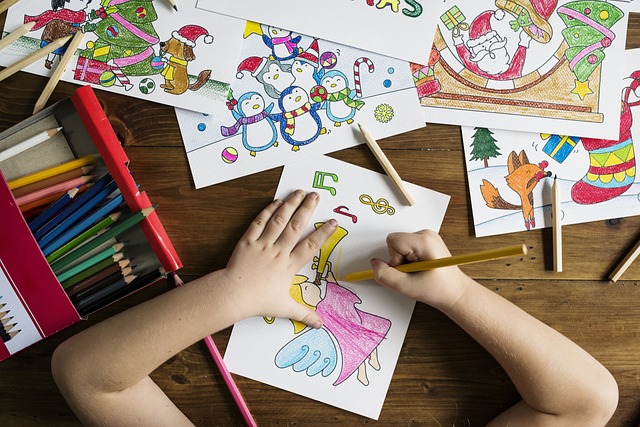
These prompts often lend themselves well to drawing alongside writing, further engaging younger learners. The focus is on fun, exploration, and basic narrative structure – beginning, middle, and end.
Building Complexity: Prompts for Ages 9-12
As children enter middle grades, they can handle more complex ideas, longer narratives, and deeper character exploration. Creative writing prompts for this age group can introduce elements of conflict, theme, and more intricate plot development.
Prompts:
- You discover an old, locked diary in your attic. What secrets does it hold, and who wrote it?
- Write a story about a character who must overcome their greatest fear to save someone they love.
- Imagine you receive a mysterious package with no return address. What’s inside, and what do you do next?
- Create a world where people can swap bodies with animals for a week. Write about the chaos or benefits.
- You find a portal to another dimension in your school locker. Describe your first journey through it.
These prompts encourage children to think about cause and effect, character motivation, and world-building. They can also be used to explore themes like friendship, bravery, and problem-solving. According to the National Council of Teachers of English (NCTE) in 2026, encouraging students to explore complex themes through narrative can significantly enhance their empathy and understanding of diverse perspectives.
Exploring Deeper Themes: Prompts for Teens (13+)
Teenagers can engage with sophisticated concepts, explore abstract ideas, and explore nuanced character studies. Prompts for this age group can tackle social issues, personal identity, and more philosophical questions.
Prompts:
- Write a story from the perspective of an object that has witnessed a significant historical event.
- Explore the consequences of a society where dreams can be recorded and shared.
- Create a dialogue between two characters with opposing viewpoints on a controversial topic, without explicitly stating the topic.
- Imagine you gain the ability to time travel, but can only observe, not interact. What period would you visit, and why?
- Write a story about a character who is struggling to reconcile their personal beliefs with societal expectations.
These prompts challenge teenagers to think critically about the world, develop their own philosophical stances, and craft intricate plotlines. They also provide a safe space to process complex emotions and ideas. The International Literacy Association noted in their 2026 journal that writing about challenging themes can be a vital outlet for adolescent emotional development and self-expression.

Maximising the Impact: Tips for Using Prompts
Simply presenting a prompt isn’t always enough; guiding children in their use can amplify the benefits. The goal is to foster a supportive environment where experimentation is encouraged, and mistakes are seen as learning opportunities.
Practical Tips:
- Read the Prompt Together: Ensure the child understands the prompt. Discuss any unfamiliar words or concepts.
- Encourage Freedom: Emphasize that there’s no single “right” answer. Let their imagination lead the way.
- Focus on Effort, Not Perfection: Praise their ideas, creativity, and willingness to write, rather than just grammatical correctness, especially initially.
- Provide Constructive Feedback: When providing feedback, focus on specific aspects, like a great description or an interesting plot twist. Ask questions like, “What inspired this character’s action?”
- Model Writing: Share your own writing, even short pieces. Showing your own creative process can be inspiring.
- Set Realistic Expectations: Some children will write for hours, others for minutes. Follow their lead and keep it enjoyable.
According to educational psychologist Dr. Anya Sharma’s 2025 research published in the Journal of Child Development, consistent, positive reinforcement for creative efforts is more impactful than focusing solely on the final product. Children who feel their ideas are valued are more likely to persist with writing activities.
Common Pitfalls in Using Writing Prompts
Even with the best intentions, educators and parents can sometimes fall into patterns that inadvertently stifle creativity. Being aware of these common mistakes can help ensure that prompts remain a source of inspiration rather than frustration.
One frequent error is over-structuring the writing process. For example, demanding a specific word count, a rigid plot outline, or multiple revisions for every prompt. This can make writing feel like a chore. Instead, allow flexibility, especially in the early stages.
Another mistake is providing feedback that’s overly critical or focuses too much on errors. While correction is necessary, it should be balanced with praise for creative elements. A child might write a fantastical story with perfect grammar, but if the feedback only addresses a misplaced comma, they may feel their imagination was overlooked. As noted by the Education Endowment Foundation (EEF) in 2026, feedback should be specific, actionable, and encouraging to be effective for developing writing skills.

Finally, assuming all prompts suit all children is an oversight. Some children thrive on fantasy, others on realism; some prefer character-driven stories, others plot-driven ones. It’s beneficial to offer a range of prompt types and allow children to choose those that resonate most with them. This honors their individual interests and enhances engagement.
Expert Advice for Nurturing Young Writers
Beyond the basic application of prompts, experienced educators and child development specialists offer insights into cultivating a genuine love for writing. One key piece of advice is to connect writing to the child’s world and interests. Dinosaurs fascinats if a child, use dinosaur-themed prompts. If they love video games, create prompts inspired by gaming scenarios. This personal connection makes the writing task inherently more meaningful.
Another best practice is to treat writing as a process, not just an outcome. This means valuing brainstorming, drafting, and revising as integral parts of creation. For instance, instead of just handing out a prompt and expecting a finished story, you might dedicate a session to just coming up with ideas for a prompt, or perhaps focus on developing a single compelling character.
And, integrating writing prompts into various subjects can demonstrate their relevance across disciplines. A history lesson could inspire a prompt about what it was like to live during a certain era. A science lesson on ecosystems might lead to a prompt about a newly discovered planet. This cross-curricular approach shows children that writing is a tool for understanding and communicating ideas in all areas of learning. According to the International Society for Technology in Education (ISTE) in 2026, integrating writing across subjects using varied prompts enhances digital literacy and critical thinking.
Frequently Asked Questions
What age are these writing prompts suitable for?
Creative writing prompts for kids can be adapted for virtually any age, from preschool children who can dictate stories to teenagers who can craft complex narratives. The complexity and theme of the prompt should be adjusted to the child’s developmental stage and interests.
How often should children use writing prompts?
Consistency is more important than frequency. Aim for regular engagement, whether it’s daily journaling, a weekly creative writing session, or integrating prompts into homework. The key is to make it a positive and manageable part of their routine.
Can writing prompts help reluctant writers?
Absolutely. Prompts provide a clear starting point, reducing the anxiety of facing a blank page. Offering a variety of prompt types and focusing on idea generation rather than immediate perfection can be particularly effective for reluctant writers.
Should I correct every mistake in a child’s writing?
it’s generally more beneficial to focus on a few key areas for improvement at a time, rather than overwhelming a child with corrections. Prioritize feedback that supports their creative expression and narrative development, and address mechanical errors gradually.
How can I make writing prompts more engaging for my child?
Connect prompts to your child’s interests, use visual aids or objects as inspiration, allow them to choose prompts, and make the writing process fun rather than a chore. Turning it into a game or a collaborative activity can also boost engagement.
What’s the difference between a creative writing prompt and a journal prompt?
Creative writing prompts often encourage storytelling, character development, and imaginative scenarios, focusing on narrative construction. Journal prompts tend to be more introspective, encouraging reflection on personal experiences, emotions, and thoughts, though there can be overlap.
Conclusion: Cultivating the Next Generation of Storytellers
Creative writing prompts for kids are more than just busywork; they are vital tools for nurturing imagination, communication, and critical thinking. By providing varied and engaging prompts, educators and parents can empower children to explore their inner worlds, develop their unique voices, and build essential literacy skills.
The most impactful takeaway is to view writing prompts not as rigid assignments, but as invitations to adventure. Encourage exploration, celebrate every effort, and remember that the joy of storytelling is the ultimate goal. As of 2026, fostering these creative muscles is more crucial than ever for children’s development and future success.
Last reviewed: May 2026. Information current as of publication; pricing and product details may change.
Editorial Note: This article was researched and written by the Class Room Center editorial team. We fact-check our content and update it regularly. For questions or corrections, contact us. Knowing how to address creative writing prompts for kids early makes the rest of your plan easier to keep on track.


