25 Classroom Display Ideas for an Inspiring Classroom in 2026
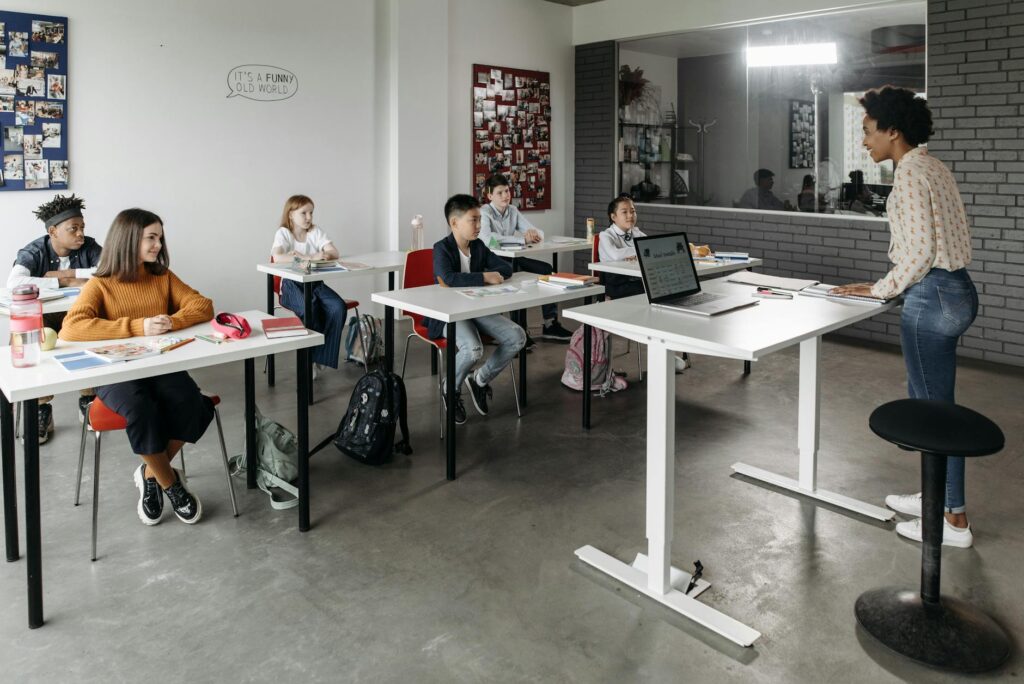
Walk into any primary classroom, and what’s the first thing you notice? Often, it’s the walls. For years, educators have understood that a classroom’s displays aren’t just decoration; they’re dynamic learning tools. They set the tone, celebrate achievements, and reinforce key concepts daily.
Last updated: May 7, 2026
A vibrant, thoughtfully designed display can transform a dull corner into an exciting hub of discovery, making learning stick. If you’re looking to refresh your classroom, you’ve come to the right place. This article shares tried-and-true classroom display ideas that don’t just look good, but actively support teaching and your students’ learning journey. Forget generic posters; we’re talking about displays that breathe life into your curriculum and spark genuine curiosity.
Latest Update (April 2026)
As of April 2026, the focus in educational environments continues to be on creating flexible, engaging spaces that support diverse learning styles. Recent trends highlight the use of interactive elements and student-generated content to build ownership and deeper understanding. As highlighted by ‘We Are Teachers’ in early March 2026, incorporating thematic displays, such as those for Women’s History Month or Black History Month, can boost student engagement and provide valuable learning opportunities outside the standard curriculum. The drive towards creating more inclusive and representative learning environments means displays should reflect the diverse backgrounds and experiences of all students, fostering a sense of belonging. As reported by ‘Bored Teachers’ in August 2025, innovative approaches to classroom management, including the use of displays for brain breaks and positive reinforcement, remain a key focus for educators aiming to maintain student focus and well-being, even within evolving classroom setups that might require more space between students. A recent exhibition of student works at Colégio Dom Bosco (Yuet Wah), as reported by The Macau Post Daily on April 20, 2026, showcases the vibrant and colorful creations possible when classrooms encourage artistic expression, reinforcing the value of visual displays.
Why Classroom Displays Matter More Than You Think
Classroom displays are powerful, silent teachers. They reinforce vocabulary, illustrate concepts, and provide visual aids that students can refer to independently. A visual learner can grasp a science concept much faster from a diagram than from text alone. Reports indicate that visually stimulating and well-organised classroom environments correlate with increased student engagement during independent learning tasks in primary settings. This creates an optimal learning ecosystem.
Beyond academics, displays build a sense of community and belonging. When students see their own work celebrated, their confidence grows, signaling that their efforts are valued. A well-curated environment can also reduce off-task behaviour by making the space more engaging and stimulating. In 2026, the emphasis is on displays that not only look good but also serve a pedagogical purpose, acting as readily accessible anchors for learning that students can interact with and draw knowledge from.
Planning Your Display: From Concept to Creation
Before preparing any materials, consider three key elements: purpose, audience, and placement. What learning objective does the display support? Is it for younger students who need large, colorful visuals, or older students who might benefit from more detailed information and challenge questions? Where in the classroom will it have the most impact? For example, a ‘Writing Journey’ display could be placed near the writing area. It can break down the writing process into clear stages like ‘Planning,’ ‘Drafting,’ ‘Editing,’ and ‘Publishing,’ using student work examples to make it tangible.
Interactive Displays: Getting Students Involved
Interactive displays transform passive viewing into active participation. A popular classroom display idea is the ‘Question of the Day’ board. Each morning, a question related to the current topic can be posted, and students write their answers on sticky notes to add to the display. Discussing these answers builds critical thinking and communication skills. Another effective approach is a ‘Vocabulary Tree.’ As new words are encountered in reading, students write them on leaf shapes, define them, and add them to the tree.
This makes vocabulary acquisition a collaborative and visible process, creating a growing lexicon that students feel ownership over. In 2026, interactive elements are becoming increasingly sophisticated. Consider QR codes that link to short explanatory videos, online quizzes, or even student-created digital presentations related to the display content. This blends physical classroom engagement with digital learning resources.
Celebrating Learning: Showcasing Student Work
Motivating students by displaying their hard work is essential. Dedicate specific areas for ‘Star Work’ or ‘Our Masterpieces.’ Rotate the work regularly—every two to three weeks—to ensure everyone gets a turn throughout the term. This keeps the display fresh and gives every child recognition. A ‘Learning Journey’ display can also be effective.
For a science unit on ‘Life Cycles,’ for instance, educators can photograph students at different project stages—observing, drawing, presenting. These photos, alongside their written work and artwork, create a visual narrative of progress and effort, not just the final product. Parents often appreciate seeing the learning process. As ‘The Guardian’ reported in December 2025 regarding school holiday activities, showcasing children’s creative output and adventures, even in small ways, fosters a sense of accomplishment and encourages further exploration and participation.
Curriculum-Specific Displays
Mathematics Displays
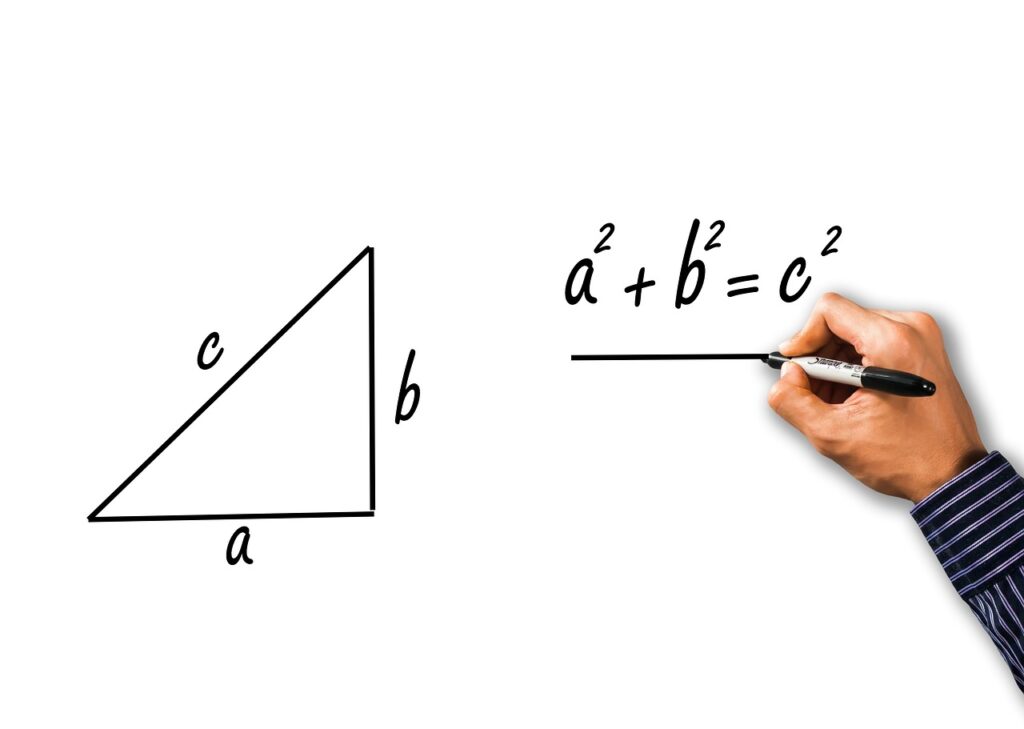
Transform abstract math concepts into tangible visuals. A ‘Number Line’ stretching across a wall can help younger students visualize addition and subtraction. For older students, a ‘Geometry Corner’ featuring 3D models and explanations of theorems can be invaluable. Consider a ‘Problem-Solving Wall’ where students post challenging problems and their solutions, encouraging peer learning. As of April 2026, many educators are incorporating digital tools, so a QR code linking to an interactive math game or a video tutorial on a complex concept can enhance this type of display.
Science Displays
Science classrooms thrive on visual representation. Create a ‘Science Wall’ dedicated to current units. For a ‘Weather’ unit, students can track daily temperatures, wind speed, and precipitation, creating charts and graphs to display. A ‘Biology Corner’ could feature diagrams of cells, ecosystems, or the human body, with labels and explanations. As reported by ‘Science Daily’ in January 2026, interactive models and augmented reality overlays accessible via QR codes are increasingly used to demonstrate complex scientific processes, making them more accessible to a wider range of learners.
Literacy and Language Arts Displays
Foster a love for reading and writing. A ‘Reading Rainbow’ display can showcase books students have read, with brief reviews or star ratings. Create a ‘Word Wall’ with new vocabulary words, definitions, and example sentences. For writing, a ‘Writer’s Workshop’ bulletin board can feature student stories, poems, and essays, categorized by genre or writing skill. In 2026, digital storytelling is also a key focus; consider a display that highlights student-created digital narratives or book trailers. Good Housekeeping reported on April 21, 2026, that teachers are often hoping for practical, inspiring gifts, which can include high-quality art supplies or books that can be used to create engaging classroom displays, underscoring the ongoing importance of these visual aids.
Social Studies and History Displays
Bring history and geography to life. A ‘Timeline of Events’ can visually represent historical periods. A ‘Map Wall’ with student-drawn countries, facts about different cultures, or current events pinned to relevant locations encourages geographical awareness. For history units, create ‘Biography Boards’ highlighting key figures, their contributions, and important dates. In 2026, discussions around representation are paramount; ensure displays include diverse historical figures and perspectives. Thematic displays for heritage months, as highlighted by ‘We Are Teachers,’ are also crucial for fostering inclusivity.
Creative Display Themes for Any Classroom
The ‘Growth Mindset’ Garden
Use a garden theme where each plant represents a student’s progress or a skill they are developing. Leaves can be added as students master new concepts, or flowers can bloom when they achieve a goal. This visually reinforces the idea that effort leads to growth.
‘Around the World’ Exploration
Decorate the classroom like different countries or continents. Students can research and present facts about each location. This display can be a permanent fixture, updated as new regions are studied.
‘Our Class Community’ Photo Board
Dedicate a space to photos of students engaged in various classroom activities, field trips, or special events. This builds a sense of belonging and shared experience.
‘Inspiration Station’
Feature quotes from famous thinkers, scientists, artists, and leaders. Students can also contribute their own inspiring quotes or aspirations.
‘Bookworm’s Paradise’
Cover a wall with book covers of books students have read or recommend. Students can add short reviews or drawings related to their favourite books.
‘Problem Solvers’ Showcase
Display challenging puzzles, math problems, or logic games. Students can attempt them and post their solutions or strategies.
‘Science Discovery Zone’
Showcase student science projects, experiments, and observations. Include relevant scientific terms and definitions.
‘Our Writing Journey’ Wall
Track the writing process from brainstorming to final draft. Display student work at different stages, highlighting improvements and effort.
‘Kindness Corner’
Create a space where students can post notes of appreciation for classmates or share acts of kindness they have witnessed or performed.
‘The Amazing Brain’ Display
Use diagrams and facts about how the brain learns. This can help students understand their own learning processes and encourage metacognition.
‘Future Careers’ Wall
Have students research and present on different professions. This broadens their horizons and introduces them to future possibilities.
‘Math Manipulatives in Action’
Display how math manipulatives like base-ten blocks or fraction tiles can be used to solve problems. Include example problems and solutions.
‘Author Study’ Showcase
Dedicate a display to a specific author, featuring their books, biography, and writing style. Students can contribute their own stories in the author’s style.
‘Historical Figures Spotlight’
Focus on a different historical figure each month, presenting their life, achievements, and impact. Ensure a diverse range of figures are represented.
‘Artistic Expressions’ Gallery
Regularly rotate student artwork, showcasing different mediums, techniques, and themes. This celebrates creativity and visual literacy.
‘Environmental Awareness’ Hub
Display facts about conservation, recycling, and climate change. Students can share their own eco-friendly projects or pledges.
‘Music Makers’ Corner’
Explore different musical instruments, genres, or composers. Students can share their musical creations or learn about music theory.
‘Technology in Our Lives’ Exhibit
Discuss and display how technology impacts our daily lives, from communication to problem-solving. This can include student-created digital projects.
‘Global Citizenship’ Board
Focus on different countries, cultures, and global issues. Encourage students to share what they learn about making a positive impact worldwide.
‘Student-Led Learning’ Wall
Allow students to propose topics they want to learn about and create displays to teach their classmates. This fosters autonomy and deepens understanding.
‘Seasonal Science’ Display
Connect science concepts to the current season. For example, in spring, display information about plant growth or animal life cycles. In autumn, focus on weather patterns or hibernation.
‘Literary Devices’ Toolkit
Create a visual guide to literary devices like metaphors, similes, and personification. Use examples from popular children’s literature.
‘Math Mysteries’ Corner
Post intriguing math puzzles or riddles that students can solve. Encourage them to explain their reasoning, fostering mathematical thinking.
‘Historical Document’ Analysis
Display excerpts from significant historical documents (age-appropriately) and guide students in analysing their meaning and impact.
‘Creative Writing Prompts’ Board
Provide a rotating list of engaging writing prompts to spark imagination and encourage regular writing practice.
Display Materials and Tips for 2026
When creating displays in 2026, consider sustainability and reusability. Opt for durable materials that can be updated rather than replaced yearly. Bulletin board borders made from fabric or reusable vinyl are excellent choices. Instead of disposable paper, use laminated cardstock for frequently updated information like vocabulary words or student work labels.
Digital integration is also key; consider using QR codes that link to supplementary online resources, videos, or student-created content. Ensure your displays are accessible to all students, considering different heights and visual needs. Bright, contrasting colours can help draw attention, but avoid overwhelming patterns. As ‘Bored Teachers’ noted in August 2025, maintaining student focus is paramount, so uncluttered, purposeful displays are more effective than busy ones.
Frequently Asked Questions
How often should classroom displays be updated?
Classroom displays should be updated regularly, typically every two to three weeks, especially those showcasing student work. Curriculum-based displays can remain longer but should be refreshed with new information or examples as units progress. The goal is to keep them relevant and engaging without creating excessive work.
What is the best way to display student work?
The best way to display student work is to showcase a variety of pieces, rotate them frequently to ensure all students are recognised, and clearly label them with the student’s name and the learning objective. Consider different display methods like clothespins on a string, dedicated bulletin boards, or even digital portfolios linked via QR codes.
How can I make classroom displays more interactive?
Make displays interactive by incorporating elements that students can touch, write on, or respond to. Examples include ‘Question of the Day’ boards with sticky notes, ‘Vocabulary Trees’ where students add words, or ‘Problem-Solving Walls’ where students post solutions. QR codes linking to digital content also add an interactive layer.
Are there any specific display requirements for different age groups?
Yes, younger students benefit from large, colorful, and simple visuals with clear labels. Older students can engage with more detailed information, complex diagrams, text-heavy displays, and interactive elements that encourage critical thinking and research.
What are some budget-friendly display ideas?
Budget-friendly ideas include using recycled materials like cardboard and old magazines, creating DIY borders from fabric scraps, printing free online resources, and focusing on student-generated content. String and clothespins are inexpensive ways to hang artwork. Laminated printouts of essential information can be reused year after year.
Conclusion
Creating an inspiring classroom environment in 2026 goes beyond aesthetics; it’s about crafting dynamic learning spaces that actively support student engagement and understanding. By thoughtfully planning and implementing these 25 classroom display ideas, educators can transform their classrooms into vibrant hubs of learning. Whether you’re focusing on curriculum reinforcement, celebrating student achievements, or fostering a positive classroom community, well-designed displays are invaluable tools that empower both teachers and students on their educational journey.
Source: Britannica
Editorial Note: This article was researched and written by the Class Room Centre editorial team. We fact-check our content and update it regularly. For questions or corrections, contact us. Knowing how to address Classroom display ideas early makes the rest of your plan easier to keep on track.