
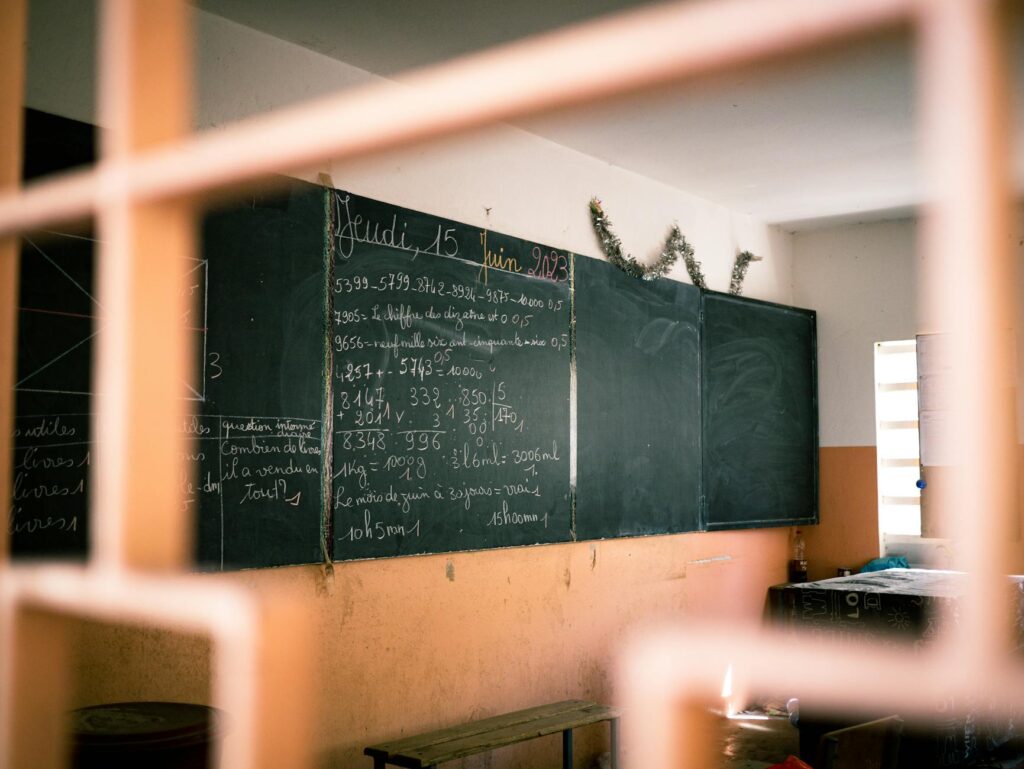
This guide covers everything about classroom chalkboard. The humble classroom chalkboard continues to be a staple in educational settings worldwide, even as technology advances. As of May 2026, its unique blend of simplicity, tactile feedback, and visual clarity provides distinct advantages that digital tools can’t fully replicate. Understanding its role, benefits, and practical applications is key for educators seeking to optimise their teaching environments.
Last updated: May 1, 2026
- Chalkboards offer a unique tactile experience and visual contrast that aids learning for many students in 2026.
- Maintenance and dust management are critical for maximizing chalkboard lifespan and classroom air quality.
- Modern classrooms can integrate chalkboards alongside digital tools for a blended learning approach.
- Proper chalkboard selection, installation, and writing techniques enhance their effectiveness.
The Enduring Appeal of Chalkboards in 2026
Despite the prevalence of interactive whiteboards and projectors, many educators still value the classroom chalkboard. Its immediate presence, ease of use, and fundamental function for writing and drawing offer a direct connection between teacher and student. These tactile nature fosters a different kind of engagement than purely digital interfaces.
Consider a kindergarten class learning the alphabet. A teacher can draw large, bold letters on a chalkboard, allowing children to see the strokes and shapes clearly. The physical act of writing on a chalkboard also provides a kinesthetic learning component, reinforcing memory for visual and tactile learners.
Understanding Different Types of Classroom Chalkboards
Not all chalkboards are created equal. The surface material significantly impacts performance, durability, and maintenance. As of 2026, common types include:
- Slate Chalkboards: The traditional choice, known for extreme durability and a smooth writing surface. They are often the most expensive but last for decades with proper care.
- Porcelain/Enamel-on-Steel Chalkboards: Offer a highly durable, non-porous surface that resists scratching and ghosting. They are a good compromise between cost and longevity.
- Melamine Chalkboards: A more economical option, best suited for low-traffic areas. They can scratch and stain more easily than slate or porcelain, requiring more frequent replacement.
- Painted Chalkboard Surfaces: Special paint can turn any flat surface into a chalkboard. This is a budget-friendly solution for smaller areas or temporary installations.
When selecting a classroom chalkboard, consider factors like budget, intended use, and the desired writing experience. For a busy elementary school, a durable porcelain surface might be ideal. For a specialised art classroom, a high-quality slate board could offer superior chalk adhesion.
Blackboard vs. Whiteboard: A Comparative Looks
The debate between chalkboards and whiteboards is perennial. While whiteboards offer a cleaner, dust-free writing experience, chalkboards possess unique strengths. Whiteboards typically use dry-erase markers, which can be costly to replenish and sometimes leave stubborn ‘ghost’ marks. According to users surveyed in late 2025, marker bleed-through on cheaper whiteboard surfaces is a common frustration.
Chalkboards, conversely, use chalk, a less expensive medium. The visual contrast of white or coloured chalk on a dark surface is highly effective for visual learners. However, chalk dust can be an issue, affecting air quality and potentially irritating allergies. Modern solutions like dustless chalk and improved ventilation systems help mitigate this.
Maintaining Your Classroom Chalkboard for Longevity
Proper maintenance ensures your classroom chalkboard remains a functional and attractive teaching aid for years. This is crucial for preserving the writing surface and extending the life of the board.
Daily Cleaning
After each use, sweep the board with a clean, dry felt eraser. For a more thorough cleaning, use a damp (not wet) cloth or sponge. Always wipe the board in one direction to prevent spreading dust and chalk residue.
Deep Cleaning
Periodically, a deeper clean is necessary. Mix a small amount of mild soap or a specialised chalkboard cleaner with water. Dampen a soft cloth with the solution and wipe the entire surface. Rinse the cloth thoroughly and wipe the board again with plain water to remove any soap residue. Allow the board to air dry completely before use.
Stubborn Marks and Ghosting
For stubborn chalk marks or ‘ghosting’ (faint traces of old writing), you can use a slightly abrasive cleaner like Bon Ami or even fine-grit sandpaper for slate boards. Always test in an inconspicuous area first. For porcelain boards, a paste of baking soda and water can be effective. According to a maintenance guide from the Clean Link publication (2023), regular gentle cleaning prevents the need for harsh methods.
Writing Techniques for Optimal Chalkboard Use
The effectiveness of a chalkboard is also influenced by how it’s used. Employing good writing techniques can make your lessons clearer and more engaging.
- Legibility: Write large and clear enough for students in the back of the room to see. Use legible print or cursive.
- Contrast: Choose chalk colours that provide good contrast against the board. White and yellow are generally the most visible.
- Organisation: Use the board efficiently. Divide it into sections for different subjects, assignments, or daily schedules. Use lines or boxes to structure information.
- Visual Aids: Don’t just write text. Draw diagrams, charts, and illustrations. The visual aspect of chalkboards is one of their greatest strengths.
- Erasing: Erase cleanly. A smudged board is distracting and reduces readability. Use a clean eraser or cloth.
Addressing Chalk Dust Concerns in Modern Classrooms
Chalk dust has long been associated with traditional classrooms, leading to concerns about air quality and respiratory issues. As of May 2026, schools are more aware than ever of indoor air quality. Fortunately, several strategies can minimise dust exposure:
- Dustless Chalk: This specially formulated chalk contains binders that significantly reduce dust particles. It writes smoothly and is available in various colours.
- Board Wipes: Instead of dry erasing, use a slightly damp cloth or specialised board wipes. This captures dust rather than releasing it into the air.
- Ventilation: Ensure classrooms have adequate ventilation. Opening windows periodically or using air purifiers can help clear lingering dust particles. The U.S. Environmental Protection Agency (EPA) offers guidelines on improving indoor air quality in schools.
- Centralized Cleaning: Implement a routine cleaning schedule for chalkboards and erasers. Dusting erasers outdoors can prevent spreading dust inside.
- Alternative Surfaces: Consider magnetic chalkboards which are often porcelain or enamel, offering a smoother surface that produces less dust than older, porous slate boards.
Integrating Chalkboards with Digital Learning Tools
Modern classrooms often employ a blended learning approach, combining traditional methods with technology. A classroom chalkboard can complement digital tools rather than compete with them.
For instance, a teacher might use a projector to display a digital image or text, then use the chalkboard to annotate over it, draw connections, or perform calculations interactively. This layering approach uses the strengths of both mediums. The chalkboard provides a tangible surface for spontaneous problem-solving or brainstorming.
A teacher could also use the chalkboard for quick, low-stakes activities like impromptu quizzes or vocabulary practice, while using interactive whiteboards for more complex simulations or collaborative digital projects. According to recent educational technology surveys, this hybrid model is increasingly popular among educators seeking flexibility and engagement. A study by the Learning Styles Online platform (2024) highlights that a multi-modal approach benefits a wider range of learning preferences.
Beyond the Basics: Unique Uses for Classroom Chalkboards
The utility of a classroom chalkboard extends beyond simple note-taking. Educators can creatively employ them for a variety of engaging activities:
- Interactive Games: Use the board for Dictionary, Hangman, or math-based challenges where students come up to the board to participate.
- Visual Timers: Draw a large clock face and manually move the hands to indicate remaining time for activities, providing a clear visual cue.
- Storytelling Aids: Draw characters, settings, or plot points as a story unfolds, making it more dynamic and visually rich for young learners.
- Feedback Boards: Designate a section for student questions or anonymous feedback, creating a safe space for engagement.
- Art and Design Projects: Use the surface for freehand drawing, calligraphy practice, or collaborative mural creation.
Real-World Examples of Classroom Chalkboards in Action
Consider two distinct scenarios where chalkboards shine:
- High School Physics Class: A teacher uses a large slate chalkboard to derive complex physics equations step-by-step. The tactile nature of chalk allows for precise drawing of vectors and diagrams, while the dark surface offers excellent contrast for formulas. Students can easily follow the progression of the derivation, and the teacher can pause to let students copy the steps. This contrasts with a digital projection, which might be too fast or difficult to annotate dynamically during a complex problem.
- Elementary School Art Lesson: In an art class focused on perspective drawing, the teacher uses a green chalkboard. They sketch a simple cityscape, demonstrating vanishing points and parallel lines. The chalk’s texture allows for shading and varying line weight, showcasing techniques clearly. Students then use their own chalkboards or paper to practice, receiving immediate visual feedback from the teacher’s demonstration on the board. The ‘GRADENEVE Music Border Stickers’ (2026) mentioned by RuhrkanalNews show how even decorative elements can be added to enhance a chalkboard’s appeal.
Common Mistakes and How to Avoid Them
Several common pitfalls can diminish the effectiveness or lifespan of a classroom chalkboard:
- Using the Wrong Cleaning Supplies: Avoid abrasive cleaners or excessive water, especially on older slate boards, as this can damage the surface. Stick to mild soap or specialised cleaners.
- Not Erasing Properly: Leaving chalk residue or smudging the board makes subsequent writing difficult to read. Always use clean erasers and wipe down the board thoroughly.
- Ignoring Dust Management: Failing to address chalk dust can lead to poor air quality and exacerbate allergies. Use dustless chalk and consider air purifiers.
- Over-reliance on Digital Tools: While technology is vital, abandoning chalkboards entirely can remove a valuable tactile and visual learning tool for certain students and subjects.
- Poor Installation: Mounting a chalkboard too high or too low, or on a wall that can’t support its weight, creates usability and safety issues. Ensure it’s installed at an appropriate height for students and securely fastened.
Expert Tips for Maximizing Chalkboard Impact
To truly harness the power of a classroom chalkboard in 2026, consider these expert-driven strategies:
- Create a ‘Chalkboard Wall’: Dedicate a significant wall space to a chalkboard surface. Classroom chalkboard allows for expansive diagrams, timelines, or even student-created artwork.
- Use Colour Effectively: Don’t limit yourself to white chalk. Use a spectrum of colours to highlight key terms, categorize information, or create engaging visuals.
- Develop a ‘Chalkboard Vocabulary’: Use specific areas of the board for recurring elements like vocabulary lists, problem of the day, or homework assignments. This builds routine and reinforces learning.
- Involve Students: Regularly have students come to the board to write answers, solve problems, or present their work. This active participation boosts engagement and retention.
- Consider Magnetic Chalkboards: Many modern chalkboards are magnetic, allowing you to display posters, charts, or student work with magnets, adding another layer of functionality.
- Digital Integration: As mentioned, use the chalkboard for dynamic annotation or visual brainstorming that complements digital presentations. This hybrid approach is highly effective.
- Reflective Practice: Observe how students interact with the chalkboard. Are they leaning in to read? Are they actively engaged? Use these observations to refine your teaching methods.
Unique Insight: Many educators find that the slight ‘drag’ of chalk on a good slate surface provides a sensory feedback loop that helps them think through complex problems more deliberately than writing on a frictionless digital screen or even a whiteboard.
Frequently Asked Questions
What is the best type of classroom chalkboard in 2026?
The best type depends on budget and needs. High-quality slate or porcelain-on-steel chalkboards are most durable and offer the best writing experience, though they are more expensive. Melamine is a budget-friendly option for less intensive use.
How often should a classroom chalkboard be cleaned?
Daily wiping with a dry eraser is essential. A damp cloth cleaning should be done weekly, and a deep cleaning with mild soap and water monthly or as needed to maintain the surface and minimise dust.
Can chalk dust cause health problems?
Yes, excessive chalk dust can irritate respiratory systems and trigger allergies in sensitive individuals. Using dustless chalk, ensuring good ventilation, and cleaning regularly significantly reduce these risks in the classroom environment.
Are chalkboards still relevant in modern classrooms?
Absolutely. Chalkboards offer unique tactile and visual benefits, foster a direct teaching connection, and can be integrated effectively with digital tools. They remain relevant for diverse learning styles and spontaneous instruction.
What is the lifespan of a classroom chalkboard?
A high-quality slate or porcelain chalkboard, with proper maintenance, can last for decades, often 50 years or more. Melamine boards typically last 5–10 years depending on usage and care.
How do I remove ghosting from a chalkboard?
Ghosting can often be removed with a specialised chalkboard cleaner or a paste of baking soda and water for most surfaces. For slate boards, very fine-grit sandpaper can be used cautiously. Always test in a small area first.
Conclusion
The classroom chalkboard, far from being obsolete, remains a powerful and versatile tool in 2026. Its ability to facilitate direct instruction, engage multiple senses, and integrate smoothly with modern technology ensures its continued place in effective pedagogy. By understanding its types, maintenance needs, and best practices, educators can continue to use its timeless appeal.
Actionable Takeaway: Evaluate your current classroom setup and identify one specific lesson or activity where reintroducing or more effectively utilising your classroom chalkboard could enhance student engagement and understanding.
Editorial Note: This article was researched and written by the Class Room Centre editorial team. We fact-check our content and update it regularly. For questions or corrections, contact us.
Related read: The Enduring Classroom Chalkboard: A 2026 Guide. Knowing how to address classroom chalkboard early makes the rest of your plan easier to keep on track.


