This guide covers everything about classroom carpet. The first thing worth saying about classroom carpets is that they are far more than just floor covering; they are integral elements in shaping the learning environment. As of May 2026, educational institutions are increasingly recognising the complex role of flooring in pupil engagement, comfort, and even acoustics. Selecting the correct classroom carpet involves a nuanced understanding of durability, safety, maintenance, and aesthetic appeal, all while balancing budget constraints. This complete guide aims to equip educators, administrators, and facilities managers with the knowledge to make an informed decision on classroom carpet selections that will last.
Last updated: May 5, 2026
Key Takeaways
- Classroom carpets offer significant benefits for learning environments, including improved acoustics, comfort, and designated learning zones.
- Material choice is paramount; nylon and polypropylene are favoured for their durability and stain resistance in high-traffic school settings.
- Proper maintenance, including regular vacuuming and prompt spill treatment, is essential for extending carpet lifespan and maintaining hygiene.
- Consideration of safety features like non-slip backing and fire retardancy is vital for any educational space.
- Design choices should balance pupil engagement with practical considerations like ease of cleaning and potential for colour fading.
Why Choose Carpet for Educational Spaces?
Beyond aesthetic appeal, classroom carpets offer tangible benefits that directly impact the learning experience. Their primary advantage lies in sound absorption. In busy classrooms, the ambient noise from chatter, movement, and equipment can be a significant distraction. According to research cited by the Acoustics Research Unit at the University of Salford, softer surfaces like carpets can reduce reverberation time, making speech clearer and lowering overall noise levels. This improved acoustic environment is particularly beneficial for younger pupils and those with special educational needs (SEND), who may be more sensitive to noise.
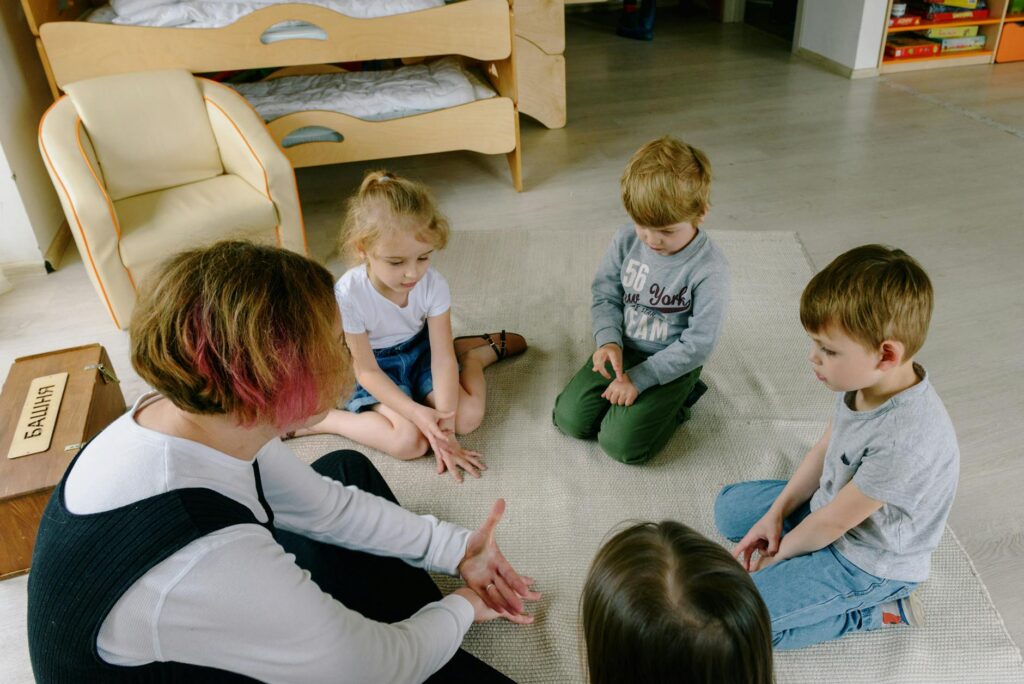
Carpets also provide a comfortable, tactile surface that encourages different learning styles. They can define distinct zones within a larger space – a reading corner, a group activity area, or a quiet reflection spot. This visual and physical segmentation helps children understand and Handle their environment, fostering a sense of order and purpose. Many modern classroom carpets are designed with anti-microbial treatments and are easy to clean, addressing hygiene concerns prevalent in schools.
Understanding Carpet Materials: Durability Meets Design
The choice of material is perhaps the most critical decision when selecting classroom carpet. School environments are demanding, with heavy foot traffic, spills, and general wear and tear. Therefore, durability and ease of maintenance are paramount. As of 2026, the most popular and practical options for educational flooring remain centred around synthetic fibres.
Nylon Carpets
Nylon is renowned for its exceptional durability, resilience, and resistance to abrasion and staining. It has excellent elasticity, meaning it springs back into shape after being compressed by furniture or heavy footfall. This makes it an ideal choice for high-traffic areas that see constant activity. Many commercial-grade nylon carpets also feature stain-resistant treatments, which are invaluable in classrooms where spills from drinks, art supplies, or food are common.
A common misconception is that nylon is an expensive option, but its longevity often makes it a cost-effective choice over the product’s lifecycle. For instance, a well-maintained nylon carpet can easily last 10-15 years in a demanding school setting, far outperforming cheaper alternatives.
Polypropylene (Olefin) Carpets
Polypropylene is a more budget-friendly synthetic fibre that offers good durability and excellent resistance to moisture and staining, as it doesn’t absorb water. It’s naturally resistant to mould and mildew, making it suitable for areas prone to dampness. However, polypropylene is less resilient than nylon; it can crush more easily under heavy furniture and may not retain its appearance as well over extended periods of intense use.
Despite its limitations, polypropylene is a popular choice for nursery or early years settings where vibrant colours and patterns are desired, and budget is a primary concern. Many manufacturers now offer polypropylene carpets with enhanced treatments to improve their wear characteristics.
Polyester Carpets
Polyester carpets offer a soft feel and are highly resistant to fading, making them attractive for bright, colourful designs. They are also inherently stain-resistant. However, polyester is not as resilient or durable as nylon or even polypropylene, making it less suitable for the most heavily trafficked areas of a school. It tends to crush more easily and can be susceptible to oil-based stains if not treated.
Wool Carpets
While natural wool carpets offer unparalleled comfort, warmth, and a luxurious feel, they are generally not recommended for typical classroom environments. Wool is more expensive, can be sensitive to harsh cleaning chemicals, and is more susceptible to staining and wear compared to high-quality synthetics. Its natural properties can also make it a fire hazard if not treated with flame retardants, which can be costly. For these reasons, wool is best reserved for staff rooms or administrative offices rather than active learning spaces.
Classroom Carpet Tiles vs. Broadloom
The format of the carpet – whether broadloom (rolls) or carpet tiles – significantly impacts installation, maintenance, and cost.
Broadloom Carpet
Broadloom carpet, supplied in large rolls, offers a smooth, unified look across a room. Installation can be more complex and time-consuming, often requiring professional fitting to ensure a smooth finish and proper adhesion. The main advantage of broadloom is its monolithic appearance, which can contribute to better overall acoustic performance in some cases. However, if a section becomes heavily stained or damaged, repairing it can be difficult and costly, often requiring the replacement of a large area to maintain uniformity.
Carpet Tiles
Classroom carpet tiles are modular squares or planks that are laid down individually. This modularity offers significant advantages for schools. If a tile is damaged or stained beyond repair, it can be easily and affordably replaced without affecting the rest of the floor. This makes them incredibly practical for maintaining a pristine appearance and managing repair costs. Installation is also generally simpler, and tiles can be rotated or replaced strategically to distribute wear evenly.
From a design perspective, carpet tiles offer immense flexibility. Schools can mix and match colours, patterns, and textures to create dynamic floor designs, designate zones, and even incorporate educational graphics or wayfinding elements. As of May 2026, advancements in tile manufacturing mean that the seams between tiles are becoming increasingly inconspicuous, minimising the acoustic disadvantage they might have once held compared to broadloom.
Design Considerations for Engaging Learning Spaces
The colour, pattern, and overall design of a classroom carpet play a vital role in creating an inviting and functional learning space. While bright, stimulating colours can be engaging, it’s essential to balance this with practical considerations.
Colour Palette
Research from the Department for Education (DfE) suggests that colour can influence mood and concentration. Vibrant colours like reds and yellows can be stimulating but may become overwhelming if used excessively. Cooler colours such as blues and greens are often associated with calmness and focus, making them suitable for general classroom areas or quiet zones. Neutrals like beige, grey, and muted earth tones provide a versatile base that can be complemented by brighter accessories.
Consider the age group of the pupils. Younger children often respond well to bolder, more playful designs, while older students might prefer more subdued or sophisticated patterns. As of 2026, a trend towards biophilic design – incorporating elements of nature – is influencing classroom aesthetics, leading to more earthy tones and nature-inspired patterns in carpets.
Pattern and Texture
Patterns can help camouflage everyday dirt and wear, extending the carpet’s visually appealing lifespan. Busy, abstract patterns or those with varying textures are generally more forgiving than plain, solid colours, which can highlight every speck of dust or dropped crumb. Geometric patterns can also be used to subtly delineate different learning areas within the classroom.
Texture adds another layer of sensory engagement. A carpet with a slightly varied pile height or a loop construction can offer a more interesting tactile experience for children who enjoy sitting on the floor during lessons. However, extremely high-pile or shag carpets are generally unsuitable for classrooms due to difficulties in cleaning and potential tripping hazards.
Safety and Compliance
Safety is non-negotiable in an educational setting. When selecting classroom carpet, ensure it meets relevant safety standards. This includes:
- Fire Retardancy: Carpets should comply with BS EN 13501-1 (Euroclass) standards for fire performance appropriate for educational buildings. Check manufacturer specifications for ratings like Cfl-s1 or Bfl-s1.
- Slip Resistance: The backing of the carpet, especially for tiles, should provide adequate grip to prevent slips and falls.
- Low VOC Emissions: Look for carpets with low Volatile Organic Compound (VOC) emissions, contributing to better indoor air quality. Certifications like GREENGUARD can indicate this.
The Ofsted framework, while not directly dictating flooring choices, implicitly supports environments that are safe, well-maintained, and conducive to learning. A poorly chosen or maintained carpet could indirectly impact perceptions of the learning environment.
Maintaining Your Classroom Carpet for Longevity
Even the most durable classroom carpet will suffer if not properly maintained. A consistent cleaning regimen is key to preserving its appearance, hygiene, and lifespan.
Regular Vacuuming
Daily vacuuming is recommended for high-traffic areas. Use a commercial-grade vacuum cleaner with good suction and a beater bar (if appropriate for the carpet pile). For carpet tiles, ensure the vacuum can effectively clean the seams. Regular vacuuming removes abrasive dirt particles that can damage carpet fibres over time.
Prompt Spill Response
Address spills immediately. Blot, don’t rub, the affected area with a clean, dry cloth or paper towel to absorb as much liquid as possible. For tougher stains, use a mild detergent solution specifically designed for carpets, testing it on an inconspicuous area first. Avoid overwetting the carpet, as this can lead to mould and mildew growth and damage the backing.
Deep Cleaning
Depending on usage, a professional deep clean or a thorough in-house extraction clean should be performed annually or bi-annually. This process removes embedded dirt, allergens, and residues that regular vacuuming can’t reach. Ensure the cleaning solution used is appropriate for the carpet material and is thoroughly rinsed out.
Managing Furniture Marks
Heavy furniture can leave indentations. Using furniture coasters or protective pads can minimise this. If indentations occur, they can often be restored by gently brushing the fibres and applying steam (from a distance) or by allowing the area to rest without weight.
Common Mistakes to Avoid When Buying Classroom Carpet
Investing in classroom flooring is a significant decision. Making the wrong choice can lead to premature wear, increased maintenance costs, and a less-than-ideal learning environment. Here are common pitfalls to avoid:
Prioritising Aesthetics Over Durability
While a visually appealing classroom is important, it shouldn’t come at the expense of functionality. Choosing a carpet based solely on its attractive colour or pattern without considering its ability to withstand heavy use, spills, and frequent cleaning is a common mistake. A beautiful carpet that wears out in two years is a poor investment compared to a slightly less striking but much more durable option.
Underestimating Maintenance Requirements
Different carpet materials and constructions have varying maintenance needs. Opting for a carpet that requires complex or time-consuming cleaning routines without the necessary resources or staff time can lead to the carpet quickly looking worn and unhygienic. Always inquire about the recommended cleaning schedule and the types of cleaning agents suitable for the chosen carpet.
Ignoring Safety Standards
Overlooking fire retardancy, slip resistance, and VOC emissions is a critical error. Schools have a duty of care to provide a safe environment for pupils and staff. Ensure any chosen classroom carpet meets all relevant UK and EU safety regulations. This is not just a compliance issue but a fundamental aspect of pupil well-being.
Not Considering Acoustics
Classrooms are often noisy environments. Choosing a hard flooring solution or a carpet with poor sound-absorbing qualities can exacerbate noise issues, impacting concentration and learning. As highlighted by the Education Endowment Foundation (EEF), factors influencing the learning environment, including acoustics, can have a tangible impact on pupil outcomes.
Incorrectly Estimating Quantity and Waste
When ordering broadloom carpet, it’s crucial to account for pattern matching and wastage, which can be as high as 10-15%. Failing to order enough carpet can lead to delays and the need to source from different batches, potentially resulting in colour variations. Conversely, ordering far too much leads to unnecessary expense.
Forgetting About Underlay/Backing
For broadloom carpet, a good quality underlay is essential for comfort, insulation, and extending the carpet’s life. For carpet tiles, the backing material is vital for stability and slip resistance. Don’t assume all carpets come with suitable backing; check the specifications.
Choosing Classroom Carpet: A Practical Checklist
To simplify the selection process, use this checklist:
- Purpose: What is the primary use of the space (e.g., general learning, quiet reading, early years play)?
- Age Group: Consider the developmental stage and needs of the pupils.
- Material: Prioritise durable synthetics like nylon or polypropylene for high traffic.
- Format: Carpet tiles offer flexibility and ease of repair, while broadloom provides a smooth look.
- Design: Select colours and patterns that are engaging but also practical for maintenance. Consider darker colours or busy patterns to hide soiling.
- Safety: Verify fire retardancy (e.g., BS EN 13501-1), slip resistance, and low VOC emissions.
- Acoustics: Assess the carpet’s sound-absorbing qualities.
- Maintenance: Understand the cleaning requirements and available resources.
- Budget: Balance initial cost with long-term durability and maintenance expenses. Consider the total cost of ownership.
- Supplier Reputation: Choose reputable suppliers who can provide samples, specifications, warranties, and installation advice.
Information Gain: While many suppliers offer broadloom carpets in widths like 3.66m and 4m, the industry standard for carpet tiles is increasingly moving towards 50cm x 50cm squares, though larger plank formats are also gaining traction for modern designs.
Cost of Classroom Carpet in 2026
The cost of classroom carpet can vary significantly based on material, construction, brand, and quantity. As of May 2026, you can expect the following price ranges for quality commercial-grade options suitable for schools in the UK:
- Polypropylene (Olefin) Broadloom/Tiles: Typically ranges from £15 to £30 per square metre, depending on quality and design.
- Nylon Broadloom/Tiles: Generally costs between £30 and £60 per square metre, reflecting its superior durability and resilience. High-end nylon options can exceed this.
- Carpet Tile Installation: Professional installation can add £10 to £25 per square metre, depending on the complexity of the subfloor and room layout.
- Broadloom Installation: Installation costs for broadloom are often similar, but may be higher for very large or irregularly shaped rooms.
These figures are estimates and don’t include potential costs for subfloor preparation, uplift of old flooring, or specialised treatments. Obtaining quotes from multiple suppliers is always advisable.
Where to Source Classroom Carpet
Several types of suppliers cater to the educational sector:
- Specialist School Suppliers: Companies that focus specifically on educational furniture and flooring often have curated ranges designed for school environments.
- Commercial Flooring Contractors: These businesses work with various commercial clients and can offer a wide range of durable, high-traffic carpets, often with installation services.
- Online Retailers: Many online stores offer competitive pricing on carpet tiles and broadloom, but it’s essential to verify product specifications, warranties, and return policies carefully. Ordering samples is crucial before committing.
When sourcing, look for suppliers who can provide detailed product specifications, warranties, and case studies of installations in similar educational settings. Reputable brands often include names like Heckmondwike, Burmatex, Cormar Carpets (commercial ranges), and Interface (for modular tiles).
Beyond the Classroom: Other School Flooring
While carpets are excellent for many classroom settings, other areas of a school may benefit from different flooring solutions. For instance, high-traffic corridors, canteens, and science labs might be better served by durable vinyl flooring, safety flooring, or ceramic tiles. These materials offer superior resistance to spills, easier cleaning, and enhanced hygiene in areas with specific demands. For a complete overview of school flooring options, see on resilient flooring choices.
Frequently Asked Questions
What is the most durable carpet for a classroom?
Nylon carpet is generally considered the most durable option for classrooms due to its excellent resilience, abrasion resistance, and ability to withstand heavy foot traffic and furniture. High-quality polypropylene is also a very durable choice, especially for budget-conscious settings.
How often should classroom carpet be cleaned?
Classroom carpets should be vacuumed daily in high-traffic areas. A professional deep clean or extraction clean is recommended annually or bi-annually to maintain hygiene and appearance effectively.
Are carpet tiles or broadloom better for schools?
Carpet tiles are typically better for schools due to their modularity, allowing for easy replacement of damaged or stained sections. This significantly reduces long-term maintenance costs and simplifies repairs, making them highly practical.
Can classroom carpet help reduce noise?
Yes, classroom carpets significantly help reduce noise by absorbing sound. This is particularly beneficial in busy learning environments to improve acoustics, enhance concentration, and reduce overall ambient noise levels.
What are the safety considerations for classroom carpets?
Key safety considerations include ensuring the carpet meets fire retardancy standards (e.g., BS EN 13501-1), has non-slip backing to prevent falls, and emits low levels of Volatile Organic Compounds (VOCs) for better indoor air quality.
How much does classroom carpet typically cost?
As of May 2026, expect to pay between £15-£30 per square metre for good quality polypropylene options and £30-£60 per square metre for durable nylon carpets. Installation costs are additional.
Conclusion
Selecting the right classroom carpet is a strategic decision that impacts learning, safety, and budget. By prioritising durability, understanding material properties, considering the benefits of carpet tiles, and adhering to a strict maintenance schedule, schools can create vibrant, functional, and acoustically optimised learning spaces that support pupil well-being and educational success. The key takeaway is to balance initial cost with long-term performance and ease of maintenance, ensuring the chosen flooring actively contributes to a positive educational experience for years to come.
Last reviewed: May 2026. Information current as of publication; pricing and product details may change.
Editorial Note: This article was researched and written by the Class Room Center editorial team. We fact-check our content and update it regularly. For questions or corrections, contact us. Knowing how to address classroom carpet early makes the rest of your plan easier to keep on track.