
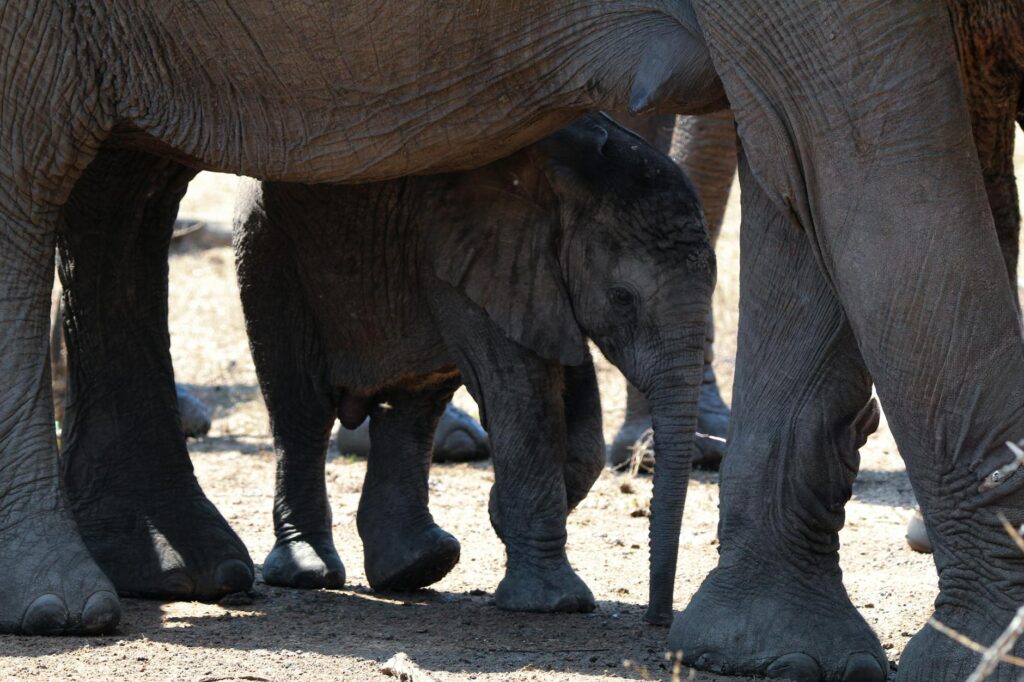
The Smithsonian’s National Zoo and Conservation Biology Institute has introduced an incredibly special new resident to the public: a baby elephant named Linh Mai. This adorable calf represents a monumental occasion, being the first elephant born at the zoo in over two decades. Her arrival on April 10, 2026, has generated immense excitement, not only for her charm but also for the conservation implications and the unique circumstances surrounding her early life. Linh Mai’s journey from birth to her public debut highlights the dedication and care provided by the zoo’s animal care specialists.
Last updated: April 26, 2026
Latest Update (April 2026): As of April 22, 2026, baby elephant Linh Mai officially made her much-anticipated debut and is now ready to meet visitors. Reports from NBC4 Washington confirm her public introduction on Wednesday, April 22nd, following earlier previews. As Kitsap Sun recently reported on the same day, Linh Mai is thriving, showcasing remarkable resilience after overcoming early challenges. The National Zoo also launched an enhanced elephant cam experience, inspired by Linh Mai’s popularity, allowing global audiences to follow her growth and development. As reported by the National Zoo on April 23, 2026, this new feature is already a hit, drawing significant attention.
A Milestone Birth: The First in 25 Years
The birth of Linh Mai on April 10, 2026, is a landmark event for the Smithsonian’s National Zoo and Conservation Biology Institute. It marks the first time in approximately 25 years that an Asian elephant calf has been born at the facility. This event is critical for the Species Survival Plan (SSP) for Asian elephants, a program managed by the Association of Zoos and Aquariums (AZA) to maintain a healthy, self-sustaining population of this vulnerable species in zoos across North America. The success of breeding programs like this is vital for the long-term survival of elephants, whose wild populations face numerous threats, including habitat loss and poaching. As of April 2026, the AZA’s SSPs are instrumental in managing over 240 endangered or threatened species.
According to the National Zoo (2026), Linh Mai’s birth signifies a major achievement in their long-standing commitment to elephant conservation. The zoo has been a leader in elephant care and research for decades, and this birth highlights their expertise. The meticulous planning and advanced veterinary care involved in such a birth are extensive, involving a dedicated team of elephant keepers, veterinarians, and researchers working collaboratively to ensure the best possible outcome for both mother and calf. This involved careful monitoring of the mother’s health throughout her pregnancy and preparation for the birthing process, utilising advanced imaging and health monitoring technologies available as of 2026.
Linh Mai’s Early Days: Challenges and Triumphs
While Linh Mai’s arrival has been a cause for celebration, her early days presented significant challenges. Reports from the National Zoo and various media outlets revealed that her mother, Suki, initially rejected her. This is a rare but serious concern for newborn elephants, as maternal care is absolutely essential for a calf’s survival and development. Without a mother’s protection, nourishment, and guidance, a calf is extremely vulnerable. As of April 2026, the success rate of first-time elephant mothers can vary, making such interventions a critical part of modern zoo management.
Animal fans and experts alike expressed concern when it became known that her mother shunned Linh Mai. The situation, as reported by outlets like The Washington Post, highlighted the delicate nature of animal births and the potential for unexpected complications. Fortunately, the National Zoo’s expert team was prepared for such an eventuality. They intervened swiftly, providing Linh Mai with the necessary round-the-clock care, including specialised bottle-feeding and close monitoring. This proactive approach was critical in ensuring her health and well-being during those crucial first days.
Fortunately, Linh Mai didn’t remain without a maternal figure for long. She soon formed a new, strong bond with another female elephant at the zoo, Swati. As reported by the National Zoo on April 10, 2026, when Linh Mai began exploring the great outdoors, this developing relationship has been closely watched and documented, providing valuable insights into elephant social dynamics and the capacity for elephants to form new bonds, even outside of their immediate biological family. Swati has embraced the role of a surrogate mother, offering comfort and companionship to Linh Mai, which is vital for her social and emotional development. This bond is a testament to the complex social structures of elephants and the dedication of the zoo staff in facilitating these connections.
Making a Public Debut
Following her challenging start and subsequent integration with Swati, Linh Mai made her much-anticipated public debut on Wednesday, April 22, 2026. As reported by NBC News and TODAY.com on April 22, 2026, her debut coincided with Earth Day celebrations, adding to the excitement. This debut allowed the public to finally see the adorable calf in person, marking a new chapter in her life and for the zoo. Her initial explorations outdoors, as reported by the National Zoo, have been met with great enthusiasm from visitors.
As NBC4 Washington reported on April 22, 2026, Linh Mai’s debut has been a resounding success, with visitors flocking to catch a glimpse of the young elephant. The debut was a carefully managed event, ensuring that Linh Mai and her surrogate mother, Swati, were comfortable and ready for the increased attention. The zoo staff meticulously prepared the environment to be stimulating yet reassuring for the young calf. Visitors were eager to witness the culmination of months of anticipation and the successful nurturing of this rare elephant calf. The event served as a powerful reminder of the importance of zoos in conservation and public education, allowing people to connect with these magnificent animals.
The launch of the new elephant cam, as highlighted by the National Zoo on April 23, 2026, further extends the reach of Linh Mai’s story. This initiative, inspired by the immense public interest in the calf, allows individuals worldwide to witness her growth and development in real-time. This digital engagement is a key strategy for modern zoos to foster connection and support for conservation efforts, bridging geographical distances and making animal welfare accessible to a global audience.
Understanding Asian Elephant Behaviour and Needs
Linh Mai’s story brings to light the intricate social behaviours and specific needs of Asian elephants. In the wild, calves are typically born into a herd structure where multiple females, including aunts and grandmothers, play a role in raising the young. This communal care system provides a rich learning environment and essential protection. Asian elephants, scientifically known as Elephas maximus, are highly intelligent and social animals, forming deep bonds within their family groups. As of 2026, research continues to uncover the complexities of their communication, which includes a range of vocalizations, body language, and infrasound – sounds too low for humans to hear.
The species faces significant challenges in its native range across South and Southeast Asia. Habitat fragmentation due to agriculture, infrastructure development, and logging has reduced their living space and led to increased human-elephant conflict. Poaching for ivory, although reduced in some areas due to conservation efforts, remains a threat. The IUCN Red List classifies Asian elephants as endangered, with population estimates suggesting fewer than 45,000 individuals remaining in the wild as of 2026. Zoos play a vital role in conservation by participating in breeding programs, conducting research, and educating the public about the threats these animals face.
The Role of Zoos in Conservation in 2026
The Smithsonian’s National Zoo and Conservation Biology Institute is at the forefront of conservation efforts in 2026. Beyond breeding programs for species like Asian elephants, the institute actively engages in field research and conservation initiatives worldwide. Their work supports habitat preservation, anti-poaching patrols, and community-based conservation programs designed to reduce human-wildlife conflict. The success of Linh Mai’s birth is a testament to the zoo’s commitment to these goals, demonstrating that dedicated scientific research and expert animal care can contribute significantly to the survival of vulnerable species.
Modern zoos, as exemplified by the National Zoo’s approach, focus on providing animals with environments that closely mimic their natural habitats, promoting natural behaviours and ensuring psychological well-being. Enrichment activities, specialised diets, and advanced veterinary care are standard practices. Zoos serve as critical educational centres, inspiring visitors to learn about wildlife and conservation. The public’s fascination with Linh Mai, amplified by the new elephant cam, highlights the power of these institutions to connect people with nature and foster a sense of responsibility towards its protection.
Linh Mai’s Future at the National Zoo
Linh Mai’s future at the National Zoo appears bright. As she grows, she will continue to learn from Swati and the other elephants in the herd, developing the complex social skills necessary for her species. The zoo’s animal care team will closely monitor her development, ensuring she receives the best possible nutrition, veterinary care, and social integration. Her presence is not just a joy for visitors but a vital part of the genetic diversity managed by the AZA’s Species Survival Plan.
The zoo plans to gradually increase her access to different areas of the elephant habitat and introduce her to more of the herd’s routines. This process will be guided by Linh Mai’s comfort and readiness, ensuring a positive experience for her. As she matures, she will become an ambassador for her species, representing the ongoing need for conservation efforts for Asian elephants both in human care and in the wild.
Frequently Asked Questions
What is Linh Mai’s species?
Linh Mai is an Asian elephant (Elephas maximus).
When was Linh Mai born?
Linh Mai was born on April 10, 2026.
Why was Linh Mai’s birth significant for the National Zoo?
Her birth was significant because it was the first Asian elephant calf born at the zoo in approximately 25 years, representing a major success for the Species Survival Plan.
Did Linh Mai’s mother reject her?
Yes, Linh Mai’s biological mother, Suki, initially rejected her. However, she formed a strong bond with another female elephant, Swati, who has become her surrogate mother.
How can I see Linh Mai?
Linh Mai made her public debut on April 22, 2026. Visitors can see her at the Smithsonian’s National Zoo and Conservation Biology Institute, and her activities are also viewable via the zoo’s new elephant cam.
Conclusion
The arrival and public debut of Linh Mai, the baby elephant at the Smithsonian’s National Zoo and Conservation Biology Institute, marks a significant moment in 2026 for elephant conservation. Her journey, from early challenges to forming a bond with Swati and finally meeting the public, showcases the dedication of zoo professionals and the resilience of the calf. Linh Mai’s story not only captivates the public imagination but also underscores the critical role of zoos in species survival plans and public education about endangered wildlife. As visitors flock to see her and online viewers tune into her elephant cam, Linh Mai becomes a powerful symbol of hope and a reminder of the ongoing need to protect Asian elephants and their habitats.
Source: Britannica
Editorial Note: This article was researched and written by the Class Room Centre editorial team. We fact-check our content and update it regularly. For questions or corrections, contact us. Knowing how to address baby elephant early makes the rest of your plan easier to keep on track.


