
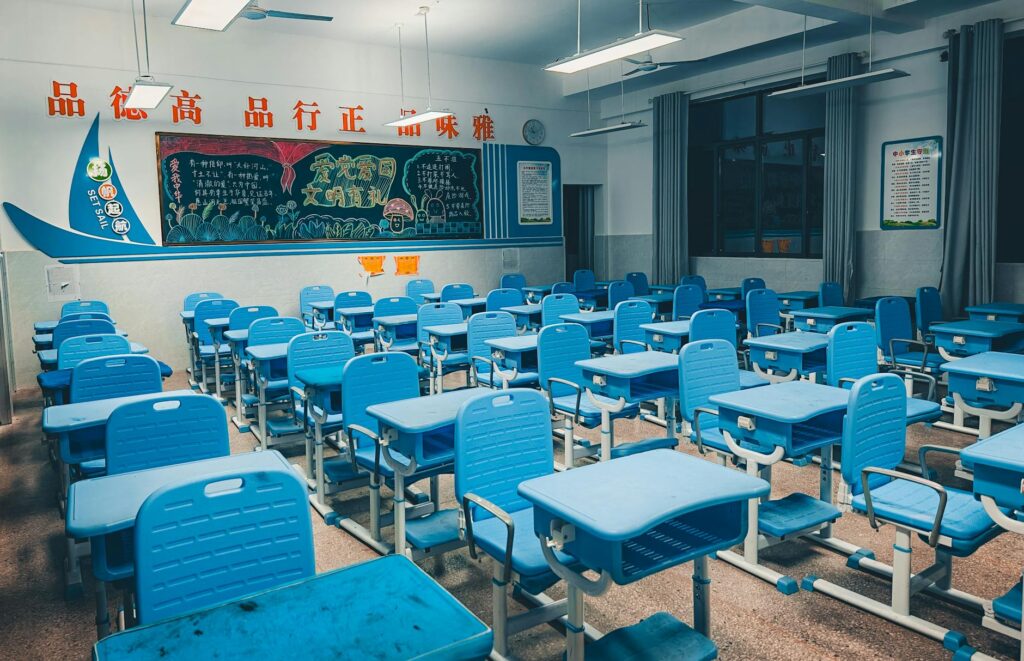
Essential Classroom Management Tips: A 2026 Guide
Let’s be honest: walk into any staff room, and the conversation will eventually turn to classroom management. It’s the backbone of everything we do as educators. Without a well-managed classroom, even the most brilliant lesson plans can fall flat. With years of experience in diverse educational settings, it’s clear that solid classroom management tips aren’t just about keeping order; they’re about creating a space where learning can truly flourish — where every student feels safe, valued, and ready to engage. (Source: educationendowmentfoundation.org.uk)
Last updated: April 26, 2026
Early in a teaching career, the belief might be that classroom management is solely about authority. Experience quickly reveals that true classroom management is about connection, consistency, and clear communication—it’s about building a community. Over the years, approaches have been refined, and strategies have been discovered that genuinely make a difference. Today, we share effective, tried-and-tested classroom management tips for 2026.
Latest Update (April 2026)
The educational landscape continues to evolve, with uncertainty being a common theme. As K-12 Dive recently reported, leaders are focused on protecting classrooms amidst these changes, and addressing teacher retention remains a significant concern for the profession. A recent study in Arizona indicated that over 14% of educators left the classroom last year, highlighting the need for supportive environments and effective management strategies to retain talent. Initiatives like subsidizing tuition for new teachers, as discussed in NYC, aim to boost the workforce. (Source: K-12 Dive, ABC15 Arizona)
and, the importance of prioritising behaviour as essential learning is gaining renewed attention, as highlighted by eSchool News. This perspective emphasizes that effective classroom management is not just about controlling behaviour, but about teaching and reinforcing the behavioural skills that are fundamental to academic success. As education prepares for the future, the foundational principles of behaviour and respect are becoming non-negotiable elements in classroom practice, as noted by Bored Teachers. This underscores the need for solid, evidence-based management strategies that support both student learning and teacher well-being. (Source: eSchool News, Bored Teachers)
Recent developments in educational infrastructure and student support are also noteworthy. For instance, UNICEF reported on children in Barbuda building life-saving skills through a School Safety Camp, demonstrating how proactive programs can foster essential competencies. In Nigeria, the Universal Basic Education Commission (UBEC) released N434.5 million and set aside N5.18 billion for nationwide school upgrades, indicating a commitment to improving learning environments. (Source: UNICEF, The Nigerian Observer)
Additionally, the discussion around educational tools continues. An opinion piece in The Educator K/12 suggests that headsets deserve a place in every classroom, pointing to their potential benefits for focused learning and differentiated instruction in 2026. Meanwhile, initiatives like the EDD Care Foundation empowering Anloga BECE candidates with mentorship and exam supplies in Ghana highlight the ongoing efforts to support students through critical academic stages. (Source: The Educator K/12, News Ghana)
Table of Contents
- The Foundational Principles: Starting Strong
- Building Relationships: Your Most Powerful Tool
- Clear Expectations and Consistent Routines
- Effective Communication Strategies
- Proactive and Reactive: Handling Disruptions
- The Power of Positive Reinforcement
- Common Missteps and How to Avoid Them
- Self-Reflection and Adaptability
- Frequently Asked Questions About Classroom Management
- Conclusion: Your Journey to a Well-Managed Classroom
The Foundational Principles: Starting Strong
Before implementing specific strategies, establishing a strong foundation is paramount. This involves understanding your teaching philosophy and how it aligns with your management style. For many educators, this boils down to fostering mutual respect and a clear sense of purpose. Respecting students as individuals and expecting them to respect you and each other, while maintaining a classroom purpose focused on learning and growth, is critically important. This aligns with the sentiment that basic respect is non-negotiable in the classroom. (Source: Bored Teachers)
Being proactive, especially at the start of the school year, is essential. Experts recommend dedicating time to explicitly teach and practice routines and expectations. This upfront investment can prevent many potential issues down the line. The first few days or weeks are critical for setting the tone and establishing the classroom as a productive learning environment. As opinion pieces in Education Week have noted, teacher preparation often treats classroom management as an afterthought, which is a significant problem that needs to be addressed to better support educators. (Source: Education Week)
The first 10 minutes of any lesson are key. If you can establish a calm, focused start with clear instructions and a smooth transition, the rest of the lesson often follows suit. This initial period is a core component of effective classroom management, setting the stage for engagement and minimizing off-task behaviour. As of April 2026, research continues to emphasize that teachers who master this early engagement often report higher student focus throughout the entire class period.
Building Relationships: Your Most Powerful Tool
Students are far more likely to cooperate, follow rules, and engage in learning if they feel a genuine connection with their teacher. Taking the time to get to know students as individuals is one of the most impactful classroom management strategies available in 2026. This focus on student well-being and individual connections can significantly improve classroom dynamics, leading to better engagement and behaviour.
- Morning Greetings: A simple ‘good morning’ or ‘hello, [student’s name]’ at the door can set a positive tone for the day and make students feel acknowledged.
- Show Genuine Interest: Ask about their weekends, hobbies, or what they’re excited about. Remembering details they share demonstrates care and builds rapport.
- Listen Actively: When a student approaches you with a question or concern, give them your full attention. This shows respect and encourages open communication.
Reports from educators indicate that focusing on student well-being and individual connections can improve classroom dynamics. When students feel seen and valued, their engagement and behaviour often improve dramatically. This aligns with the principle that Maslow before Bloom is more important than ever for our students right now, emphasizing the need to meet students’ foundational emotional and safety needs before focusing solely on academic content. (Source: Bored Teachers)
In 2026, personalized learning approaches further underscore the importance of strong teacher-student relationships. Understanding individual student needs, learning styles, and personal circumstances allows educators to tailor their management strategies effectively. For example, knowing a student is struggling with a home situation might require a more patient and supportive approach to minor behavioural issues, rather than immediate punitive measures.
Clear Expectations and Consistent Routines
Ambiguity is detrimental to effective classroom management. Students thrive on predictability. Clearly communicating expectations for behaviour, academic work, and participation from day one is non-negotiable. This clarity must be paired with absolute consistency in enforcement. If a rule is established, it must be upheld every time, for every student, by every adult in the classroom. This builds trust and ensures that students understand the boundaries and consequences.
Establishing Routines:
- Arrival and Dismissal: Have a clear procedure for how students enter the classroom and how they pack up and leave.
- Transitions: Teach students how to move between activities or from one part of the classroom to another smoothly. Use timers or visual cues.
- Work Completion: Define what ‘finished’ looks like and what students should do when they complete their work early.
- Asking for Help: Establish a signal or procedure for students to indicate they need assistance without disrupting others.
As of April 2026, studies continue to show that classrooms with well-defined and consistently applied routines have fewer behavioural disruptions and higher rates of academic engagement. Educators who spend the initial weeks of school explicitly teaching and practicing these routines report a significant return on investment throughout the remainder of the year.
Effective Communication Strategies
Communication in the classroom extends far beyond giving instructions. It involves listening, providing feedback, and establishing a language of respect. Effective communicators use clear, concise language, avoid jargon, and check for understanding.
- Verbal Cues: Use positive and specific language. Instead of ‘Don’t talk,’ try ‘Please raise your hand if you have something to share.’
- Non-Verbal Cues: Develop a system of signals—a look, a gesture, a hand signal—to redirect behaviour or gain attention without verbal interruption.
- Active Listening: Model attentive listening when students speak. Paraphrase their contributions to ensure comprehension and show you value their input.
- Providing Feedback: Offer constructive, specific feedback on both academic work and behaviour. Focus on growth and effort.
In 2026, with increased focus on social-emotional learning (SEL), communication strategies that support empathy and understanding are paramount. Teachers who effectively communicate their expectations and provide regular, constructive feedback help students develop self-awareness and self-management skills. This proactive communication approach is often more effective than reactive disciplinary measures.
Proactive and Reactive: Handling Disruptions
Effective classroom management requires a balance between proactive strategies designed to prevent disruptions and reactive strategies for addressing them when they occur. The goal is always to minimise disruptions and return to learning as quickly and respectfully as possible.
Proactive Measures:
- Engaging Lessons: Keep students actively involved with content that’s relevant and appropriately challenging. Boredom is a major catalyst for misbehavior.
- Clear Instructions: Ensure all students understand tasks before they begin. Break down complex tasks into smaller steps.
- Physical Environment: Arrange the classroom to minimise distractions and maximise visibility. Ensure materials are accessible.
- Positive Framing: Frame expectations positively. Instead of ‘No running,’ try ‘Please walk in the hallways.’
Reactive Measures:
- Non-Verbal Redirection: Use proximity control (moving closer to a student), a pointed look, or a gesture.
- Private Conversation: Address minor issues with a quiet word or a brief chat away from peers to avoid embarrassment.
- Consequence Implementation: Follow through with pre-established, logical consequences consistently and calmly.
- De-escalation Techniques: Learn and apply strategies to calm tense situations, focusing on de-escalation rather than confrontation.
As of April 2026, research increasingly supports a tiered approach to behaviour support, where interventions become more intensive based on the frequency and severity of disruptions. This approach emphasizes understanding the function of behaviour before implementing interventions.
The Power of Positive Reinforcement
What gets reinforced gets repeated. Positive reinforcement is a cornerstone of effective classroom management in 2026. It involves acknowledging and rewarding desired behaviours, making them more likely to occur in the future. This is far more effective in the long run than focusing solely on punishment.
- Specific Praise: Instead of ‘Good job,’ say ‘I appreciate how you stayed focused on your work even when others were talking.’
- Tangible Rewards: Use sticker charts, small prizes, or extra free time for consistently positive behaviour or achieving specific goals. (Ensure these are equitable and accessible to all students).
- Positive Notes/Calls Home: Share good news about a student’s behaviour or effort with their parents or guardians.
- Classroom Privileges: Award responsibilities like line leader, door holder, or tech helper to students who demonstrate responsibility.
Educators report that a consistent system of positive reinforcement, applied equitably, significantly boosts student morale and reduces the need for disciplinary actions. In 2026, many schools are integrating positive behaviour interventions and supports (PBIS) frameworks to systematize these efforts.
Common Missteps and How to Avoid Them
Even experienced educators can fall into common pitfalls. Awareness is the first step to avoidance.
- Inconsistency: Applying rules and consequences differently for different students or at different times erodes trust and predictability. Solution: Create a clear behaviour matrix and stick to it.
- Overreacting: Responding to minor disruptions with overly harsh or emotional reactions can escalate situations and damage relationships. Solution: Practice de-escalation and take a moment to respond calmly.
- Ignoring Small Issues: Letting minor infractions slide can lead to bigger problems later. Solution: Address issues promptly and consistently, even if they seem small.
- Lack of Relationship Building: Focusing solely on rules and discipline without investing time in getting to know students creates an adversarial environment. Solution: Dedicate time daily for positive interactions.
- Unrealistic Expectations: Expecting perfect behaviour at all times is not developmentally appropriate. Solution: Understand child development and adjust expectations accordingly.
In 2026, professional development increasingly focuses on equipping teachers with strategies to avoid these missteps, emphasizing restorative practices and trauma-informed approaches.
Self-Reflection and Adaptability
Classroom management is not a static system; it requires ongoing reflection and adaptation. What works for one group of students may need adjustments for the next. Regularly assess what is working well and what needs modification.
- Observe and Analyse: Pay attention to patterns in student behaviour. What triggers disruptions? What interventions are most effective?
- Seek Feedback: Talk to colleagues, mentors, or administrators about challenges. Sometimes an outside perspective is invaluable.
- Adapt Strategies: Be willing to modify your approach based on student needs and the specific classroom context.
- Professional Development: Stay current with research and best practices in classroom management and student behaviour.
As of April 2026, the emphasis on teacher well-being also highlights the importance of self-reflection. Educators who manage their own stress and emotions effectively are better equipped to handle classroom challenges. Adaptability is key to maintaining a positive and productive learning environment in the face of evolving student needs and educational priorities.
Frequently Asked Questions About Classroom Management
What is the most important aspect of classroom management?
While many elements are vital, building strong, positive relationships with students is often cited as the most critical foundation for effective classroom management in 2026. When students feel respected, valued, and understood by their teacher, they are more likely to engage positively, follow expectations, and respond constructively to guidance.
How can I establish classroom routines effectively at the start of the year?
Dedicate the first few days to explicitly teaching, modelling, and practicing every routine: arrival, dismissal, transitions, asking for help, submitting work, etc. Make it interactive and provide positive reinforcement for students who follow the routines correctly. Consistency is key; practice them frequently until they become automatic.
What should I do when a student consistently disrupts the class?
First, try to understand the function of the behaviour. Is the student seeking attention, avoiding a task, or experiencing something outside of school? Implement a tiered approach: start with non-verbal cues and private conversations. If disruptions persist, involve parents/guardians, school counselors, or administrators. Develop a specific behaviour plan with clear goals and consequences, focusing on teaching replacement behaviours.
How can I manage a classroom with diverse learning needs and behaviours?
Employ differentiated instruction and management strategies. Use a variety of teaching methods, provide choices where possible, and offer tiered supports for behaviour. Focus on Universal Design for Learning (UDL) principles to create an inclusive environment. Build strong relationships to understand individual student needs and adapt your approach accordingly. Consult with special education professionals for specific strategies.
Is it okay to use rewards in the classroom?
Yes, positive reinforcement, including well-designed reward systems, can be highly effective when used appropriately. Focus on rewarding effort, progress, and positive behaviours. Ensure rewards are equitable, tied to specific achievements, and gradually faded as desired behaviours become consistent. The goal is to foster intrinsic motivation, but extrinsic motivators can be a valuable tool, especially in the initial stages of behaviour change.
Conclusion: Your Journey to a Well-Managed Classroom
Developing effective classroom management skills is an ongoing process, not a destination. It requires intentionality, consistency, and a deep commitment to building positive relationships with your students. By focusing on establishing a strong foundation, clearly communicating expectations, fostering a supportive environment, and adapting your strategies as needed, you can create a classroom where learning thrives and every student feels empowered to succeed. Remember that your role as an educator extends beyond instruction to fostering a safe, respectful, and engaging community for all. The investment you make in classroom management pays dividends in student success and your own professional satisfaction.
Source: edX
Related Articles
- Programgeeks.net Review: Educator Insights for 2026
- Lexia Inglés: A 2026 Educator's complete Guide
- Hulu Stock Update: What Changed in Early 2026?
Editorial Note: This article was researched and written by the Class Room Centre editorial team. We fact-check our content and update it regularly. For questions or corrections, contact us. Knowing how to address Classroom management tips early makes the rest of your plan easier to keep on track.


