
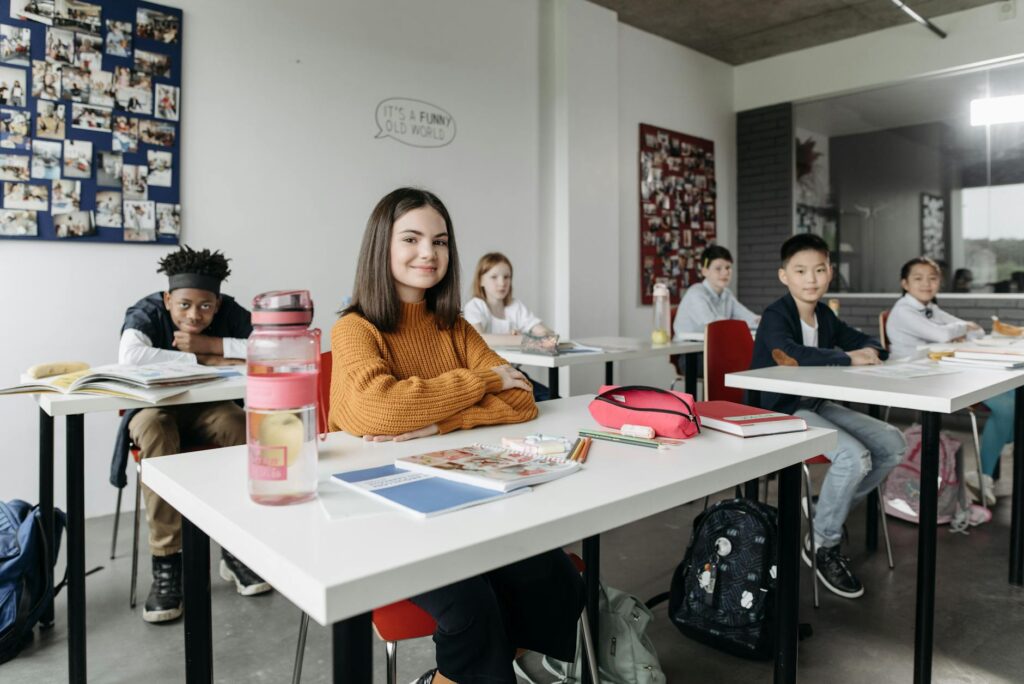
This guide covers everything about blended classroom learning. Blended classroom learning is no longer a futuristic concept but a present-day reality, fundamentally reshaping how educators deliver instruction. As of May 2026, this pedagogical approach, which artfully combines traditional in-person teaching with digital learning components, has become a cornerstone for many institutions seeking to enhance both student engagement and learning outcomes.
Last updated: May 9, 2026
(Source: teachingcommons.stanford.edu)
Key Takeaways
- Blended classroom learning integrates face-to-face instruction with online educational elements.
- It offers increased flexibility for students and personalized learning pathways.
- Key benefits include enhanced engagement, improved digital literacy, and better resource accessibility.
- Successful implementation requires careful planning, appropriate technology, and teacher training.
- Challenges often involve equitable access to technology and effective classroom management.
What Exactly Defines Blended Classroom Learning?
At its core, blend classroom learning is about finding the optimal combination between physical presence and digital interaction. It’s not simply about adding a few online resources to a traditional course, but rather a deliberate redesign of the learning experience to use the strengths of both modalities. This approach ensures that students receive direct instruction and social interaction in a physical classroom while also benefiting from the flexibility, vast resources, and self-paced opportunities that online learning provides.
Unlike fully online courses, blended learning maintains a significant in-person component. This could involve direct teaching, group work, or hands-on activities conducted within the classroom walls. The online element, conversely, might host lectures, supplementary materials, interactive quizzes, discussion forums, or collaborative projects that students can access anytime, anywhere. The precise mix varies widely, creating a spectrum of blended learning models.
The Core Benefits for Students and Educators
The advantages of adopting blended classroom learning are substantial and complex, and for students, the most immediate benefit is the enhanced flexibility it affords. Learners can revisit online materials as needed, manage their study time around other commitments, and engage with content in ways that best suit their individual learning styles. This adaptability can be particularly impactful for students with diverse needs or those who thrive with a more personalized educational pace.
Plus, blended learning naturally cultivates essential digital literacy skills. As students navigate online platforms, interact in virtual spaces, and utilise digital tools for research and creation, they develop competencies crucial for higher education and the modern workforce. According to the Institute of Digital Education Practices (IDEP) as of 2026, students in blended programs consistently demonstrate higher proficiency in digital collaboration tools than their peers in purely traditional settings.
Educators, on the other hand, can use blended models to differentiate instruction more effectively. By assigning online activities for foundational content delivery, teachers can dedicate more in-class time to higher-order thinking, problem-solving, and personalized support for students who need it most. This shift allows for deeper engagement with complex topics and more meaningful interactions between teacher and student.
Exploring Popular Blended Learning Models
The versatility of blended classroom learning is evident in the various models educators can adopt. Understanding these models is key to selecting the approach that best fits a specific curriculum, student demographic, and institutional resources.
The Flipped Classroom
One of the most well-known models is the flipped classroom. In this setup, traditional lecture-style content delivery is moved online, typically through pre-recorded videos or readings. Students engage with this material independently before coming to class. The in-person classroom time is then dedicated to interactive activities, discussions, problem-solving sessions, and project-based learning, where students can apply what they’ve learned with teacher guidance.
The Rotation Model
The rotation model involves students rotating through different learning stations, at least one of which is online. This could be a station for individual online work, a station for group collaboration, and a station for direct instruction with the teacher. The rotation can be fixed (e.g., students move every 20 minutes) or flexible, based on student needs and mastery of content. This model is particularly effective in younger grades and can be implemented within a single classroom or across multiple classrooms.
The Flex Model
In a flex model, the online component forms the backbone of the learning experience, with students primarily working online, often at their own pace. However, they receive support and instruction from a teacher and peers in a physical location on a scheduled basis. This model is ideal for students who are largely self-directed but still benefit from in-person guidance and collaboration opportunities. The physical classroom acts more as a learning hub than a primary delivery space.
The À la carte Model
This model allows students to choose one or more entirely online courses to supplement their traditional course load. Students might take a regular history class but opt for an online elective, such as a foreign language or coding, to broaden their curriculum. This model offers maximum student autonomy but requires strong online course offerings and strong student self-discipline.
Implementing Blended Classroom Learning: Practical Steps
Transitioning to a blended classroom learning environment requires strategic planning and thoughtful execution. It’s not merely about introducing new technology but about rethinking pedagogy and curriculum design.
Define Clear Learning Objectives
Begin by articulating what students should know and be able to do by the end of the course. These objectives will guide decisions about which content is best delivered online and which is best addressed in person. A clear understanding of desired learning outcomes is paramount for designing an effective blended experience.
Select Appropriate Technologies and Platforms
Choose a learning management system (LMS) or platform that can host online content, facilitate communication, and track student progress. Tools for video conferencing, interactive whiteboards, collaborative documents, and digital assessment should also be considered. As of early 2026, platforms like Google Classroom, Microsoft Teams Education, and specialised LMSs offer strong features for blended environments.
Design Engaging Online and In-Person Activities
Develop high-quality online content that’s engaging and accessible. This might include interactive videos, curated readings, simulations, or discussion prompts. Simultaneously, plan in-class activities that encourage active learning, critical thinking, and collaboration, using the unique benefits of face-to-face interaction. For example, use online modules for content acquisition and dedicate classroom time to debates, lab experiments, or group projects.
Provide Teacher Training and Support
Effective blended learning relies heavily on educators ability to manage both online and offline aspects of instruction. Complete training on the chosen technologies, pedagogical strategies for blended environments, and best practices for classroom management is essential. Ongoing professional development and peer support can significantly ease the transition.
Ensure Equitable Access
A critical challenge in blended learning is ensuring all students have reliable access to the necessary technology and internet connectivity. Institutions must assess student needs and implement strategies to bridge the digital divide, such as providing loaner devices or access to high-speed internet hotspots. According to a 2026 report by the National Education Technology Council, equitable access remains a primary hurdle for widespread blended learning adoption.
Addressing the Challenges of Blended Learning
While the benefits are compelling, educators must also be prepared for the potential challenges associated with blended classroom learning. One significant hurdle is maintaining student motivation and engagement, particularly in the online components. Students may struggle with self-discipline or feel disconnected if online activities are not well-designed. This can also happen if there’s insufficient teacher presence. Clear expectations, regular feedback, and interactive online elements are vital to combat this.
Another challenge is managing the increased workload for teachers, as designing and managing both online and in-person components can be time-consuming. Effective organisation, using existing resources, and utilising platform features for automation can help mitigate this. The initial setup and continuous refinement of blended learning strategies require a substantial investment of time and effort.
Finally, the technical aspect can be a barrier. Glitches in software, hardware failures, or connectivity issues can disrupt lessons. Strong technical support, contingency plans, and teacher proficiency in troubleshooting common issues are crucial for a smooth operation. A proactive approach to technology maintenance and support is always recommended.
Blended Learning vs. Fully Online vs. Traditional
Blended learning needs to be distinguished from fully online education and traditional classroom instruction. Traditional learning is solely face-to-face, while fully online learning occurs entirely through digital platforms, often without any scheduled in-person meetings. Blended learning, therefore, occupies a middle ground, aiming to harness the strengths of both worlds.
| Feature | Traditional Classroom | Blended Classroom Learning | Fully Online Learning |
|---|---|---|---|
| Instructional Delivery | Primarily in-person, synchronous | Mix of in-person, synchronous & asynchronous online | Primarily asynchronous online, some synchronous options |
| Flexibility | Low | Moderate to High | High |
| Student-Teacher Interaction | High, face-to-face | Mix of face-to-face and digital | Primarily digital |
| Digital Literacy Development | Limited | Significant | Significant |
| Resource Accessibility | Limited to physical resources/class time | Vast digital resources, accessible anytime | Vast digital resources, accessible anytime |
Expert Insights for Success in 2026
As educators continue to refine their approaches to blended classroom learning, several insights are becoming clearer. Firstly, the focus must always remain on the learning experience, not just the technology; technology is a tool to enhance pedagogy, not a replacement for it. As noted by Stanford’s Teaching Commons, staying centred on the learning experience is crucial.
Secondly, continuous professional development is non-negotiable. The world of educational technology evolves rapidly, and teachers need ongoing support to stay abreast of new tools and effective strategies. Investing in teacher training is an investment in student success. By 2026, schools that offer strong, continuous training will see the greatest returns.
Thirdly, fostering a sense of community is vital, especially in blended environments. Students need to feel connected to their peers and instructors, regardless of whether they are physically present or interacting online. Incorporating regular check-ins, collaborative projects, and opportunities for informal interaction can help build this sense of belonging.
Frequently Asked Questions
What is the primary goal of blended classroom learning?
The primary goal’s to combine the benefits of face-to-face instruction with the flexibility and resources of online learning, creating a more engaging, personalized, and effective educational experience for students.
Is blended learning suitable for all age groups?
Yes, blended learning can be adapted for all age groups, from primary school to higher education and professional development. The specific models and technologies used would be tailored to the developmental stage of the learners.
What are the essential technological requirements for blended learning?
Key requirements include a reliable internet connection, suitable devices (laptops, tablets), and a learning management system (LMS) or platform to host digital content and manage student interactions.
How does blended learning impact teacher workload?
Initially, teacher workload can increase due to the redesign of curriculum and learning activities. However, with effective planning and the right tools, it can lead to more efficient use of in-class time and potentially a more balanced workload in the long run.
How can I measure the effectiveness of blended classroom learning?
Effectiveness can be measured through a combination of methods, including student performance data, engagement metrics from online platforms, student and teacher feedback surveys, and analysis of learning outcomes compared to traditional or fully online models.
What’s the difference between blended and hybrid learning?
While often used interchangeably, hybrid learning typically implies a more structured alternation between online and in-person learning, often with distinct components. Blended learning is a broader term encompassing any approach that mixes online and face-to-face instruction, often with more fluid integration.
So, blended classroom learning offers a dynamic and adaptable framework for modern education. By thoughtfully integrating digital tools with traditional teaching methods, educators can create richer, more personalized learning journeys that prepare students for the complexities of the 21st century. The key to successful implementation lies in clear objectives, appropriate technology, dedicated teacher support, and a constant focus on student engagement and equitable access.
Last reviewed: May 2026. Information current as of publication; pricing and product details may change.
Editorial Note: This article was researched and written by the Class Room Centre editorial team. We fact-check our content and update it regularly. For questions or corrections, contact us. Knowing how to address blended classroom learning early makes the rest of your plan easier to keep on track.


