
d development.
May 5, 2026
David Jason
The Care Classroom: Nurturing Environments for Young Learners in 2026
Child Well-being, classroom design, Early Years, educational psychology, Nurturing Environments
The Foundation of a Nurturing Environment
This guide covers everything about care classroom. At its core, a care classroom is built upon the fundamental need for security and belonging. This means creating a space where every child feels seen, heard, and understood, irrespective of their background or learning style. This foundation is crucial, especially in the early years, when children are developing their sense of self and their understanding of the world.
Last updated: May 6, 2026
The concept of a ‘secure base’ is central here. Just as a child relies on a caregiver for safety, a care classroom aims to replicate this security within the school setting. This isn’t merely about physical safety, though that’s paramount, but also about emotional safety—the freedom to express oneself without fear of judgment or ridicule.
Key Principles of Care Classroom Design and Practice
Translating the philosophy of a care classroom into tangible practice involves several interconnected principles that guide everything from physical layout to daily routines and teacher-pupil interactions.
Safety and Predictability
A care classroom must feel safe. This involves establishing clear boundaries, consistent routines, and predictable transitions throughout the day. Children thrive on knowing what to expect, as it reduces anxiety and frees up cognitive resources for learning. Safety also extends to the physical environment, ensuring all materials and furniture are age-appropriate and hazards are minimised.
Predictability in a classroom can manifest in many ways. This might include a visual timetable that pupils can refer to, consistent greetings from the teacher, or established procedures for tidying up. These elements create a sense of order and control for young learners, helping them to feel secure.
Stimulation and Exploration
While safety is foundational, a care classroom also needs to be stimulating enough to encourage curiosity and exploration. This means providing a rich variety of resources, materials, and learning opportunities that cater to diverse interests and developmental stages. The environment should invite children to engage, experiment, and discover.
This stimulation shouldn’t be overwhelming. The key is balance—offering opportunities for active engagement alongside quiet, reflective spaces. Think of a well-stocked reading corner, accessible art supplies, and sensory bins that allow for calm, focused play. The goal is to spark intrinsic motivation and a lifelong love of learning.
Positive Relationships and Emotional Support
The cornerstone of any care classroom is the quality of relationships—between teachers and pupils, and among pupils themselves. Building strong, positive connections fosters trust and empathy, creating a supportive community. Teachers model caring behaviour, actively listen, and validate children’s feelings, helping them to develop emotional intelligence.
Encouraging peer-to-peer support is also vital. Through structured activities and guided interactions, children learn to understand and respond to each other’s emotions, resolve conflicts peacefully, and develop a sense of collective responsibility for the classroom atmosphere.
Flexibility and Choice
A care classroom acknowledges that children learn at different paces and have unique needs. Therefore, flexibility is key. This can be seen in the arrangement of furniture, the availability of different learning stations, and the provision of choices in activities. Allowing children agency over their learning fosters independence and ownership.
For instance, instead of fixed seating, a care classroom might offer various seating options like floor cushions, low tables, or individual desks. This flexibility allows pupils to choose the environment that best suits their current learning task or their personal comfort needs. According to research by the Education Endowment Foundation (EEF) in 2026, providing pupils with agency in their learning environment can significantly boost engagement and self-regulation.
Inclusive Design and Practice
Inclusivity is non-negotiable. A care classroom is designed and managed to meet the needs of all learners, including those with Special Educational Needs and Disabilities (SEND). This involves thoughtful consideration of accessibility, sensory needs, and differentiated support to ensure every child can participate fully and thrive.
This might mean incorporating sensory tools, providing quiet zones for children who become overstimulated, or using visual aids to support communication. The aim is to create an environment where differences are understood and celebrated, and where every child feels they belong and can succeed.
Designing the Physical Space
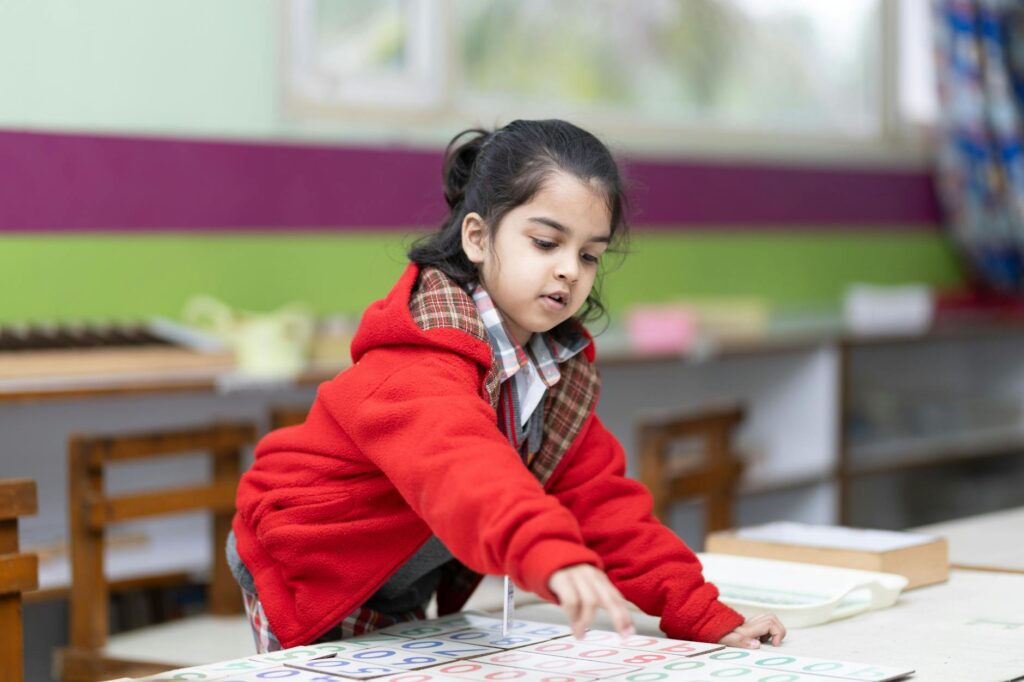
The physical layout of a care classroom plays a significant role in fostering its nurturing ethos. It’s about creating zones that support different types of activity and cater to varied needs, all within a cohesive and welcoming aesthetic.
Creating Zones for Learning and Calm
Effective care classroom design often incorporates distinct zones. These might include:
- Learning Hubs: Areas for focused academic tasks, possibly with group tables or individual workstations.
- Creative Stations: Spaces for art, construction, or imaginative play, equipped with relevant materials.
- Quiet Corners/Reading Nooks: Cosy, comfortable areas for relaxation, independent reading, or quiet reflection. These are crucial for emotional regulation.
- Sensory Zones: Areas designed to engage or calm the senses, perhaps with tactile elements, soft lighting, or calming sounds.
- Movement Areas: Spaces where children can engage in physical activity or channel excess energy constructively.
The arrangement should promote easy movement between zones while also offering clear visual cues for their purpose. Consider how the layout can support both structured learning and free exploration.
The Impact of Colour, Light, and Texture
Its aesthetic qualities profoundly influencs the sensory experience of the classroom. Soft, natural colours often promote a sense of calm, while strategic use of brighter colours can stimulate engagement in specific areas. Natural light is always preferable, supplemented by adjustable artificial lighting that can be dimmed for quiet times or brightened for active tasks.
Incorporating a variety of textures—soft furnishings, natural wood elements, tactile materials—enhances the sensory richness of the space. This multi-sensory approach can make the environment more engaging and comforting for all children, particularly those with sensory processing differences. For example, a classroom with varied textures might include a rug for the reading nook, smooth wooden blocks, and soft cushions, offering different sensory inputs.
Flexible and Accessible Resources
Resources in a care classroom should be easily accessible to pupils, empowering them to choose their own activities and materials. This means storing items at child height, clearly labelling them (perhaps with both text and pictures for younger learners), and organising them in a way that makes sense to the children themselves.
Flexibility also extends to the resources themselves. Having multi-purpose materials that can be used in various ways—like building blocks that can be used for construction, imaginative play, or even mathematical exploration—enhances their value and encourages creative thinking. This aligns with the principles of Universal Design for Learning (UDL), ensuring resources can be used by a wide range of learners.
Teacher’s Role: Facilitator and Nurturer
In a care classroom, the teacher’s role evolves from a traditional instructor to a facilitator, guide, and primary nurturer. This shift is fundamental to the ethos of the environment.
Building Positive Relationships
The teacher is the linchpin for fostering positive relationships. This involves dedicating time to connect with each child individually, showing genuine interest in their lives, and responding with empathy to their emotional states. Simple acts, like greeting each pupil by name and with a warm smile, or taking a moment to listen to a child’s story, build crucial trust.
Teachers actively model and teach social-emotional skills. This includes demonstrating how to share, how to resolve conflicts constructively, and how to recognise and manage emotions. These are not just ‘soft skills’; they are foundational for academic success and life preparedness, as highlighted by the Centre for the Developing Child at Harvard University‘s research on the science of early learning.
Facilitating Learning Through Play and Inquiry
Play is recognised as a primary vehicle for learning, especially in early years education. Teachers in a care classroom observe children’s interests and play patterns, then strategically introduce resources and provocations that extend their learning. They don’t just ‘let children play’; they engage with them, ask open-ended questions, and help them articulate their discoveries.
This inquiry-based approach encourages critical thinking and problem-solving. Instead of providing direct answers, teachers guide pupils to find solutions themselves, fostering independence and resilience. For example, if children are struggling to build a stable structure, a teacher might ask, “What could we add to make it stronger?” rather than simply showing them how to do it.
Managing Behaviour with Care
Behaviour management in a care classroom is approached with understanding and empathy, rather than punitive measures. The focus is on understanding the underlying reasons for a child’s behaviour—which might stem from unmet needs, frustration, or a lack of skills—and teaching them more appropriate ways to communicate and regulate themselves.
Positive reinforcement is key. Praising effort, celebrating successes, and acknowledging positive behaviours helps to shape conduct. When challenging behaviours arise, teachers use these as teachable moments, working with the child to develop strategies for self-control and positive social interaction. This contrasts with purely disciplinary approaches, aiming instead for long-term development of self-regulation skills.
Implementing a Care Classroom Approach: Practical Steps
Transitioning to a care classroom model requires thoughtful planning and a commitment to the principles outlined. It’s a journey that involves the entire school community.
Step 1: Assess and Plan
Begin by evaluating the current classroom environment and practices. What aspects already align with the care classroom ethos? Where are the gaps? Involve staff, pupils (where appropriate), and parents in discussions about what a nurturing environment means for your specific setting. Develop a clear action plan, prioritising achievable changes.
Step 2: Redesign the Physical Space
Based on your assessment, begin to adapt the physical space. This might involve rearranging furniture to create zones, decluttering, introducing calming colours or textures, and ensuring resources are accessible and organised. Focus on creating inviting and comfortable spaces that encourage exploration and calm.
Step 3: Adapt Routines and Transitions
Introduce or refine daily routines to ensure predictability. Use visual aids for timetables and transitions. Establish clear expectations for behaviour and social interaction. Consistency is key for building a sense of security.
Step 4: Professional Development for Staff
Ensure all staff understand and are equipped to implement the care classroom principles. Provide training on child development, emotional intelligence, positive behaviour support, and inclusive practices. Collaborative planning and peer observation can be highly effective.
Step 5: Foster Positive Relationships
Actively prioritise building strong relationships with pupils. Dedicate time for one-on-one interactions, active listening, and validating emotions. Encourage peer relationships through cooperative activities and conflict resolution support. As of May 2026, professional development programmes focusing on trauma-informed care are increasingly integrated into teacher training to support this aspect.
Step 6: Involve Parents and Carers
Communicate the philosophy and benefits of the care classroom approach to parents and carers. Share how they can support these principles at home. Their partnership is invaluable in creating a consistent and supportive environment for the child across home and school.
Common Challenges and How to Overcome Them
Implementing a care classroom approach, while highly beneficial, can present challenges. Awareness and proactive strategies can help Handle these effectively.
Challenge: Limited Resources or Space
Many schools, particularly those in the state sector, face constraints on budget and physical space. The key is to be creative.
- Prioritise: Focus on the most impactful changes first. Sometimes rearranging existing furniture or decluttering can make a significant difference without cost.
- DIY and Recycled Materials: Use natural and recycled materials for sensory play or construction. Involve pupils in creating classroom resources.
- Phased Approach: Implement changes gradually over time as resources become available.
- Community Partnerships: Explore potential local partnerships for resources or expertise.
Challenge: Resistance to Change
Some staff, parents, or even pupils might be accustomed to more traditional teaching methods and resistant to adopting a new philosophy. Open communication and demonstrating the benefits are crucial.
- Clear Communication: Explain the ‘why’ behind the care classroom approach and its benefits for pupil development and learning outcomes.
- Professional Development: Provide staff with adequate training and ongoing support to build confidence and competence.
- Pilot Programmes: Consider trialling elements of the care classroom approach in a single room or year group initially to demonstrate success.
- Showcase Successes: Share positive feedback from pupils, parents, and staff, and highlight improvements in engagement and well-being.
Challenge: Balancing Care with Academic Rigour
A common concern is that focusing on care might detract from academic achievement. However, research consistently shows the opposite.
- Integrated Approach: Understand that emotional well-being is a prerequisite for effective learning. When children feel safe and supported, they are more receptive to academic challenges.
- Enquiry-Based Learning: Use the care classroom principles to drive academic exploration. Children are more motivated to learn when they feel their interests are valued and they have agency.
- Skill Development: Recognise that social-emotional skills are academic skills in their own right, essential for collaboration and problem-solving in all subjects.
The Long-Term Impact of a Care Classroom
Investing in a care classroom approach yields significant long-term benefits for pupils. Children who learn in such environments tend to develop stronger emotional intelligence, better resilience, and improved social skills. They are more likely to become confident, independent learners who approach challenges with a positive mindset.
And, a care classroom contributes to a more positive and collaborative school culture. When the well-being of every individual is genuinely prioritised, it fosters a sense of community and mutual respect that benefits everyone. This complete approach to education, prioritising the whole child, is increasingly recognised as the gold standard for preparing young people for the complexities of the 21st century.
Frequently Asked Questions
What is the primary goal of a care classroom?
The primary goal is to create a secure, supportive, and stimulating environment that prioritises the complete well-being—emotional, social, and physical—of every child, thereby enhancing their capacity for learning and development.
How does a care classroom differ from a traditional classroom?
A care classroom emphasizes emotional security, positive relationships, and child-led exploration. Traditional classrooms often focus more on direct instruction, standardised outcomes, and teacher-led activities, with less explicit focus on emotional well-being as a foundational element.
Is a care classroom only for early years?
While most strongly associated with early years and primary education, the principles of a care classroom can be adapted and beneficial for older pupils in secondary schools, particularly in addressing issues of well-being and engagement.
What role does play have in a care classroom?
Play is fundamental. It’s viewed as a primary vehicle for learning, exploration, and social-emotional development. Teachers use play to understand children’s interests and to introduce learning provocations.
How can I make my classroom more of a care classroom with limited budget?
Focus on creating a predictable routine, fostering positive teacher-pupil relationships, decluttering and organising existing resources, and using natural or recycled materials creatively for exploration and comfort. Consistent, caring interactions are free.
What are the benefits of a care classroom for pupils with SEND?
A care classroom’s emphasis on safety, predictability, sensory considerations, and individualised support creates an ideal environment for pupils with SEND. It helps reduce anxiety and provides a stable base for tailored learning interventions.
Conclusion
The care classroom is more than just an educational setting; it’s a commitment to fostering children’s overall development by prioritising their emotional security and sense of belonging. By integrating principles of safety, predictability, stimulation, positive relationships, flexibility, and inclusivity, educators can transform learning spaces into environments where children not only learn but also flourish.
The most impactful takeaway for educators looking to implement this approach is to start by focusing on building genuine, positive relationships with each child. This human connection is the bedrock upon which all other elements of a care classroom are built, creating a foundation of trust and security that empowers young learners to reach their full potential.
Last reviewed: May 2026. Information current as of publication; classroom design trends and pedagogical approaches may evolve.
Related Articles
- Jack Blues Bieber: The 2026 Fan Phenomenon Explained
- Lainya Shearer: Beyond the Headlines – 2026 Update
- The Boosie Fade: Your 2026 Guide to a Sharp Look
Editorial Note: This article was researched and written by the Class Room Center editorial team. We fact-check our content and update it regularly. For questions or corrections, contact us. Knowing how to address care classroom early makes the rest of your plan easier to keep on track.
Related read: The Modern Classroom: Design, Tech, and Trends for 2026.


