
Transforming Learning: The Essential Guide to Classroom Centres in 2026
This guide covers everything about classroom center. The modern classroom is no longer a monolithic space where every pupil sits passively. As of May 2026, educators are increasingly embracing dynamic learning environments, and central to this evolution are well-designed classroom centres. These dedicated zones, whether for literacy, maths, science, or creative play, are key for fostering engagement, supporting diverse learning styles, and enabling deeper understanding. This guide delves into why classroom centres are indispensable tools for UK teachers and how to implement them effectively.
Last updated: May 5, 2026
Why does every classroom whiteboard ghost within six months? While not directly about whiteboards, this question highlights a common frustration: static, uninspired learning spaces. Truly effective classroom centres go beyond mere furniture arrangement; they are thoughtfully curated areas that invite exploration and active participation, fundamentally changing how pupils interact with content and each other.
Key Takeaways
- Classroom centres create structured zones for focused activities, enhancing pupil engagement and catering to diverse learning styles.
- Effective centre setup requires careful planning of space, resources, and clear pupil expectations, aligning with pedagogical goals.
- Different types of centres, such as literacy, maths, science, and creative zones, offer varied learning opportunities and support curriculum delivery.
- Organisation and management are crucial for centres to function smoothly, minimising disruption and maximising learning time.
- As of 2026, incorporating digital tools and flexible furniture within centres further enhances their adaptability and effectiveness.
What Exactly Are Classroom Centres?
At their core, classroom centres are distinct areas within a single classroom, each designed for a specific type of learning activity or subject. They move away from the traditional rows of desks towards a more flexible, multi-purpose space. These centres might be labelled for ‘Reading Corner’, ‘Maths Manipulatives’, ‘Science Investigation’, ‘Art & Craft’, or ‘Writing Workshop’.
The intention is to provide pupils with dedicated spaces where they can engage with resources and tasks relevant to that particular focus. This structure helps pupils understand the purpose of each area and encourages them to move between zones with a clear objective. It’s about creating a mini-learning ecosystem within the larger classroom environment.
For instance, a Year 2 teacher in Manchester might set up a ‘History Detectives’ centre with old maps, replica artefacts, and information cards about local history, encouraging pupils to investigate and record their findings. This is far more engaging than simply reading a chapter from a textbook at their desk.
The Pedagogical Powerhouse: Why Centres Work
Strong pedagogical principles that drives the shift towards classroom centres align with modern educational thinking. They are not just about aesthetics; they are about actively supporting how children learn best.
One of the primary benefits is increased pupil engagement. When pupils have choice and agency over where and how they learn, their intrinsic motivation often soars. Centres provide this autonomy, allowing pupils to select an area that matches their current task or learning preference.
And, centres facilitate differentiation and cater to diverse learning needs. A well-equipped literacy centre, for example, can offer a range of books at different reading levels, audiobooks, and writing tools, allowing pupils to work at their own pace and in a style that suits them. This is crucial for supporting pupils with Special Educational Needs (SEND) or those who are gifted and talented.
According to the Education Endowment Foundation (EEF) (2023), strategies that promote active learning and provide pupils with opportunities for independent practice often have a significant impact on attainment. Classroom centres directly support these strategies by creating environments conducive to focused, hands-on work.
Types of Classroom Centres and Their Purpose
The variety of centres you can establish is limited only by your curriculum, space, and imagination. However, several core types are commonly found in UK primary and secondary schools:
Literacy Centres
These are often the most well-established. A literacy centre might include a cosy reading corner with comfortable seating and a diverse library of books, magazines, and comics. It can also feature a writing station with various writing implements, paper types, and prompts, or a word-building area with letter tiles and dictionaries.
The goal is to foster a love of reading and writing. For example, a Year 4 class might use their literacy centre to practise creative writing based on a story starter card, while Year 7 pupils might use it for peer-editing sessions on essays.
Maths Centres
Maths centres focus on making numeracy tangible and engaging. This could involve a ‘manipulatives zone’ with blocks, counters, scales, and measuring tools. A ‘problem-solving station’ might have puzzles, logic games, and mathematical challenges. A ‘data analysis’ centre could offer graph paper, calculators, and real-world data sets for pupils to interpret.
These centres help demystify maths by allowing pupils to explore concepts through play and practical application. A Key Stage 2 maths centre might have a collection of geometric shapes for pupils to build and analyse, reinforcing spatial reasoning skills.
Science and Investigation Centres
These centres encourage curiosity and empirical learning. They can house simple experiment kits, magnifying glasses, nature specimens (ethically sourced, of course), models, and scientific reference books. A ‘discovery table’ where pupils can explore new objects each week is a popular choice.
The focus here is on the scientific method: observation, hypothesising, experimenting, and concluding. A Year 5 science centre could be set up with materials to investigate plant growth, encouraging pupils to record their observations over several weeks.
Creative and Art Centres
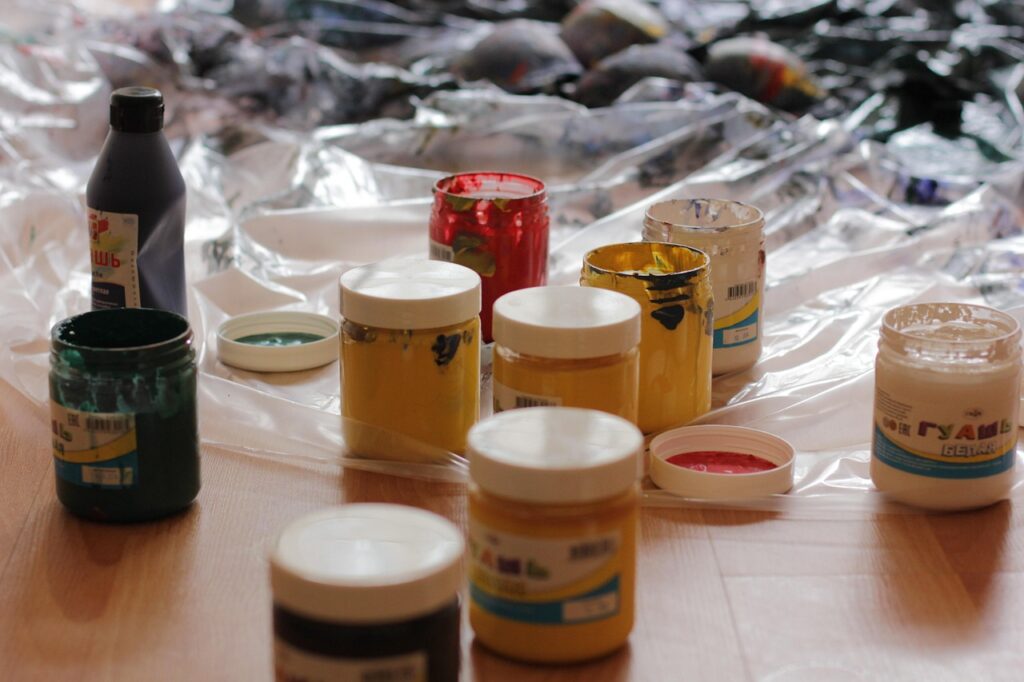
These zones nurture imagination and artistic expression. They might include easels, paints, clay, craft supplies, construction materials, or even a ‘role-play’ area with costumes and props for imaginative scenarios. A ‘maker space’ with tools for building and designing is also a growing trend.
These centres allow pupils to express understanding in non-verbal ways, develop fine motor skills, and explore different materials and techniques. A Key Stage 1 art centre could provide various textures of paper and collage materials for pupils to create a textured landscape.
Role-Play and Imaginative Centres
Particularly vital in Early Years Foundation Stage (EYFS) and Key Stage 1, these centres allow pupils to explore social scenarios, develop language, and practise emotional regulation. A ‘home corner’, ‘shop’, ‘doctor’s surgery’, or ‘space station’ can provide rich opportunities for learning through play.
Pupils learn to negotiate roles, follow narratives, and understand different perspectives. A Reception class might use a ‘post office’ centre to practise writing labels, sorting mail, and engaging in transactional language.
Setting Up Your Classroom Centres: A Practical Blueprint
Creating effective classroom centres requires more than just pushing desks to the walls. It’s a strategic process that involves planning, resource management, and clear communication with your pupils.
Define Your Goals and Curriculum Links
Before you buy a single crayon, consider what you want your centres to achieve. How do they support the National Curriculum objectives for your year group? Which subjects or skills will each centre target? Having clear learning goals will guide your choices for resources and activities.
For instance, if your Year 3 class needs to improve their understanding of fractions, you’ll want a maths centre equipped with fraction tiles, pizza cut-outs, and related problem cards.
Assess Your Space and Layout
The physical layout of your classroom is crucial. Measure your space and sketch out potential arrangements. Consider traffic flow – can pupils move between centres easily without disrupting others? Are there quiet corners for focused work and more open areas for collaborative activities?
Flexible furniture, such as modular tables or easily movable chairs, can be a major shift. As of 2026, many schools are investing in adaptable classroom furniture that can be reconfigured daily to suit different centre setups.
Gather and Organise Resources
Stock each centre with age-appropriate, high-quality resources. Think about durability, accessibility, and variety. Organise materials logically within each centre. Use clear labelling – pictures for younger pupils, words for older ones – to help pupils find and return items.
Consider a rotation system for certain resources to keep things fresh and manage wear and tear. For example, a ‘sensory bin’ might be refilled with different materials weekly.
Establish Clear Expectations and Routines
Pupils need to understand how to use the centres, what is expected of them, and how to transition between areas. Model the use of each centre, explain the rules (e.g., ‘one person at a time’, ‘clean up after yourself’), and establish clear routines for entering and leaving zones.
Visual timetables or centre rotation charts can be invaluable, especially for younger pupils or those with SEND. Explicitly teaching centre behaviour from the outset is key to minimising disruption. A simple hand signal or chime can indicate when it’s time to switch centres.
Consider Accessibility and Inclusivity
Ensure all centres are accessible to all pupils, including those with physical disabilities or learning differences. This might involve providing resources at different heights, offering alternative formats (e.g., audiobooks alongside physical books), or creating quiet zones within or near busy centres for pupils who need them.
For pupils with SEND, centres can be powerful tools for targeted intervention. A speech and language therapist might work with a small group at a specially equipped communication centre.
Managing Your Classroom Centres Effectively
Once established, centres require ongoing management to remain effective. It’s a dynamic process, not a set-and-forget arrangement.
Rotation Systems
Decide how pupils will move between centres. Options include teacher-led rotations (where the teacher signals when to move), pupil-led choices (where pupils move when they finish an activity, within limits), or a combination. The best approach often depends on the age group and the specific learning goals.
For younger pupils, teacher-led rotations ensure everyone experiences each centre. Older pupils might benefit from more choice, fostering independence. A common EYFS model involves free-flow access to most centres, with specific teacher-led activities in others.
Resource Management and Tidiness
Regularly check and replenish resources. Tidy centres are essential for functionality and to prevent materials from being lost or damaged. Involve pupils in the tidying process – it’s a valuable life skill.
A quick ‘end-of-session’ tidy-up routine, where pupils return materials to their designated spots, can save significant time and frustration. Consider having ‘centre monitors’ from among the pupils to help with organisation.
Assessment and Observation
Centres provide excellent opportunities for formative assessment. Observe pupils as they work in different zones. What strategies are they using? Where are they encountering difficulties? What are their interests? Use these observations to inform your future planning and interventions.
You might use checklists or anecdotal notes to track progress, particularly for specific skills being practised in a centre. For example, observing a pupil’s interaction with a maths manipulative can reveal their grasp of a concept.
Common Mistakes to Avoid
Even with the best intentions, some pitfalls can undermine the effectiveness of classroom centres:
- Overcrowding: Too many centres in a small space lead to chaos and distraction. Prioritise quality over quantity.
- Lack of Clear Purpose: Centres without a defined learning goal or connection to the curriculum become mere playtime distractions.
- Insufficient Resources: Centres that lack the necessary materials will quickly become unusable or frustrating for pupils.
- Poor Organisation: Messy, disorganised centres make it hard for pupils to find what they need and to clean up properly.
- No Pupil Training: Assuming pupils will automatically know how to use centres effectively without explicit instruction leads to chaos.
- Static Setups: Centres that never change can become boring. Rotate activities and resources regularly.
Integrating Technology into Classroom Centres
As of 2026, technology is increasingly integrated into classroom centres, adding another layer of engagement and functionality. This doesn’t mean every centre needs a screen, but thoughtful inclusion can be powerful.
A literacy centre might feature a tablet with reading apps, audiobooks, or digital storytelling tools. A maths centre could use interactive whiteboards for games or provide access to educational maths software. A science centre might use digital microscopes or data logging equipment.
The key is to ensure technology enhances, rather than detracts from, the learning objectives. It should be integrated seamlessly and supported by clear instructions for pupils. For example, a QR code at a history centre could link to a relevant online video or primary source document.
Real-World Examples in UK Schools
Across the UK, innovative educators are transforming their spaces. A reception class at a primary school in Bristol has a highly effective EYFS ‘Mud Kitchen’ centre, promoting sensory exploration, imaginative play, and early science concepts like measurement and material properties. They use real kitchen utensils and natural materials, fostering a deep connection with the environment.
In a secondary school in Glasgow, a ‘Digital Storytelling’ centre has been set up within the English department. Pupils use laptops, microphones, and basic video editing software to create their own narratives, podcasts, and short films based on literary texts. This centre supports curriculum aims in digital literacy, creative writing, and media studies, providing a hands-on way to engage with complex texts.
The impact is measurable. Teachers report increased participation from pupils who were previously disengaged, better retention of concepts, and a more positive classroom atmosphere. These centres are not just spaces; they are active learning tools.
Pros and Cons of Classroom Centres
Pros
- Enhanced pupil engagement and motivation.
- Supports differentiated instruction and caters to diverse learning styles.
- Promotes independence, autonomy, and self-directed learning.
- Facilitates hands-on, experiential learning.
- Improves classroom organisation and management of resources.
Cons
- Requires significant planning and preparation time.
- Can be noisy if not managed properly.
- Needs adequate space, which can be a challenge in smaller classrooms.
- Requires ongoing effort to maintain resources and update activities.
- Potential for off-task behaviour if expectations are not clear.
Expert Insights and Best Practices
To truly maximise the impact of classroom centres, consider these expert-level insights:
Start small and build: You don’t need to create ten centres overnight. Begin with one or two well-planned centres and gradually expand as you and your pupils become accustomed to the approach.
Involve your pupils: Ask pupils for their ideas on what centres they would like, what resources they need, and how they can help maintain them. This fosters a sense of ownership.
Rotate and refresh: Keep centres dynamic by changing the focus, resources, or activities regularly. This prevents boredom and allows you to target different curriculum areas over time. A ‘theme of the month’ can drive centre changes.
Connect centres to assessment: Use the activities within centres as opportunities for ongoing formative assessment. Observe, question, and record to understand pupil progress and inform your teaching.
Flexibility is key: Be prepared to adapt your centres based on pupil needs, curriculum changes, and available resources. What works for one year group may need tweaking for another.
Consider the ‘Quiet Zone’: For pupils who struggle with sensory overload or need a calm space, a designated quiet corner or break-out area within or near a centre can be invaluable. This is especially relevant for supporting SEND pupils.
According to Ofsted (2023), schools that create stimulating and well-organised learning environments often see improvements in pupil behaviour and attainment. Well-implemented classroom centres are a significant component of such environments.
Frequently Asked Questions
What is the main purpose of classroom centres?
The main purpose of classroom centres is to create structured, focused zones within a classroom dedicated to specific learning activities or subjects, thereby enhancing pupil engagement, promoting autonomy, and supporting diverse learning styles.
How many centres should I have in my classroom?
The ideal number of centres depends on your classroom size, the age of your pupils, and your curriculum goals. Starting with 2-4 well-managed centres is often more effective than having too many.
Are classroom centres suitable for all age groups?
Yes, classroom centres can be adapted for all age groups, from EYFS through to secondary school. The complexity of activities and resources, as well as the level of pupil autonomy, will vary significantly by age.
How do I manage noise levels in a classroom with centres?
Effective management strategies include setting clear expectations for voice levels, using visual cues for noise levels, establishing routines for transitions, and ensuring pupils understand the purpose of each centre.
What resources are essential for a literacy centre?
Essential resources include a diverse library of books, writing materials (pens, pencils, paper), word games, dictionaries, and possibly audio-visual aids like tablets for e-books or reading apps.
Can classroom centres support pupils with SEND?
Absolutely. Centres can be tailored to provide differentiated support, with specific resources, modified tasks, and quiet spaces to meet the unique needs of pupils with SEND.
Conclusion
Classroom centres are far more than a trendy pedagogical approach; they are a fundamental strategy for creating engaging, effective, and inclusive learning environments in 2026. By thoughtfully planning, organising, and managing these dedicated spaces, UK educators can empower pupils, deepen understanding across subjects, and cultivate a lifelong love of learning. The investment in time and resources for setting up and maintaining classroom centres pays dividends in pupil progress and classroom dynamism.
Last reviewed: May 2026. Information current as of publication; pricing and product details may change.
Source: edX
Editorial Note: This article was researched and written by the Class Room Center editorial team. We fact-check our content and update it regularly. For questions or corrections, contact us. Knowing how to address classroom center early makes the rest of your plan easier to keep on track.
Related read: Classroom Management for Middle School: Strategies for Success 2026.