
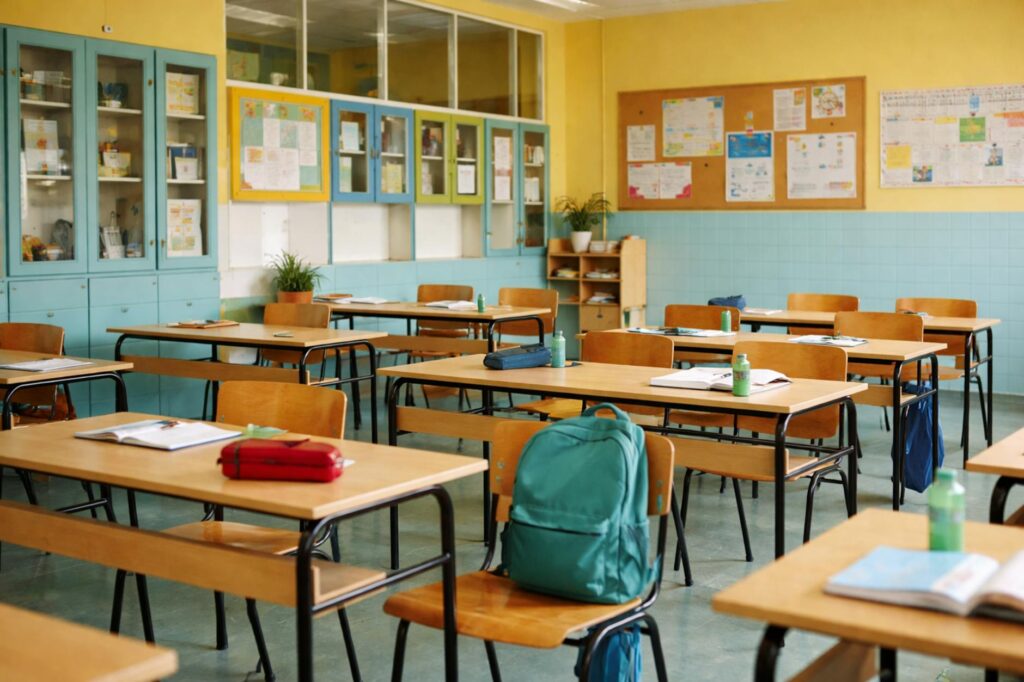
The Power of Visuals: Why Classroom Posters Still Matter in 2026
This guide covers everything about classroom posters. The first thing worth saying about classroom posters is that they remain an indispensable element of effective teaching, even in our increasingly digital world. As of May 2026, their impact on student engagement, motivation, and understanding is well-documented. Far from being mere wall adornments, well-chosen educational wall displays can transform a sterile room into a vibrant learning hub, reinforcing curriculum concepts and fostering a positive school culture. However, the challenge for many educators lies not in understanding their value, but in selecting and implementing them strategically.
Last updated: May 5, 2026
Key Takeaways
- Classroom posters are powerful visual aids that enhance learning, engagement, and classroom atmosphere.
- Strategic placement and relevance to the curriculum are crucial for maximizing their impact.
- Consider durability, size, and pupil age when selecting posters for different learning stages.
- From motivational quotes to subject-specific charts, a diverse range of posters serves multiple educational purposes.
- As of 2026, digital integration alongside physical displays offers new possibilities for interactive learning environments.
Beyond Decoration: The Educational Impact of Classroom Posters
Why do classroom posters continue to hold such sway in educational settings? It boils down to the fundamental principles of visual learning and cognitive engagement. Humans are inherently visual beings, and a significant portion of information is processed and retained through sight. Posters provide constant, passive reinforcement of key concepts, vocabulary, rules, and inspirational messages. This constant exposure helps to embed learning more deeply than a single lesson might achieve.
Consider a Year 7 math classroom in Birmingham. Without any visual cues beyond the textbook and whiteboard, students might struggle to retain formulas or understand abstract concepts. However, a well-placed poster detailing the order of operations (BODMAS/BIDMAS) or illustrating geometrical shapes serves as an ever-present prompt. This visual scaffolding supports students, particularly those who are visual learners or have special educational needs (SEND), aiding their comprehension and confidence.
According to research published by the Education Endowment Foundation (EEF) (2025), creating a stimulating and organised learning environment is a key factor in improving pupil attainment, especially for disadvantaged pupils. Classroom posters, when used thoughtfully, contribute significantly to this stimulating environment. They can break up monotony, introduce new topics visually, and even reflect the diverse cultures and backgrounds of the pupils within the classroom.
Types of Classroom Posters and Their Purpose
The sheer variety of classroom posters available means they can serve a multitude of educational functions. Understanding these categories helps educators make informed choices that align with their teaching objectives and the specific needs of their pupils.
Motivational and Inspirational Posters
These posters often feature quotes from influential figures, aspirational messages, or positive affirmations. Their primary goal is to foster a growth mindset, encourage perseverance, and boost overall student morale. For instance, a poster displaying quotes from figures like Malala Yousafzai or Sir David Attenborough can inspire pupils to think about their own potential and impact. These are particularly effective in secondary school settings where students are navigating more complex personal and academic challenges.
Subject-Specific Educational Posters
These are the workhorses of classroom visuals, directly supporting the curriculum. They might include:
- Science: Periodic tables, diagrams of the human body, lifecycle charts (e.g., butterfly, plant).
- Mathematics: Multiplication tables, geometry guides, number lines, formula charts.
- English: Parts of speech, literary device explanations, spelling charts, punctuation guides.
- History/Geography: Timelines, maps, key event summaries, biographical overviews.
- Languages: Vocabulary charts, grammar rules, common phrases.
A poster demonstrating the scientific method, for example, can be invaluable in a science lab, providing a clear, step-by-step visual guide for practical experiments. These posters should be accurate, up-to-date, and visually clear to avoid confusion.
Behavioural and Classroom Management Posters
Essential for establishing a structured and respectful learning environment, these posters outline classroom rules, expectations for behaviour, or routines. They serve as constant reminders, reducing the need for verbal redirection. A poster detailing the ‘Golden Rules’ for a primary school class, or a visual timetable for younger pupils, can significantly smooth daily operations. For instance, a poster showing a clear walkway system or designated quiet zones can help manage movement and noise levels effectively.
General Classroom Environment and Decor Posters
Beyond specific learning objectives, posters can simply make a classroom a more welcoming and stimulating place to be. This category includes decorative elements, inspirational artwork, or posters celebrating diversity and inclusion. A display celebrating different cultural holidays or showcasing artwork created by pupils themselves can foster a sense of belonging and community.
Choosing the Right Classroom Posters: A Practical Guide for 2026
Selecting the most effective classroom posters requires careful consideration of several factors. It’s not simply a matter of picking the prettiest design; pedagogical value and practical application must guide the decision-making process.
Consider Your Target Age Group and Key Stage
The needs of EYFS (Early Years Foundation Stage) pupils differ vastly from those in Year 11 preparing for GCSEs. Younger children benefit from bright colours, large, simple images, and straightforward text. For instance, a poster showing animal sounds for Reception class is ideal. Older students, however, might respond better to more detailed diagrams, complex information, or text-heavy motivational quotes. A poster detailing A-level physics principles would be inappropriate for Key Stage 1.
Curriculum Relevance and Learning Objectives
The most impactful posters are those directly linked to what is currently being taught or what needs reinforcement. A poster on the water cycle is most useful when the class is studying weather patterns or environmental science. Avoid cluttering walls with outdated or irrelevant information. Think about how the poster supports specific learning goals for the term or academic year.
Poster Size, Placement, and Visibility
Size matters. A small poster lost on a large wall will have little impact, while an oversized poster can dominate a space and obscure other important information. Consider the dimensions of your classroom walls and furniture. Placement is equally critical. Posters should be at an appropriate height for the intended audience – eye-level for younger children, perhaps higher or on specific display boards for older students. Ensure they are visible from most points in the room without causing glare from windows or lights.
Durability and Material Quality
Classroom posters are often subjected to wear and tear. Consider the material. Laminated posters are more durable and easier to clean than standard paper. For high-traffic areas or posters intended for long-term display, materials like vinyl or even more strong display boards might be a worthwhile investment. For instance, a porous paper poster might be cheaper initially, but it’s prone to tearing and fading, requiring frequent replacement. Porcelain-enamel steel boards, while a larger initial outlay, can last for decades.
Cost and Budget Considerations
As of May 2026, schools in the UK operate under varying budget constraints. While some schools have dedicated budgets for classroom resources, others rely on departmental funds or even teacher contributions. Standard printed posters can range from £5 to £20, depending on size and quality. Laminated versions might cost £15-£35. More durable, reusable options, such as magnetic whiteboards with printed overlays, can represent a higher upfront cost but offer long-term value.
Integrating Digital and Physical Displays in 2026
The modern classroom often blends physical resources with digital tools. This integration can enhance the utility of classroom posters. Interactive whiteboards (IWBs) or digital displays can project dynamic versions of posters, allowing for interactive elements. For example, a digital periodic table poster could allow pupils to click on elements to reveal detailed information, properties, and even videos. This approach leverages the accessibility of physical displays while adding the engagement potential of digital media.
Some educators are also using QR codes on physical posters. Scanning a code might link to a supplementary video, a quiz, or an external resource from a reputable site like the BBC Bite size archive. This bridges the gap between static visuals and the vast resources available online, making the poster a gateway to deeper learning. According to a report on EdTech trends (We Are Teachers, 2026), blended learning approaches that combine physical and digital elements are becoming the norm in forward-thinking schools.
Where to Find and Create Effective Classroom Posters
The market for classroom posters is extensive, offering both ready-made solutions and avenues for customization.
Commercial Suppliers and Online Retailers
Numerous educational suppliers and general online retailers offer vast catalogues of classroom posters. Websites like Amazon, eBay, and specialist educational resource sites (e.g., TTS Group, Hope Education in the UK) provide a wide selection. These options are convenient and often offer competitive pricing. You can filter by subject, age group, and even specific curriculum links.
School and Departmental Resources
Many schools maintain a library of posters or have display boards where teachers can share resources. Within multi-academy trusts (MATs), there might be central purchasing agreements or shared resource banks that include posters. Checking with your headteacher or department lead can reveal existing assets and procurement channels.
Creating Your Own Classroom Posters
For a truly bespoke solution, creating your own posters offers maximum control. This is particularly useful for highly specific topics or to incorporate pupil work. Tools like Canva, Adobe Spark, or even Microsoft Word/Publisher offer user-friendly interfaces for designing posters. You can incorporate unique visuals, tailor the language precisely, and print them locally. This can be a cost-effective strategy, especially for smaller or highly specialised displays.
When designing your own, remember the principles of good visual design: clear fonts, sufficient contrast, uncluttered layout, and relevant imagery. Printing on quality card stock and laminating at a local print shop or using a school laminator will enhance durability.
Common Mistakes to Avoid with Classroom Posters
While posters are beneficial, misusing them can render them ineffective or even detrimental. Awareness of common pitfalls can help educators maximise their value.
The Clutter Conundrum
One of the most frequent mistakes is over-decorating. A wall plastered with too many posters, regardless of their individual merit, creates visual noise. This can overwhelm pupils, making it difficult for them to focus on specific information or the teacher. It also detracts from the overall learning environment rather than enhancing it. Aim for quality over quantity, with well-spaced, relevant displays.
Outdated or Inaccurate Information
Educational content evolves. A poster containing factual errors or using outdated terminology (e.g., an old map, an obsolete scientific model) can mislead pupils and undermine the teacher’s credibility. Regularly review your classroom displays for accuracy and relevance. For example, a historical timeline should reflect current academic consensus, and scientific diagrams must be precise. According to Ousted guidelines, the learning environment should support accurate curriculum delivery.
Ignoring Pupil Engagement
Posters that are too complex, too small, or simply uninteresting to the target age group will be ignored. A poster intended to motivate, but written in dense, academic prose, will likely fail. Similarly, posters that don’t reflect the pupils’ experiences or interests may not resonate. Interactive elements, pupil-generated content, or visually engaging designs are key.
Poor Placement and Maintenance
A poster hidden behind a door, in a dark corner, or at a height that requires straining to see is effectively useless. Likewise, dog-eared, faded, or peeling posters create a sense of neglect, which can negatively impact the classroom atmosphere. Regular maintenance, ensuring posters are securely fixed and in good condition, is essential.
Expert Tips for Maximizing Poster Impact
To truly harness the power of classroom posters, consider these expert-driven strategies.
Rotate and Refresh Displays
Keep displays fresh and relevant by rotating posters throughout the academic year. As new topics are introduced or old ones revisited, update the visual aids accordingly. This prevents posters from becoming invisible background noise and signals to pupils that the learning environment is dynamic and responsive to their studies. This practice also aligns with principles of maintaining an engaging learning environment, as recommended by many educational bodies.
Involve Pupils in Poster Creation and Selection
Empower your pupils by involving them in the process. Ask them to research and design posters for specific topics, or to vote on which motivational posters they find most inspiring. This not only increases their buy-in and ownership of the classroom space but also reinforces their learning through active participation. For instance, a Year 5 class could collaboratively design a poster illustrating key vocabulary for their current English unit, leading to deeper understanding and retention.
Use Posters as Teaching Tools
Don’t just hang posters and forget them. Actively integrate them into your lessons. Refer to them, ask questions about them, and use them as prompts for discussion or writing activities. A geography teacher might use a large world map poster to locate countries discussed in the news, or a math teacher might use a fraction wall poster for a quick class quiz. This active referencing turns static visuals into dynamic teaching resources.
Consider Themed Displays
Create temporary, themed displays around specific events, subjects, or literacy initiatives. During Black History Month, for example, display posters featuring influential Black figures in history, science, and the arts. For World Book Day, showcase posters related to popular children’s literature. These focused displays can add excitement and educational depth to the learning environment for a specific period.
FAQ: Your Classroom Poster Questions Answered
What is the primary benefit of using classroom posters?
The primary benefit is enhanced visual learning and engagement. Posters provide constant, accessible reinforcement of key information, vocabulary, and concepts, supporting memory retention and making learning more dynamic.
How often should I update my classroom posters?
It’s advisable to update or rotate posters at least termly, or whenever new curriculum topics are introduced. This keeps displays fresh, relevant, and prevents them from becoming overlooked background elements.
Can posters help improve pupil behaviour?
Yes, behaviour-focused posters that clearly outline expectations, rules, and positive reinforcement strategies can serve as constant visual reminders, subtly guiding pupil conduct.
What are the best classroom posters for younger children (EYFS/Key Stage 1)?
For younger children, opt for bright, colorful posters with large, simple images, clear text, and familiar themes like animals, numbers, letters, or basic emotions. Interactive elements or textures can also be beneficial.
Are there specific regulations regarding posters in UK classrooms?
While there are no explicit regulations on poster content, displays must align with curriculum aims, promote positive values, and contribute to a safe and inclusive learning environment, as overseen by bodies like Ousted.
Where can I find free printable classroom posters?
Many educational websites, teacher resource platforms, and even subject-specific organisations offer free printable posters. Always check the terms of use and ensure the content is accurate and age-appropriate.
How do I ensure my posters are durable?
Choose posters printed on thick card stock or vinyl. Laminating them is highly recommended for protection against spills, tears, and fading, significantly extending their lifespan in a busy classroom environment.
Conclusion: A Small Change for a Big Impact
Classroom posters, when selected and used with intention, are far more than just decorative items. They are powerful, cost-effective tools that can significantly enhance the learning experience, foster motivation, and support curriculum delivery. By considering age appropriateness, relevance, quality, and strategic placement, educators can transform their classrooms into more engaging, informative, and inspiring spaces. As we look ahead, the thoughtful integration of visual aids like posters will continue to be a hallmark of effective teaching practice in 2026 and beyond.
Last reviewed: May 2026. Information current as of publication; pricing and product details may change.
Source: Britannica
Editorial Note: This article was researched and written by the Class Room Centre editorial team. We fact-check our content and update it regularly. For questions or corrections, contact us. Knowing how to address classroom posters early makes the rest of your plan easier to keep on track.
Frequently Asked Questions
What is classroom posters?
classroom posters is a topic that many people search for. This article provides a thorough overview based on current information and expert analysis available in 2026.
Why does classroom posters matter?
Understanding classroom posters helps you make better decisions. Whether you’re a beginner or have some experience, staying informed on this topic is genuinely useful.
Where can I learn more about classroom posters?
We recommend checking authoritative sources and official websites for the most current information. This article is regularly updated to reflect new developments.


