
The Evolving Definition of Educational Technology
This guide covers everything about what is educational technology. At its core, educational technology is about using technological advancements to solve educational problems and improve learning efficiency. This isn’t just about new gadgets; it’s about how we thoughtfully integrate these tools to achieve specific pedagogical goals. Think of it as the intentional use of any tool or device to facilitate learning.
Last updated: May 1, 2026
For instance, a simple calculator used to teach arithmetic is a form of educational technology. However, as of 2026, the field has dramatically expanded to include complex software, virtual reality simulations, and AI-powered tutoring systems. According to the U.S. Department of Education (2025), edtech is crucial for preparing students for a digitally-driven world.
Why is Educational Technology Important Now?
The importance of edtech has never been clearer. In 2026, classrooms are more diverse than ever, with students possessing varied learning styles, paces, and needs. Edtech provides the flexibility to cater to these differences, making education more inclusive and effective. It empowers teachers with data to understand student progress in real-time.
This technology allows for differentiated instruction, providing students with content tailored to their comprehension levels. Plus, it prepares students for future careers, where digital literacy and proficiency with various software tools are no longer optional but essential. A report from the National Education Association (2025) highlighted that edtech can significantly reduce achievement gaps when implemented equitably.
Key Components of Modern Educational Technology
Educational technology is a broad field, but several key components define its current landscape as of May 2026. These are the building blocks that educators and institutions use.
Learning Management Systems (LMS)
An LMS, like Canvas or Google Classroom, acts as a central hub for course materials, assignments, communication, and grading. It streamlines administrative tasks for teachers and provides students with a single point of access for their learning. According to a survey by Educause (2025), over 90% of higher education institutions use an LMS.
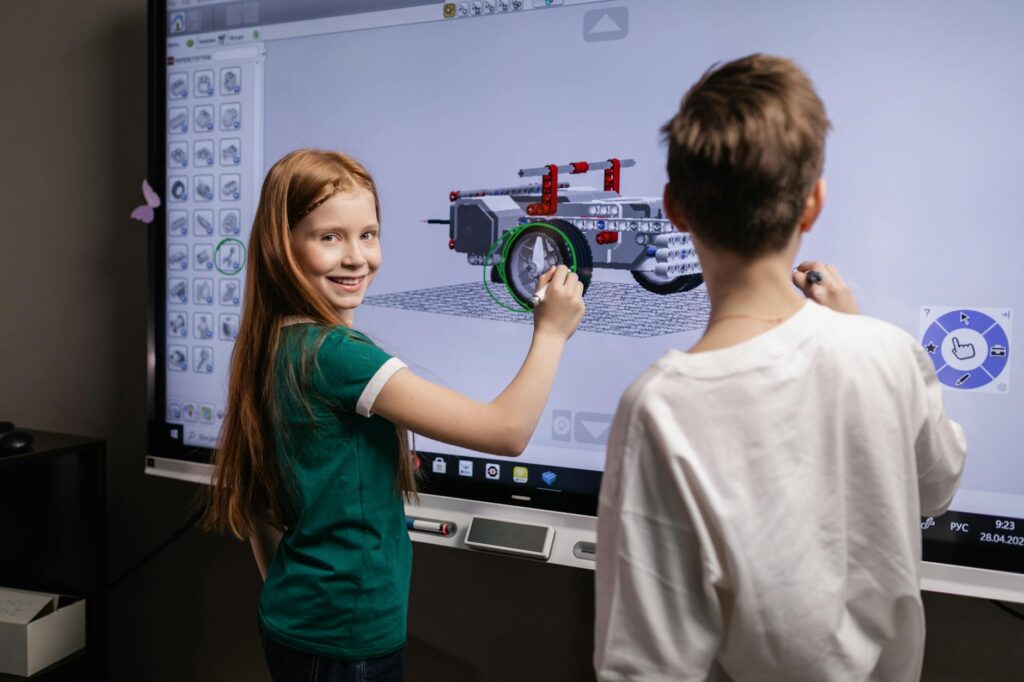
Interactive Whiteboards and Displays
These dynamic displays have replaced traditional chalkboards and static whiteboards. They allow for real-time annotation, multimedia integration, and interactive exercises. A 75-inch interactive flat panel display, for example, might range from $1,500 to $4,000 depending on brand and features in 2026.
Educational Software and Apps
This category includes everything from subject-specific learning apps (e.g., math games, language learning tools) to productivity software (e.g., presentation tools, graphic design software). These tools can make complex subjects more engaging and understandable.
Virtual and Augmented Reality (VR/AR)
VR and AR are transforming immersive learning. Students can explore historical sites, dissect virtual organisms, or practice complex procedures in safe, simulated environments. What is educational technology offers experiential learning that was previously impossible or prohibitively expensive.
AI-Powered Learning Tools
Artificial intelligence is increasingly used for adaptive learning platforms that adjust difficulty based on student performance, automated grading, and personalized feedback. AI tutors can provide instant support, freeing up teacher time for more complex interventions.
How Educational Technology Enhances Learning
The integration of edtech offers numerous advantages that directly impact student success. It’s not just about novelty; it’s about measurable improvements in engagement and understanding.
Personalized Learning Paths
Edtech enables educators to create individualized learning experiences. Adaptive software can identify a student’s strengths and weaknesses, then provide targeted content and exercises. This ensures each student receives the support they need to progress at their own pace.
Increased Student Engagement
Interactive tools, gamification, and multimedia content capture students’ attention more effectively than traditional methods. When students are actively involved and find learning enjoyable, their retention and comprehension improve significantly.
Data-Driven Insights
Digital platforms generate vast amounts of data on student performance. Teachers can use this information to identify learning trends, pinpoint areas where students struggle, and adjust their teaching strategies accordingly. This data allows for more informed pedagogical decisions.
Accessibility and Flexibility
Edtech can break down geographical and physical barriers to education. Online courses, digital textbooks, and assistive technologies make learning accessible to students with disabilities or those in remote locations. Students can often access materials anytime, anywhere, fostering a more flexible learning environment.
Practical Examples of Edtech in Action
Seeing edtech in practice makes its benefits tangible. Here are a few concrete examples from classrooms as of May 2026:
- Elementary Math: A first-grade class uses an adaptive math app like Prodigy Math Game. The app adjusts the difficulty of math problems based on each child’s performance, providing immediate feedback. This keeps lessons challenging but not overwhelming, fostering confidence.
- High School Biology: A biology teacher uses a VR headset to take students on a virtual tour inside a human cell. Instead of just reading about organelles, students can virtually explore their structure and function, leading to deeper understanding and retention.
- University History: A university history course uses a digital archive platform that allows students to access primary source documents, maps, and historical recordings. They can then collaborate on analyzing these sources using online annotation tools and discussion forums.
Challenges and Considerations for Edtech Implementation
While the benefits are clear, adopting educational technology isn’t without its hurdles. Addressing these challenges is key to successful integration.
The Digital Divide
Ensuring equitable access to devices and reliable internet is a significant challenge. Not all students have the same resources at home, which can exacerbate existing inequalities. Schools must consider providing devices or access points for disadvantaged students. According to the Pew Research Center (2025), approximately 10-15% of US households still lack consistent broadband internet access, impacting homework and remote learning.
Teacher Training and Professional Development
Effective edtech use requires teachers to be comfortable and proficient with the tools. Insufficient training can lead to underutilization or misuse of technology. Ongoing professional development that focuses on pedagogical integration, not just technical skills, is crucial.
Data Privacy and Security
Collecting student data raises important privacy and security concerns. Educational institutions must have strong policies in place to protect sensitive information and comply with regulations like COPPA and GDPR. Parents and students need to be informed about how their data is used.
Cost and Sustainability
Implementing and maintaining edtech can be expensive. Schools need to budget not only for initial hardware and software purchases but also for ongoing licenses, maintenance, and upgrades. A complete long-term plan is essential for sustainability.
Tips for Successful Edtech Integration
To harness the full potential of educational technology, consider these practical tips:
- Start with Pedagogy, Not Technology: Always begin by identifying your learning objectives. Then, select the technology that best supports those goals. Don’t adopt technology for its own sake.
- Provide strong Training: Offer continuous, job-embedded professional development for teachers. Focus on how technology can enhance specific teaching strategies.
- Foster Collaboration: Encourage teachers to share best practices and collaborate on edtech integration strategies. Peer learning can be incredibly effective.
- Involve Stakeholders: Include students, parents, and administrators in the decision-making process regarding edtech adoption. Their input is invaluable.
- Evaluate and Iterate: Regularly assess the effectiveness of your edtech tools. Be willing to adapt or change tools based on student outcomes and feedback.
A unique insight often overlooked is the importance of digital citizenship education alongside edtech tools. Teaching students about online safety, responsible use, and digital etiquette is as critical as teaching them how to use the tools themselves. This complete approach ensures technology serves education ethically and effectively.
Frequently Asked Questions
What is the primary goal of educational technology?
The primary goal of educational technology is to improve teaching and learning outcomes by integrating digital tools and resources. It aims to make education more personalized, engaging, accessible, and efficient for both students and educators.
How does edtech benefit students?
Edtech benefits students by offering personalized learning experiences, increasing engagement through interactive content, providing access to a wider range of resources, and developing essential digital literacy skills needed for the future.
What are some examples of free educational technology tools?
Many valuable free edtech tools exist, including Google Classroom, Khan Academy, Quizlet, Kahoot! (basic version), and various open-source learning platforms. These resources can significantly enhance learning without incurring costs.
Is all technology used in schools considered educational technology?
Not necessarily. Educational technology specifically refers to technology used with the intent to enhance teaching and learning processes. General IT infrastructure like school networks or administrative software, while important, isn’t always considered edtech.
What is the difference between educational technology and instructional technology?
While often used interchangeably, educational technology is broader, encompassing the study and ethical practice of facilitating learning and improving performance by creating, using, and managing appropriate technological processes and resources. Instructional technology is often seen as a subset focusing more narrowly on the design and development of instructional materials.
How can schools ensure equitable access to educational technology?
Schools can ensure equity by providing devices (laptops, tablets) to students who need them, securing reliable internet access through school programs or community partnerships, and offering offline learning options where digital access is limited.
The Future of Edtech
As we look ahead, educational technology will continue to evolve rapidly. Advances in AI, virtual reality, and personalized learning algorithms promise even more sophisticated and effective tools. The focus will likely remain on how to use these technologies to foster critical thinking, creativity, and lifelong learning in an ever-changing world.
Ultimately, the successful integration of educational technology hinges on thoughtful planning, strong teacher support, and a clear vision for how technology can serve the fundamental human goal of education. The key is to remember that technology is a tool to enhance, not replace, effective teaching and meaningful human connection in the classroom.
Actionable Takeaway: Begin by identifying one specific learning objective in your classroom and explore one edtech tool that could authentically support it, starting small to build confidence and efficacy.
Source: edX
Editorial Note: This article was researched and written by the Class Room Center editorial team. We fact-check our content and update it regularly. For questions or corrections, contact us.
Related read: Classroom Centres: Essential Hubs for Learning in 2026. For readers asking “What is educational technology”, the answer comes down to the specific factors covered above.


