
Classroom signs: The Strategic Power of Classroom Signs in 2026
This guide covers everything about classroom signs. Classroom signs are an indispensable element of any effective learning environment, serving as silent yet powerful communicators. By April 2026, educators recognise their complex role: from establishing clear expectations and fostering a sense of community to reinforcing academic concepts and ensuring safety. Far beyond mere decoration, strategically placed and thoughtfully designed signs actively shape student behaviour, enhance engagement, and contribute to a positive, organised classroom culture.
Last updated: May 1, 2026
- Classroom signs are critical for setting expectations, reinforcing learning, and cultivating a positive school culture as of 2026.
- Effective signs enhance student engagement, improve classroom management, and support safety protocols.
- Choosing the right signs involves considering age group, learning objectives, and the overall classroom aesthetic.
- Signs promoting positive behaviour and academic concepts can significantly impact student outcomes.
- Regular review and updating of classroom signs ensure their continued relevance and effectiveness.
Defining the Purpose: What Classroom Signs Accomplish
At their core, classroom signs are visual cues designed to convey specific information or reinforce a particular message. Their purpose is not singular but broad, encompassing pedagogical, managerial, and environmental goals. For instance, a sign depicting the steps for a science experiment can guide students through a complex process independently. Similarly, a “Quiet Zone” sign can help manage noise levels during focused work periods.
Consider a kindergarten classroom where visual aids are paramount. Signs illustrating the alphabet, numbers, or daily routines (like “Morning Meeting,” “Story Time”) provide essential scaffolding for young learners still developing literacy skills. This visual support reduces reliance on verbal instructions, empowering children to handle their day more autonomously. The practical insight here is that signs should directly support immediate learning objectives and student independence.
Types of Classroom Signs and Their Functions
The spectrum of classroom signs is vast, each type fulfilling distinct roles within the educational space. Understanding these categories helps educators select the most impactful visuals for their specific needs.
Behavioural and Rules Signs
These signs are foundational for establishing a predictable and respectful classroom atmosphere. They clearly articulate expectations for student conduct, promoting positive behaviours and deterring disruptions. Examples include “Raise Your Hand to Speak,” “Be Kind,” “Listen When Others Speak,” and “Follow Directions.” According to research on positive behavioural interventions and supports, consistent visual reminders can significantly reduce disciplinary incidents by making expectations explicit and accessible. A practical insight is to keep these signs concise, clear, and visually appealing, perhaps using simple icons alongside text for younger students.
Academic and Instructional Signs
These signs directly support the learning process. They can feature vocabulary words, mathematical formulas, historical timelines, scientific diagrams, or grammar rules. For example, a “Word Wall” sign in an English Language Arts classroom helps students access new vocabulary. In a math class, a “Multiplication Chart” sign acts as a readily available reference tool. The University of Nevada, Reno’s College of Education has highlighted how well-organised visual displays, including instructional signs, improve information retention and recall. Educators should ensure these signs are relevant to current learning units and are placed at eye level for easy access.
Organizational and Directional Signs
Essential for a well-managed classroom, these signs help students Handle the physical space and understand where materials belong. Examples include “Supply Station,” “Reading Corner,” “Group Work Area,” and “Turn In Homework Here.” These signs reduce clutter and save valuable instructional time by making it clear where things go and where activities should take place. A school district in Texas, as reported by Houston Public Media in April 2026, faced challenges with student flow and organisation, underscoring the need for clear directional signage even in common areas, which translates directly to classroom management. The practical benefit is a more efficient and less chaotic learning environment.
Welcome and Inspirational Signs
These signs foster a sense of belonging and create an inviting atmosphere. “Welcome to Our Classroom!” banners, inspirational quotes, or student-created artwork displayed with accompanying labels contribute to a positive emotional climate. A study published by the National Association of Elementary School Principals (NAESP) noted that a welcoming environment is linked to increased student motivation and a stronger sense of community. As of 2026, many schools are focusing on diversity and inclusion, making signs that celebrate different cultures or backgrounds particularly impactful.
Safety and Emergency Signs
Crucial for preparedness, these signs provide vital information during emergencies. This includes “Fire Exit,” “First Aid Station,” and “Emergency Evacuation Plan” posters. According to FEMA guidelines, clear and visible signage is paramount for ensuring the safety of students and staff. Educators must ensure these signs are prominently displayed, up-to-date, and understood by all students. The Phoenix school for blind children highlighted in 12News on April 29, 2026, demonstrates how adapting signage, including tactile elements, is key to independence and safety for all learners.
Designing Effective Classroom Signs: Key Considerations
Creating signs that are both aesthetically pleasing and highly functional requires careful planning. The goal is to make information immediately accessible and engaging without overwhelming the space.
Target Audience and Age Appropriateness
The design and content of signs must align with the age and developmental stage of the students. For younger children (preschool to early elementary), bold colours, large fonts, and clear pictograms are essential. Older students can benefit from more sophisticated designs and text-heavy information, such as detailed graphic organizers or complex inspirational quotes. For example, a kindergarten classroom might use simple picture cues for “line up,” while a secondary school physics class could display a detailed diagram of Newton’s laws.
Clarity, Conciseness, and Readability
Effective signs communicate their message quickly. Avoid jargon, lengthy sentences, or overly complex graphics. Use high-contrast colours and easy-to-read fonts like Arial, Calibri, or Open Sans. Ensure adequate spacing between letters and words. A common mistake is cramming too much information onto a single sign, rendering it ineffective. Practical insight: Test your signs by asking someone unfamiliar with the context to interpret them.
Placement and Visibility
Strategic placement is crucial for a sign’s effectiveness. Instructional charts should be at eye level. Directional signs need to be visible from key vantage points. Safety signs must be impossible to miss. Consider the natural flow of traffic within the classroom and where students are likely to look for information. For example, behavioural expectation signs are often placed near the classroom entrance or in a central, highly visible area.
Durability and Maintenance
Classroom signs should be durable enough to withstand daily wear and tear. Laminating printed signs or using sturdy materials like foam board or acrylic can significantly extend their lifespan. Regular checks ensure signs remain legible, clean, and securely attached. Faded, peeling, or damaged signs detract from the classroom’s professionalism and can undermine their intended message.
Visual Appeal and Classroom Theme
While functionality is key, signs also contribute to the overall classroom aesthetic. They can tie into a specific theme (e.g., space, nature, jungle) or simply create a welcoming and stimulating visual environment. Cohesive colour palettes and consistent design elements make the classroom feel more organised and intentional. However, visual appeal should never compromise clarity or readability. The visual clutter from too many competing signs can be counterproductive.
Implementing Classroom Signs for Enhanced Learning and Management
The true power of classroom signs lies in their intentional integration into the daily educational experience. They should actively support teaching and learning, not just passively decorate walls.
Reinforcing Instructions and Procedures
Beyond basic rules, signs can guide students through multi-step processes. Imagine a “Science Lab Procedure” sign outlining steps for using equipment safely, or a “Writing Process” sign detailing brainstorming, drafting, revising, and editing stages. This reduces the need for constant verbal redirection, freeing up teacher time for more targeted instruction. For example, the “Hate Has No Home Here” poster controversy in Ohio, reported by Forbes on April 24, 2026, highlights how deeply messages conveyed by signs can resonate and impact the school’s climate, underscoring the importance of thoughtful content selection.
Fostering a Growth Mindset
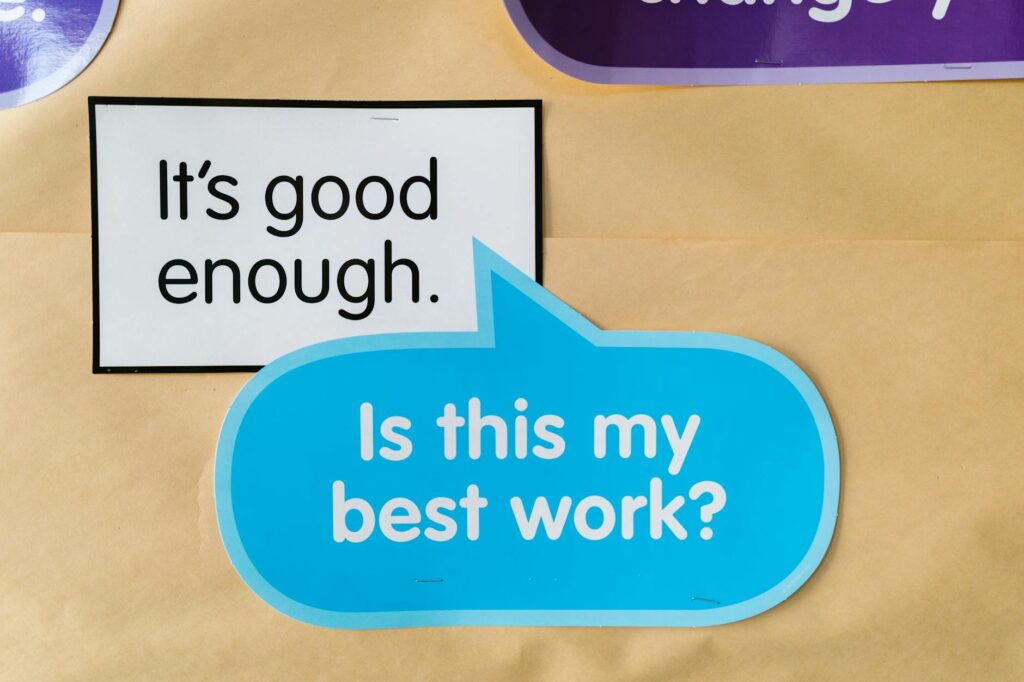
Inspirational quotes and phrases can powerfully influence student attitudes. Signs displaying messages like “Mistakes are Proof You Are Trying,” “Challenge Yourself,” or “Learning Takes Practice” can encourage resilience and a proactive approach to challenges. As of April 2026, the emphasis on social-emotional learning (SEL) makes these types of signs even more critical for building student confidence and a positive self-perception.
Supporting Diverse Learners
Visual aids are invaluable for students with diverse learning needs, including English language learners (ELLs) and students with learning disabilities. Bilingual signs, picture dictionaries, or visual schedules provide crucial support. For students with attention deficits, clear, uncluttered signs can help maintain focus. The focus on independence for blind children in Phoenix shows how signs, even tactile ones, are essential for all learners to access information.
Creating a Sense of Community and Belonging
Signs that celebrate student achievements, display student work, or feature inclusive messages can significantly boost morale. A “Student Spotlight” sign or a “Classroom Jobs” board helps students feel valued and connected. This sense of belonging is a key predictor of academic success and overall well-being. As Governor Mills celebrated budget provisions boosting Maine teacher pay on April 27, 2026, the underlying goal is supporting educators in creating positive learning environments, where signs play a role.
Unique Insights: Beyond the Basics of Classroom Signage
While many guides cover the fundamental types and placement of classroom signs, truly maximizing their impact requires a deeper understanding of their psychological and pedagogical effects. As of 2026, several advanced considerations are emerging.
The Psychology of Colour and Font Choice
The colours and fonts used in signage aren’t merely aesthetic choices; they influence mood and perception. Blues and greens often evoke calmness and focus, while yellows and oranges can stimulate energy and creativity. Similarly, serif fonts might appear more formal, while sans-serif fonts are generally perceived as more modern and readable. For instance, using a calming blue for a “Focus Zone” sign can reinforce its purpose. According to the American Psychological Association, colour psychology plays a significant role in environmental design, impacting mood and cognitive function. This is an area many educators overlook, focusing only on content.
Interactive and Digital Signage
While traditional printed signs remain effective, digital displays and interactive elements are becoming more prevalent. Smart boards can host dynamic signs that change throughout the day, display student work in real-time, or even incorporate QR codes linking to additional resources. Imagine a sign for a “Current Events” board that updates daily via a teacher’s input or a classroom announcement system. This integration of technology offers a more engaging and adaptable approach to classroom communication, reflecting the evolving digital literacy world of 2026.
Signage as a Reflection of Classroom Culture
The signs you choose and how you present them speak volumes about your classroom’s values. Are they primarily focused on rules and compliance, or do they emphasize collaboration, creativity, and curiosity? A teacher who displays student-generated artwork alongside professional educational charts sends a different message than one with only pre-packaged posters. Julie Wildschut being named Professor of the Year at Calvin University on April 29, 2026, highlights academic excellence, and the signage within such institutions reflects their scholarly culture.
The Power of Subtle Cues
Sometimes, the most effective signs are the least obtrusive. A small, well-placed reminder of a learning strategy, a subtle visual cue for a transition, or a simple graphic indicating a resource location can be more impactful than large, bold statements. This approach reduces visual clutter and encourages students to actively look for and process information, fostering greater autonomy.
Common Mistakes to Avoid with Classroom Signs
Even with the best intentions, educators can make errors in selecting or implementing classroom signs. Avoiding these pitfalls ensures your signage investment yields maximum returns.
Overcrowding the Space
Too many signs create visual clutter, making it difficult for students to focus on essential information. This “poster blindness” means students stop noticing or processing the messages. Solution: Be selective. Prioritise signs that directly support current learning goals or critical classroom functions. Rotate signs as units change or needs evolve.
Using Outdated or Irrelevant Information
Signs that no longer reflect current curriculum, classroom rules, or school policies can confuse students and undermine teacher credibility. Solution: Schedule regular reviews (at least twice a year) to update or remove signs. Ensure emergency procedure signs are current with school-wide protocols.
Poor Readability or Accessibility
Using small fonts, low-contrast colours, or complex language can make signs inaccessible to many students. This is particularly problematic for students with visual impairments, learning disabilities, or those who are still developing literacy skills. Solution: Employ large, clear fonts and high-contrast colour schemes. Use universally understood icons and consider bilingual text where appropriate. Ensure signs are placed at accessible heights.
Neglecting Student Involvement
Signs that are solely teacher-imposed may lack buy-in from students. Solution: Involve students in creating or choosing signs, especially for rules and classroom jobs. This fosters ownership and a greater sense of responsibility for the classroom environment.
Forgetting About Maintenance
Signs that are torn, faded, or peeling look unprofessional and can lose their impact. Solution: Laminate signs for durability or use sturdier materials. Regularly check that signs are secure and clean. Replace damaged signs promptly.
Best Practices for Maximizing Sign Impact
To ensure your classroom signs are effective tools for learning and management, consider these expert recommendations:
- Integrate Signs into Lessons: Don’t just hang them and forget them. Refer to signs during lessons, ask students to use them as references, and discuss their meaning.
- Rotate and Update Regularly: Keep content fresh and relevant. As the curriculum shifts, so too should some of your instructional signage.
- Seek Student Input: Empower students by involving them in the design or selection process for certain signs, especially those related to classroom culture and expectations.
- Use a Consistent Design Theme: A cohesive look makes the classroom feel more organised and less visually chaotic.
- Prioritise Clarity Over Decoration: While aesthetics matter, legibility and the clear conveyance of information are paramount.
- Consider Different Modalities: Combine text with images, symbols, or even QR codes for a richer communication experience.
Frequently Asked Questions about Classroom Signs
What is the primary benefit of using classroom signs?
Classroom signs primarily serve as visual aids that clarify expectations, reinforce learning, improve organisation, and enhance safety. They provide consistent reminders, reducing the need for constant verbal instruction and fostering student independence and engagement.
How many signs should be in a classroom?
There’s no magic number, but the focus should be on quality over quantity. Avoid visual clutter. Select signs that are essential for current learning goals, classroom management, or safety, typically ranging from 5-10 strategically placed signs to over 20 if they are integrated into specific learning stations.
Are classroom rules signs effective for behaviour management?
Yes, when designed clearly and consistently reinforced, classroom rules signs are highly effective. They provide visible, constant reminders of expected behaviour, helping students self-regulate and understand boundaries, especially when combined with positive reinforcement strategies.
How do I make classroom signs accessible for all students?
Ensure signs use large, clear fonts, high contrast colours, and simple language. For younger students, include pictograms. For ELL students, consider bilingual text. For students with visual impairments, explore tactile elements or larger print. Strategic placement at accessible heights is also key.
When should I update my classroom signs?
Update instructional signs as your curriculum changes or units conclude. Review behavioural and safety signs at the beginning of each school year and at least once more mid-year. Replace any signs that become worn, faded, or damaged to maintain their effectiveness.
Can classroom signs help with student motivation?
Absolutely. Inspirational quotes, signs celebrating achievements, and visuals that make learning engaging can significantly boost student motivation. They create a positive, supportive atmosphere that encourages effort and a love for learning, contributing to a more dynamic educational setting.
Conclusion: Signs as Catalysts for a Better Learning Space
Classroom signs are far more than decorative elements; they are dynamic tools that actively shape the educational experience. By thoughtfully selecting, designing, and implementing signs that align with learning objectives, behavioural expectations, and safety protocols, educators can create more organised, engaging, and supportive environments. As of April 2026, their strategic use remains a cornerstone of effective classroom management and instruction.
Actionable takeaway: Audit your current classroom signage this week, identify one sign that’s outdated or ineffective, and replace it with one that actively supports a specific learning goal or behavioural expectation.
Related read: Sparking Curiosity: Engaging Kindergarten Classroom Themes for 2026
Source: Britannica
Editorial Note: This article was researched and written by the Class Room Centre editorial team. We fact-check our content and update it regularly. For questions or corrections, contact us. Knowing how to address classroom signs early makes the rest of your plan easier to keep on track.


