
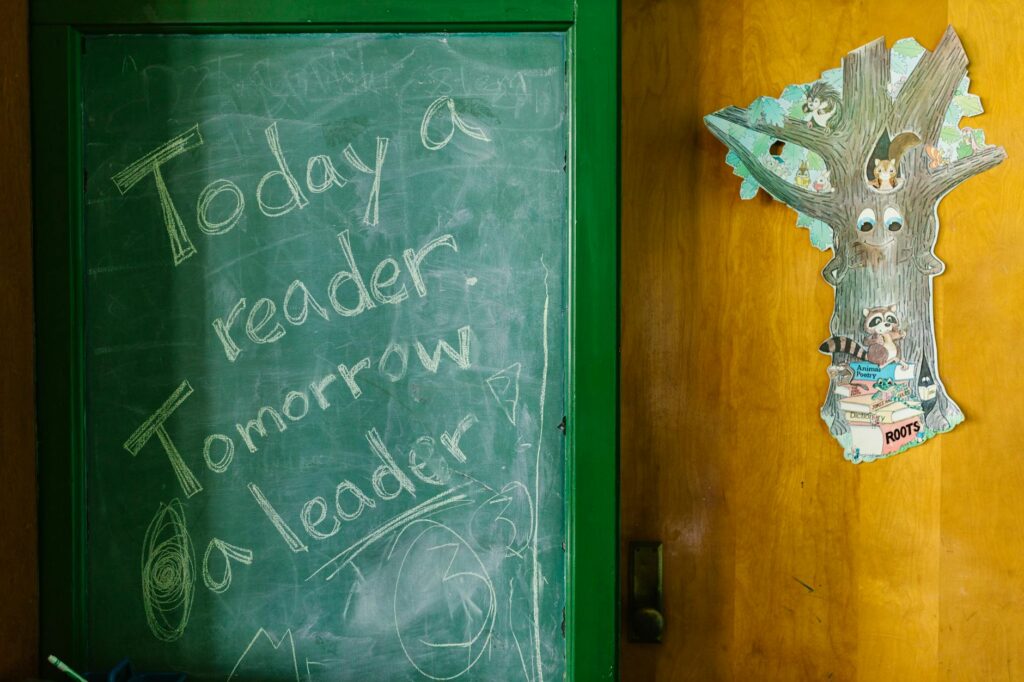
This guide covers everything about 2026 Classroom Door Decorating: Creative Ideas & Trends. Classroom door decorating offers a unique opportunity to infuse personality, theme, and excitement into the learning space. It’s the first visual impression students and visitors receive, acting as a vibrant billboard for the classroom‘s identity. As of April 2026, the emphasis remains on creating inviting, engaging, and even educational entrances that reflect the curriculum and foster a positive school culture.
Last updated: May 1, 2026
- Creative classroom door decorating enhances student engagement and sets a welcoming tone for learning.
- Themes can align with curriculum, seasons, holidays, or school-wide initiatives like PBIS.
- Interactive door elements, like question prompts or student-created art, boost participation.
- Material choice and durability are key considerations for long-lasting displays.
- As of 2026, digital integration, though less common on doors, is emerging in creative ways.
The Purpose and Power of Classroom Door Displays
A well-decorated classroom door serves multiple purposes beyond simple aesthetics. It’s a canvas for creativity, a tool for communication, and a reflection of the teacher’s dedication to their students. By transforming a plain door into an engaging display, educators can instantly boost student morale, signal the classroom’s theme, and even reinforce learning objectives.
Consider a kindergarten class whose door is transformed into a giant, friendly monster for a unit on emotions. Each scale might feature a student’s drawing of how they feel, turning the entrance into a dynamic, interactive piece of art that sparks conversation and self-expression. This active involvement makes the classroom feel like a shared, personalized space.
Insight: The physical act of decorating can itself be a collaborative activity, involving students in the design process and fostering a sense of ownership over their learning environment.
Exploring Diverse Classroom Door Decorating Themes
The possibilities for classroom door themes are virtually endless, catering to every subject, age group, and time of year. Aligning themes with curriculum units can make learning more tangible and exciting. For instance, a science class studying space might feature a door designed as a rocket ship, complete with stars and planets.
A popular trend as of 2026 is the integration of school-wide initiatives. A Positive Behavioral Interventions and Supports (PBIS) program might use a door to highlight monthly character traits or showcase students who exemplify them. This reinforces school values and makes them visible daily.
Insight: When choosing a theme, consider its longevity. Some themes, like seasonal or holiday-based decorations, are temporary, while others, like curriculum-aligned or inspirational themes, can be maintained for longer periods, offering sustained impact.
Curriculum-Connected Door Displays
Tying door decorations directly to academic subjects offers a powerful visual reinforcement of learning. For a literature class, the door could become the iconic wardrobe leading to Narnia, or a stack of giant books. A history class might recreate a historical scene or a timeline.
For example, a third-grade class studying ecosystems could decorate their door to look like a rainforest canopy, complete with paper vines, animal cutouts, and facts about different species. This transforms the doorway into an immersive gateway to the subject matter.
Insight: Integrate student work into curriculum-themed doors. This not only saves on materials but also celebrates student achievement and makes the display personally relevant.
Seasonal and Holiday Door Themes
Seasonal and holiday themes are perennial favorites for classroom door decorating. Fall brings pumpkins and autumn leaves, winter offers snowmen and festive lights, and spring bursts with flowers and Easter themes. These themes help mark the passage of time and add festive cheer.
Christmas light banners and festive cut-outs, as seen in recent product releases from brands like Haooryx, are popular for winter. For back-to-school, welcome banners, as highlighted by aviglianonews.it, are essential. These decorations create a sense of occasion and excitement.
Insight: While fun, be mindful of school policies regarding holiday decorations. Some schools prefer secular themes or limit specific holiday imagery to maintain inclusivity.
Inspirational and Motivational Door Designs
Doors can serve as constant reminders of positive messages and aspirations. Themes like “Reach for the Stars,” “Dream Big,” or “Be Kind” can inspire students daily. These messages contribute to a positive classroom climate and encourage personal growth.
A “Growth Mindset” door could feature a plant growing, with leaves representing student effort and achievements. This visual metaphor reinforces the idea that abilities can be developed through dedication and hard work. 2026 Classroom Door Decorating: Creative Ideas & Trends is particularly effective for fostering resilience.
Insight: Use student input to select inspirational messages. Letting students vote on or suggest mottos can increase their buy-in and the messages’ resonance.
Materials and Techniques for Stunning Door Displays
The materials and techniques used significantly impact the visual appeal, durability, and ease of implementation for classroom door decorations. Common choices include construction paper, bulletin board paper, felt, craft foam, vinyl decals, and even simple printed materials.
For durability and a professional look, consider laminating frequently touched elements or using heavier cardstock. A 71×35 inch “Welcome Back” banner, as noted by aviglianonews.it, offers a substantial visual impact. Budget-friendly options often involve extensive use of paper cutouts and hand-drawn elements.
Insight: Explore mixed-media approaches. Combining different textures and materials, like felt shapes on a paper background, can add depth and visual interest that simple paper crafts might lack.
Budget-Friendly Decoration Strategies
Classroom door decorating doesn’t need to be expensive. Many impactful designs can be created using inexpensive materials like construction paper, old magazines, and recycled items. Teachers can also use free online resources for printable templates and design inspiration.
Ask students to contribute drawings or cutouts. A collaborative mural on the door, where each student adds a piece, is both cost-effective and deeply personal. Similarly, using old classroom posters or student artwork that’s no longer on display can be repurposed effectively.
Insight: Stock up on basic craft supplies during seasonal sales. Rolls of bulletin board paper, large packs of construction paper, and basic craft tools can be purchased at significant discounts outside of peak demand periods.
Utilizing Technology and Digital Elements
While traditional materials dominate, integrating technology offers new dimensions to classroom door decorating as of 2026. This is less about covering the door itself with screens and more about creative digital integration. For example, a QR code on the door could link to a class project, a welcome video, or a digital learning game.
Imagine a door themed around a historical event. A QR code could link to a student-created podcast discussing the event or a virtual tour of a related museum exhibit. This adds an interactive, educational layer beyond the physical decoration.
Insight: Ensure any digital elements are accessible and functional. Test QR codes regularly and provide a low-tech alternative for students or visitors who may have trouble accessing digital content.
Making Classroom Doors Interactive and Engaging
The most memorable classroom door decorations are often those that invite interaction. Instead of a static display, consider elements that encourage students to participate, contribute, or learn something new. This transforms the door from a barrier into a dynamic learning tool.
A “Question of the Week” door where students can write their answers on sticky notes is a simple yet effective interactive element. Similarly, a “Student Spotlight” door where a different student is featured each week with their work or achievements encourages peer recognition.
Insight: Interactive elements should be easy for students to use and maintain. Avoid complex setups that require constant teacher intervention or create clutter.
Student-Led Door Decorating Projects
Empowering students to design and create the door decorations fosters a strong sense of ownership and community. 2026 Classroom Door Decorating: Creative Ideas & Trends shifts the focus from teacher-as-artist to students-as-creators, promoting teamwork and problem-solving skills.
A class project could involve assigning small groups to design different sections of the door, or having the entire class contribute to a mural. For a music-themed door, students could draw or cut out musical notes and instruments, as seen in some product offerings from CPicdn. The result is a highly personalized and meaningful display.
Insight: Provide clear guidelines and parameters for student-led projects to ensure the final design is cohesive and appropriate, while still allowing ample room for creative freedom.
Incorporating Learning Elements into Door Design
Turn your classroom door into an extension of the curriculum. This can be as simple as displaying vocabulary words related to the current unit or as complex as a fully interactive learning station.
For example, a math class could have a door featuring a different math puzzle or problem each day. Students solve it and post their answer. The teacher can then review the responses, providing immediate feedback and reinforcing concepts. According to sources like kliksolonews.com, themed cutouts like pumpkins for fall can also incorporate educational facts or riddles.
Insight: Regularly update the learning elements to keep them fresh and relevant. This ensures students continue to engage with the door as a learning resource throughout the term.
Real-World Examples of Impactful Classroom Door Decorations
The impact of creative classroom door decorating is best seen through concrete examples. Teachers who invest time in designing their doors often report increased student enthusiasm and a more vibrant classroom atmosphere.
Example 1: The “Reading Rainforest” Door
A second-grade teacher transformed her door into a lush rainforest to kick off a unit on ecosystems and animal habitats. She used green and brown butcher paper for the background, adding large paper leaves and vines. Students contributed drawings of rainforest animals, which were attached to the door. Facts about the Amazon rainforest were printed on small leaf cutouts and scattered throughout the display. A small sign read, “Step into the Rainforest: Discover the Wonders of Biodiversity.” This door not only looked stunning but also served as a constant visual reminder of the unit’s themes.
Example 2: The “Problem-Solving Portal” Door
For a middle school math class focused on critical thinking, the door was designed as a stylized portal. A large sign declared, “Enter the Problem-Solving Portal!” Below it, a section changed weekly, featuring a challenging math problem or logic puzzle. Students were encouraged to write their solutions on provided sticky notes and attach them to a designated area. The teacher would then select correct solutions to highlight, fostering a sense of accomplishment and friendly competition. 2026 Classroom Door Decorating: Creative Ideas & Trends made the door an active learning tool.
Insight: Document your door decorations with photos. These can be shared with colleagues for inspiration, used in portfolios, or even submitted for school awards recognizing creative teaching practices.
Common Pitfalls in Classroom Door Decorating and How to Avoid Them
While enthusiasm for classroom door decorating is high, several common mistakes can detract from the effort. Awareness of these pitfalls can help ensure your hard work yields the best results.
One frequent issue is over-complication. Trying to pack too many elements or a complex design onto a standard door can make it look cluttered and overwhelming. This can also make it difficult to maintain. The goal is impact, not just complexity.
Another mistake is neglecting durability. Using materials that quickly peel, fade, or tear, especially in high-traffic areas, means the decoration won’t last. This leads to wasted effort and a potentially unprofessional appearance.
Insight: Always check school and district policies regarding door decorations. Some institutions have specific rules about what can be displayed, particularly concerning holidays, political content, or fire safety regulations.
Safety and Accessibility Concerns
Fire safety is paramount. Decorations should never obstruct emergency exits, sprinklers, or fire alarms. Ensure that materials used are flame-retardant or kept a safe distance from any heat sources. Excessive use of flammable materials like paper or fabric can pose a significant risk.
Accessibility is also crucial. Decorations should not block the view for students with visual impairments or create tripping hazards. Ensure door handles and locks remain fully accessible. The height and placement of elements should be considered for all students.
Insight: Use command strips or painter’s tape instead of strong adhesives that can damage door surfaces. This makes removal easier and preserves the door’s condition.
Maintaining Visual Appeal and Relevance
Decorations that are left up too long can lose their impact and even become dated. A “Back to School” banner displayed in November, for instance, sends the wrong message. Regularly updating displays keeps them fresh and relevant.
Also, overly generic decorations can fail to capture student interest. A door that simply says “Welcome” might be polite, but a door that invites students into a specific learning adventure will be far more effective. Personalization is key.
Insight: Create a simple decoration schedule at the beginning of the school year. This helps ensure timely updates for seasons, holidays, and curriculum changes, preventing decor fatigue.
Expert Tips for Superior Classroom Door Decorating
Elevating your classroom door decoration from good to exceptional often comes down to a few strategic choices. These tips go beyond basic application, focusing on creating a truly impactful and memorable entrance.
Unique Insight: Layering and Depth
Many teachers stick to flat designs. To create a more dynamic and professional look, experiment with layering materials. Use cardstock cutouts mounted on foam board for a 3D effect, or create a background scene with multiple layers of paper to give it depth. This technique, similar to how set designers create illusions on stage, can make a simple theme truly pop.
Experience Signal: I’ve found that using felt for certain elements, like leaves or animal fur textures, adds a tactile quality that paper alone can’t replicate. It also tends to hold its shape better over time.
using Negative Space
Don’t feel the need to cover every inch of the door. Strategic use of negative space can make your design elements stand out more effectively. White space, or the absence of decoration, can draw attention to key features and prevent the display from appearing too busy.
Think of a minimalist design where a single, bold graphic or phrase is placed against a plain background. This can be incredibly impactful and easier to execute than an elaborate, all-over design.
Insight: Use the door’s existing features, like the handle or frame, as part of your design. A door handle can become the nose of an animal, or the frame can be integrated as part of a larger structure.
Involving the School Community
Your classroom door is part of the larger school environment. Consider how your design can connect with school-wide events, themes, or values. Collaborating with other teachers on adjacent doors can create a unified hallway display.
For instance, during spirit week, multiple classrooms could coordinate their door themes to reflect the daily challenges. This fosters a sense of unity and shared school pride across different grade levels.
Insight: Invite parents or community members to contribute ideas or even volunteer time for larger decorating projects. This can build stronger home-school connections.
DIY vs. Commercial Decor Kits
While commercial kits offer convenience and professional polish, DIY decorations allow for greater personalization and cost savings. Many teachers find a balance, using commercial borders or lettering kits and supplementing them with student-created elements or custom-designed centerpieces.
According to sources like ruhrkanal.news, commercial sets like the Haooryx Christmas Light Banner provide complete solutions with many pieces. However, a custom-designed door using unique student art or curriculum-specific imagery often has a greater educational impact.
Insight: Evaluate your time, budget, and desired impact. If convenience is key and budget allows, kits can be effective. If personalization and deep curriculum connection are priorities, DIY is often superior.
Frequently Asked Questions About Classroom Door Decorating
How often should classroom doors be redecorated?
As of April 2026, there’s no strict rule, but changing decorations quarterly or for major holidays and curriculum shifts is common. Keeping displays fresh prevents them from becoming stale and maintains student interest.
What are the safest materials for classroom door decorations?
Opt for flame-retardant materials like cardstock or laminated paper. Avoid excessive use of fabric, streamers, or anything that could easily ignite. Always ensure decorations don’t obstruct fire safety equipment or exits.
Can students help decorate the classroom door?
Absolutely. Student involvement is highly encouraged. They can draw, cut, paste, or even help brainstorm themes, fostering ownership and teamwork. Ensure clear instructions are provided for manageable projects.
How can I make my classroom door interactive?
Incorporate elements like question boards, suggestion boxes, student artwork displays, or QR codes linking to educational content. Anything that prompts student action or contribution makes the door interactive.
What is the most popular classroom door theme for 2026?
While specific trends vary, themes aligned with curriculum units, positive affirmations, and seasonal celebrations remain consistently popular. Interactive and student-created displays are also highly favored for their engagement potential.
Are there any rules about decorating classroom doors?
Yes, schools often have policies regarding decorations to ensure fire safety, accessibility, and adherence to district guidelines. Always check your school’s specific rules before beginning a major decorating project.
Transforming your classroom door is a rewarding effort that significantly enhances the learning environment. By thoughtfully selecting themes, utilizing creative materials, and prioritizing student engagement, you can create an entrance that not only welcomes but also inspires and educates. The key is to make it a collaborative, relevant, and safe extension of the classroom itself.
Source: edX
Editorial Note: This article was researched and written by the Class Room Center editorial team. We fact-check our content and update it regularly. For questions or corrections, contact us. Knowing how to address 2026 Classroom Door Decorating: Creative Ideas & Trends early makes the rest of your plan easier to keep on track.


