
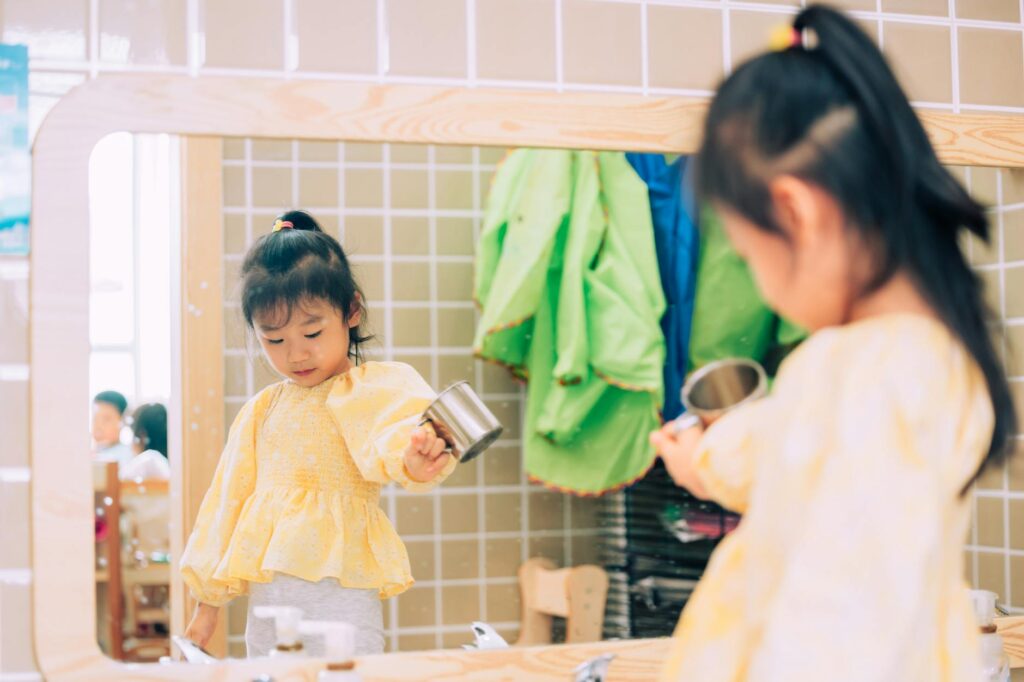

What Defines an Effective Kindy Classroom in 2026?
This guide covers everything about Designing the Ideal Kindy Classroom for 2026. An effective kindy classroom in 2026 is more than just a room with desks; it’s a dynamic, intentional space meticulously crafted to support the complete development of young children. It’s where curiosity is ignited, foundational skills are built, and a lifelong love for learning begins.
Last updated: May 1, 2026
- A 2026 kindy classroom prioritizes flexibility, incorporating distinct zones for different learning styles and activities.
- Effective design includes ample natural light, age-appropriate furnishings, and accessible materials to encourage independence.
- Incorporating elements that foster social-emotional learning, like calm-down corners and collaborative spaces, is crucial.
- Technology should be integrated thoughtfully, supporting rather than dominating the learning experience.
- Safety, accessibility, and a connection to nature are paramount in modern early childhood education spaces.
As of April 2026, educators and child development experts increasingly recognise that the physical environment plays a profound role in a child’s learning journey. The latest research highlights how thoughtfully arranged spaces can significantly impact engagement, behaviour, and cognitive growth. This guide digs into the essential components of designing a kindy classroom that thrives in today’s educational landscape.
The Foundation: Child-Centred Design Principles
At the heart of an exceptional kindy classroom is the principle of child-centred design. This approach places the child’s needs, interests, and developmental stages at the forefront of every decision. It moves away from a teacher-centric model where children passively receive information.
Instead, it fosters an environment where children are active participants in their learning. This means creating spaces that are inviting, accessible, and allow for exploration and discovery. Furniture should be child-sized and easy to move, empowering children to adapt their environment for different activities.
Practical Insight: When planning your layout, consider how children naturally move and interact. Are there clear pathways? Can children easily access materials they need for independent work or play? A child-centred approach inherently promotes autonomy.
Creating Dynamic Learning Zones
A hallmark of modern early childhood education is the division of the classroom into distinct learning zones. This strategy caters to diverse learning styles and allows for focused engagement in specific activities. For instance, a quiet reading nook differs vastly from a hands-on science exploration area.
Common zones include a literacy corner with books and writing materials, a math station stocked with manipulatives, an art area with supplies, a block-building space, and a dramatic play centre. Each zone should be clearly defined, either by furniture placement, rugs, or open shelving.
Example: In a bustling kindy classroom, a cozy reading corner might feature soft cushions, a bookshelf filled with diverse stories, and a small table for one or two children. Nearby, a vibrant art station could have easels, washable paints, and plenty of paper, encouraging creative expression.
Unique Insight: Consider integrating a ‘maker space’ or ‘creation station’ where children can use recycled materials, simple tools, and craft supplies to invent and build. This encourages problem-solving and innovation beyond traditional play.
The Importance of Play-Based Learning Areas
Play is not merely recreation for young children; it’s their primary mode of learning and development. An effective kindy classroom dedicates significant space and resources to structured and unstructured play-based learning.
Areas like dramatic play centres, block construction zones, and sensory tables allow children to explore social roles, develop fine and gross motor skills, practice problem-solving, and enhance language. According to the National Association for the Education of Young Children (NAEYC) (2023), play is fundamental for cognitive, social, emotional, and physical development.
Practical Insight: Rotate the themes and materials within play areas regularly to keep children engaged and introduce new learning opportunities. For example, a dramatic play area could transform from a ‘grocery store’ to a ‘doctor’s office’ to explore different community roles.
Fostering Social-Emotional Learning (SEL) Spaces
As highlighted by the Collaborative for Academic, Social, and Emotional Learning (CASEL) (2025), social-emotional skills are critical for success in school and life. A kindy classroom must intentionally design spaces that support SEL.
This often includes a ‘calm-down corner’ or ‘peace corner’ equipped with sensory tools like fidget toys, soft blankets, or calming books. This space offers children a private area to regulate their emotions when feeling overwhelmed. Collaborative tables and group activity areas also encourage teamwork and communication.
Example: A calm-down corner might feature a small tent or canopy, beanbag chairs, stress balls, and a visual emotions chart. Children learn to recognise their feelings and use the space appropriately, fostering self-awareness and self-management.
Expert Insight: Teachers can model and facilitate the use of these SEL spaces, explicitly teaching children how to identify emotions and use calming strategies. This proactive approach builds emotional intelligence from an early age.
Integrating Technology Thoughtfully
Technology has a place in the modern kindy classroom, but its integration must be purposeful and age-appropriate. It should enhance, not replace, hands-on learning and social interaction. Interactive whiteboards, tablets loaded with educational apps, and digital microscopes can offer unique learning experiences.
When selecting technology, prioritise tools that encourage creation, exploration, and collaboration, rather than passive consumption. Ensure easy access and clear guidelines for use. According to a 2026 report by the U.S. Department of Education, effective technology integration supports personalized learning pathways.
Practical Insight: Use technology for specific learning objectives. For instance, a tablet could be used for a research project on animals, with children taking photos and recording facts. This is more engaging than simply playing a game.
Sensory Exploration and Engagement
Children learn through their senses, and a kindy classroom should provide rich sensory experiences. Sensory tables filled with sand, water, rice, or beans offer tactile exploration and opportunities for scientific observation. Sound walls, textured materials, and visual displays further engage different senses.
A well-designed sensory area can be calming for some children and stimulating for others. It’s a space where they can experiment, discover cause-and-effect, and develop fine motor skills. These experiences are fundamental to early cognitive development.
Example: A sensory table might be set up with water, scoops, funnels, and various-sized containers for pouring and measuring. Children naturally experiment with volume and flow, learning basic physics concepts through play.
Materials, Organisation, and Accessibility
The way materials are organised and made accessible profoundly impacts a kindy classroom. Open shelving and clearly labeled bins allow children to independently select and return materials, fostering responsibility and autonomy.
All learning materials should be within reach of the children, promoting self-directed learning. This includes books, art supplies, building blocks, and manipulatives. Avoid overcrowding shelves; a curated selection is often more effective than an overwhelming abundance.
Expert Insight: Regularly declutter and rotate materials. This keeps the environment fresh and prevents children from becoming overwhelmed or bored. It also allows you to focus on specific learning themes throughout the year.
Incorporating Nature and Natural Elements
There’s a growing understanding of the benefits of connecting children with nature. Bringing natural elements into the classroom, or providing easy access to outdoor learning spaces, can significantly enhance the learning environment.
This can include plants, natural light, wooden furniture, and materials like stones, leaves, and shells. An outdoor classroom or a nature-based play area offers invaluable opportunities for exploration, observation, and physical activity. As of April 2026, many educational institutions are prioritising biophilic design principles.
Example: A classroom plant can be a learning tool, teaching children about growth, care, and responsibility. An outdoor space might include a mud kitchen, a bug hotel, or a small garden where children can plant and harvest vegetables.
Safety and Hygiene Considerations
Safety is paramount in any kindy classroom. All furniture should be stable and free of sharp edges. Electrical outlets should be covered, and all materials must be non-toxic and age-appropriate. Regular safety checks are essential.
Hygiene is equally critical, especially in 2026. Easy-to-clean surfaces, readily available hand sanitizer, and designated areas for eating separate from play zones are standard practice. Ensure adequate ventilation and consider the use of antimicrobial materials where appropriate.
Practical Insight: Develop clear routines for handwashing and sanitizing, especially before snack times and after using shared materials. Make these routines visual and engaging for young children.
The Role of Lighting and Acoustics
Lighting and acoustics are often overlooked but play a crucial role in a kindy classroom’s atmosphere and functionality. Ample natural light is ideal, promoting well-being and reducing eye strain. Supplement with warm, adjustable artificial lighting for darker days or specific activities.
The sound environment is also important. Young children can be sensitive to noise. Using soft furnishings, carpets, and acoustic panels can help absorb sound and reduce echo, creating a calmer, more focused atmosphere. Avoid harsh fluorescent lighting which can be distracting.
Example: Position reading nooks or quiet areas away from high-traffic zones to minimise noise disruption. Use dimmer switches or lamps for different moods and activities, rather than relying solely on overhead lights.
Choosing Age-Appropriate Furniture and Materials
Selecting furniture and materials that are the right size and scale for kindergarteners is fundamental. Child-sized tables and chairs promote proper posture and comfort, allowing children to engage more fully in activities.
Materials should be durable, safe, and stimulating. Consider a mix of open-ended toys (like blocks, art supplies, playdough) that can be used in multiple ways, and specific learning materials (like puzzles, sorting games) that target particular skills. According to a 2026 review in Early Childhood Education Journal, open-ended materials foster creativity and problem-solving more effectively.
Unique Insight: Invest in high-quality, sustainably sourced materials whenever possible. While the initial cost might be higher, they often prove more durable and offer a better tactile experience than cheaper alternatives, contributing to a more thoughtful learning environment.
Real Examples of Successful Kindy Classrooms
Many schools and educational institutions are setting benchmarks for effective kindy classroom design. For instance, the ‘Little Sprouts Academy’ in California recently renovated its kindergarten wing, introducing modular furniture systems from Steelcase Learning. Their design features flexible seating options, distinct ‘collaboration hubs’ and ‘focus zones’, and integrated technology stations, all within a bright, nature-inspired aesthetic.
Another example is the ‘Greenwood Early Learning Centre’ in Australia, which emphasizes outdoor learning. Their kindergarten classrooms smoothly transition to a secure, natural playground with sensory gardens, climbing structures, and water play areas. Inside, they use natural wood tones and abundant natural light, creating a calming yet stimulating atmosphere. This approach aligns with research showing significant benefits for children’s physical health, cognitive development, and emotional well-being when exposed to natural environments.
Common Mistakes to Avoid in Kindy Classroom Design
Despite best intentions, several common pitfalls can detract from a kindy classroom’s effectiveness. One major mistake is creating a space that’s too cluttered or overstimulating. Too many toys and materials can overwhelm young children, making it difficult for them to focus.
Another error is a lack of flexibility. A rigid layout that doesn’t allow for different types of activities or group sizes limits learning opportunities. Forgetting the importance of natural light and acoustics can also create an uninviting or distracting atmosphere. Finally, making materials inaccessible or difficult for children to manage hinders independence and responsibility.
Solution: Implement a system for rotating materials and decluttering regularly. Designate flexible zones that can be adapted for various activities, and ensure all materials are at child height. Prioritise natural light and use soft furnishings to manage acoustics.
Expert Tips for Optimising Your Kindy Classroom
To elevate your kindy classroom design, consider these expert-level tips. Firstly, involve the children in the design process where appropriate. Ask them what colours they like, where they enjoy playing, or what makes them feel calm. Designing the Ideal Kindy Classroom for 2026 gives them ownership and ensures the space meets their needs.
Secondly, create clear visual routines and labels. Designing the Ideal Kindy Classroom for 2026 supports young learners in understanding expectations and navigating the classroom independently. Use pictures alongside words for children who are not yet strong readers. As of April 2026, many educators are finding success with digital labeling systems for shared resources.
Unique Insight: Consider incorporating elements that promote mindfulness and reflection. This could be a ‘gratitude wall’ where children draw or write what they are thankful for, or designated quiet spots for reflection. These practices are increasingly vital for building resilience in young learners.
Frequently Asked Questions
What are the essential elements of a kindy classroom?
An essential kindy classroom features distinct learning zones, child-sized and flexible furniture, accessible materials, ample natural light, and a focus on safety. It prioritizes play-based learning and social-emotional development, with resources readily available to encourage independent exploration.
How can I make my kindy classroom more engaging?
Creating dynamic learning centres boosts engagement, rotating materials to maintain novelty, and incorporating interactive technology thoughtfully. Involving children in decorating and organising, and providing opportunities for movement and sensory exploration, also significantly enhances engagement.
What is the role of play in a kindy classroom?
Play is the primary vehicle for learning in a kindy classroom. It develops critical cognitive, social, emotional, and physical skills. Play-based learning areas allow children to explore concepts, practice problem-solving, express creativity, and build social competence in an enjoyable way.
How should I arrange furniture in a kindy classroom?
Arrange furniture to create clear pathways and distinct learning zones. Use child-sized tables and chairs that can be easily moved or reconfigured. Ensure materials are at child height and accessible, promoting independence and easy transitions between activities.
Is technology important in a kindy classroom?
Technology is important when integrated purposefully and age-appropriately. Interactive tools can enhance learning by supporting exploration, creation, and collaboration. It should complement hands-on activities and social interaction, not dominate the learning experience.
How can I create a calm-down corner in my kindy classroom?
A calm-down corner needs to be a quiet, comfortable space with soft seating, sensory tools (fidgets, blankets), and calming visuals. It provides a safe haven for children to self-regulate emotions, fostering self-awareness and emotional management skills.
Conclusion
Designing an effective kindy classroom in 2026 is about creating a nurturing, stimulating, and responsive environment that champions the unique needs of young learners. By focusing on child-centred principles, dynamic zones, and intentional design choices, educators can build spaces that foster not just academic growth, but also social-emotional well-being and a lifelong passion for discovery.
Actionable Takeaway: Audit your current kindy classroom layout to identify one area that could be enhanced with better organisation or the creation of a new learning zone, and implement that change within the next month.
Editorial Note: This article was researched and written by the Class Room Centre editorial team. We fact-check our content and update it regularly. For questions or corrections, contact us. Knowing how to address Designing the Ideal Kindy Classroom for 2026 early makes the rest of your plan easier to keep on track.


