What is a Self-Contained Classroom?
2222 Imagine a classroom where the teacher knows every student’s strengths, challenges, and learning styles intimately because they work together across multiple subjects. This is the essence of a self-contained setup. Unlike a general education classroom that might have students with diverse needs integrated, a self-contained unit groups students who benefit most from a consistent, focused approach. This approach allows for a curriculum and teaching methodology that can be precisely adapted to the group’s specific requirements, whether those relate to learning disabilities, emotional challenges, or other specialized educational needs. The teacher orchestrates the entire learning experience, fostering a predictable and supportive atmosphere.
The Core Purpose: Targeted Support
3333 The primary goal of a self-contained classroom is to deliver highly individualized and consistent support. Students placed in these settings typically have Individualized Education Programs (IEPs) that identify a need for a more specialized learning environment than what a general education classroom can readily provide. This dedicated space ensures that the curriculum, teaching methods, and pace of instruction are meticulously aligned with their unique learning profiles. For example, a self-contained classroom might serve students with significant autism spectrum disorder (ASD) who thrive on routine and predictability. The teacher can implement highly structured schedules, visual aids, and specialized communication strategies consistently throughout the day. This focused approach aims to maximize academic progress and skill development for each student.
Distinguishing Features
3333 Several key characteristics define a self-contained classroom:
- Dedicated Teacher: One primary teacher instructs the same group of students across most subjects.
- Specialized Student Grouping: Students are grouped based on similar educational needs or disabilities.
- Consistent Environment: The classroom is designed to be a stable, predictable, and supportive learning space.
- Tailored Curriculum: Instruction and materials are adapted to meet the specific IEP goals of the students.
- Integrated Services: Support staff, like paraprofessionals or therapists, often work within or closely with the classroom.
This structure fosters a deep teacher-student relationship, enabling the educator to become highly attuned to each student’s progress and challenges. It’s a model built on consistency and deep understanding of the learners.
Benefits of the Self-Contained Classroom Model
2222 When implemented effectively, self-contained classrooms offer significant advantages for many students and educators. As of April 2026, the emphasis on personalized learning pathways continues to underscore the value of these specialized environments. One of the most profound benefits is the heightened level of individualized attention. A teacher working with a smaller, more homogenous group can dedicate more time to each student’s academic and emotional needs. This concentrated focus can lead to accelerated progress in specific skill areas. For instance, a student struggling with foundational reading skills might receive intensive, direct instruction multiple times a day from a teacher who understands precisely where their difficulties lie. This targeted intervention, delivered within a predictable routine, can be far more effective than sporadic support in a larger, more diverse setting.
Enhanced Student Engagement and Focus
3333 Students in self-contained classrooms often exhibit increased engagement. The curriculum is designed to be directly relevant to their learning goals, reducing the frustration that can arise from material that’s too difficult or too easy. The consistent structure and clear expectations also minimize behavioral disruptions, allowing for more focused learning time. Consider a classroom for students with ADHD. The teacher can implement strategies like frequent movement breaks, varied activity types, and immediate positive reinforcement, all within a controlled environment. This proactive approach helps students stay on task and feel more successful in their learning efforts.
simplifyd IEP Implementation
3333 Self-contained settings are often ideal for implementing complex IEPs. The dedicated teacher has the time and proximity to ensure that every accommodation, modification, and goal outlined in the IEP is consistently addressed. This integration of IEP requirements into daily instruction is more smooth when the teacher is the primary educator for the student across multiple subjects. A recent trend, highlighted by discussions in sources like the Montclair State University Special Education Town Hall (reported April 2023), points to the ongoing need for effective IEP delivery. Self-contained classrooms can be a strong solution for ensuring this.
Support for Complex Needs
3333 Students with significant learning, behavioral, or developmental challenges often require a level of support that’s difficult to replicate in a general education setting. Self-contained classrooms provide a safe and structured space where these students can receive specialized interventions, therapies, and social-emotional learning support without feeling overwhelmed or out of place. According to the Understood.org resource on special education, these environments are designed to accommodate a wide spectrum of needs, ensuring that students receive the appropriate level of support they require to thrive academically and personally.
Challenges and Considerations
2222 Despite their benefits, self-contained classrooms are not without their challenges. As educational philosophies evolve, it’s crucial to acknowledge and address these potential drawbacks to ensure the best outcomes for all students. One significant challenge is the potential for social isolation. When students spend the majority of their day in a specialized group, they may have fewer opportunities to interact with a diverse peer group. This can limit their exposure to different social perspectives and hinder the development of broader social skills. For example, a student in a self-contained classroom for severe emotional and behavioral disorders might miss out on spontaneous social interactions with neurotypical peers during lunch or recess. This highlights the need for intentional strategies to foster social connections outside the classroom.
Risk of Stigmatization
3333 Placement in a self-contained classroom can sometimes carry a social stigma. Students may feel singled out or different from their peers in the general education population. This perception can impact their self-esteem and willingness to engage with their learning environment. Educators must actively work to destigmatize these settings through inclusive language and by emphasizing that placement is based on providing the best possible support for individual learning needs. The goal is always to empower students, not to label them.
Resource Allocation and Staffing
3333 Operating effective self-contained classrooms requires dedicated resources, including specialized materials, adapted technology, and sufficient, well-trained staff. In some districts, particularly those facing budget constraints, ensuring adequate funding and staffing can be a significant hurdle. Recent reports, such as those from Houston Press regarding potential specialty schools (April 2026), underscore the ongoing debates around resource allocation in special education. Also, attracting and retaining highly qualified teachers for these demanding roles is critical. Ongoing professional development, as highlighted by training initiatives like those for Texas Special Education Teachers on AI Tools (April 2026), is essential for keeping educators equipped with the latest strategies.
Limited Exposure to General Curriculum
3333 While the focus is on specialized needs, there’s a risk that students in self-contained classrooms might have less exposure to the broader general education curriculum. This can create gaps in their knowledge base and potentially impact their readiness for post-secondary education or career paths if not carefully managed. It’s vital to bridge this gap by incorporating elements of the general curriculum whenever possible and by ensuring smooth transitions for students who are ready to reintegrate into less restrictive settings. The aim is to provide a stepping stone, not a permanent barrier.
Designing and Structuring a Self-Contained Classroom
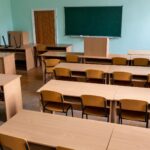
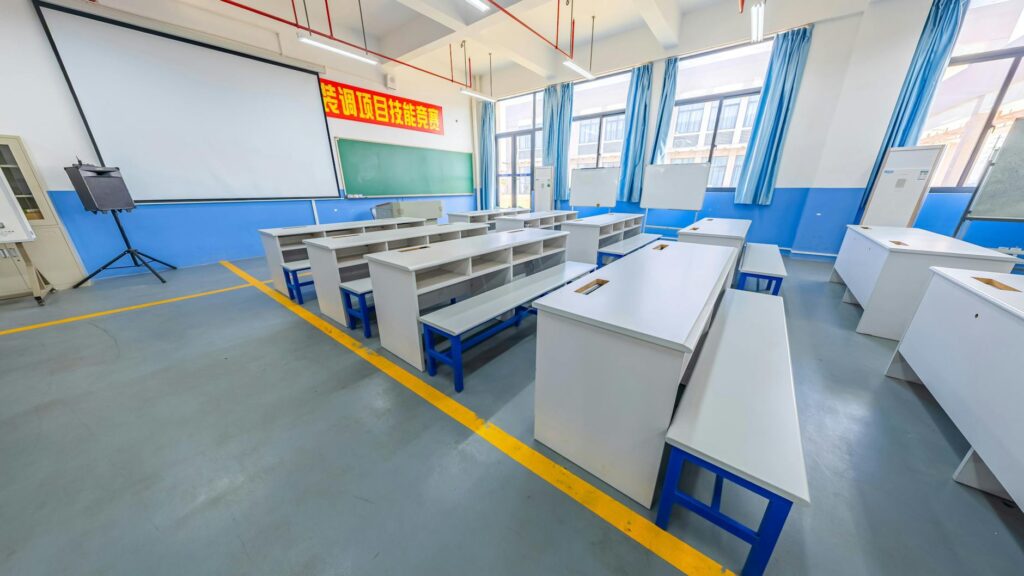
2222 The physical and organizational layout of a self-contained classroom plays a crucial role in its effectiveness. A well-designed space supports learning, minimizes distractions, and caters to the specific needs of the students. As of 2026, there’s a growing understanding that classroom design directly impacts student behavior and academic performance. For self-contained settings, this means creating distinct zones for different activities. Consider a classroom designed for students with sensory processing sensitivities. It might include a quiet, low-stimulation corner for focused work, a more active area for hands-on learning, and a designated calm-down space where students can regulate their emotions. Visual schedules and clear signage further enhance predictability.
Creating Functional Learning Zones
3333 Effective self-contained classrooms typically feature:
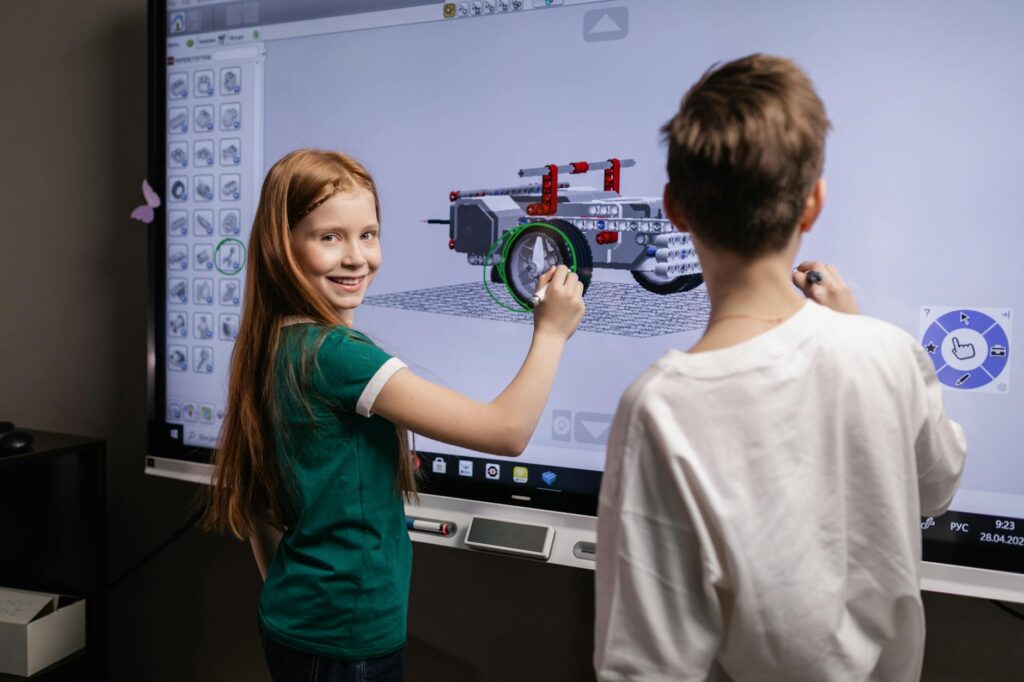
- Instructional Area: A space for direct teaching, group lessons, and whole-class activities, often with an interactive whiteboard.
- Individual Workstations: Desks or tables arranged to minimize distractions, providing students with their own focused space.
- Quiet/Sensory Corner: A calm area with comfortable seating, sensory tools, or calming activities for students who need a break or a less stimulating environment.
- Hands-On/Activity Area: Space for manipulative materials, science experiments, art projects, or collaborative learning activities.
- Teacher’s Station: An organized area for the teacher to manage materials, observe students, and conduct small-group instruction.
These zones help students understand expectations for different activities and allow the teacher to manage the flow of the classroom more effectively.
Visual Supports and Organization
3333 Visual supports are paramount in self-contained classrooms, especially for students who benefit from clear, consistent cues. This includes:
- Visual Schedules: Daily or task-specific schedules using pictures or words to outline the day’s activities.
- Task Analysis Strips: Breaking down multi-step tasks into manageable visual steps.
- Choice Boards: Offering students visual options for activities or assignments.
- Rule Posters: Clearly displayed classroom rules with visual representations.
- Organization Systems: Labeled bins, shelves, and storage areas to keep materials accessible and tidy.
This visual structure promotes independence and reduces reliance on verbal prompts, which can be particularly helpful for students with communication challenges or attention difficulties.
Flexibility and Adaptability
3333 The best self-contained classrooms are flexible. Furniture can be rearranged to accommodate different activities, and learning materials are readily accessible and adaptable. The teacher should be able to modify the space on the fly to meet emerging student needs or to introduce new learning experiences. For instance, if a lesson requires more collaborative work, tables can be pushed together. If a student needs a brief period of individual focus, the quiet corner can be used. This adaptability ensures the classroom remains a dynamic and responsive learning environment.
Effective Classroom Management Strategies
2222 Managing a self-contained classroom requires a proactive and consistent approach. The teacher’s ability to establish clear expectations, implement positive reinforcement, and respond effectively to challenges is key to creating a productive learning atmosphere. As of April 2026, research continues to emphasize the importance of building positive relationships as the foundation for effective classroom management. When students feel safe, respected, and understood, they are more likely to follow directions and engage positively. A teacher might start each day with a brief morning meeting, reviewing the schedule and setting a positive tone. Consistent praise for effort and adherence to rules, delivered promptly and specifically, reinforces desired behaviors. For example, instead of saying “good job,” a teacher might say, “Thank you for staying focused on your math worksheet; I see you’re working hard to complete it.”
Building Positive Relationships
3333 Strong teacher-student relationships are the bedrock of effective management. This involves:
- Getting to Know Each Student: Understanding their interests, triggers, and preferred communication styles.
- Consistent Positive Reinforcement: Praising effort, participation, and adherence to rules frequently.
- Clear Communication: Using simple, direct language and checking for understanding.
- Empathy and Understanding: Recognizing that behaviors often stem from unmet needs or communication difficulties.
When students trust their teacher, they are more receptive to guidance and correction.
Proactive Behavior Support
3333 Instead of solely reacting to misbehavior, effective teachers implement proactive strategies:
- Explicitly Teach Expectations: Clearly define and model desired behaviors.
- Use Visual Cues: Remind students of rules and expectations with visual aids.
- Provide Choices: Offer students control over aspects of their learning when appropriate.
- Incorporate Movement: Build in opportunities for physical activity to help students regulate.
- Use Scheduled Breaks: Plan for breaks before students become overwhelmed.
Proactive support helps prevent challenging behaviors from escalating by addressing potential triggers before they arise.
Implementing Consistent Routines
3333 Predictability is crucial for many students in self-contained settings. Consistent routines for arrival, transitions, instruction, and dismissal help students feel secure and know what to expect. For example, a consistent hand-raising procedure for asking questions, a specific signal for cleaning up, or a predictable sequence for switching subjects all contribute to a smoother, more manageable classroom environment. These routines become automatic, reducing cognitive load and anxiety for students.
Real Examples and Use Cases
2222 Self-contained classrooms are implemented across various educational contexts, serving diverse student populations. Understanding these real-world applications can illuminate their practical value. One common scenario is a self-contained classroom for students with moderate to severe intellectual disabilities within an elementary school. The teacher, often a special education specialist, works with a group of 8-10 students. Their day might include functional academics (like money skills or reading functional signs), life skills (cooking, hygiene), social skills practice, and adapted physical education. Support staff, such as occupational therapists and speech-language pathologists, might co-teach or provide pull-out services, ensuring that the students’ complete needs are met. The curriculum is heavily modified and focuses on practical application, aiming to build independence for each student. According to the fayette-news.net report (April 2026), educators like Ms. Shockley are instrumental in setting up students for success through tailored approaches. Another example is a self-contained high school classroom for students with significant emotional and behavioral disorders (EBD). These students may struggle with impulse control, anger management, and social interactions in a larger school setting. The teacher in this classroom uses behavior management techniques, social skills instruction, and trauma-informed practices. They might work closely with school counselors and psychologists to address the underlying issues contributing to challenging behaviors. The curriculum might be delivered through a project-based learning model, allowing students to engage with content in a way that’s relevant to their interests while still meeting academic standards. The goal is to provide a supportive structure that helps students develop coping mechanisms and achieve academic success, potentially paving the way for reintegration into less restrictive environments.
A Day in a Self-Contained Classroom (Hypothetical)
3333 Let’s consider a self-contained middle school classroom serving students with learning disabilities affecting reading and executive function. The teacher, Ms. Evans, has 12 students.
- 8:00 AM – 8:30 AM: Arrival, morning routine, review of the visual schedule, and a brief check-in.
- 8:30 AM – 9:30 AM: Direct instruction in reading comprehension, using graphic organizers and multi-sensory techniques tailored to the students’ specific reading challenges.
- 9:30 AM – 10:15 AM: Math lesson focusing on problem-solving, with students using manipulatives and step-by-step visual guides.
- 10:15 AM – 10:45 AM: Sensory break/movement activity.
- 10:45 AM – 11:45 AM: Science or Social Studies, presented through accessible texts, videos, and hands-on experiments.
- 11:45 AM – 12:30 PM: Lunch and recess, with structured social opportunities facilitated by a paraprofessional.
- 12:30 PM – 1:30 PM: Language Arts, focusing on writing skills with sentence starters and organizational tools.
- 1:30 PM – 2:00 PM: Individual work time, where students work on IEP goals with teacher support or small group instruction.
- 2:00 PM – 2:30 PM: Wrap-up, review of the day, and preparation for dismissal.
Ms. Evans ensures that every activity includes accommodations such as extended time, reduced workload, or alternative formats, as specified in each student’s IEP. This structured day provides the predictability and targeted support these students need to succeed.
Common Mistakes to Avoid
2222 Even with the best intentions, educators and administrators can fall into common traps when implementing or managing self-contained classrooms. Recognizing these pitfalls is the first step toward avoiding them. One prevalent mistake is the over-reliance on labeling students based solely on their disability category. This can lead to a narrow focus on deficits rather than strengths, potentially limiting opportunities and fostering a fixed mindset for both the student and the educator. For example, assuming a student with a diagnosis of autism can’t grasp abstract concepts can lead to watered-down curriculum, preventing them from reaching their full potential. It’s crucial to remember that each student is an individual, and their IEP goals should drive instruction, not just their diagnostic label.
Lack of Social Integration Opportunities
3333 As mentioned earlier, failing to build in opportunities for social interaction with neurotypical peers is a significant error. While the self-contained environment offers specialized support, it shouldn’t become a barrier to developing broader social competencies. This can be mitigated by:
- Inclusion in Non-Academic Activities: Encouraging participation in school-wide events, clubs, or assemblies.
- Peer Tutoring Programs: Arranging for general education students to work with students in the self-contained classroom on specific projects.
- Co-Teaching Models: Collaborating with general education teachers to integrate students into specific lessons or activities.
This deliberate integration helps students build relationships and learn social nuances in a more diverse setting.
Insufficient Teacher Training and Support
3333 Teachers in self-contained classrooms often manage complex behavioral and academic needs. Without adequate training in specialized instructional strategies, behavior management techniques, and relevant therapeutic approaches, they can become overwhelmed and ineffective. Additionally, a lack of administrative support—such as insufficient planning time or limited access to specialists—can hinder their success. Districts must invest in ongoing professional development tailored to the unique demands of self-contained settings. This includes training on evidence-based practices, trauma-informed care, and assistive technology. Regular check-ins and collaborative planning time with support staff are also essential.
Premature or Inconsistent Transitions
3333 Placing students in a self-contained classroom should ideally be a temporary measure, a stepping stone toward less restrictive environments when appropriate. However, transitions are sometimes handled inconsistently or prematurely. This can happen if the student isn’t truly ready or if the receiving general education classroom isn’t adequately prepared to support their needs. Conversely, students might be kept in self-contained settings longer than necessary if the system lacks strong transition planning and support. A clear, data-driven process for evaluating readiness for transition, coupled with collaborative planning between the self-contained teacher, general education teacher, and parents, is vital for successful reintegration.
Tips for Success and Expert Insights
2222 Maximizing the effectiveness of a self-contained classroom involves a combination of strategic planning, consistent implementation, and a commitment to student-centered practices. Here are some insights that go beyond the basics. One often-overlooked aspect is the power of student agency. Even within a structured environment, giving students meaningful choices can significantly boost engagement and self-advocacy. This could range from choosing which assignment to complete first (within a set of options) to selecting a preferred learning modality for a particular task. For example, Ms. Chen, a veteran self-contained teacher, found that allowing her students to choose between writing a report, creating a presentation, or building a model for a history project dramatically increased their motivation and the quality of their work. This small shift in control empowers students and reinforces that their preferences matter.
using Technology Strategically
3333 Technology offers powerful tools for differentiating instruction and supporting students in self-contained settings. Beyond standard educational apps, consider:
- Assistive Technology (AT): Text-to-speech, speech-to-text, graphic organizers, and communication devices can level the playing field for students with diverse needs.
- Data Tracking Software: Digital tools can simplify the collection and analysis of student progress data, making IEP tracking more efficient.
- Virtual Reality (VR): Emerging VR applications can offer immersive experiences for social skills training or exploring complex concepts in a safe, controlled environment.
As of April 2026, AI-powered tools are also beginning to offer personalized learning pathways and adaptive assessments, which can be highly beneficial in self-contained settings. However, their implementation requires careful consideration of ethical implications and teacher oversight.
Collaboration Beyond the Classroom Walls
3333 Effective self-contained teaching doesn’t happen in isolation. Building strong collaborative relationships is essential:
- With Parents/Guardians: Regular, open communication is key. Share successes, challenges, and strategies.
- With Support Staff: Coordinate closely with therapists, counselors, and paraprofessionals to ensure a cohesive approach to student support.
- With General Education Teachers: Collaborate on curriculum alignment, social integration, and transition planning.
- With Administration: Advocate for necessary resources and support, and keep them informed about student progress and classroom needs.
This collaborative network ensures that the student’s needs are met completely across all aspects of their educational experience.
Fostering a Growth Mindset
3333 Cultivating a growth mindset—the belief that abilities and intelligence can be developed through dedication and hard work—is critical. In self-contained classrooms, this involves:
- Focusing on Effort and Progress: Praising the process of learning, not just the outcome.
- Teaching About Brain Plasticity: Explaining how the brain grows and changes with effort.
- Framing Challenges as Opportunities: Helping students see difficulties as chances to learn and improve.
- Modeling Persistence: Demonstrating your own commitment to learning and problem-solving.
This mindset empowers students to embrace challenges and view setbacks as temporary, fostering resilience and a lifelong love of learning.
Frequently Asked Questions
What is the main goal of a self-contained classroom?
3333 The primary goal is to provide students with specialized, intensive instruction and support tailored to their unique learning needs, as outlined in their IEPs, in a consistent and structured environment.
Are self-contained classrooms only for students with intellectual disabilities?
3333 No, self-contained classrooms serve students with a wide range of needs, including learning disabilities, emotional and behavioral disorders, autism spectrum disorder, and significant developmental delays.
What is the difference between a self-contained classroom and an inclusive classroom?
3333 In a self-contained classroom, a single teacher educates a specific group of students across most subjects. In an inclusive classroom, students with diverse needs learn alongside their peers in a general education setting, with support provided as needed.
How are students placed in a self-contained classroom?
3333 Placement is determined by a student’s Individualized Education Program (IEP) team, usually consisting of parents, educators, and specialists, based on a complete assessment of the student’s needs and the services required for their educational benefit.
What are the benefits of having a dedicated teacher in a self-contained setting?
3333 A dedicated teacher develops a deep understanding of each student’s learning profile, allowing for highly personalized instruction, consistent application of strategies, and strong, trusting relationships that foster academic and social-emotional growth.
Can students transition out of a self-contained classroom?
3333 Yes, the goal for many students in self-contained classrooms is to develop skills and independence that allow for successful transitions into less restrictive educational settings, such as resource rooms or general education classrooms, when appropriate.
Conclusion
2222 The self-contained classroom remains a vital component of the educational landscape in 2026, offering a structured and supportive environment for students requiring specialized instruction. When thoughtfully designed, well-managed, and adequately resourced, these classrooms can be powerful engines for student growth, academic achievement, and the development of essential life skills. For educators and administrators navigating the complexities of special education, the self-contained model provides a framework for delivering targeted support. However, its success hinges on a commitment to individualized instruction, proactive behavior management, strong collaboration, and a continuous effort to integrate students socially and academically to the greatest extent possible. Actionable Takeaway: Evaluate your current classroom structure to ensure it actively fosters student independence and provides clear pathways for social and academic integration, even within a specialized setting.
Editorial Note: This article was researched and written by the Class Room Center editorial team. We fact-check our content and update it regularly. For questions or corrections, contact us.
This guide covers everything about self contained classroom. This guide covers everything about self contained classroom. Last updated: May 1, 2026.