
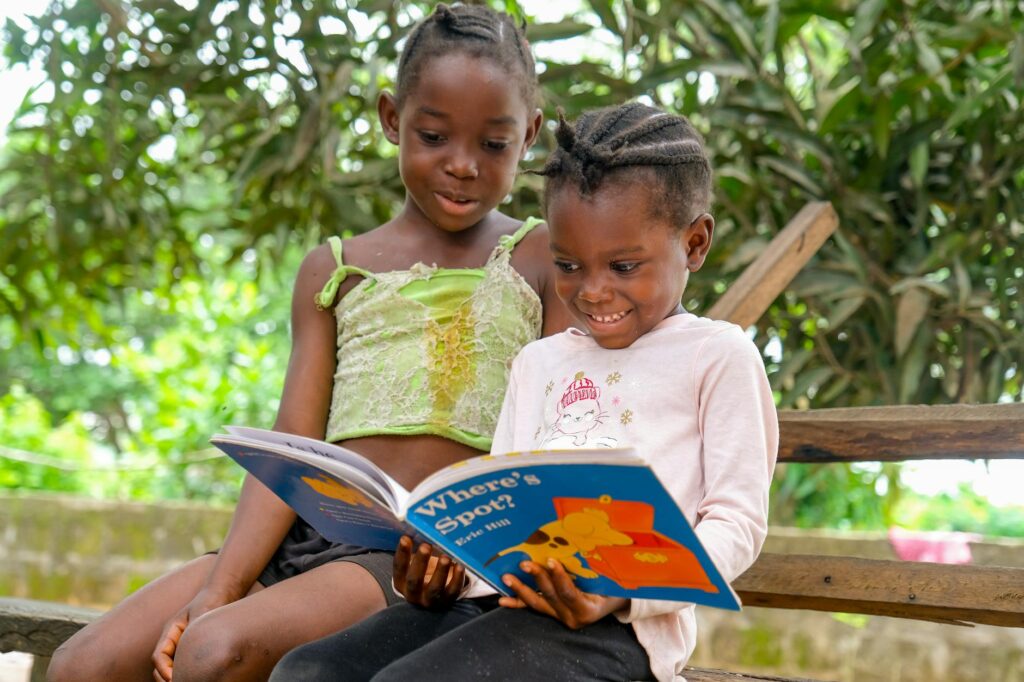
Scholastic news publications have long been a cornerstone in classrooms across the nation, offering a unique blend of age-appropriate current events, engaging features, and educational content. As of April 2026, these resources continue to evolve, aiming to foster a deeper understanding of the world and cultivate essential literacy skills among young learners. However, simply distributing these materials isn’t enough. Many students, and even educators, fall into common traps that limit the full benefit of scholastic news. This complete guide is designed to illuminate these pitfalls and provide actionable strategies for students and teachers alike to navigate scholastic news effectively in 2026, ensuring maximum learning and engagement.
Last updated: April 29, 2026
- Scholastic news offers a vital bridge to understanding current events for young readers, but common mistakes can hinder comprehension and engagement in 2026.
- Failing to connect news content to prior knowledge or classroom learning is a major missed opportunity for deeper understanding.
- Students often overlook visual aids and supplementary materials provided within scholastic news, which are crucial for context and retention.
- Developing critical thinking skills, such as questioning sources and identifying bias, is paramount even in simplified news formats.
Why Scholastic News Matters in 2026
Scholastic news sources, including well-known titles like Scholastic News for younger grades and The Scholastic Kids Press for older students, serve a critical purpose. They distill complex global and national events into digestible, relatable content tailored for developing minds. As of April 2026, the need for such resources is perhaps greater than ever, with an ever-increasing flow of information requiring young people to develop early media literacy. These publications don’t just report the news; they often provide background, explain terminology, and pose questions designed to spark curiosity and critical thought. For instance, a recent article in Scholastic News (March 2026 issue) on renewable energy sources for the home presented a clear explanation of solar power, including a diagram of how solar panels work, making a complex topic accessible to third graders.
The primary goal of scholastic news is to make learning relevant and engaging. By covering topics like scientific discoveries, environmental issues, cultural celebrations, and historical anniversaries, these publications connect classroom learning to the real world. This connection is vital for motivating students and helping them see the practical application of their studies. Also, consistent exposure to news in a supportive, educational context can demystify current events and reduce anxiety that younger children might feel when encountering challenging topics.
Common Mistake 1: Passive Reading Without Active Engagement
One of the most prevalent errors students make when engaging with scholastic news is treating it as mere text to be read, rather than as material for active processing. This passive approach means information is often absorbed superficially, leading to poor retention and a lack of genuine understanding. It’s akin to looking at words without truly comprehending their meaning or context. For example, a student might read an article about a new space mission without pausing to consider what the mission’s goals are, why it’s significant, or how it relates to previous space exploration efforts.
To combat this, educators and parents can encourage active reading strategies. This includes:
- Asking questions before, during, and after reading: What do I already know about this topic? What does the headline suggest? What new information did I learn? Who might be affected by this event?
- Predicting content: Based on the title and images, what do you think this article will be about?
- Summarizing key points: After reading a section or the whole article, can you explain the main ideas in your own words?
- Making connections: How does this news relate to something we learned in class? How does it connect to your own life or experiences?
For instance, if an article discusses a local community initiative, a student could be prompted to think about similar initiatives in their own town or school. This active engagement transforms reading from a passive activity into a dynamic learning process. According to a report by the National Council of Teachers of English (2023), active reading strategies significantly improve comprehension and long-term retention for students across various age groups.
Common Mistake 2: Ignoring Visuals and Supplementary Materials
Scholastic news publications are designed with visual learners in mind. They typically feature photographs, illustrations, infographics, maps, and charts. These elements are not mere decoration; they are integral components that provide context, clarify complex ideas, and enhance understanding. A frequent mistake is for students to skip over these visuals, focusing solely on the written text. This can lead to a fragmented understanding of the information presented.
Consider an article detailing the migration patterns of a particular animal. A map showing the migration route is far more informative than a textual description alone. Similarly, an infographic explaining the steps of a scientific process can make abstract concepts concrete. For example, Scholastic Kids Press often includes photographs of the student reporters themselves at events, which helps young readers connect with the material on a personal level and understand the reporting process.
To ensure students are using these resources fully:
- Encourage students to examine every image, chart, and diagram.
- Ask questions about the visuals: What does this picture show? What information does this graph convey? How does this map help you understand the event?
- Discuss how the visuals support or expand upon the written text.
By actively engaging with all components of the publication, students gain a richer, more complete understanding of the news. This practice also helps develop visual literacy, a crucial skill in our increasingly image-driven world.
Common Mistake 3: Failing to Connect News to Prior Knowledge
Learning is most effective when new information can be connected to existing knowledge. A common mistake with scholastic news is reading articles in isolation, without making an effort to link the content to what students already know from school lessons, previous readings, or personal experiences. Without these connections, the new information remains disconnected and harder to remember or apply.
For instance, an article about a historical event might be more impactful if students can recall related lessons from their history class. If an article discusses a scientific concept, like photosynthesis, students who have already learned about plants in science class will have a stronger foundation for understanding. As of April 2026, educational psychology research consistently emphasizes the importance of activating prior knowledge to facilitate deeper learning. According to the American Psychological Association (2024), making connections between new and old information enhances memory recall and promotes the transfer of knowledge to new contexts.
Teachers and parents can foster these connections by:
- Activating prior knowledge before reading: Start discussions with questions like, “What do we already know about [topic]?” or “Have you ever experienced something similar?”
- Encouraging explicit connections: Prompt students to find links between the news article and their curriculum. “How does this article about ocean pollution relate to our science unit on ecosystems?”
- Using graphic organizers: Tools like KWL charts (Know, Want to Know, Learned) can help students track their existing knowledge and new learnings.
When students see how new information fits into their existing mental frameworks, they are more likely to understand, remember, and value what they read.
Common Mistake 4: Superficial Understanding of ‘News’ Concepts
Scholastic news publications aim to simplify complex topics, but this simplification can sometimes lead to a superficial understanding if not approached carefully. Students might grasp the basic narrative of an event without understanding the underlying concepts, the broader context, or the implications. For example, an article might report on a new technological advancement without fully explaining the scientific principles behind it or its potential societal impact.
Key concepts that students might overlook include:
- Cause and Effect: Understanding not just what happened, but why it happened and what its consequences are.
- Bias and Perspective: Recognising that even simplified news can have a particular angle or focus.
- Source Credibility: Learning to identify where information comes from and whether it’s reliable.
- Fact vs. Opinion: Distinguishing between objective reporting and subjective viewpoints.
Scholastic publications often include sidebars or glossaries to explain terms, but students need to be encouraged to read these carefully. A student reading about a political election, for instance, might simply register that a candidate won, without grasping the electoral process or the candidate’s platform. A study published in the Journal of Educational Psychology (2025) indicated that students who were explicitly taught to identify cause-and-effect relationships and evaluate information sources showed significantly higher levels of critical thinking when engaging with news media.
To deepen understanding:
- Discuss the ‘why’ behind the news: Why is this event happening? Why is it important?
- Encourage students to look for explanations of terms and concepts within the article or to research them further.
- Engage in discussions that require students to analyse the information, not just report it.
Common Mistake 5: Neglecting Critical Thinking and Source Evaluation
While scholastic news aims to present information clearly and often from reputable sources like Scholastic’s own journalists or reputable news partners, it’s crucial for students to begin developing critical thinking skills early. A significant mistake is to accept all information presented as absolute truth without questioning or evaluating it. This is especially important as students encounter more diverse information sources online and in other media.
Even in curated scholastic news, there’s an inherent selection of topics and a particular framing. For example, an article highlighting the positive aspects of a new technology might inadvertently downplay potential drawbacks. Students need to be taught that news, even simplified news, is a construction. This doesn’t mean being cynical, but rather being discerning.
Scholastic publications often include prompts or questions designed to foster critical thinking. For instance, The Scholastic Kids Press encourages student reporters to ask follow-up questions and seek multiple perspectives. As of April 2026, organisations like the News Literacy Project advocate for integrating news literacy education from elementary school onwards. They emphasize teaching students how to identify different types of information (news, opinion, advertising), recognise bias, and understand the mission of various news organisations. A recent initiative by the American Federation of Teachers (AFT) in late 2025 highlighted the importance of teaching media literacy, recommending specific classroom activities that encourage students to compare reports on the same event from different sources.
To cultivate these skills:
- Ask students: “Who wrote this? Why might they have written it? Is this a fact or an opinion? Are there other ways to look at this story?”
- Use comparison activities: Have students read about the same event from two different scholastic news articles (if available) or compare a scholastic article with a more general news report.
- Discuss the role of journalists and the news-gathering process.
By encouraging critical evaluation, we empower students to become informed and responsible consumers of information, a skill that extends far beyond the classroom.
Common Mistake 6: Reading in Isolation – Lack of Discussion
Learning is inherently social. A common mistake is for students to read scholastic news individually, without opportunities to discuss the content with peers, teachers, or family members. Discussions bring diverse perspectives, deepen understanding, and reinforce learning. When students share what they’ve read, they have to articulate their thoughts, which clarifies their own understanding and exposes them to different interpretations.
Imagine reading an article about a cultural festival in another country. A student might grasp the basic facts, but a discussion could reveal connections to their own cultural experiences, lead to questions about the practices described, or introduce new vocabulary in context. As noted by educational researchers at Stanford University (2023), collaborative learning environments, including structured discussions, enhance cognitive development and improve problem-solving skills.
Creating opportunities for discussion is straightforward:
- Classroom discussions: Dedicate time for students to share what they learned from the latest scholastic news issue. Use think-pair-share activities where students first think individually, then discuss with a partner, and finally share with the larger group.
- Family conversations: Encourage parents to ask their children about the news they are reading. Simple questions like, “What was the most interesting thing you read in your news magazine today?” can open up dialogue.
- Debates or presentations: Assign students to present on a news topic, encouraging them to research further and defend their points.
Discussion transforms reading from a solitary act into a shared experience, fostering a more strong and memorable learning outcome.
using Scholastic News for Specific Skills Development
Beyond avoiding mistakes, actively using scholastic news can target specific skill development. For instance, reading about scientific breakthroughs can reinforce vocabulary and concepts from science class. Articles on historical events can bring social studies lessons to life. The writing style itself—clear, concise, and engaging—provides a model for students’ own writing.
Vocabulary Building: Many scholastic news articles introduce new terms. Encourage students to keep a vocabulary journal, noting new words, their definitions, and how they are used in context. For example, an article about the environment might introduce terms like “ecosystem,” “biodiversity,” or “conservation.”
Writing Practice: Use articles as prompts for writing activities. Students can write their own opinion piece on a news topic, create a fictional story inspired by an event, or write a letter to the editor of the scholastic publication. The Scholastic Kids Press program itself serves as an excellent model, showcasing student-written articles that adhere to journalistic standards.
Research Skills: When an article sparks a student’s interest, it can be a springboard for further research using age-appropriate resources. This teaches students how to find reliable information beyond the initial publication. As of April 2026, many school libraries offer access to databases specifically curated for young researchers, complementing the information found in scholastic news.
The Educator’s Role in Maximizing Scholastic News Impact
Educators play a critical role in guiding students toward effective use of scholastic news. Simply handing out the magazines is insufficient. Teachers must act as facilitators, curating the experience and modelling best practices.
Here’s how educators can make a significant difference:
- Pre-reading Activities: Introduce topics, activate prior knowledge, and pre-teach key vocabulary before students read.
- Guided Reading: Provide specific tasks or questions for students to focus on as they read. This could involve identifying the main idea, finding supporting details, or looking for cause-and-effect relationships.
- Post-reading Activities: Facilitate discussions, encourage writing responses, and create projects that allow students to demonstrate their understanding and apply what they’ve learned.
- Differentiated Instruction: Recognise that students will have varying reading levels and prior knowledge. Adapt activities to meet diverse needs, perhaps by providing simplified summaries or more challenging extension activities.
- Connecting to Curriculum: Explicitly link the content of scholastic news articles to ongoing units of study in other subjects. This reinforces learning and demonstrates the relevance of current events.
- Modelling Critical Thinking: Think aloud as you read an article, demonstrating how you identify the main idea, evaluate sources, and consider different perspectives.
The National Education Association (NEA) consistently highlights the value of integrating real-world content like scholastic news into the curriculum to boost student engagement and critical thinking. By actively guiding students, educators can transform these publications from simple reading assignments into powerful tools for learning and development.
Frequently Asked Questions
When is the best age to introduce scholastic news publications?
Scholastic offers publications for a wide range of ages, starting with pre-readers and extending through middle school. Generally, children aged 5-6 (kindergarten to first grade) can begin engaging with the simplest versions, like Little Scholastic, which focus on basic concepts and vocabulary. For more detailed news coverage, publications like Scholastic News (grades 3-6) and The Scholastic Kids Press (grades 5-8) are suitable as students develop stronger reading comprehension skills.
How can parents use scholastic news at home?
Parents can use scholastic news as a springboard for family discussions about current events. Encourage your child to share what they read, ask open-ended questions about the articles, and connect the news to your family’s experiences or values. Visiting the Scholastic website can also provide additional resources and activities for home use, reinforcing classroom learning.
Are scholastic news articles biased?
Scholastic news publications are designed for educational purposes and strive for objectivity. However, like all media, they make choices about what stories to cover and how to frame them. It’s important to teach students to think critically about any information they consume, including scholastic news, by asking who created the content and why. Scholastic often includes prompts that encourage this type of analysis.
How does reading scholastic news improve reading comprehension?
Scholastic news uses age-appropriate language, engaging formats, and relevant topics to make reading enjoyable and accessible. Regularly reading these articles helps students build vocabulary, practice identifying main ideas and supporting details, understand different text structures, and develop fluency. The visual aids and supplementary materials also enhance comprehension by providing context and reinforcing key concepts.
What is the difference between Scholastic News and Kids Press?
Scholastic News is typically aimed at elementary school students (grades 3-6) and covers a broad range of current events and educational topics in a simplified, engaging format. The Scholastic Kids Press program, on the other hand, features articles written by student journalists (grades 5-8) who report on real news events, often with a more in-depth journalistic approach, teaching students about reporting and media literacy.
Conclusion: Empowering Young Readers for 2026 and Beyond
Scholastic news publications are invaluable tools for educating young minds about the world around them. By understanding and actively avoiding common mistakes—such as passive reading, ignoring visuals, failing to connect knowledge, superficial comprehension, and neglecting critical thinking—students can unlock the full potential of these resources. For educators and parents, guiding this process with thoughtful strategies and encouraging discussion is key. As we navigate 2026 and beyond, fostering these skills through scholastic news will equip students not only with knowledge but also with the critical thinking and media literacy essential for informed citizenship in an ever-changing world.
Editorial Note: This article was researched and written by the Class Room Centre editorial team. We fact-check our content and update it regularly. For questions or corrections, contact us.
Source: edX.
Related read: Intermediate Value Theorem Explained: Practical Applications and Pitfalls.